

Commentary
The ASML MoU with Tata Electronics is an indicator of how far the Indian semiconductor ecosystem has come. This ecosystem has been years in the making and represents real commercial logic.
Konark Bhandari
Source: Getty
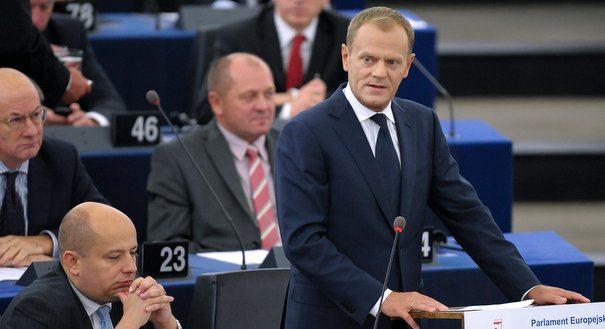
Democratic actors in Central and Eastern Europe bring unique experiences and legitimacy to international democracy support and their democracy promotion efforts have the potential to make a significant contribution.
The new democracies of Central and Eastern Europe are increasingly engaging in international democracy support, especially in the former Soviet Union and the Western Balkans. They have leveraged their membership in a number of Euro-Atlantic international organizations and used their bilateral diplomatic ties with democratization laggards to motivate and pressure them to observe democratic norms and practices. They have also been supplying small but growing amounts of democracy assistance.
The democracy promotion efforts of these countries—countries that are still grappling with some domestic democracy issues of their own—have been limited in scope and inconsistent, ad hoc, and given a low priority at times. Still, these countries have very recent, in fact ongoing experience with democratization that gives them valuable expertise and perspectives that other donors do not have, and therefore special credibility in the eyes of recipients. They also tend to tailor their efforts to the needs of their recipients and work primarily in their neighborhood, where they have considerable knowledge of local sociopolitical realities and where their own experiences are highly relevant.
The Eastern EU democracy promoters have also managed to keep the countries in the post-communist space that are not democratizing fast enough relatively high on the agenda of a number of Euro-Atlantic organizations. These efforts, however, have not yet produced the desired liberalization of neighboring autocracies. They have been important in inspiring and preparing prodemocratic forces in neighboring hybrid regimes to organize several electoral revolutions in the 2000s, but even such democratization has proven short-lived in many cases.
Tsveta Petrova
Tsveta Petrova is a lecturer in political science at Columbia University, whose research focuses on democracy, democratization, and democracy promotion in Central and Eastern Europe.
Carnegie India does not take institutional positions on public policy issues; the views represented herein are those of the author(s) and do not necessarily reflect the views of Carnegie, its staff, or its trustees.
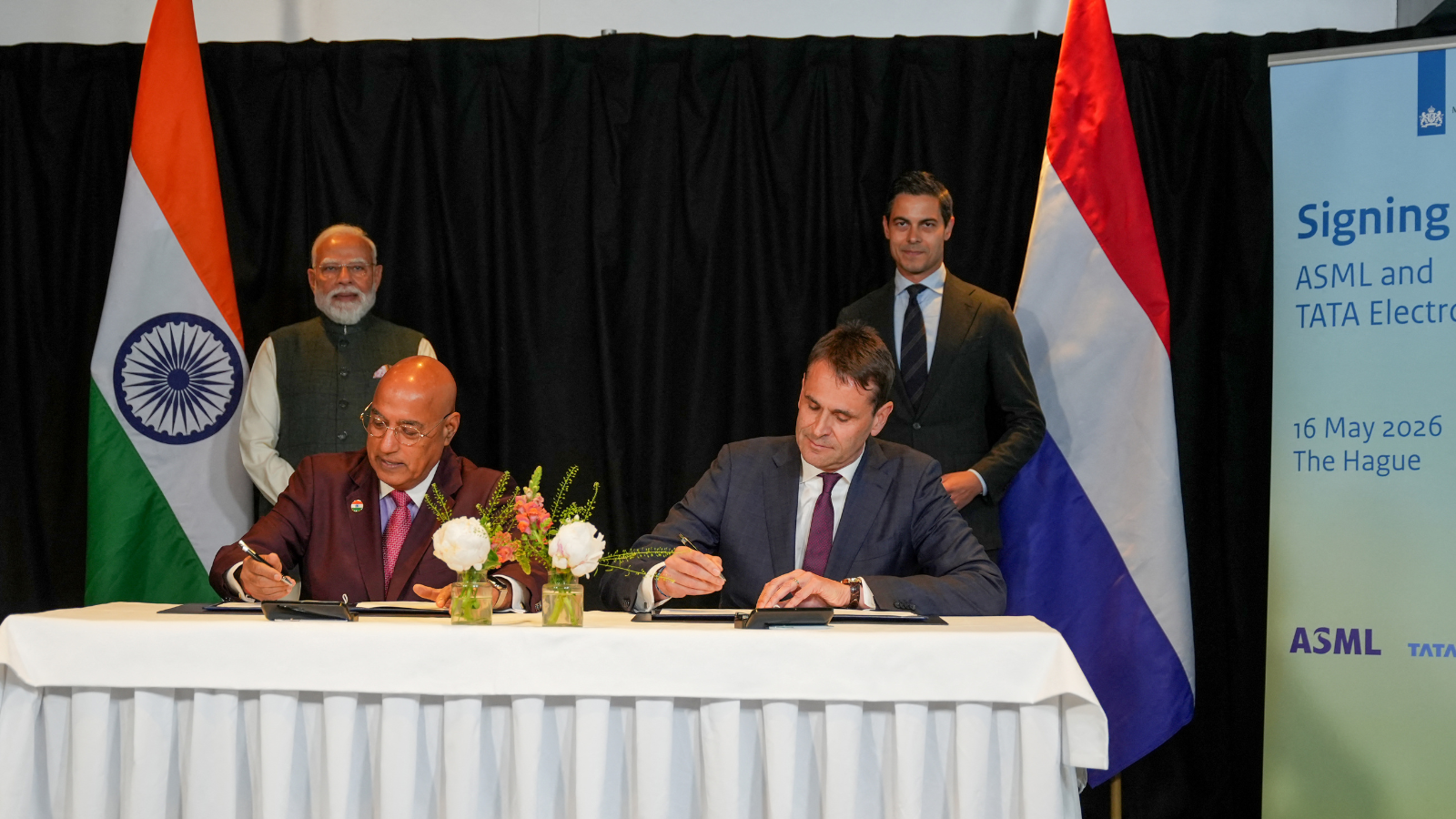
The ASML MoU with Tata Electronics is an indicator of how far the Indian semiconductor ecosystem has come. This ecosystem has been years in the making and represents real commercial logic.

Konark Bhandari

The India–EU Free Trade Agreement (FTA) is shaping up to be one of the most consequential trade negotiations, both economically and strategically. But, what’s in the agreement, what’s missing, and what will determine its success in the years ahead

Vrinda Sahai, Nicolas Köhler-Suzuki
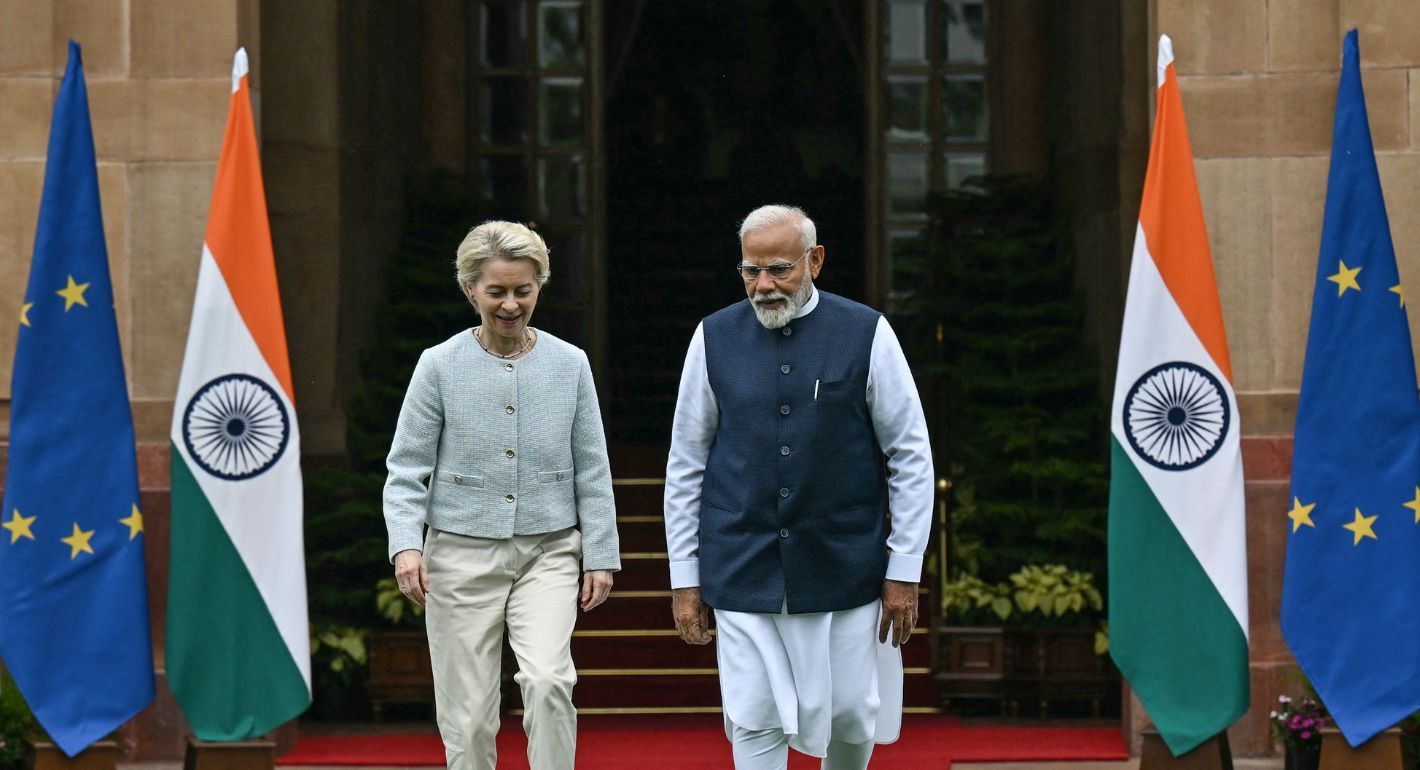
This article argues that the geopolitical circumstances have never been more conducive, not merely for the early conclusion of the free trade agreement (FTA) between India and the EU, but also for crafting a substantive and comprehensive strategic partnership.
Mohan Kumar
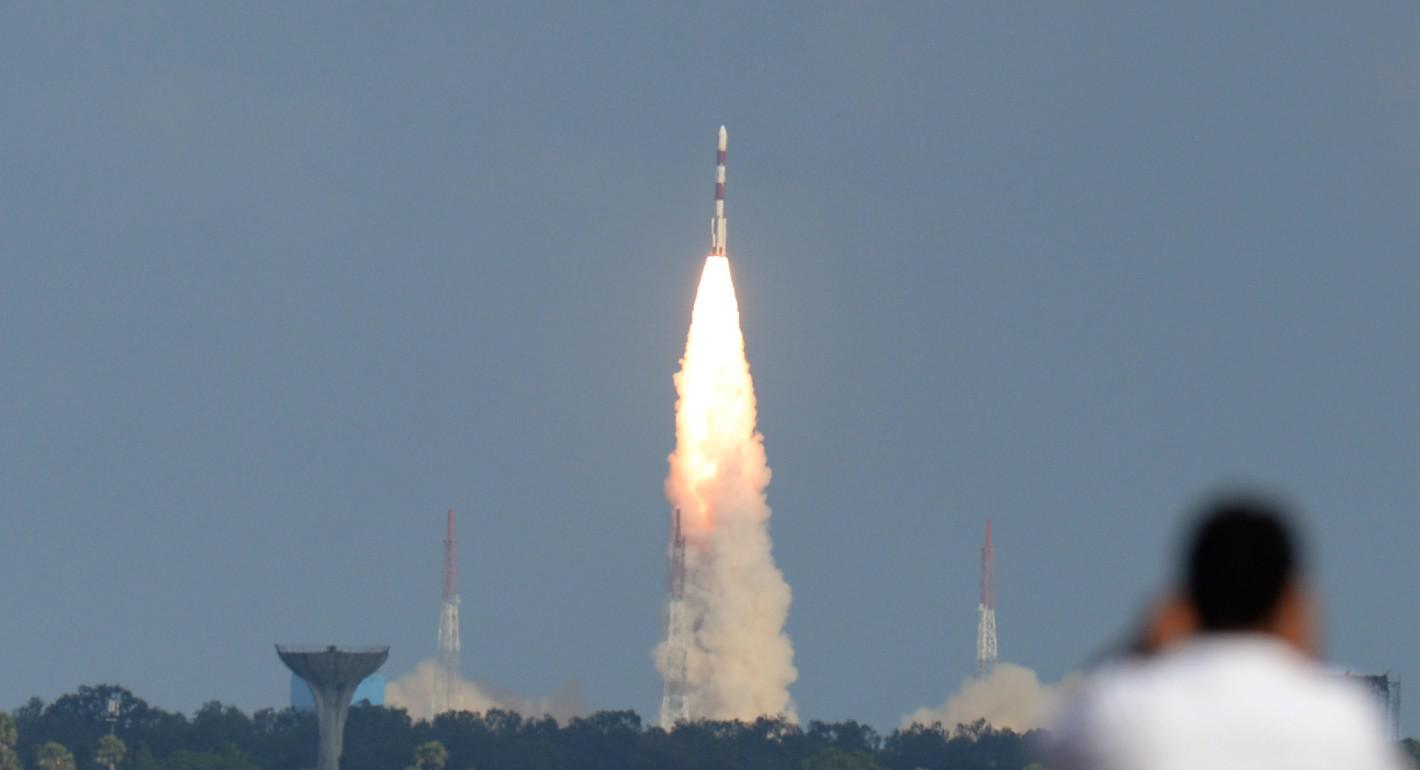
The war in Ukraine has demonstrated that India needs to establish a strong domestic space economy in order to weather geopolitical storms.
Konark Bhandari

Experts weigh in on whether the United States is too hostile toward China.

Stephen Wertheim, Evan S. Medeiros, Vijay Gokhale