

Commentary
The ASML MoU with Tata Electronics is an indicator of how far the Indian semiconductor ecosystem has come. This ecosystem has been years in the making and represents real commercial logic.
Konark Bhandari
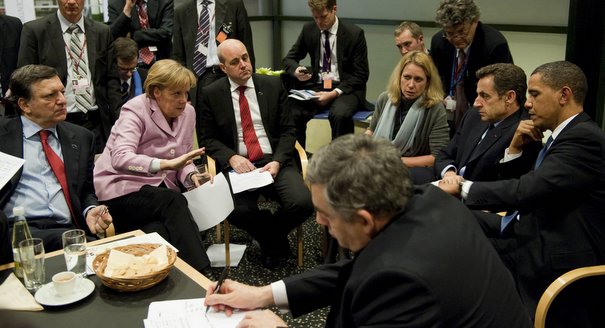
Source: Getty
In a changing global context, the EU’s leadership interest lies in closer cooperation with both its traditional allies and fast developing powers.
Europe had a golden opportunity for strategic development following the collapse of the Soviet Union and the end of the Cold War. At the time, European leaders understood this well and that is why the Maastricht Treaty was signed, which deepened the European integration process by launching a common currency and creating a political union. Without the end of the Cold War, there would have been no such space for Europe to shape the region as well as the world.
The subsequent eastward enlargement that brought in ten new member states—primarily former Soviet countries—is a choice most Europeans supported. While enlargement undoubtedly stabilized Central and Eastern Europe, bringing more members in, however, has made political integration more difficult. The Lisbon Treaty, designed to help the European Union speak with one voice in the world, is an important step in the right direction. However, with Europe badly hit by the global financial crisis, it came at an unfortunate time. With the EU and its member states struggling to address their economic and social woes, the push for further cooperation in the realm of foreign policy has become less of a priority for European leaders.
This situation, however, will not last for long. First, it has become increasingly difficult to separate a domestic issue from a foreign policy issue, since all issues are now highly connected as the result of economic globalization. Second, and probably more importantly, at a time when the United States has become less capable of taking the global leadership role, there is a sense of urgency for EU member states to work ever more closely in providing global public goods.
In this changing global context, Europeans can still derive international influence through their main achievements to date—the single market and the common currency. However, the Union should also reevaluate its policies towards its neighborhood, and strike a better balance in its relations with traditional allies and emerging powers.
The EU should work hard to maintain its integration achievement. The world regards Europe as a global player mainly because of its unity and its collective power in the world economy and trade system. When China applied for membership in the World Trade Organization in the 1990s, there was no need for China to talk to each European country. All negotiations were conducted between the Chinese government and the European Commission. The euro, although facing great difficulties right now, is Europe’s symbol of global power and influence. European leaders are absolutely right to do everything possible to save the common currency.
The single market is as important as the euro. China considers the EU as a strategic partner first and foremost because its 27 members, as a whole, have been China’s number one trading partner for many years. The EU recently completed a free trade agreement with South Korea. The impact of this will be one that an individual European country could hardly imagine.
The EU should also play the leading role in its neighborhood, including both Eastern Europe and the Mediterranean basin. The Arab Spring will likely become the greatest foreign policy challenge for Europe in the future, leaving the EU and its member states no choice but to play a leading role in the region. The new situation in North Africa and the Middle East requires a new neighborhood policy.
Emerging powers like China and India are equally important for Europe and deserve greater attention. European countries should consider rising powers as their third foreign policy pillar.
Most EU member states have so far had two foreign policy pillars—the transatlantic relationship, through NATO, and European integration, through the EU. During the Cold War, it was NATO and indeed the United States that provided security for Europe. After the end of the Cold War, many Europeans no longer considered Russian—or any other foreign invasion—as the real security threat. NATO, however, didn’t die as some had predicted. The alliance today continues to play an insurance role for Europe. It has also been the most important mechanism for Europeans to exchange views with and even to influence the Americans.
However, the continued existence of NATO should not be an excuse for Europeans not to build up their own defense and security capabilities. The EU needs to avoid depending too much on the United States. Furthermore, although transatlantic relations are still very important for many European countries, one could wonder whether, in a rapidly changing world, the United States should continue to be the most important partner for Europe.
There are many reasons for Europeans to believe that Russia and the emerging powers should occupy as important a place as the United States does in the EU’s foreign policy. Germany has shown some willingness to understand the Russians, but this has not been the case for many other European countries. NATO has already complicated European and American relationships with Russia. Hence for both long-term security and energy reasons, the EU must take Russia much more seriously than it has been doing so far.
Future global governance will be a “co-governance” between the traditional powers and new powers. The EU’s interest lies in a closer cooperation with both its traditional allies and the fast developing powers.
Feng Zhongping is director for European Studies at the China Institute of Contemporary International Relations in Beijing.
To reinvigorate debate over European foreign policy and Europe’s role in the world, Carnegie Europe is publishing a series of essays from leading policymakers, diplomats, experts, and journalists on Strategic Europe over the coming weeks. A new essay will appear every day.
Feng Zhongping
Carnegie India does not take institutional positions on public policy issues; the views represented herein are those of the author(s) and do not necessarily reflect the views of Carnegie, its staff, or its trustees.
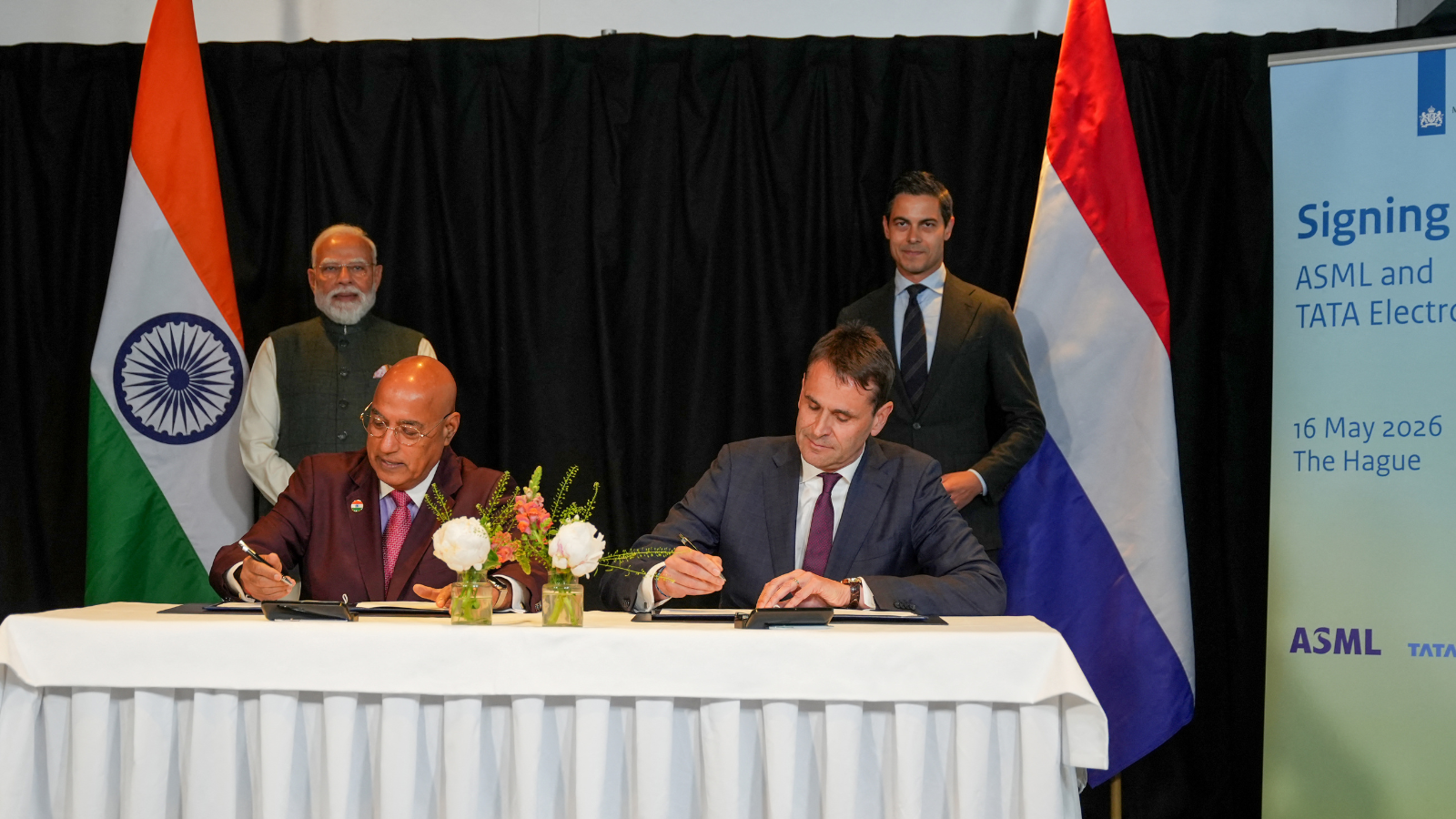
The ASML MoU with Tata Electronics is an indicator of how far the Indian semiconductor ecosystem has come. This ecosystem has been years in the making and represents real commercial logic.

Konark Bhandari

The India–EU Free Trade Agreement (FTA) is shaping up to be one of the most consequential trade negotiations, both economically and strategically. But, what’s in the agreement, what’s missing, and what will determine its success in the years ahead

Vrinda Sahai, Nicolas Köhler-Suzuki
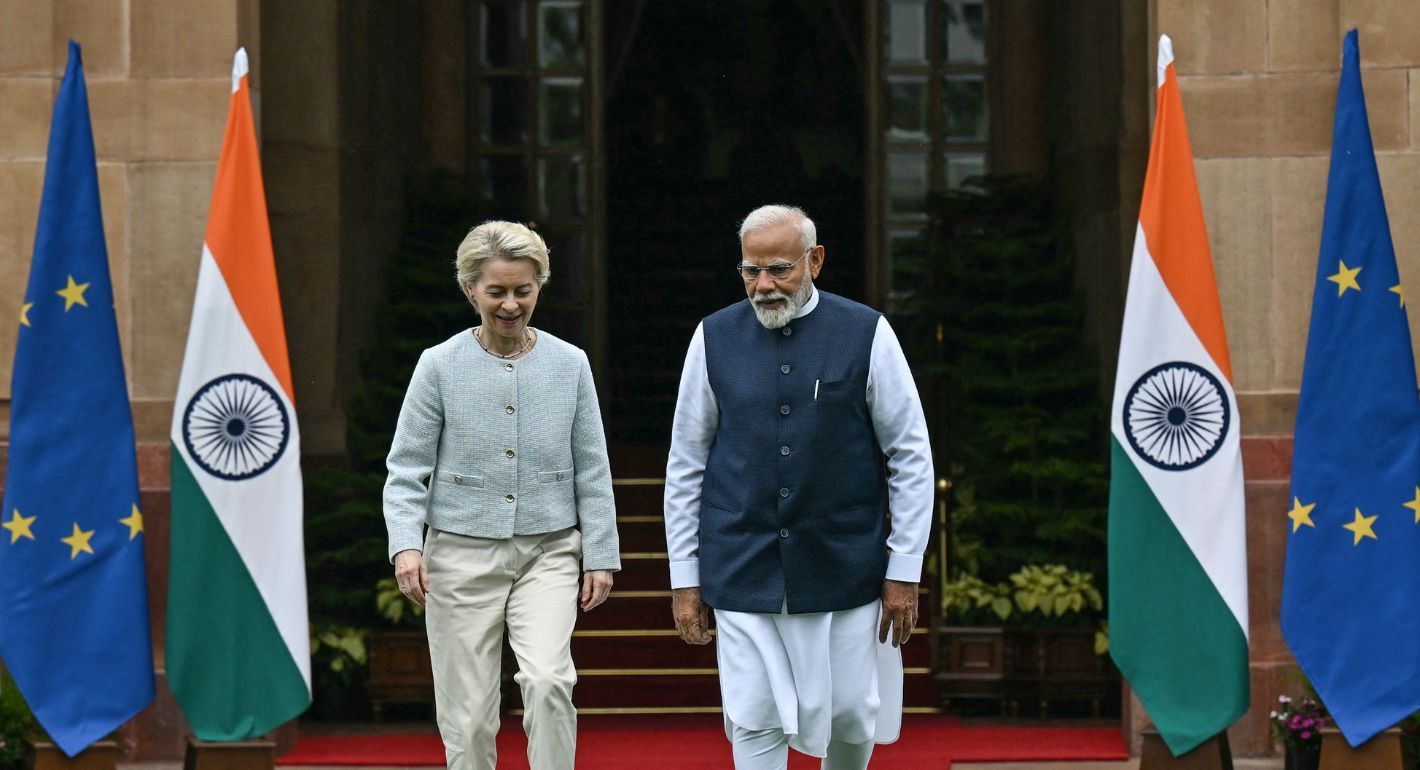
This article argues that the geopolitical circumstances have never been more conducive, not merely for the early conclusion of the free trade agreement (FTA) between India and the EU, but also for crafting a substantive and comprehensive strategic partnership.
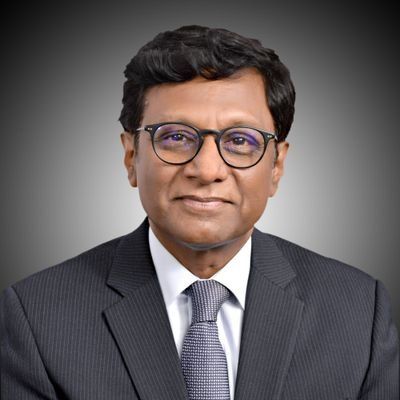
Mohan Kumar
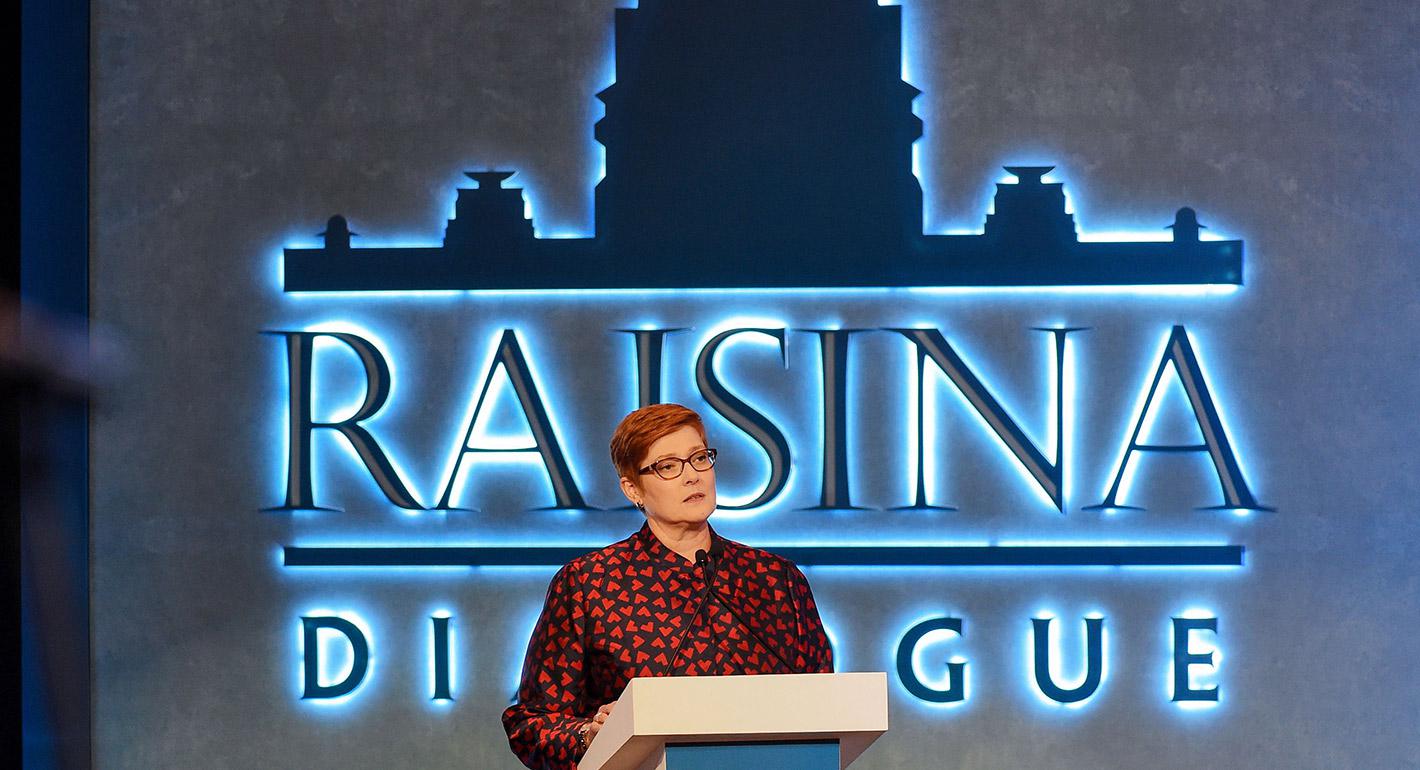
Foreign ministers from India, France, and Australia recently met (virtually) at the Raisina Dialogue, India’s flagship annual conference on geopolitics and geoeconomics. What can they get done if they work together?


Rudra Chaudhuri, Shibani Mehta
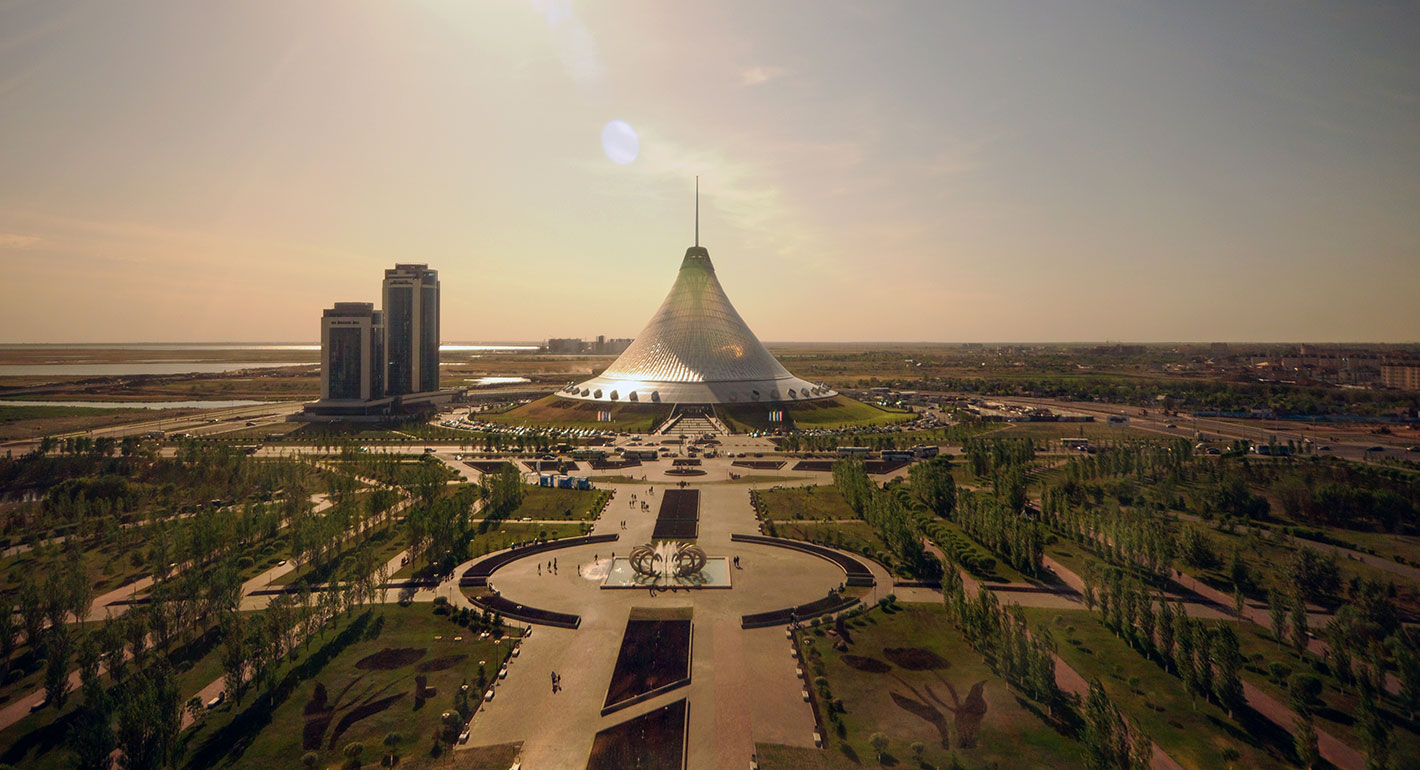
With contributors from various Central Asian nations and beyond, this issue of Seminar provides a selection of perspectives about the past, present, and future trajectory of Central Asia, and the growing role of external actors, particularly India, China, Russia, and the EU in this evolving and dynamic space.
Rhea Menon, Sharanya Rajiv, 64592