

In The Media
Vikram Nehru
Source: Getty
The ruling coalition in Indonesia should continue to cut fuel subsidies—but only if it uses the savings to increase social and infrastructure spending and undertakes serious anti-corruption reforms.
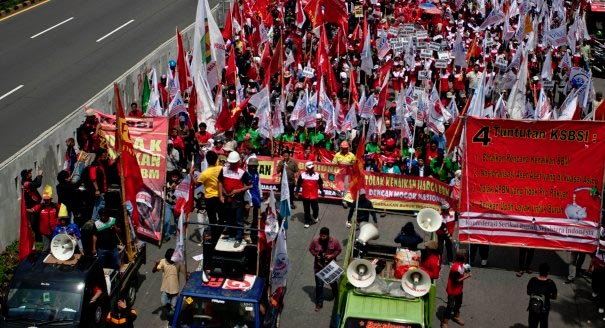
Thousands of people demonstrated across Indonesia last week to protest a government plan to increase the domestic fuel price, part of the revised 2012 budget making its way through parliament. In the face of these demonstrations, some of which turned violent, President Susilo Bambang Yudhoyono lost crucial support within his own ruling coalition and could not push the vote through. Instead, after last-minute negotiations, all the ruling party could do was accept a weak compromise that gave the government the authority to raise the fuel price at some point in the future and under certain stringent conditions.
While this outcome is better than the status quo, the president suffered a humiliating political defeat. Coming a full two and a half years before the next general election, this defeat has weakened the president immeasurably, further confirming his inability to control his own coalition. Indonesia now faces the possibility of policy drift and an unexpectedly early start to the 2014 presidential race.
President Yudhoyono’s resounding electoral victory in 2009 gave him a second term in office and meant he had the best chance in a generation to achieve a significant reduction in the fuel subsidy, if not eliminate it altogether. He had two opportunities to do so—with the 2011 and the 2012 budgets—but inexplicably declined to take advantage of both. Indeed, the 2012 budget included a provision that expressly prohibited the government from raising the fuel price.Since the budget’s approval, however, the international oil price has climbed, sending the subsidy soaring. The 2012 budget deficit could possibly now breach the 3 percent of GDP ceiling set by parliament and jeopardize the elevated investment-grade credit rating the government achieved only a few months ago.
While maintaining budget discipline and Indonesia’s credit rating may be the proximate reason for raising the domestic fuel price, there are other more important arguments in favor of doing so. First, the subsidy’s incidence is regressive—it primarily benefits high-income households who tend to consume the most fuel.
Second, reducing the subsidy could yield budgetary savings, part of which could be channeled to the poorest Indonesians to compensate them for higher fuel prices—and the rest could be used to finance public transportation and desperately needed transport infrastructure, both binding constraints to economic growth in Indonesia.
Third, higher fuel prices will help increase energy efficiency and ease traffic congestion on Indonesia’s horribly clogged roads.
Fourth, Indonesia now has the lowest domestic fuel price in all of Asia and is out of step with the rest of the world, which is trying to reduce its addiction to fossil fuels, protect the environment, and mitigate climate change.
And fifth, Indonesia is now a net energy importer—and a low domestic fuel price makes it more dependent on imported energy and more vulnerable to energy price shocks from abroad.
These arguments are persuasive, yet public opinion is against any increase in the fuel price. One reason is that not enough was done to communicate the compelling case for the government’s proposal. But another is the public’s diminished trust in the government and skepticism that the administration will use any savings from lower subsidies to further development objectives.
Indonesia now ranks 100th out of 183 countries on Transparency International’s Corruption Perceptions Index, which also found Indonesia’s parliament to be the country’s most corrupt institution. Prominent lawmakers, some in the president’s own party, are under a cloud of suspicion. Newspaper articles openly question whether additional resources in the hands of government would simply be squandered rather than used for high-priority programs.
Unless lawmakers and the government earn a reputation for clean governance and reclaim the public’s trust, the electorate is unlikely to give them the leeway to make bold decisions that may hurt in the short term but serve the national interest in the long term.
Indonesia needs strong leadership, and President Yudhoyono could still provide it. Previous administrations have faced down violent demonstrations and done the right thing by raising fuel prices when needed. This administration will need to follow suit before it is too late.
But the government must then also use the budgetary savings judiciously and make sure every cent goes to high-priority social and infrastructure programs. Not only will this put Indonesia back on the right growth path, it will also restore a much-needed sense that the current administration is decisive—a trait that will be put to good use in tackling other looming challenges in the remaining half of President Yudhoyono’s five-year term.
Former Nonresident Senior Fellow, Asia Program
Nehru was a nonresident senior fellow in the Carnegie Asia Program. An expert on development economics, growth, poverty reduction, debt sustainability, governance, and the performance and prospects of East Asia, his research focuses on the economic, political, and strategic issues confronting Asia, particularly Southeast Asia.
Recent Work
Vikram Nehru
Vikram Nehru
Carnegie India does not take institutional positions on public policy issues; the views represented herein are those of the author(s) and do not necessarily reflect the views of Carnegie, its staff, or its trustees.

This piece examines India’s response to U.S. sanctions and tariffs, specifically assessing the immediate market consequences, such as alterations in import costs, and the broader strategic implications for India’s energy security and foreign policy orientation.
Vrinda Sahai

This paper examines the evolution of India-China economic ties from 2005 to 2025. It explores the impact of global events, bilateral political ties, and domestic policies on distinct spheres of the economic relationship.

Santosh Pai
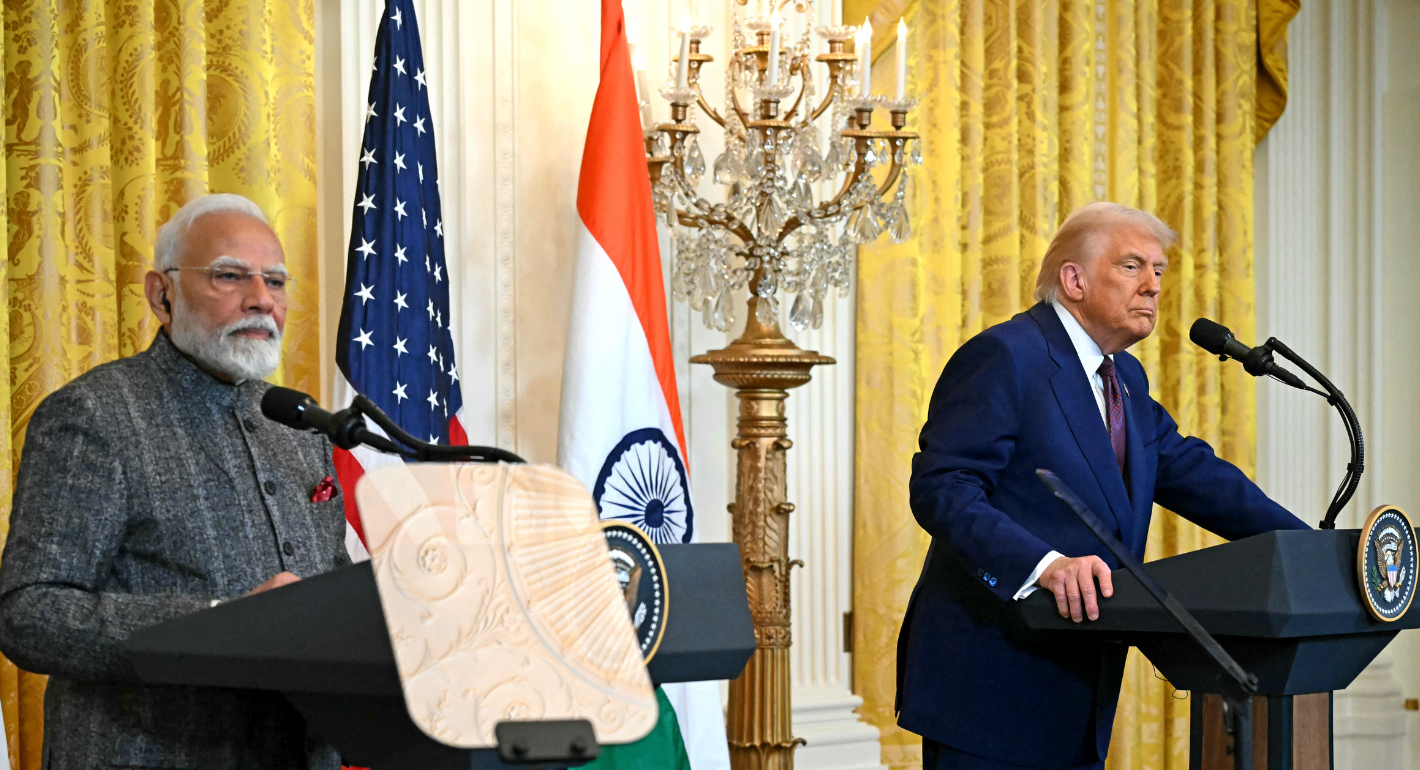
The India-U.S. relationship currently appears buffeted between three “Ts”—TRUST, Tariffs, and Trump.
Arun K. Singh
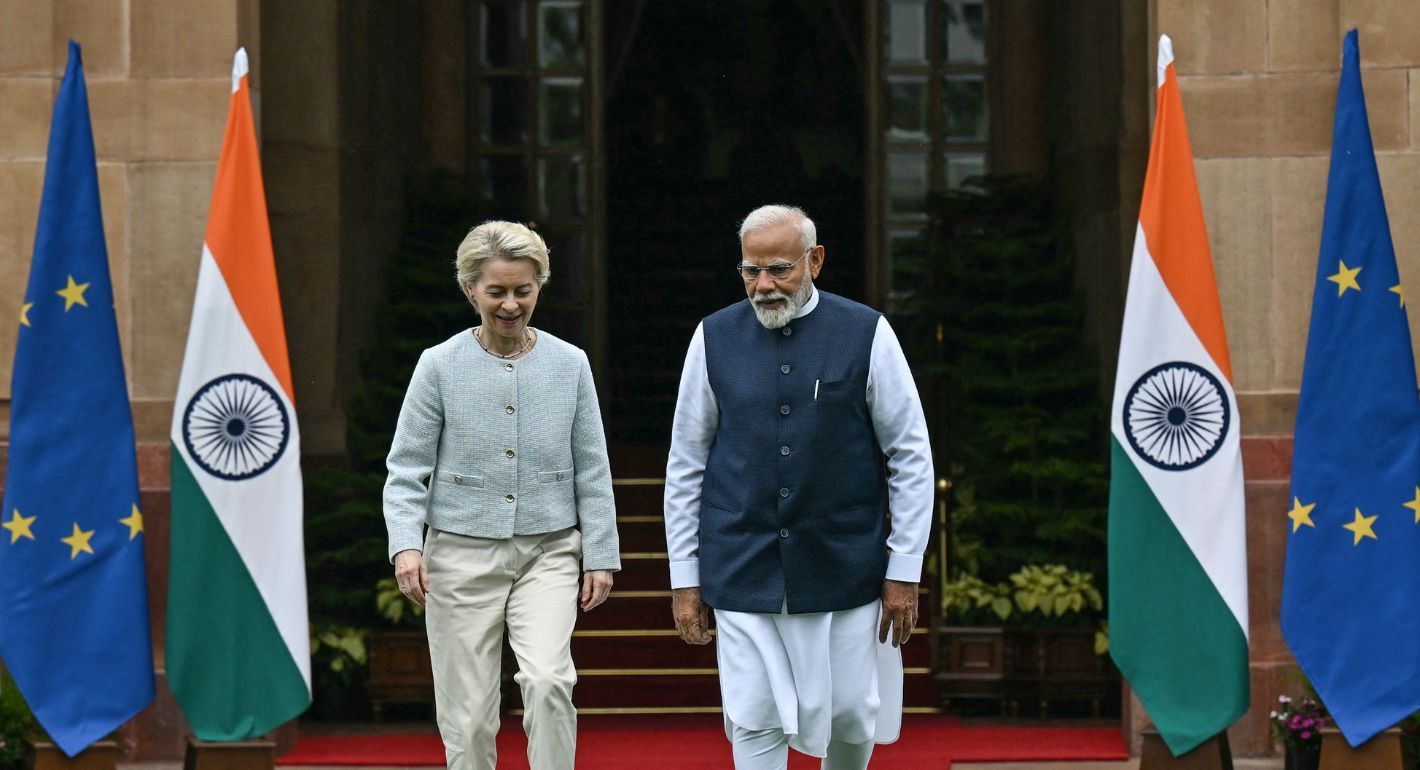
This article argues that the geopolitical circumstances have never been more conducive, not merely for the early conclusion of the free trade agreement (FTA) between India and the EU, but also for crafting a substantive and comprehensive strategic partnership.
Mohan Kumar

President Kais Saied has won a second term in office, but his country is facing a host of problems that necessitate urgent reforms, above all preventing the possibility of a financial meltdown.

Ishac Diwan, Hachemi Alaya, Hamza Meddeb