
• Research
  • About
  • Experts
Carnegie India logoCarnegie lettermark logo
AI
Multilateral Efforts on Information Integrity: Why a Clear Definition Is Needed
Research

Multilateral Efforts on Information Integrity: Why a Clear Definition Is Needed

How existing conceptualizations of the term “information integrity” fall short and how information integrity can achieve conceptual goodness.

Link Copied
By Kamya Yadav, Alicia Wanless, Samantha Lai
Published on Jan 10, 2026
Project hero Image

Project

Information Environment Project

Carnegie’s Information Environment Project is a multistakeholder effort to help policymakers understand the information environment, think through the impact of efforts to govern it, and identify promising interventions to foster democracy.

Learn More
Read the Publication

About the Authors

Kamya Yadav

Former Research Analyst, Technology and International Affairs

Kamya Yadav is a research analyst in the Technology and International Affairs Program at the Carnegie Endowment for International Peace. Kamya is a PhD student at the University of California, Berkeley, where she researches gender, representation, and technology in the context of developmental political economy, with a regional focus on South Asia.

Alicia Wanless

Senior Fellow, Technology and International Affairs, Director, Information Environment Project

Alicia is the director of the Information Environment Project and the author of The Information Animal: Humans, Technology and the Competition for Reality. Alicia was a technical advisor to the Aspen Institute’s Commission on Information Disorder and is a founding member of its Global Cybersecurity Group.


Samantha Lai

Former Senior Research Analyst, Technology and International Affairs

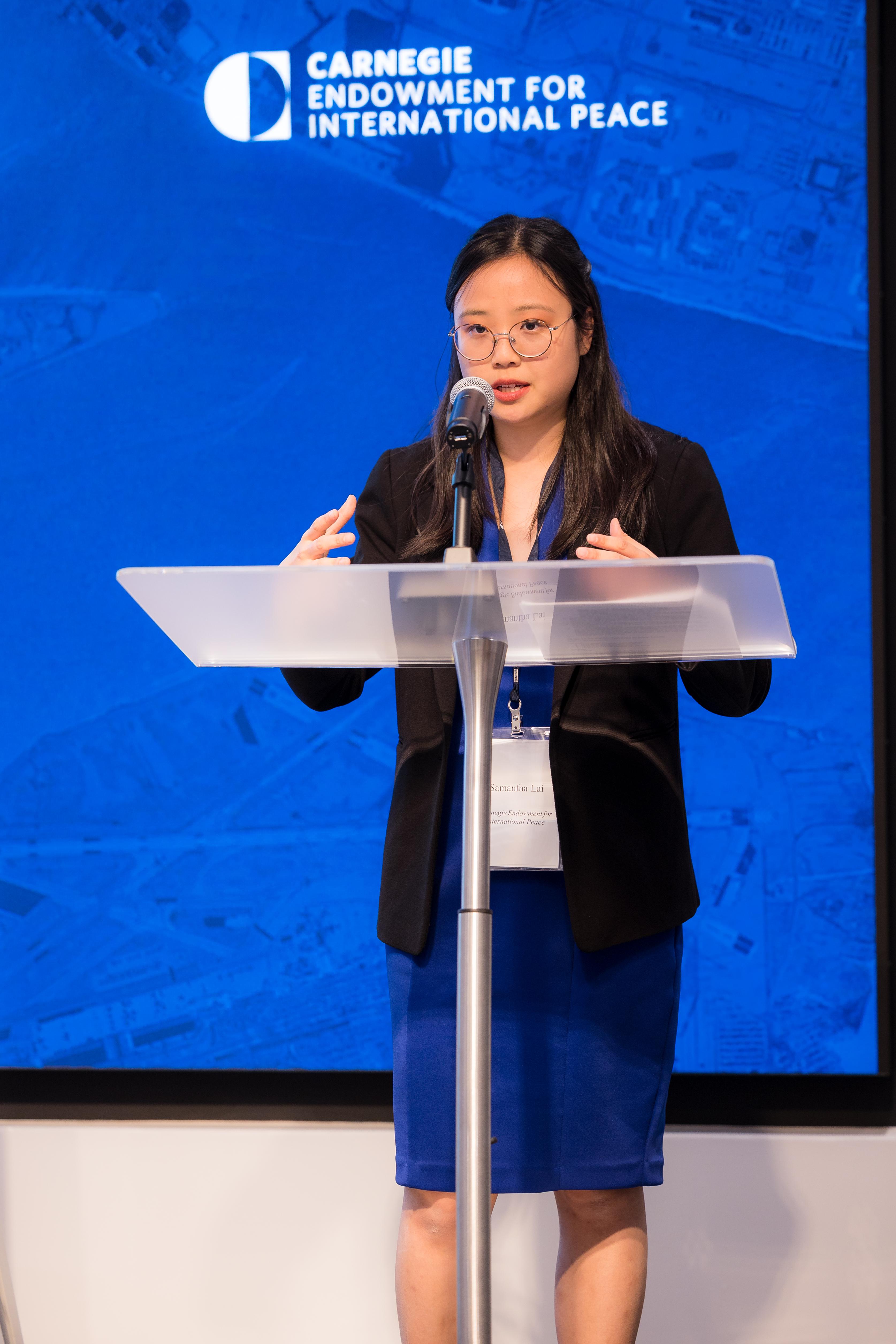
Samantha Lai was a senior research analyst at the Carnegie Endowment for International Peace's Information Environment Project.

Authors

Kamya Yadav
Former Research Analyst, Technology and International Affairs
Alicia Wanless
Senior Fellow, Technology and International Affairs, Director, Information Environment Project
Alicia Wanless
Samantha Lai
Former Senior Research Analyst, Technology and International Affairs
Samantha Lai
Technology

Carnegie India does not take institutional positions on public policy issues; the views represented herein are those of the author(s) and do not necessarily reflect the views of Carnegie, its staff, or its trustees.

More Work from Carnegie India

  • Commentary
    The Unresolved Challenges in U.S.–India Semiconductor Cooperation

    The U.S.–India semiconductor cooperation story is well-stocked with top-level strategic intent. What remains unresolved, however, are some underlying challenges that will determine whether the cooperation actually functions. Three such friction points stand out.

      Shruti Mittal

  • Article
    Outlooks on Open-Source Innovation at the India AI Impact Summit 2026

    Drawing on ten public discussions from the India AI Impact Summit 2026, this article highlights key outlooks on open source in AI that are likely to shape policy and governance conversations going forward.

      Shruti Mittal

  • Research
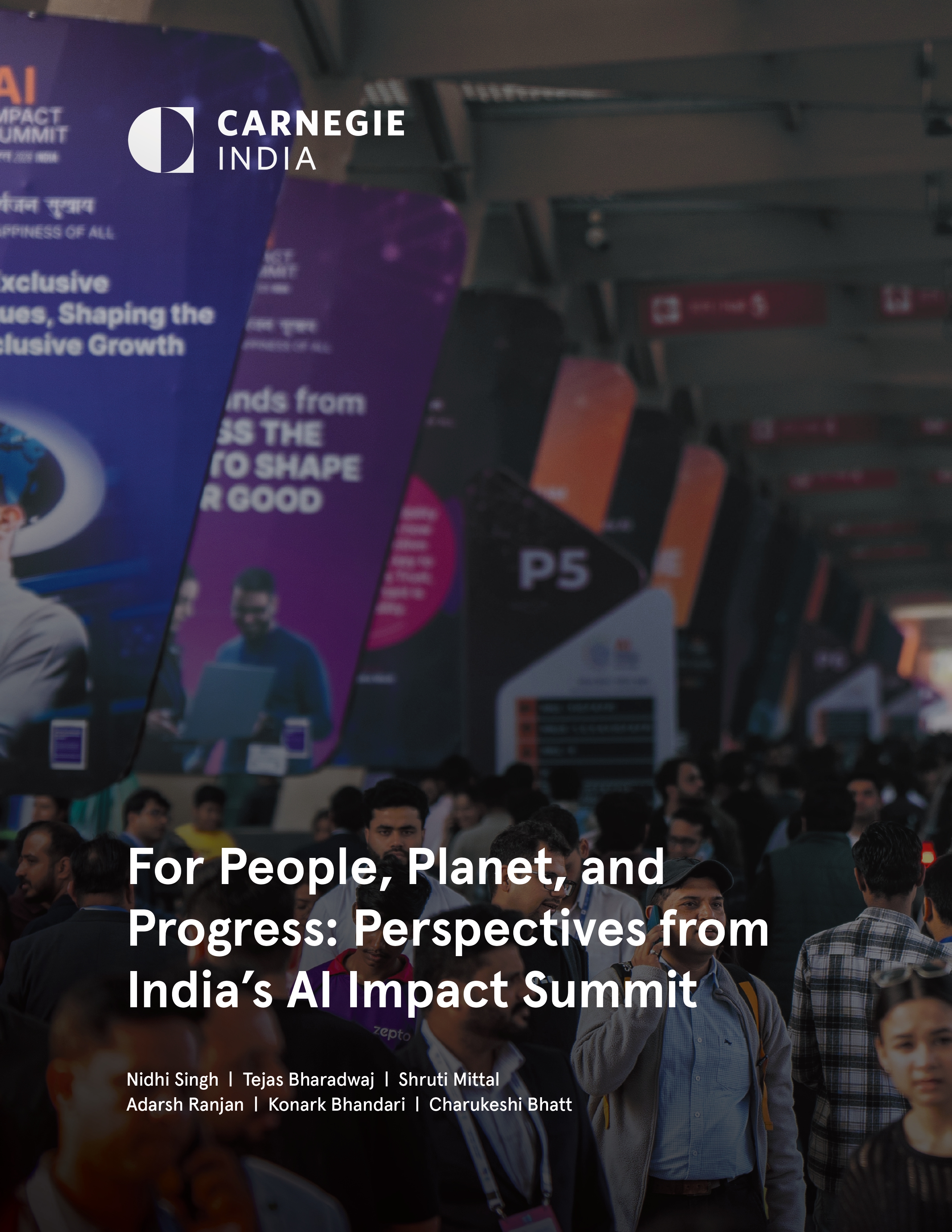
    For People, Planet, and Progress: Perspectives from India's AI Impact Summit

    This collection of essays by scholars from Carnegie India’s Technology and Society program traces the evolution of the AI summit series and examines India’s framing around the three sutras of people, planet, and progress. Scholars have catalogued and assessed the concrete deliverables that emerged and assessed what the precedent of a Global South country hosting means for the future of the multilateral conversation.

      • +3

      Nidhi Singh, Tejas Bharadwaj, Shruti Mittal, …

  • Article
    India’s Press Note 3 Gamble: Opening the FDI Door to China

    On March 10, 2026, India’s Union Cabinet approved amendments to Press Note 3, a regulation that mandated government approval on all foreign direct investment (FDI) from countries sharing a land border with India. This amendment raises questions primarily about whether its stated benefits will materialize and if the risks have been adequately weighed. This piece will address the same.

      Konark Bhandari

  • Commentary
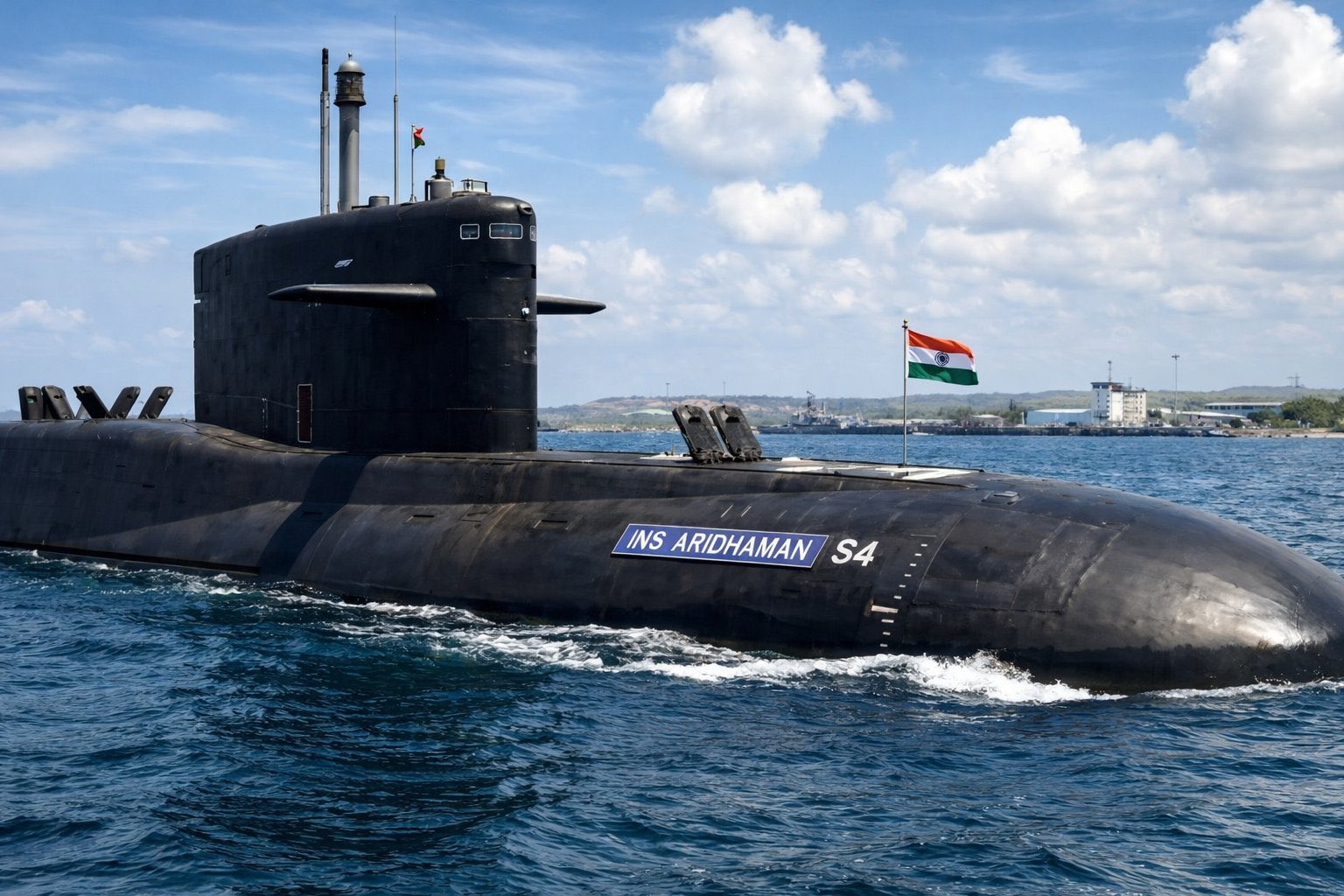
    The Coming of Age of India’s Nuclear Triad

    The induction of INS Aridhaman, which features several technological enhancements, now gives India the third nuclear ballistic missile submarine to ensure continuous at-sea deterrent.

      Dinakar Peri

Get more news and analysis from
Carnegie India
Carnegie India logo, white
Unit C-4, 5, 6, EdenparkShaheed Jeet Singh MargNew Delhi – 110016, IndiaPhone: 011-40078687
  • Research
  • About
  • Experts
  • Projects
  • Events
  • Contact
  • Careers
  • Privacy
  • For Media
Get more news and analysis from
Carnegie India
© 2026 Carnegie Endowment for International Peace. All rights reserved.