{
  "authors": [
    "Milan Vaishnav",
    "Ornit Shani"
  ],
  "type": "event",
  "centerAffiliationAll": "dc",
  "centers": [
    "Carnegie Endowment for International Peace"
  ],
  "collections": [],
  "englishNewsletterAll": "ctw",
  "nonEnglishNewsletterAll": "",
  "primaryCenter": "Carnegie Endowment for International Peace",
  "programAffiliation": "SAP",
  "programs": [
    "South Asia"
  ],
  "projects": [
    "India Elects 2019"
  ],
  "regions": [
    "South Asia",
    "India"
  ],
  "topics": [
    "Political Reform",
    "Democracy",
    "Economy",
    "Civil Society"
  ]
}
How India Became Democratic
Wed, April 25th, 2018
Washington, DC
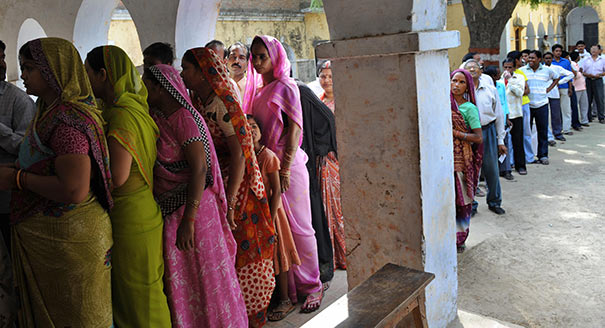
In the spring of 2019, hundreds of millions of Indians will cast their ballots in the country’s seventeenth general election. Seven decades after independence, India holds elections so regularly that they are almost taken for granted.
To inaugurate its new India Elects 2019 initiative, Carnegie hosted a discussion of a new book, How India Became Democratic: Citizenship and the Making of the Universal Franchise, in which Ornit Shani shares the untold story of how India decided to grant universal suffrage from the outset—an unprecedented democratic experiment. Turning all adult Indians into voters, against the backdrop of the partition of India and Pakistan and the forging of a new constitution, was a staggering task. Drawing on rich archival material, Shani explained how Indians became voters even before they were citizens. Carnegie’s Milan Vaishnav moderated the discussion.
Ornit Shani
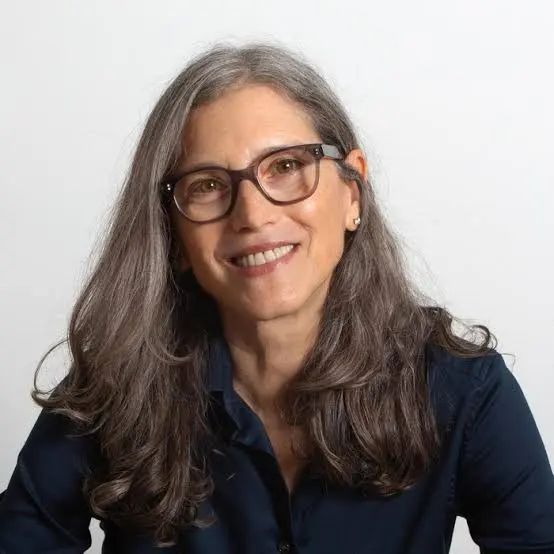
Ornit Shani is a senior lecturer at the Department of Asian Studies at the University of Haifa and author of How India Became Democratic: Citizenship and the Making of the Universal Franchise, which historian Ramachandra Guha calls “a subtle and impressive work of scholarship, which breaks new ground in the history of modern India.”
Milan Vaishnav
Milan Vaishnav is a senior fellow and director of the South Asia Program at the Carnegie Endowment for International Peace, where he leads Carnegie’s India Elects 2019 initiative.
In the months ahead, Carnegie scholars will analyze various dimensions of India’s upcoming election battle—including coalition dynamics, the shifting demographic trends in the country’s electorate, and the impact of elections on India’s foreign policy. Keep up to date at CarnegieEndowment.org/IndiaElects2019/.
Carnegie does not take institutional positions on public policy issues; the views represented herein are those of the author(s) and do not necessarily reflect the views of Carnegie, its staff, or its trustees.
Event Speakers
Director and Senior Fellow, South Asia Program

Milan Vaishnav is a senior fellow and director of the South Asia Program and the host of the Grand Tamasha podcast at the Carnegie Endowment for International Peace. His primary research focus is the political economy of India, and he examines issues such as corruption and governance, state capacity, federalism, and electoral behavior. He also conducts research on the Indian diaspora.
Ornit Shani
Associate Professor, Haifa University