• Research
  • Diwan
  • About
  • Experts
Carnegie Middle East logoCarnegie lettermark logo
LebanonIran
{
  "authors": [
    "Ann M. Florini",
    "John Audley"
  ],
  "type": "other",
  "centerAffiliationAll": "",
  "centers": [
    "Carnegie Endowment for International Peace"
  ],
  "collections": [],
  "englishNewsletterAll": "",
  "nonEnglishNewsletterAll": "",
  "primaryCenter": "Carnegie Endowment for International Peace",
  "programAffiliation": "",
  "programs": [],
  "projects": [],
  "regions": [],
  "topics": [
    "Economy",
    "Trade"
  ]
}
REQUIRED IMAGE

REQUIRED IMAGE

Other

Overhauling the WTO: Opportunity at Doha and Beyond

Link Copied
By Ann M. Florini and Mr. John Audley
Published on Sep 28, 2001

Source: Carnegie

The world's trade ministers, who will meet at a WTO ministerial in November 2001 in Doha, Qatar, are wrong to think that only a new round of negotiations will save the much-maligned international trade system. Carnegie senior associates John Audley and Ann M. Florini argue that they should, instead, simultaneously tackle internal and external reform of the WTO to make it a truly equitable institution. Internally, industrial countries must start treating developing countries as equal partners in making the rules that govern global trade, and where necessary provide technical assistance to make that equality possible. Externally, to satisfy legitimate public demands, members should improve the transparency of WTO proceedings and permit public participation in keeping with international norms. These changes, however, will occur only when national leaders link internal and external reform objectives—a step that will require leadership from key countries as well as the WTO Secretariat.

Click on the links above for full text of this Policy Brief in English and Spanish.

About the Author
John Audley
is senior associate at the Carnegie Endowment and director of its new Trade, Environment, and Development Project. He is author of A Greener Fast Track: Putting Environmental Protection on the Trade Agenda. Ann M. Florini is senior associate at the Carnegie Endowment, where she directs the Project on Transparency and Transnational Civil Society. Her publications include The Third Force: The Rise of Transnational Civil Society and Secrets for Sale: How Commercial Satellite Imagery Will Change the World.

About the Authors

Ann M. Florini

Former Senior Associate

Mr. John Audley

Former Senior Associate

Authors

Ann M. Florini
Former Senior Associate
Mr. John Audley
Former Senior Associate
EconomyTrade

Carnegie does not take institutional positions on public policy issues; the views represented herein are those of the author(s) and do not necessarily reflect the views of Carnegie, its staff, or its trustees.

More Work from Malcolm H. Kerr Carnegie Middle East Center

  • Commentary
    Diwan
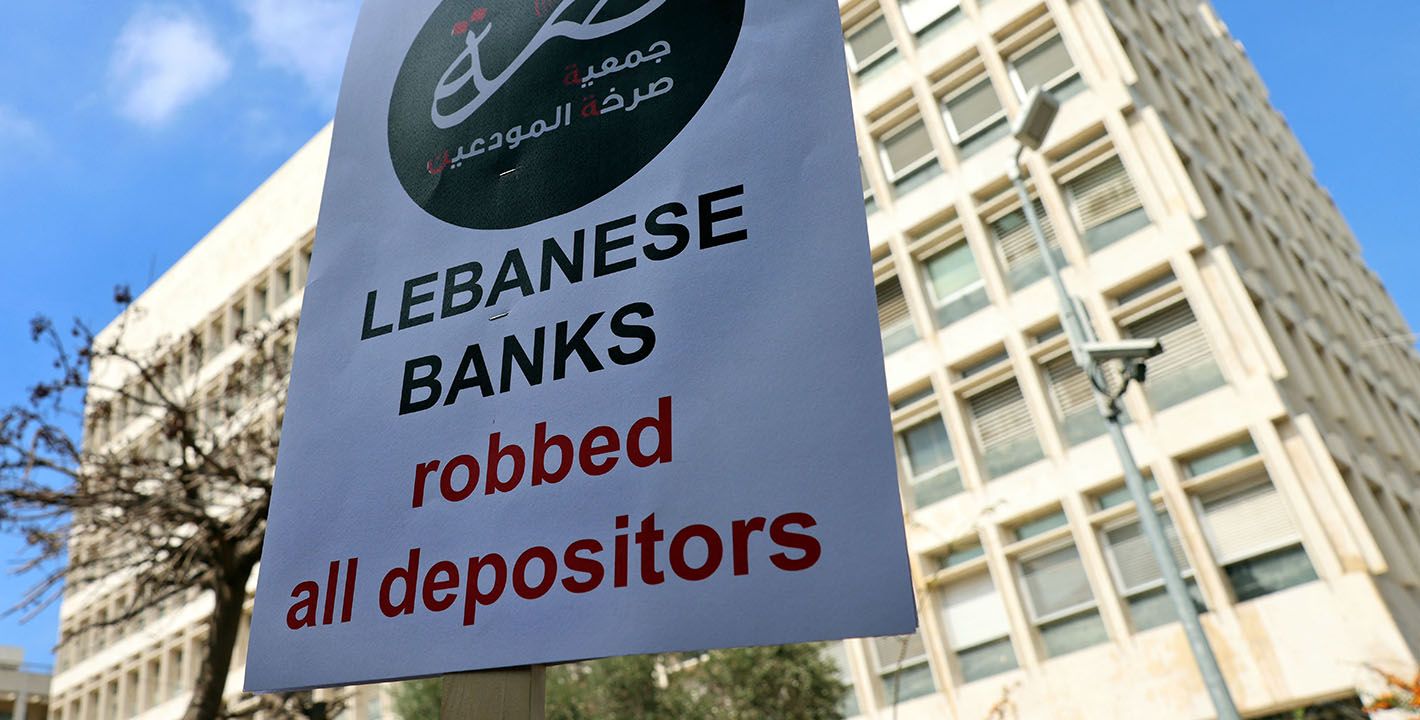
    Unpacking Lebanon’s Gap Law

    In an interview, Ishac Diwan looks at the merits and flaws in the draft legislation distributing losses from the financial collapse.

      Michael Young

  • Commentary
    Diwan
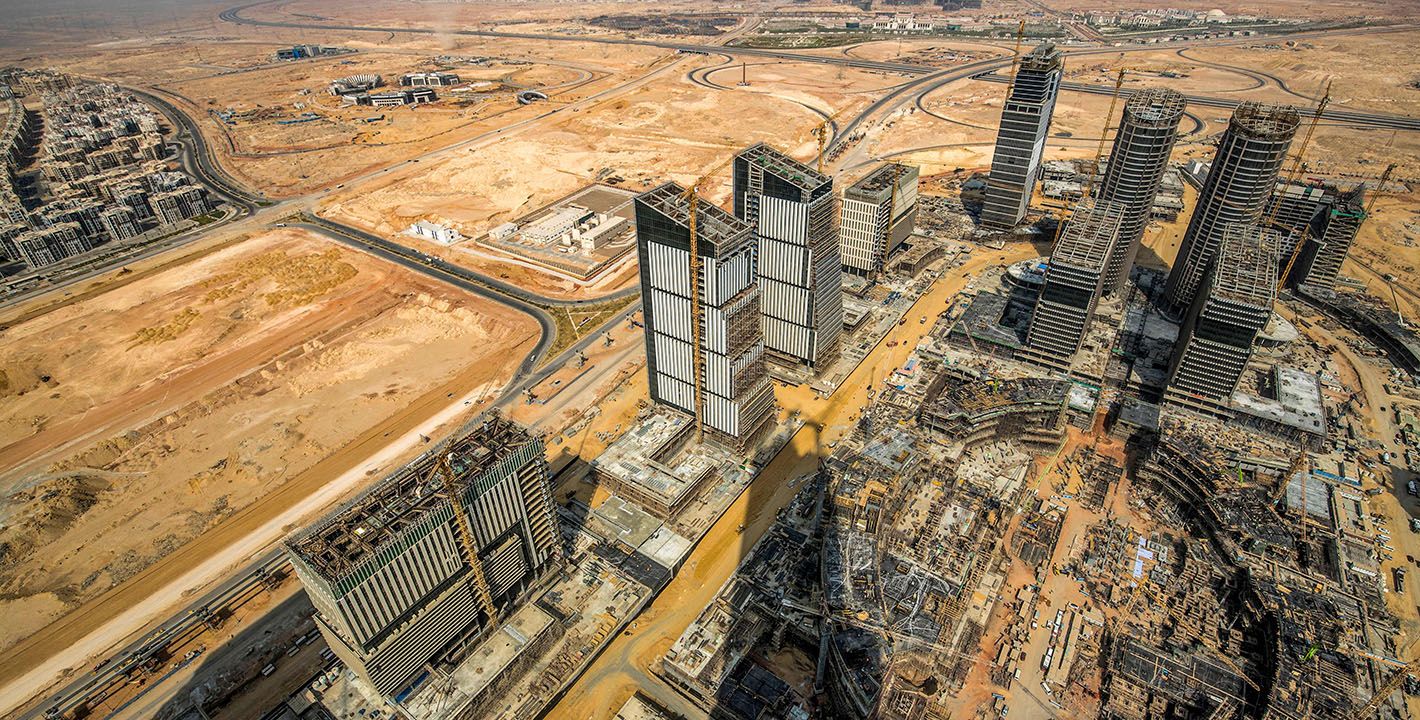
    Has Sisi Found a Competent Military Entrepreneur?

    Mustaqbal Misr has expanded its portfolio with remarkable speed, but a lack of transparency remains.

      Yezid Sayigh

  • Research
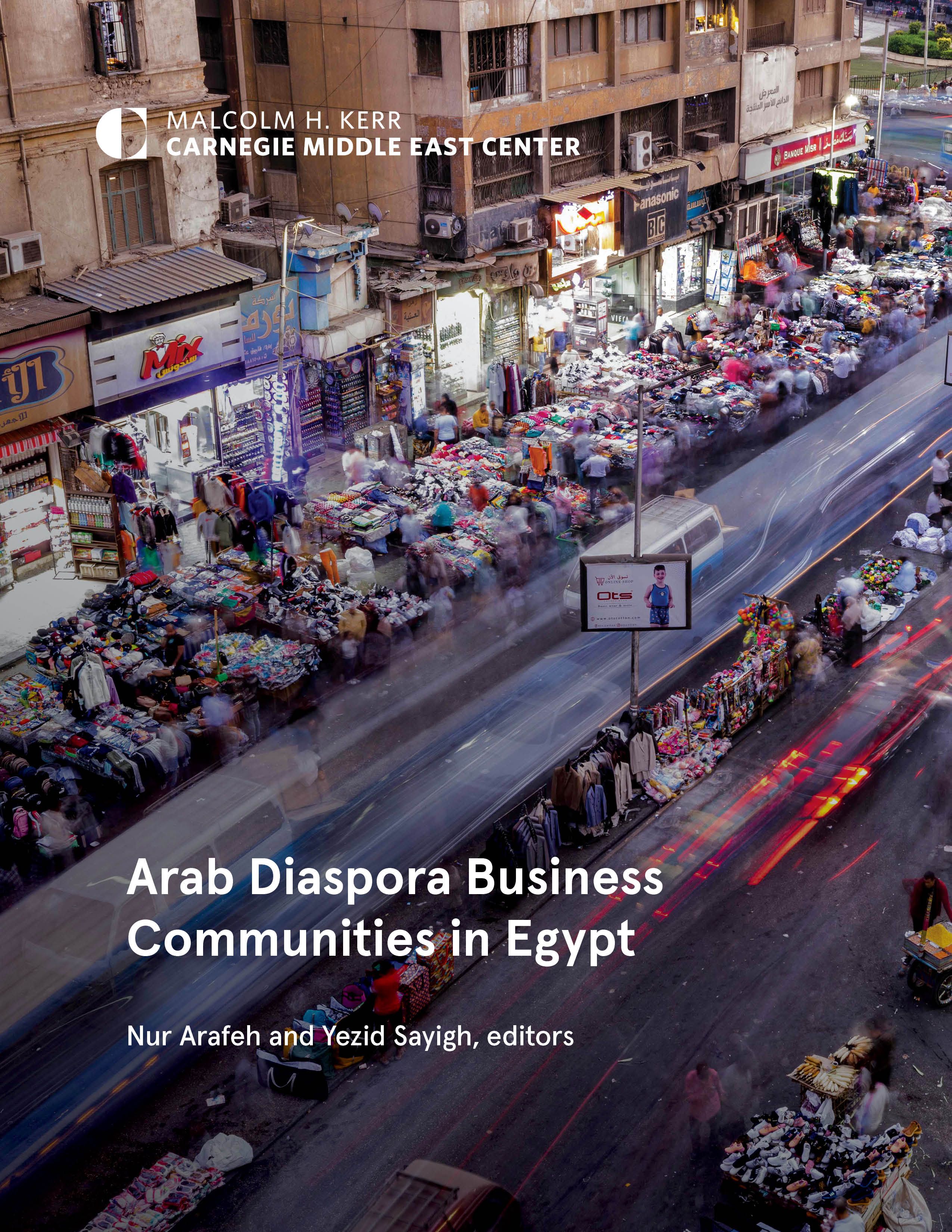
    Arab Diaspora Business Communities in Egypt

    Arab diaspora business communities in Egypt often mirror the same systemic challenges facing Egyptian businesses.

      • +4

      Nur Arafeh, Yezid Sayigh, Qaboul al-Absi, …

  • Article
    Saudi Arabia in Africa: Sound Economic and Geopolitical Strategy, or Resource Exploitation?

    Largely characterized thus far by a single-minded focus on extractivism, Riyadh must commit to greater equitability in its approach to investment and development deals with Sudan, Ethiopia, and Eritrea.

      Hesham Alghannam

  • A picture taken from a position at the Israeli border with the Gaza Strip shows the destruction due to Israeli bombardment in the besieged Palestinian territory on May 18, 2025
    Article
    Destruction, Disempowerment, and Dispossession: Disaster Capitalism and the Postwar Plans for Gaza

    Once Israel’s war in the territory is brought to an end, the foundational principles guiding reconstruction should be Palestinian self-determination, local agency, and sovereignty.

      Nur Arafeh, Mandy Turner

Get more news and analysis from
Malcolm H. Kerr Carnegie Middle East Center
Carnegie Middle East logo, white
  • Research
  • Diwan
  • About
  • Experts
  • Projects
  • Events
  • Contact
  • Careers
  • Privacy
  • For Media
Get more news and analysis from
Malcolm H. Kerr Carnegie Middle East Center
© 2026 Carnegie Endowment for International Peace. All rights reserved.