• Research
  • Diwan
  • About
  • Experts
Carnegie Middle East logoCarnegie lettermark logo
LebanonIran
{
  "authors": [
    "Shishir Priyadarshi"
  ],
  "type": "other",
  "centerAffiliationAll": "",
  "centers": [
    "Carnegie Endowment for International Peace"
  ],
  "collections": [],
  "englishNewsletterAll": "",
  "nonEnglishNewsletterAll": "",
  "primaryCenter": "Carnegie Endowment for International Peace",
  "programAffiliation": "",
  "programs": [],
  "projects": [],
  "regions": [],
  "topics": [
    "Economy",
    "Trade"
  ]
}
REQUIRED IMAGE

REQUIRED IMAGE

Other

Reforming Global Trade in Agriculture: A Developing-Country Perspective

More than seven years after the members of the World Trade Organization (WTO) signed the landmark Agreement on Agriculture (AOA), the benefits and drawbacks of that accord are coming into stark relief. A new agreement should give developing countries the flexibility to adopt domestic policies that are geared to enhance domestic production and protect the livelihoods of their rural poor.

Link Copied
By Shishir Priyadarshi
Published on Aug 23, 2002

Source: Carnegie

More than seven years after the members of the World Trade Organization (WTO) signed the landmark Agreement on Agriculture (AOA), the benefits and drawbacks of that accord are coming into stark relief. For developing countries dependent on agriculture exports, the AOA has not succeeded in opening markets in industrial countries. Even more crucially, the low-income and resource-poor farmers in the world’s poor and vulnerable countries continue to suffer from a lack of adequate and secure food sources, while having to contend with import surges and other forces of global competition.

The new round of agriculture negotiations, the mandate of which was further strengthened in the November 2001 Doha Ministerial Declaration, gives the WTO and its members a chance to rectify these imbalances. A new agreement should give developing countries the flexibility to adopt domestic policies that are geared to enhance domestic production and protect the livelihoods of their rural poor.

About the Author
Shishir Priyadarshi
is on the staff of the Development and Economic Research Division of the World Trade Organization in Geneva. He is responsible for the work of the WTO’S Committee on Trade and Development, including the mandated work arising out of the Doha Development Agenda on technology transfer and special and differential treatment. Until recently, he was on the staff of the South Centre, an intergovernmental organization of developing countries based in Geneva, where he was responsible for providing developing countries with analytical and technical assistance on issues being considered by the WTO.

About the Author

Shishir Priyadarshi

Shishir Priyadarshi
EconomyTrade

Carnegie does not take institutional positions on public policy issues; the views represented herein are those of the author(s) and do not necessarily reflect the views of Carnegie, its staff, or its trustees.

More Work from Malcolm H. Kerr Carnegie Middle East Center

  • Commentary
    Diwan
    Unpacking Lebanon’s Gap Law

    In an interview, Ishac Diwan looks at the merits and flaws in the draft legislation distributing losses from the financial collapse.

      Michael Young

  • Commentary
    Diwan
    Has Sisi Found a Competent Military Entrepreneur?

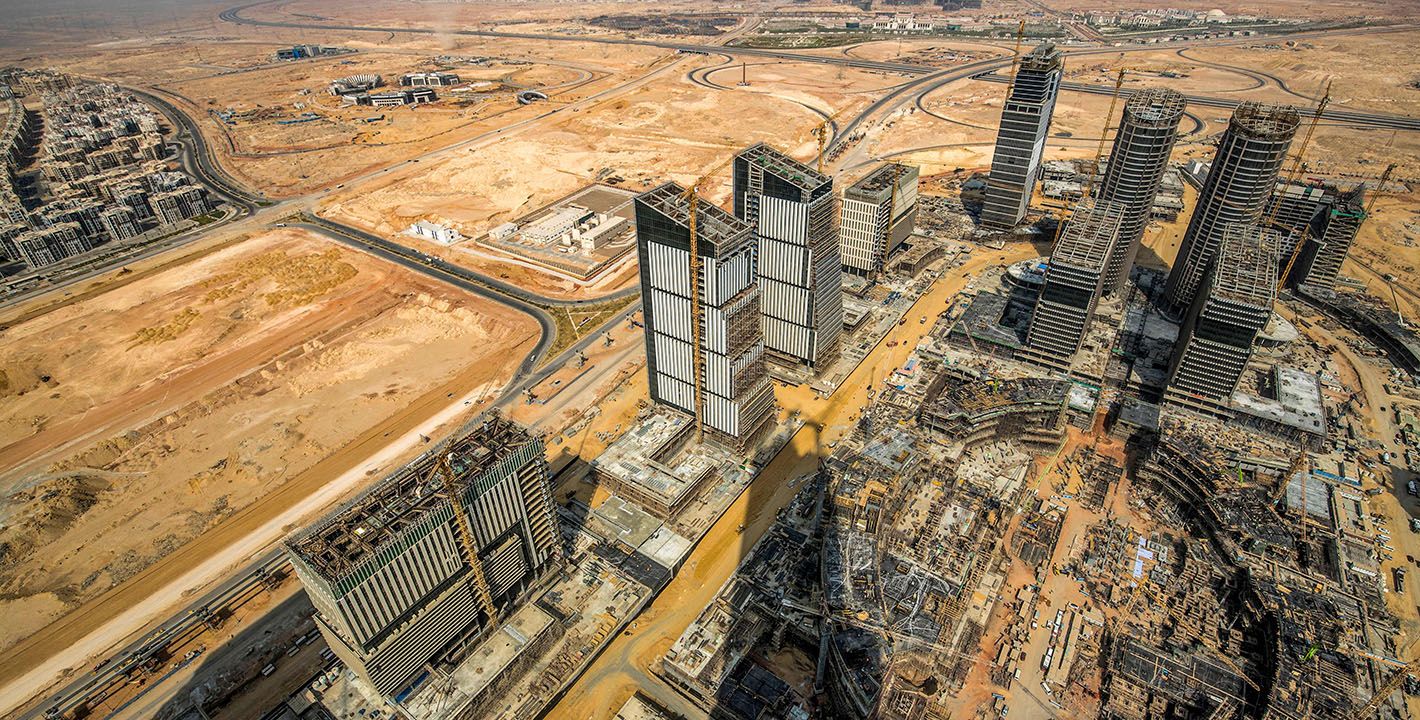
    Mustaqbal Misr has expanded its portfolio with remarkable speed, but a lack of transparency remains.

      Yezid Sayigh

  • Research
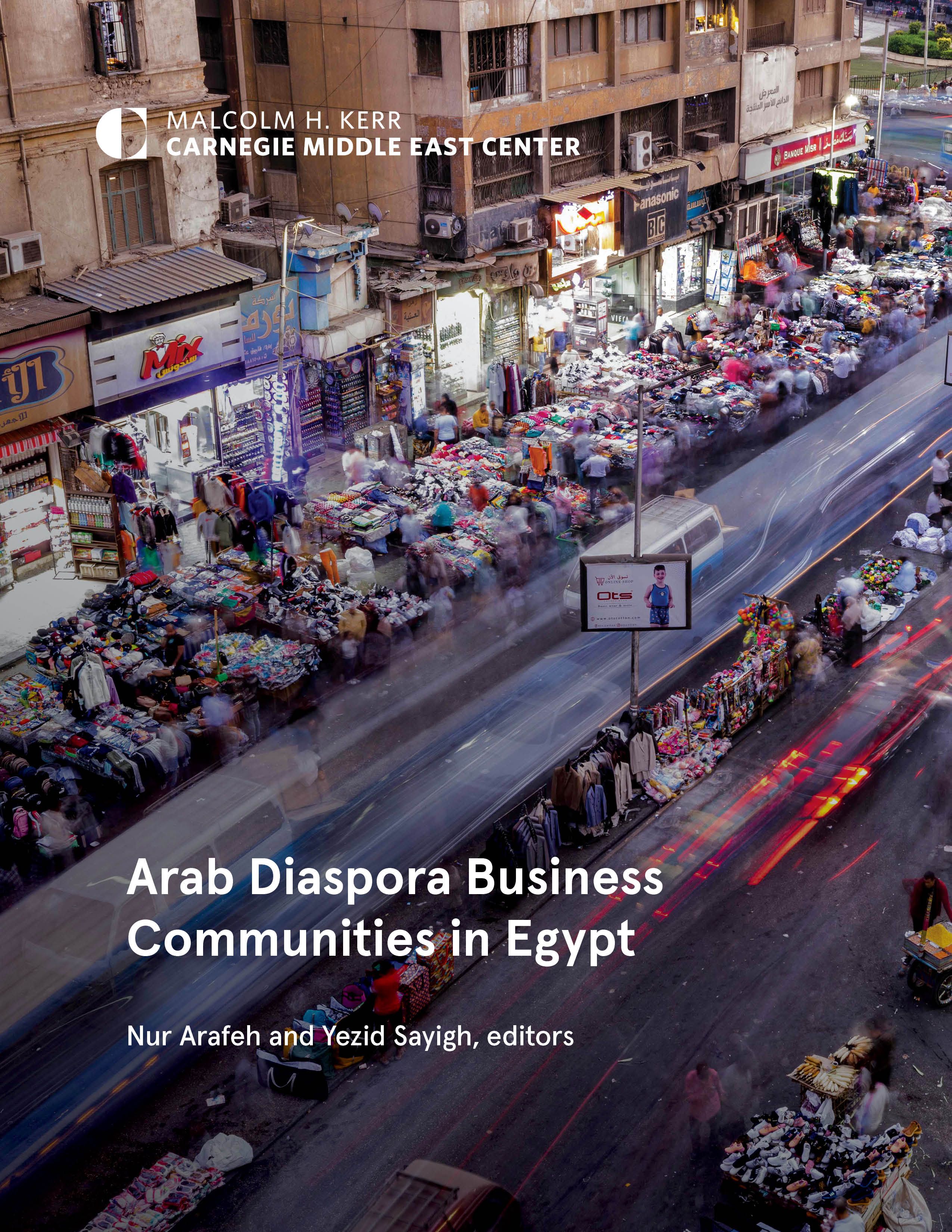
    Arab Diaspora Business Communities in Egypt

    Arab diaspora business communities in Egypt often mirror the same systemic challenges facing Egyptian businesses.

      • +4

      Nur Arafeh, Yezid Sayigh, Qaboul al-Absi, …

  • Article
    Saudi Arabia in Africa: Sound Economic and Geopolitical Strategy, or Resource Exploitation?

    Largely characterized thus far by a single-minded focus on extractivism, Riyadh must commit to greater equitability in its approach to investment and development deals with Sudan, Ethiopia, and Eritrea.

      Hesham Alghannam

  • A picture taken from a position at the Israeli border with the Gaza Strip shows the destruction due to Israeli bombardment in the besieged Palestinian territory on May 18, 2025
    Article
    Destruction, Disempowerment, and Dispossession: Disaster Capitalism and the Postwar Plans for Gaza

    Once Israel’s war in the territory is brought to an end, the foundational principles guiding reconstruction should be Palestinian self-determination, local agency, and sovereignty.

      Nur Arafeh, Mandy Turner

Get more news and analysis from
Malcolm H. Kerr Carnegie Middle East Center
Carnegie Middle East logo, white
  • Research
  • Diwan
  • About
  • Experts
  • Projects
  • Events
  • Contact
  • Careers
  • Privacy
  • For Media
Get more news and analysis from
Malcolm H. Kerr Carnegie Middle East Center
© 2026 Carnegie Endowment for International Peace. All rights reserved.