

Commentary
In an interview, Ishac Diwan looks at the merits and flaws in the draft legislation distributing losses from the financial collapse.
Michael Young
{
  "authors": [
    "Peter Eigen"
  ],
  "type": "other",
  "centerAffiliationAll": "",
  "centers": [
    "Carnegie Endowment for International Peace"
  ],
  "collections": [],
  "englishNewsletterAll": "",
  "nonEnglishNewsletterAll": "",
  "primaryCenter": "Carnegie Endowment for International Peace",
  "programAffiliation": "",
  "programs": [],
  "projects": [],
  "regions": [],
  "topics": [
    "Economy",
    "Trade"
  ]
}
REQUIRED IMAGE
The economic and social costs of corruption-induced market distortions are widely recognized. WTO members must make a commitment to fight cross-border corruption while building trust and collaboration between industrial and developing countries to achieve broader WTO institutional reform.
The economic and social costs of corruption-induced market distortions are widely recognized. In response, civil society groups, governments, and international institutions all are taking steps to put a stop to corruption's corrosive effects on development. As a necessary complement to these emerging anticorruption initiatives, the WTO must now join this effort and devise trade-focused mechanisms to prevent corruption. A key opportunity in this regard is the potential WTO agreement on transparency in government procurement. Resistance to its inclusion as part of the WTO Doha Ministerial was strongest from developing nations-precisely those countries that could realize the greatest benefits from anticorruption reform. Beyond this stalemate, WTO members must make a commitment to fight cross-border corruption while building trust and collaboration between industrial and developing countries to achieve broader WTO institutional reform.
Click on links above for full text of this TED Policy Brief in English and Spanish.
A limited number of print copies are available.
Request a copy.
About the Author
Peter Eigen is the founder and chairman of Transparency International, the leading nonprofit organization engaged in the fight against corruption. In 2001 he became a visiting scholar at the Carnegie Endowment and a professorial lecturer at the Nitze School of Advanced International Studies of John Hopkins University.
The Trade, Equity, and Development (TED) Series is part of an effort by Carnegie's Trade, Equity, and Development Project to broaden the debate surrounding trade liberalization to include perspectives not normally present in the Washington policy community.
Also in the TED series:
Environment's New Role in U.S. Trade Policy, John Audley
Reforming Global Trade in Agriculture: A Developing-Country Perspective, Shishir Priyadarshi
Doha: Is It Really a Development Round?, Kamal Malhotra
Former Visiting Scholar
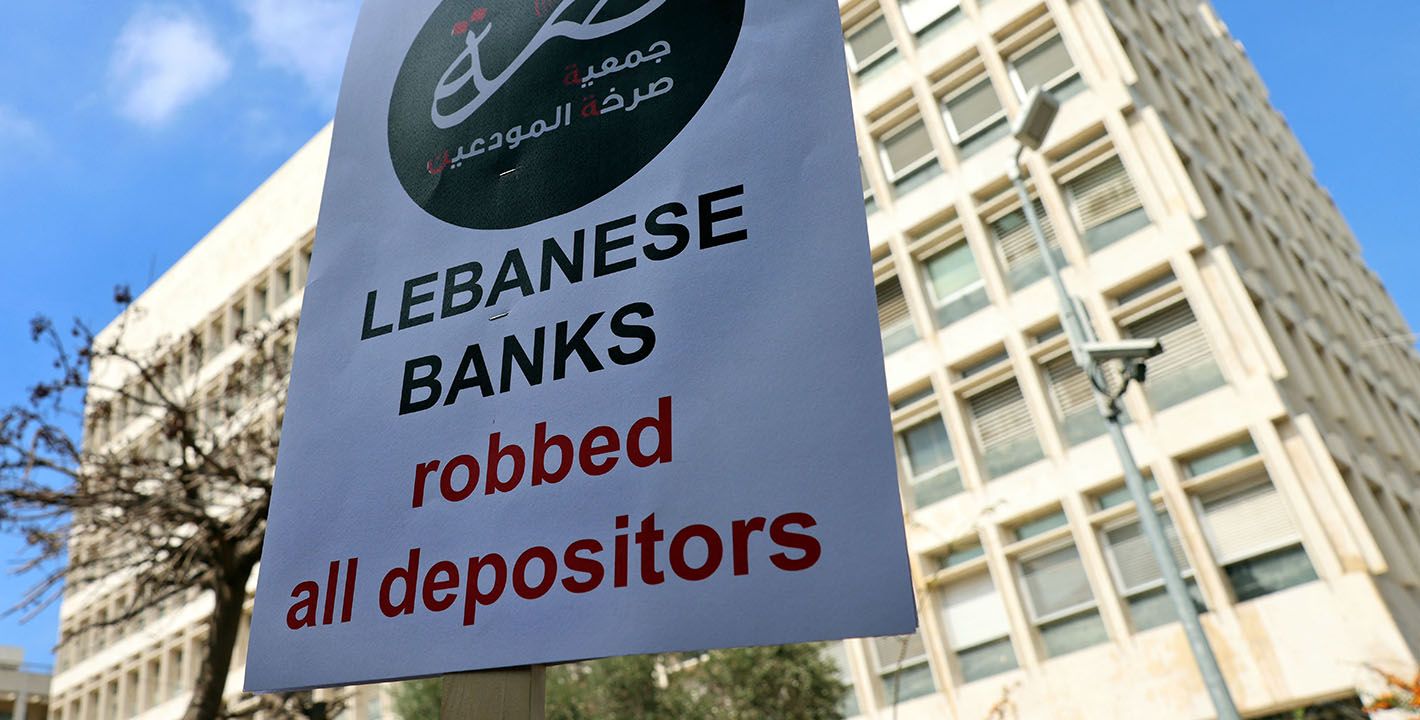
In an interview, Ishac Diwan looks at the merits and flaws in the draft legislation distributing losses from the financial collapse.

Michael Young
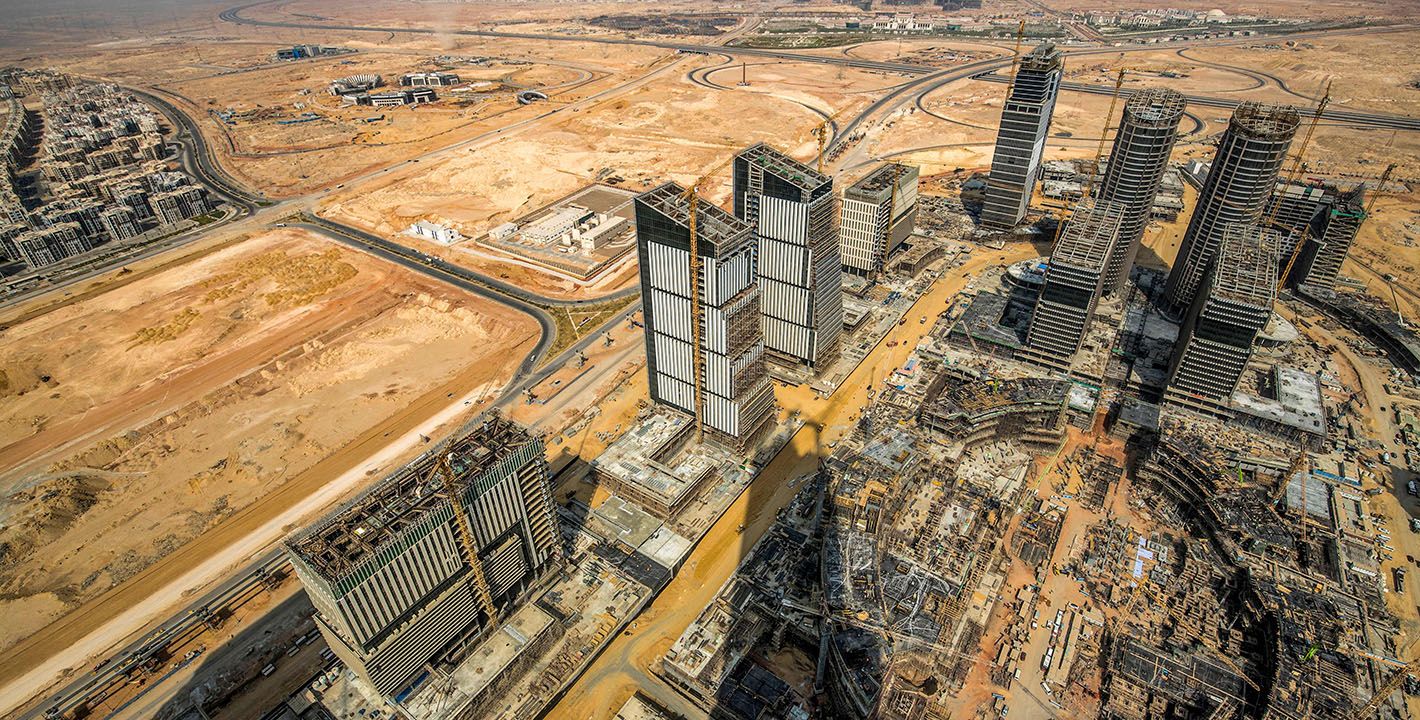
Mustaqbal Misr has expanded its portfolio with remarkable speed, but a lack of transparency remains.

Yezid Sayigh
Arab diaspora business communities in Egypt often mirror the same systemic challenges facing Egyptian businesses.
Nur Arafeh, Yezid Sayigh, Qaboul al-Absi, …

Largely characterized thus far by a single-minded focus on extractivism, Riyadh must commit to greater equitability in its approach to investment and development deals with Sudan, Ethiopia, and Eritrea.

Hesham Alghannam
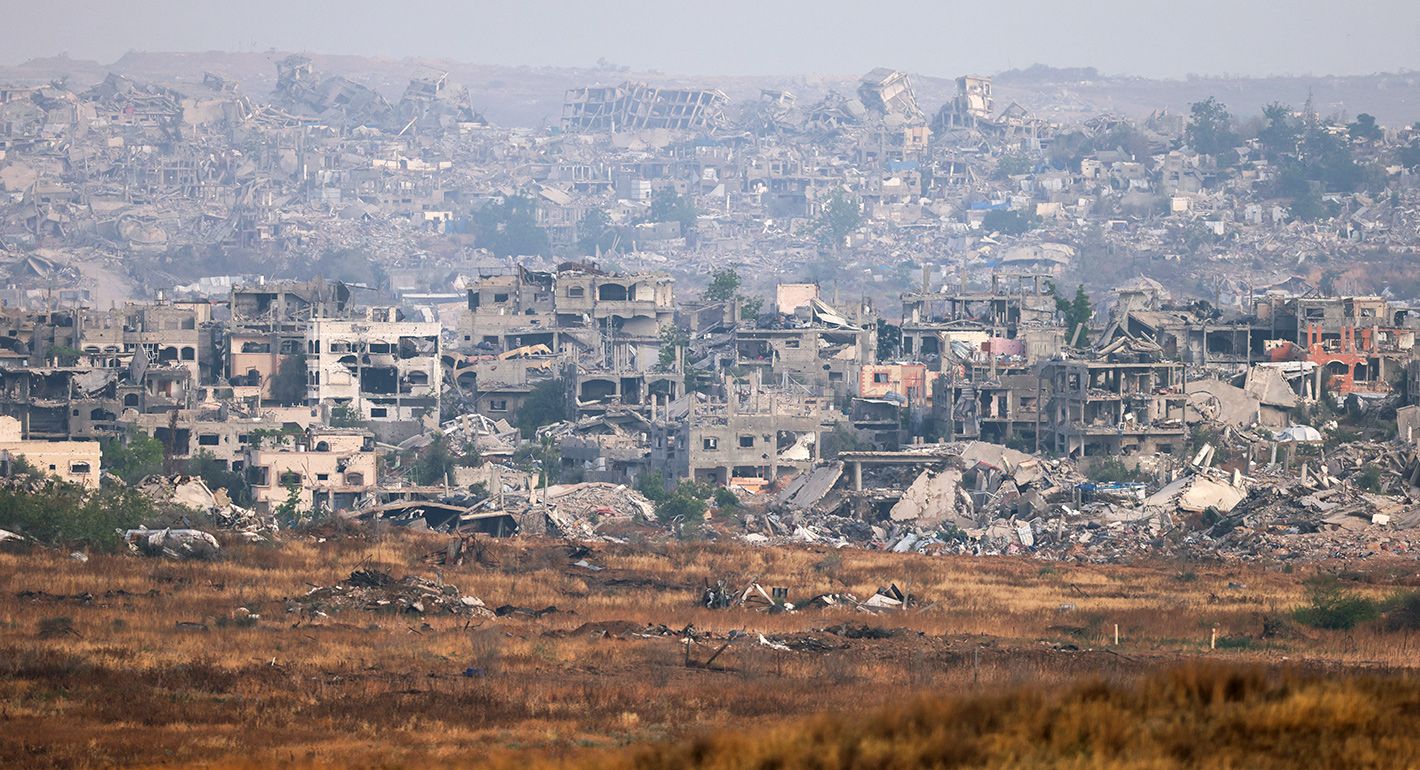
Once Israel’s war in the territory is brought to an end, the foundational principles guiding reconstruction should be Palestinian self-determination, local agency, and sovereignty.
Nur Arafeh, Mandy Turner