

Q&A
- +2
Judy Dempsey, Alexander Gabuev, Rose Gottemoeller, …
{
  "authors": [
    "Rose Gottemoeller"
  ],
  "type": "other",
  "centerAffiliationAll": "dc",
  "centers": [
    "Carnegie Endowment for International Peace"
  ],
  "collections": [],
  "englishNewsletterAll": "ctw",
  "nonEnglishNewsletterAll": "",
  "primaryCenter": "Carnegie Endowment for International Peace",
  "programAffiliation": "NPP",
  "programs": [
    "Nuclear Policy"
  ],
  "projects": [],
  "regions": [],
  "topics": [
    "Nuclear Policy"
  ]
}
REQUIRED IMAGE
Nuclear arms control is often considered not worth the effort now that the Cold War is over. But the nuclear threat is anything but over. Several thousand strategic nuclear weapons remain on hair-trigger alert in U.S. and Russian arsenals; many more are insecurely stored. Moscow and Washington must pursue innovative reduction efforts.
Nuclear arms control is often considered not worth the effort now that the Cold War is over. But the nuclear threat is anything but over. Several thousand strategic nuclear weapons remain on hair-trigger alert in U.S. and Russian arsenals. Many more are insecurely stored. Though the arms control problem needs to be faced by both countries, neither one has the stomach for another Cold War-style, 500-page treaty like START I. The new model is the 2002 Moscow Treaty-a simple, 3-page commitment to reduction. Such short treaties now make sense because both countries have many ways to know what is going on inside each other's nuclear arsenal. START I is still very important, but it is no longer the only tool in the box. Today, Washington and Moscow can relegate such cumbersome negotiated treaties to a few essential fronts and pursue exciting, innovative reduction efforts involving scientific and technical cooperation.
Click on link above for full text of this Policy Brief.
A limited number of print copies will be available.
Request a copy
About the Author
Rose Gottemoeller is senior associate in the Endowment's Russian and Eurasian Program. Before joining the Endowment, she served in the U.S. Department of Energy in several positions, most recently as deputy undersecretary for defense nuclear non-proliferation. She is the author of Enhancing Nuclear Security in the Counter-Terrorism Struggle: India and Pakistan as a New Region for Cooperation (Carnegie Endowment Working Paper No. 29).

Nonresident Senior Fellow, Nuclear Policy Program
Rose Gottemoeller is a nonresident senior fellow in Carnegie’s Nuclear Policy Program. She also serves as lecturer at Stanford University’s Freeman Spogli Institute for International Studies and is a research fellow at the Hoover Institution. Ambassador Gottemoeller served as the deputy secretary general of NATO from 2016 to 2019.
Recent Work


Judy Dempsey, Alexander Gabuev, Rose Gottemoeller, …
Carnegie does not take institutional positions on public policy issues; the views represented herein are those of the author(s) and do not necessarily reflect the views of Carnegie, its staff, or its trustees.
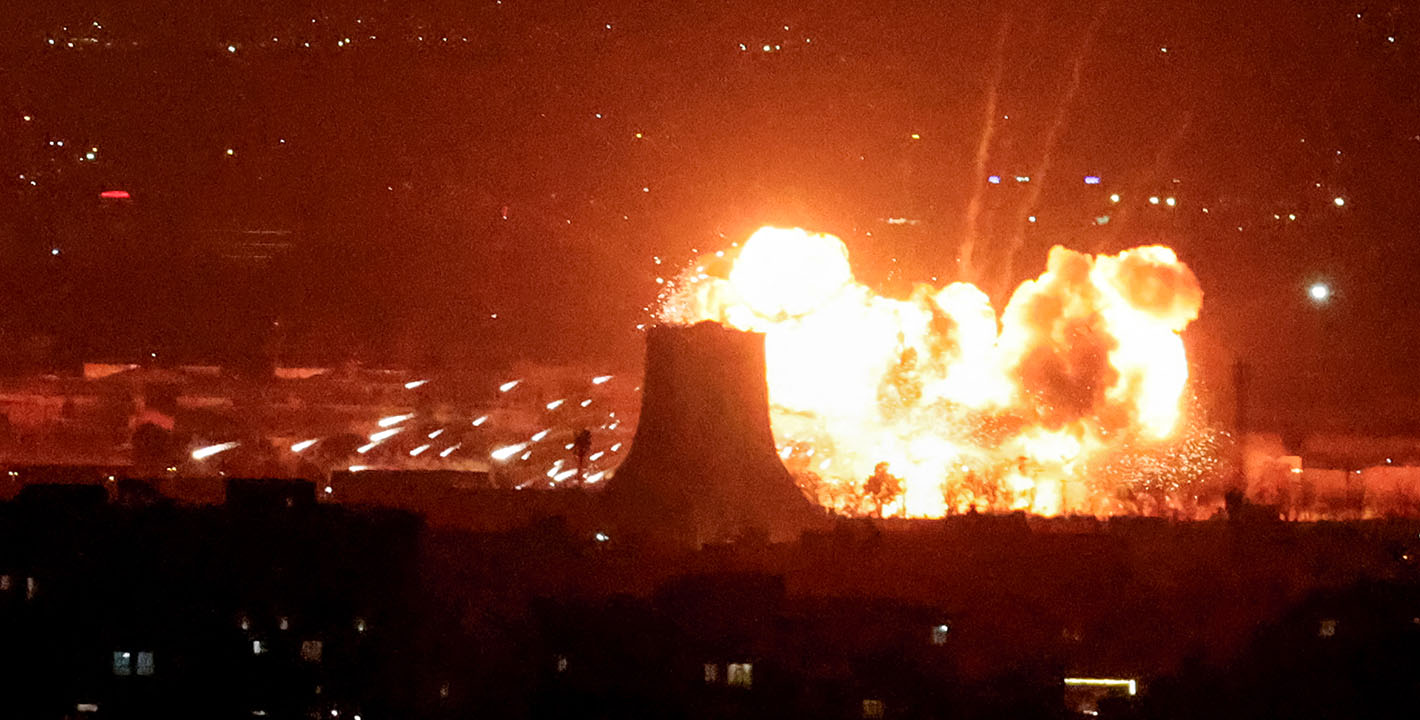
In an interview, Marc Lynch discusses his new book decrying the post-1990 U.S.-dominated order in the Middle East.

Michael Young
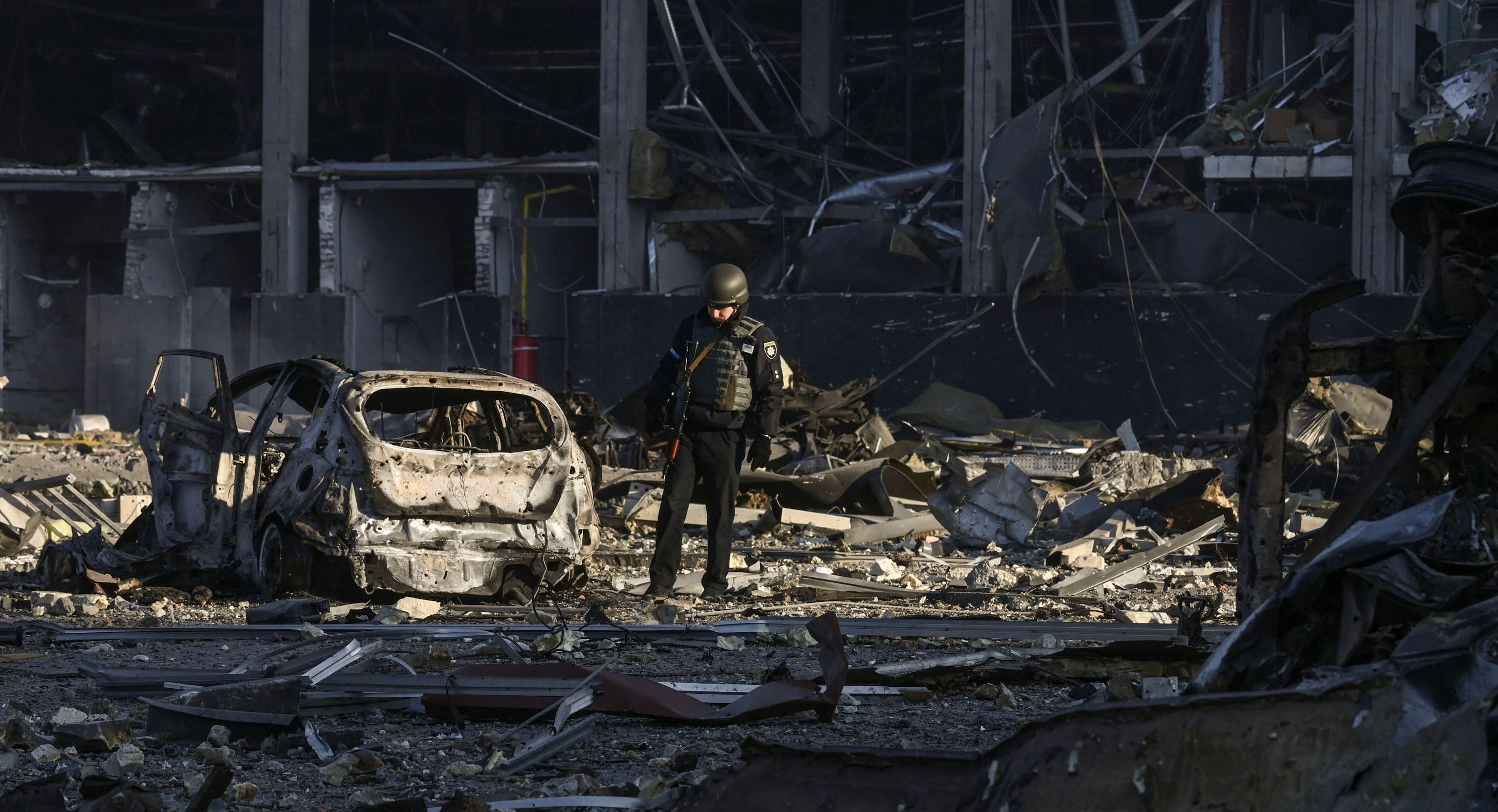
Both events also could force Washington to rethink or revive its Middle East partnerships.

Karim Sadjadpour
Disagreement between the United States and Iran over a revived nuclear accord may anchor volatile competition.

George Perkovich
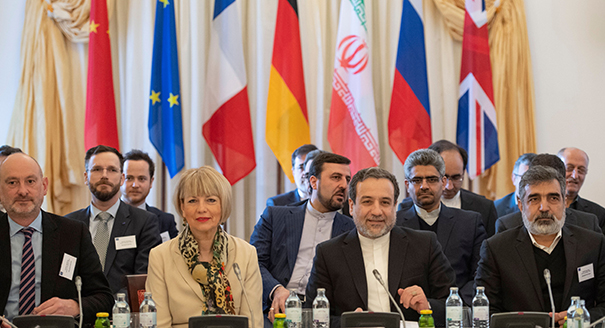
A regular survey of experts on matters relating to Middle Eastern and North African politics and security.
Michael Young
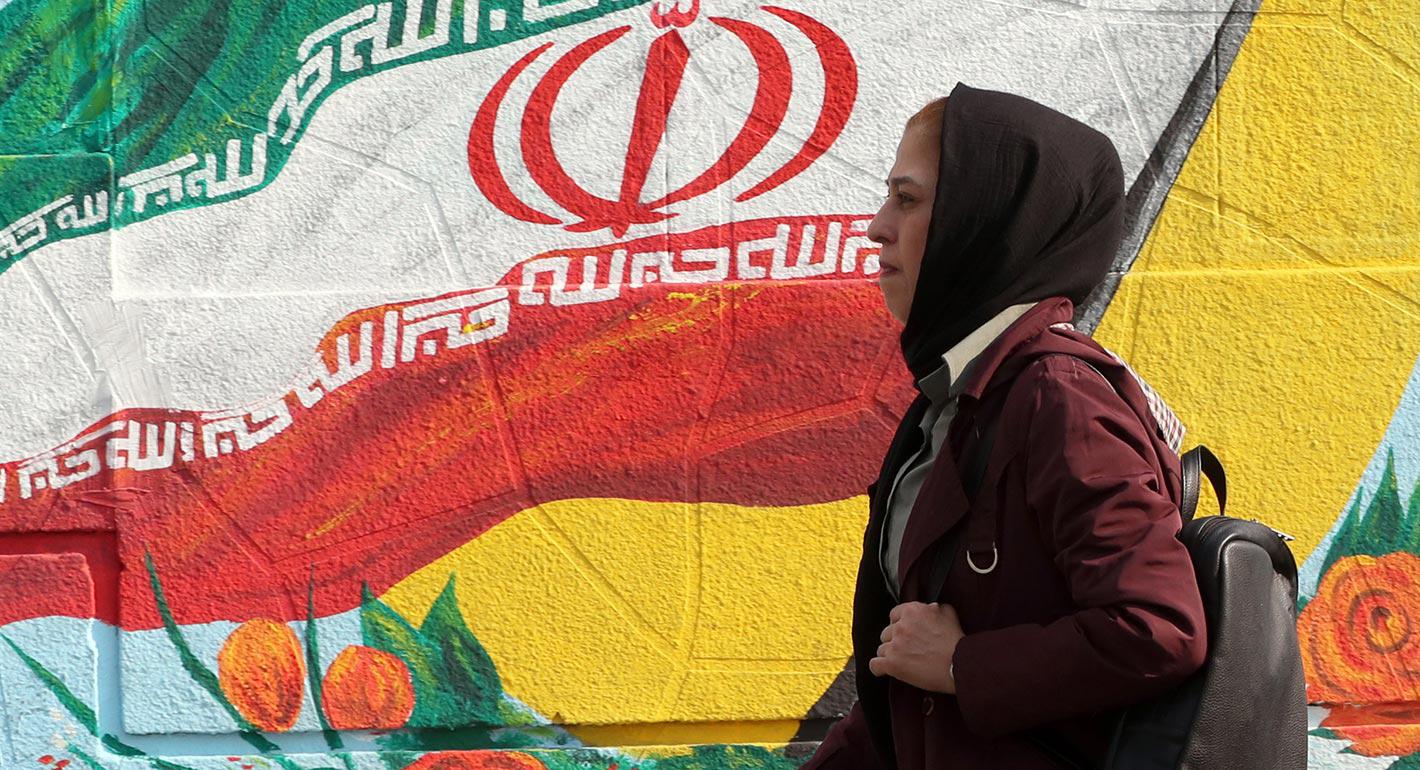
The British, French, and German foreign ministers have formally accused Iran of breaking the terms of the 2015 Iran nuclear deal, a step that could lead to sanctions. Are the Europeans preparing to pull the plug?
Jarrett Blanc