• Research
  • Diwan
  • About
  • Experts
Carnegie Middle East logoCarnegie lettermark logo
LebanonIran
{
  "authors": [
    "Eugenio Diaz-Bonilla",
    "Rashid S. Kaukab"
  ],
  "type": "other",
  "centerAffiliationAll": "",
  "centers": [
    "Carnegie Endowment for International Peace"
  ],
  "collections": [],
  "englishNewsletterAll": "",
  "nonEnglishNewsletterAll": "",
  "primaryCenter": "Carnegie Endowment for International Peace",
  "programAffiliation": "",
  "programs": [],
  "projects": [],
  "regions": [],
  "topics": [
    "Economy",
    "Trade"
  ]
}
REQUIRED IMAGE

REQUIRED IMAGE

Other

Liberalizing Agricultural Trade and Developing Countries

Link Copied
By Eugenio Diaz-Bonilla and Rashid S. Kaukab
Published on Mar 3, 2003

Source: Carnegie

A diverse group of development and trade liberalization advocates agree that reduction of agricultural protection and subsidization in the world's wealthy countries is necessary to strengthen both international growth opportunities and the global trade regime. According to the consensus reached among participants attending a conference cosponsored by the Carnegie Endowment for International Peace and the Cordell Hull Institute, WTO Doha Round negotiations on agriculture should compel policy change in industrialized countries to limit trade-distorting domestic subsidies for agricultural products, lower tariffs, increase market access, and eliminate export subsidies. In response to temporary hardships caused by an overall reduction in agriculture support, governments should have the flexibility to adopt temporary or limited domestic, and perhaps international, compensatory policies. Significant differences in perspective and policy prescriptions were expressed by conference participants about the appropriate speed and scope of agricultural liberalization in developing countries, especially if progress is not made toward reduced support for agriculture in developed countries.

Click on link above for full text of this TED Policy Brief.

About the Authors
David Orden is Professor of Agricultural and Applied Economics at Virginia Polytechnic Institute and State University in Blacksburg, Virginia. Rashid S. Kaukab is Director of the Trade Unit at the South Centre in Geneva, Switzerland. Eugenio Diaz-Bonilla is Senior Research Fellow at the International Food Policy Research Institute in Washington, D.C.

About the Authors

Eugenio Diaz-Bonilla

Rashid S. Kaukab

Authors

Eugenio Diaz-Bonilla
Rashid S. Kaukab
EconomyTrade

Carnegie does not take institutional positions on public policy issues; the views represented herein are those of the author(s) and do not necessarily reflect the views of Carnegie, its staff, or its trustees.

More Work from Malcolm H. Kerr Carnegie Middle East Center

  • Commentary
    Diwan
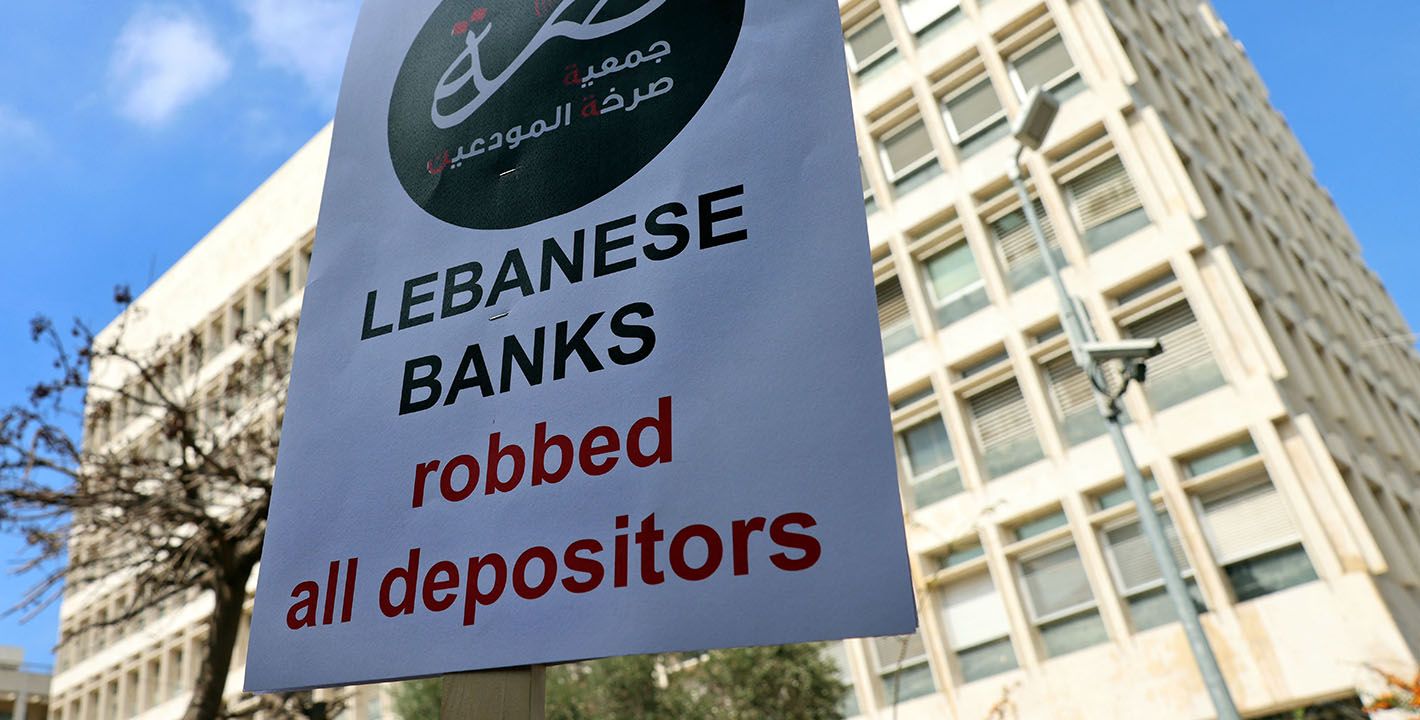
    Unpacking Lebanon’s Gap Law

    In an interview, Ishac Diwan looks at the merits and flaws in the draft legislation distributing losses from the financial collapse.

      Michael Young

  • Commentary
    Diwan
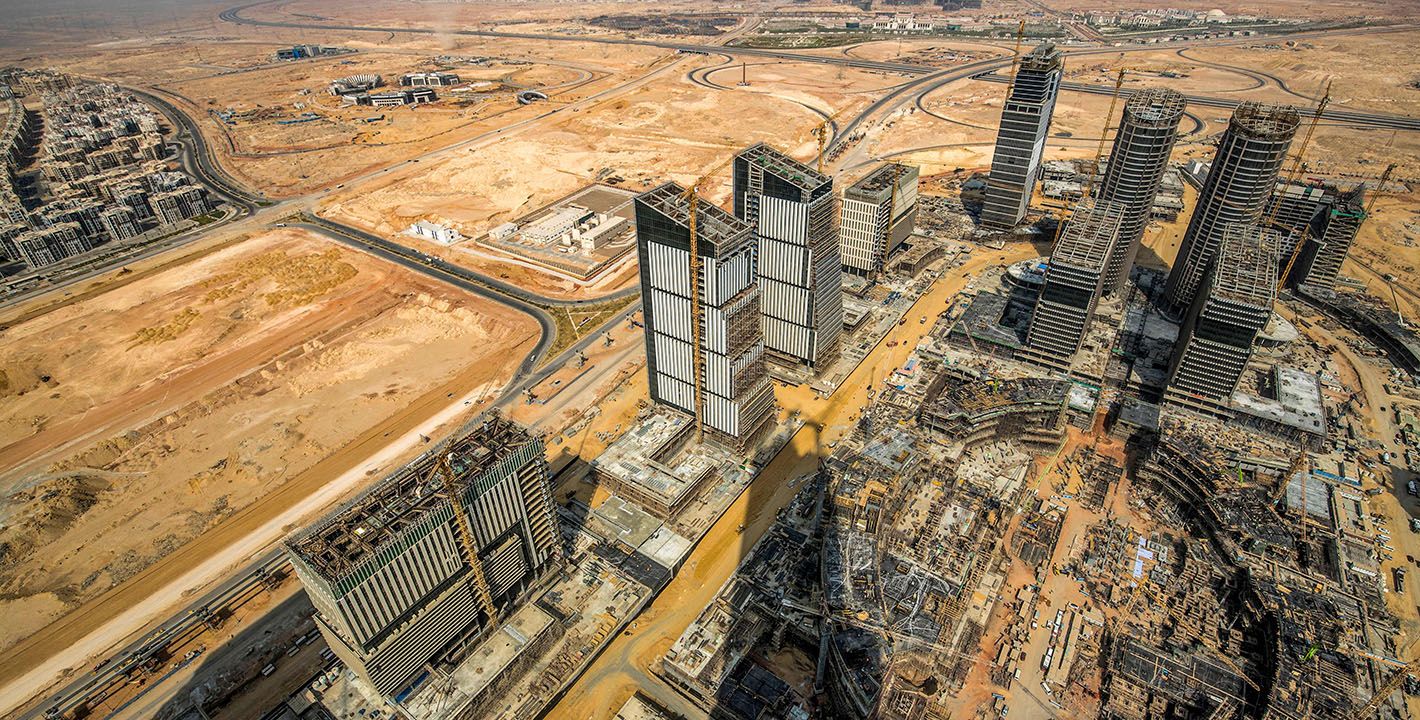
    Has Sisi Found a Competent Military Entrepreneur?

    Mustaqbal Misr has expanded its portfolio with remarkable speed, but a lack of transparency remains.

      Yezid Sayigh

  • Research
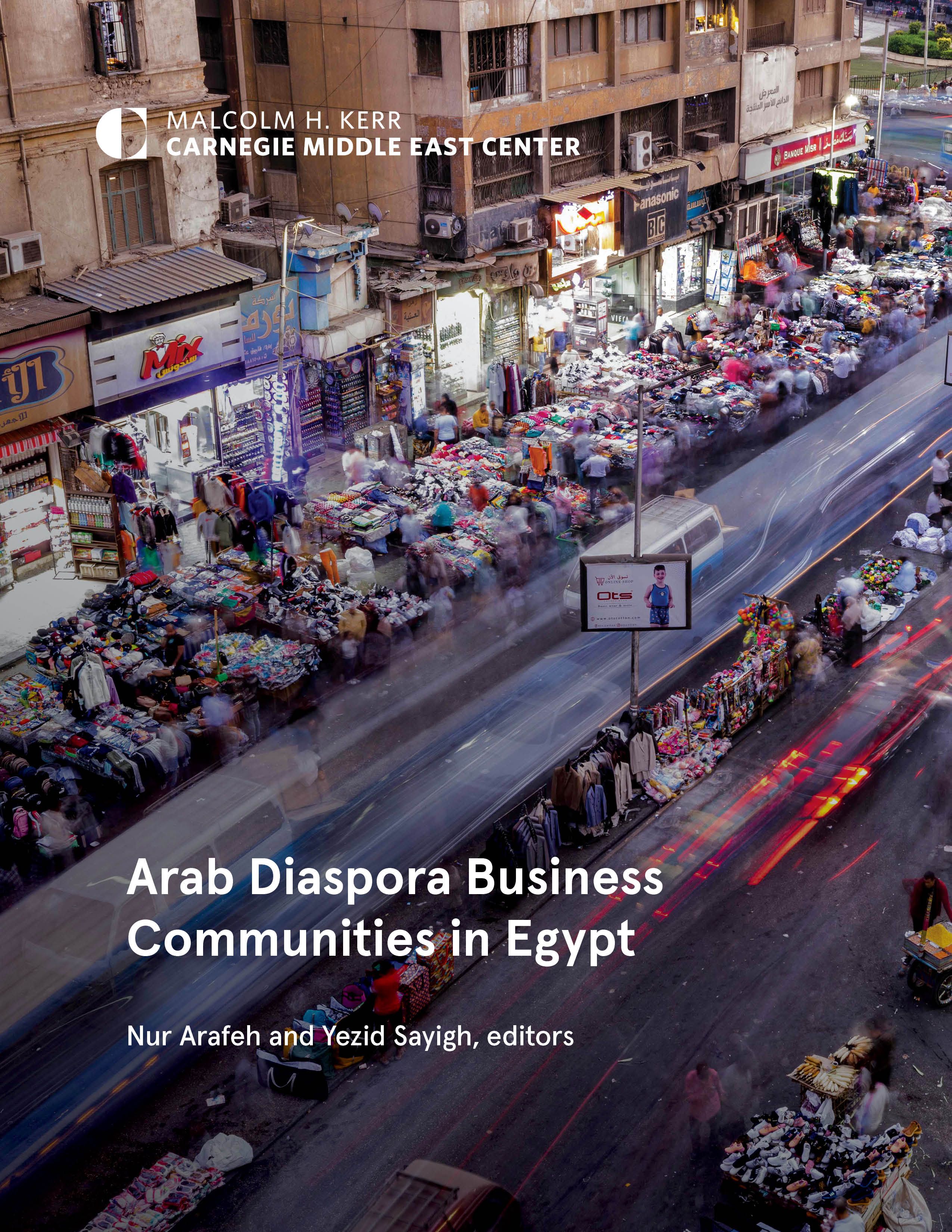
    Arab Diaspora Business Communities in Egypt

    Arab diaspora business communities in Egypt often mirror the same systemic challenges facing Egyptian businesses.

      • +4

      Nur Arafeh, Yezid Sayigh, Qaboul al-Absi, …

  • Article
    Saudi Arabia in Africa: Sound Economic and Geopolitical Strategy, or Resource Exploitation?

    Largely characterized thus far by a single-minded focus on extractivism, Riyadh must commit to greater equitability in its approach to investment and development deals with Sudan, Ethiopia, and Eritrea.

      Hesham Alghannam

  • A picture taken from a position at the Israeli border with the Gaza Strip shows the destruction due to Israeli bombardment in the besieged Palestinian territory on May 18, 2025
    Article
    Destruction, Disempowerment, and Dispossession: Disaster Capitalism and the Postwar Plans for Gaza

    Once Israel’s war in the territory is brought to an end, the foundational principles guiding reconstruction should be Palestinian self-determination, local agency, and sovereignty.

      Nur Arafeh, Mandy Turner

Get more news and analysis from
Malcolm H. Kerr Carnegie Middle East Center
Carnegie Middle East logo, white
  • Research
  • Diwan
  • About
  • Experts
  • Projects
  • Events
  • Contact
  • Careers
  • Privacy
  • For Media
Get more news and analysis from
Malcolm H. Kerr Carnegie Middle East Center
© 2026 Carnegie Endowment for International Peace. All rights reserved.