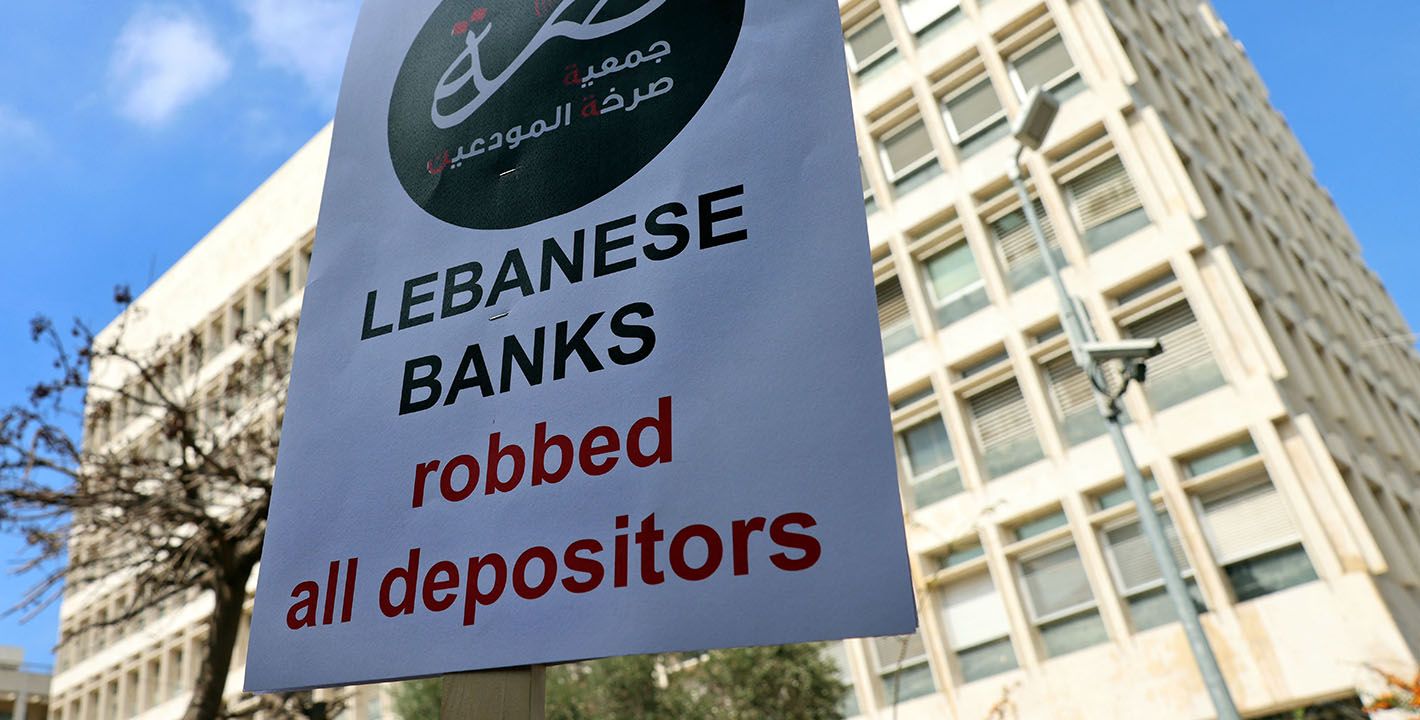

In an interview, Ishac Diwan looks at the merits and flaws in the draft legislation distributing losses from the financial collapse.
Michael Young
{
"authors": [
"John Audley",
"George Perkovich",
"Sandra Polaski",
"Scott Vaughan"
],
"type": "other",
"centerAffiliationAll": "",
"centers": [
"Carnegie Endowment for International Peace"
],
"collections": [],
"englishNewsletterAll": "",
"nonEnglishNewsletterAll": "",
"primaryCenter": "Carnegie Endowment for International Peace",
"programAffiliation": "",
"programs": [],
"projects": [],
"regions": [],
"topics": [
"Economy",
"Trade"
]
}REQUIRED IMAGE
WTO negotiators will meet in Cancun, Mexico, in September amid competing claims regarding what steps are necessary to make trade serve development goals. The authors outline the policies that governments and international institutions will need to avoid a debacle at Cancun and to assist developing countries in achieving long-lasting growth.
Following the riotous 1999 meeting in Seattle, and a near failure in Doha in 2001, the World Trade Organization dedicated the current round of trade liberalization talks to "development." Negotiators will meet in Cancun, Mexico, in September amid competing claims regarding what steps are necessary to make trade serve development goals. The catch phrases of international trade—"comparative advantage," "the development round," "trade not aid," and "level playing field"—hide tough choices for both developing and developed country governments. Getting trade rules right is not sufficient for development, but getting them wrong can cripple it. The authors outline the policies that governments and international institutions will need to avoid a debacle at Cancun and to assist developing countries in achieving long-lasting growth.
A limited number of print copies are available.
Request a copy
About the Authors
John Audley is senior associate at the Carnegie Endowment, where he directs the Trade, Equity, and Development Project.
George Perkovich is vice president for studies at the Carnegie Endowment.
Sandra Polaski is senior associate in the Trade, Equity, and Development Project and Scott Vaughan is a visiting scholar with the Project.
Former Senior Associate
Japan Chair for a World Without Nuclear Weapons, Senior Fellow
George Perkovich is the Japan Chair for a World Without Nuclear Weapons and a senior fellow in the Carnegie Endowment for International Peace’s Nuclear Policy Program. He works primarily on nuclear deterrence, nonproliferation, and disarmament issues, and is leading a study on nuclear signaling in the 21st century.
Former Senior Associate, Director, Trade, Equity and Development Program
Until April 2002, Polaski served as the U.S. Secretary of State’s Special Representative for International Labor Affairs, the senior State Department official dealing with such matters.
Former Visiting Scholar
In an interview, Ishac Diwan looks at the merits and flaws in the draft legislation distributing losses from the financial collapse.
Michael Young
Mustaqbal Misr has expanded its portfolio with remarkable speed, but a lack of transparency remains.
Yezid Sayigh
Arab diaspora business communities in Egypt often mirror the same systemic challenges facing Egyptian businesses.
Nur Arafeh, Yezid Sayigh, Qaboul al-Absi, …
Largely characterized thus far by a single-minded focus on extractivism, Riyadh must commit to greater equitability in its approach to investment and development deals with Sudan, Ethiopia, and Eritrea.
Hesham Alghannam
Once Israel’s war in the territory is brought to an end, the foundational principles guiding reconstruction should be Palestinian self-determination, local agency, and sovereignty.
Nur Arafeh, Mandy Turner