

Report
- +4
Ms. Sandra Polaski, Joaquim Bento de Souza Ferreir, Janine Berg, …
{
  "authors": [
    "Sandra Polaski"
  ],
  "type": "other",
  "centerAffiliationAll": "",
  "centers": [
    "Carnegie Endowment for International Peace"
  ],
  "collections": [],
  "englishNewsletterAll": "",
  "nonEnglishNewsletterAll": "",
  "primaryCenter": "Carnegie Endowment for International Peace",
  "programAffiliation": "",
  "programs": [],
  "projects": [],
  "regions": [],
  "topics": [
    "Economy",
    "Trade"
  ]
}
REQUIRED IMAGE
The WTO needs clear-sighted leadership, acknowledgment of global job anxiety, and a commitment to address the needs of the growing number of developing nations in the organization.
Source: Carnegie Endowment
The suspension of Doha Round in late July caused global concern that the international trade talks will permanently collapse. However, in a new Policy Outlook, The Future of the WTO, the Carnegie Endowment’s Sandra Polaski argues that such fears are unfounded. In fact, the collapse of the talks provides a much-needed opportunity to rethink the negotiations and resume them on a better tack. The Policy Outlook analyzes the causes of the recent failure and the political climate. It identifies key objectives that must be addressed when talks resume.
Polaski, director of the Carnegie Endowment’s Trade, Equity, and Development Project, argues that although the immediate cause of the collapse was disagreement on agricultural trade between the U.S. and the EU, other problematic issues would have halted the talks as they continued. The main issue facing the Doha Round—which has not yet been confronted—is global employment. Until a trade deal is found that allows countries to manage the job destruction that trade expansion will cause while presenting better prospects for strong job creation, there will be no agreement on a new trade regime.
The suspension of talks is causing undue alarm, Polaski argues. The current round of trade negotiations has been underway for only four and a half years; it took nearly twice that time for the previous round of talks to conclude. There is plenty of room for world trade to expand under the existing rules. The only sense of crisis comes from setting unrealistic deadlines that the WTO is unable to reach, creating a false sense of failure. Polaski argues that what the WTO needs most now is clear-sighted leadership, acknowledgement of global job anxiety, and a commitment to address the needs of the growing number of developing nations in the WTO.
About the Author
Sandra Polaski is senior associate and director of the Trade, Equity, and Development Project at the Carnegie Endowment. She served as the U.S. Secretary of State’s special representative for international labor affairs from 1999–2002. She has written extensively on trade, development and employment.
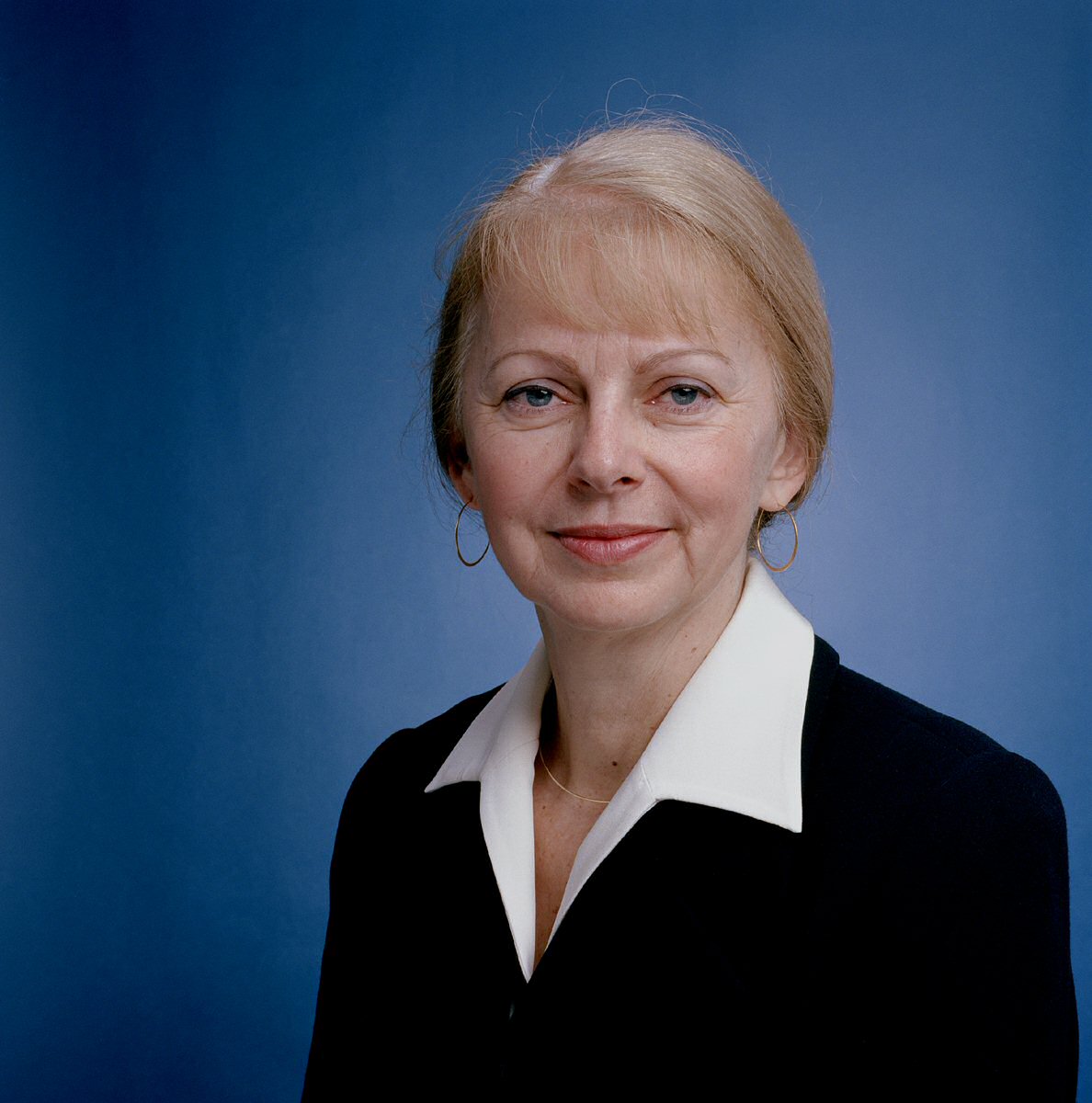
Former Senior Associate, Director, Trade, Equity and Development Program
Until April 2002, Polaski served as the U.S. Secretary of State’s Special Representative for International Labor Affairs, the senior State Department official dealing with such matters.
Recent Work
Ms. Sandra Polaski, Joaquim Bento de Souza Ferreir, Janine Berg, …
Ms. Sandra Polaski

The armed forces champion a form of capitalism that is generating revenue, but its reliance on rent faces diminishing returns, leaving the country with massive sunk costs and deferred returns, deepening dependency on external borrowing.

Yezid Sayigh

Morocco and Algeria, each in its own way, are having to navigate the global economic fallout of the U.S.-Israeli military campaign against Iran.

Yasmine Zarhloule
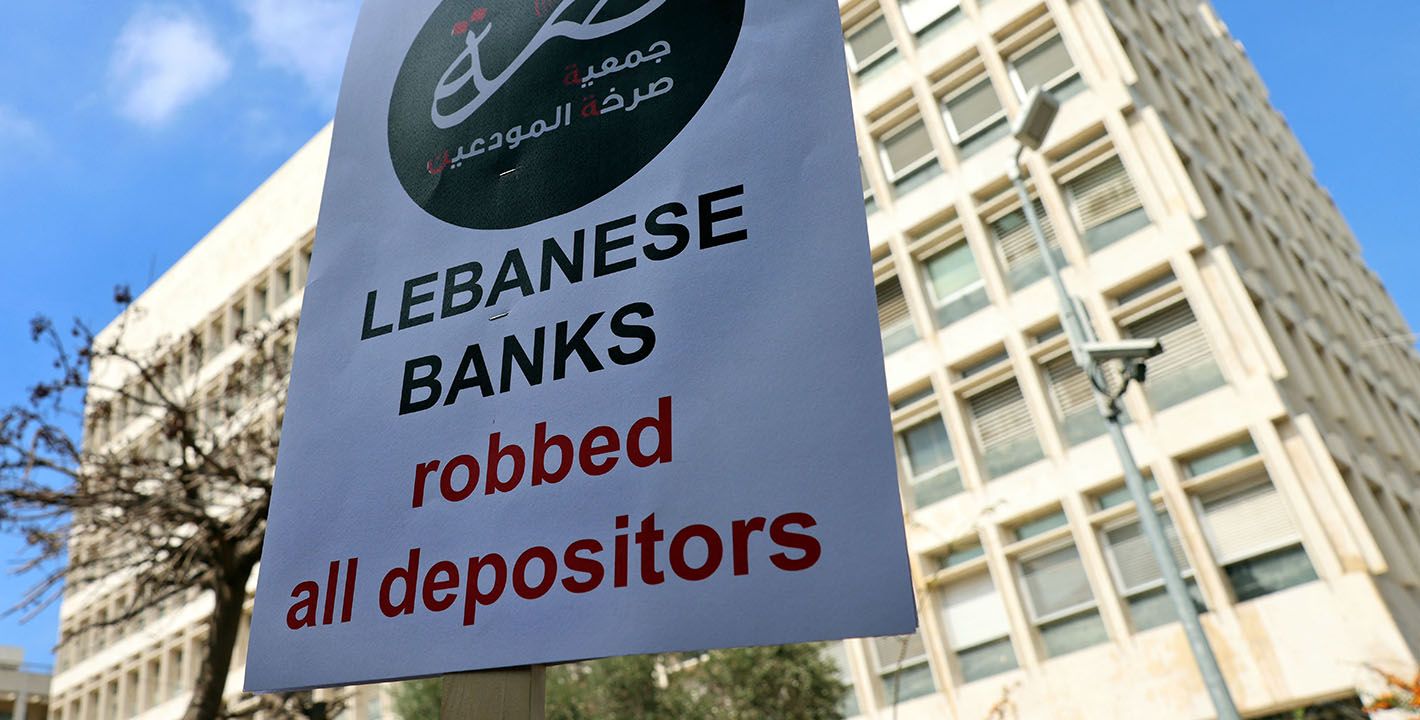
In an interview, Ishac Diwan looks at the merits and flaws in the draft legislation distributing losses from the financial collapse.

Michael Young
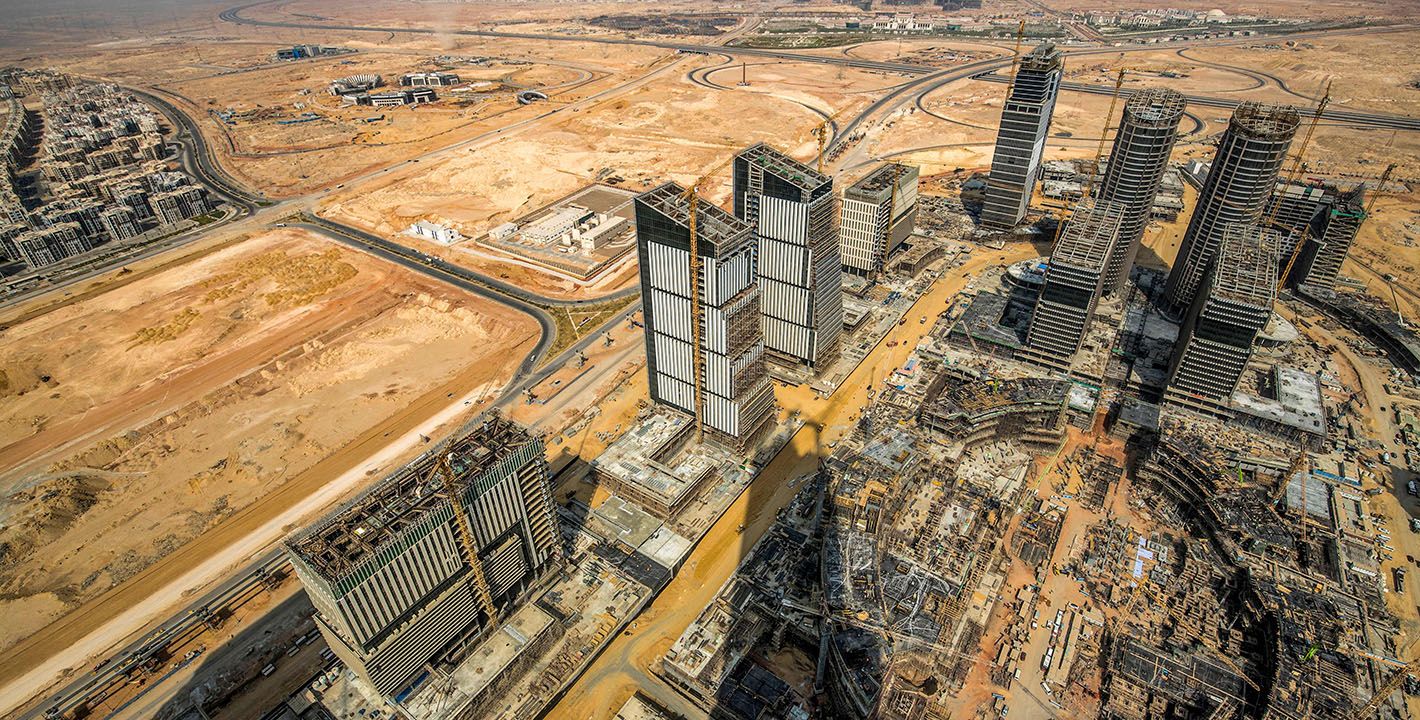
Mustaqbal Misr has expanded its portfolio with remarkable speed, but a lack of transparency remains.
Yezid Sayigh
Arab diaspora business communities in Egypt often mirror the same systemic challenges facing Egyptian businesses.
Nur Arafeh, Yezid Sayigh, Qaboul al-Absi, …