

Article
Mitigating the repercussions of climate change in Kuwait is crucial for lessening economic disparities and achieving social justice.
Courtney Freer
{
  "authors": [
    "Mohammed Hussein Al-Dallal"
  ],
  "type": "other",
  "centerAffiliationAll": "dc",
  "centers": [
    "Carnegie Endowment for International Peace"
  ],
  "collections": [],
  "englishNewsletterAll": "democracy",
  "nonEnglishNewsletterAll": "",
  "primaryCenter": "Carnegie Endowment for International Peace",
  "programAffiliation": "DCG",
  "programs": [
    "Democracy, Conflict, and Governance",
    "Middle East"
  ],
  "projects": [],
  "regions": [
    "Kuwait"
  ],
  "topics": [
    "Political Reform"
  ]
}
REQUIRED IMAGE
A member of Kuwait's Islamic Constitutional Movement offers his thoughts on Nathan Brown's recent study of Kuwaiti politics. While he does not agree with Brown on all issues, he expresses his respect for the study and comments on broad points of agreement.
It was with great interest and the utmost appreciation that I read the paper entitled “Pushing towards Party Politics? Kuwait’s Islamic Constitutional Movement” by Carnegie Endowment senior associate Nathan Brown, translated into Arabic on Carnegie’s website, and which included an objective study of the Islamic Constitutional Movement (ICM) and its influence on Kuwaiti politics. I was granted the valuable opportunity to meet Nathan Brown last March when he visited Kuwait, and we exchanged some views and ideas on his forthcoming study and issues concerning reformist, particularly Islamic, currents in the region. To support the outstanding effort exerted by Nathan Brown in preparing the study and express my agreement with him on several aspects, I am glad to offer a number of observations which may represent an addition to the study, including my views and amendments on a number of points in which I might disagree with the scholar, with my sincere appreciation for his work.
Mohammed Hussein Al-Dallal
Kuwait’s Islamic Constitutional Movement
Carnegie does not take institutional positions on public policy issues; the views represented herein are those of the author(s) and do not necessarily reflect the views of Carnegie, its staff, or its trustees.
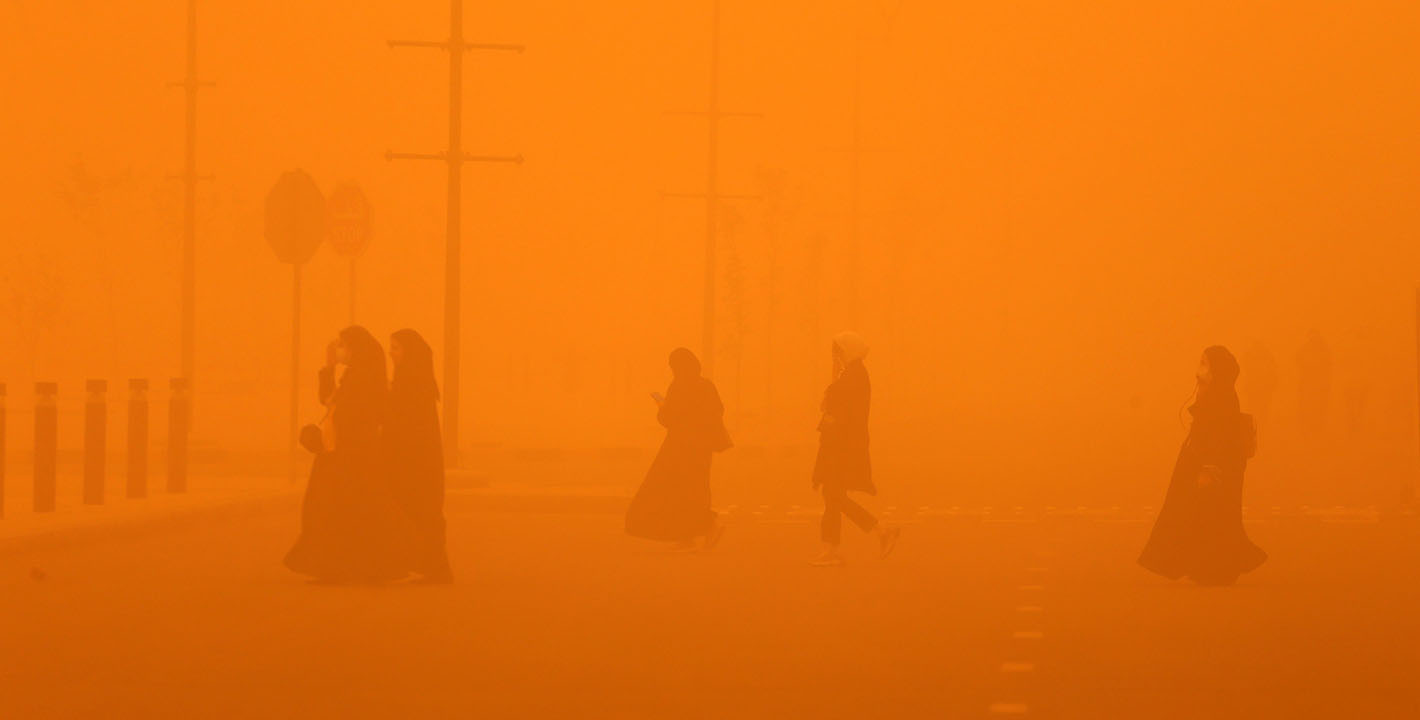
Mitigating the repercussions of climate change in Kuwait is crucial for lessening economic disparities and achieving social justice.
Courtney Freer
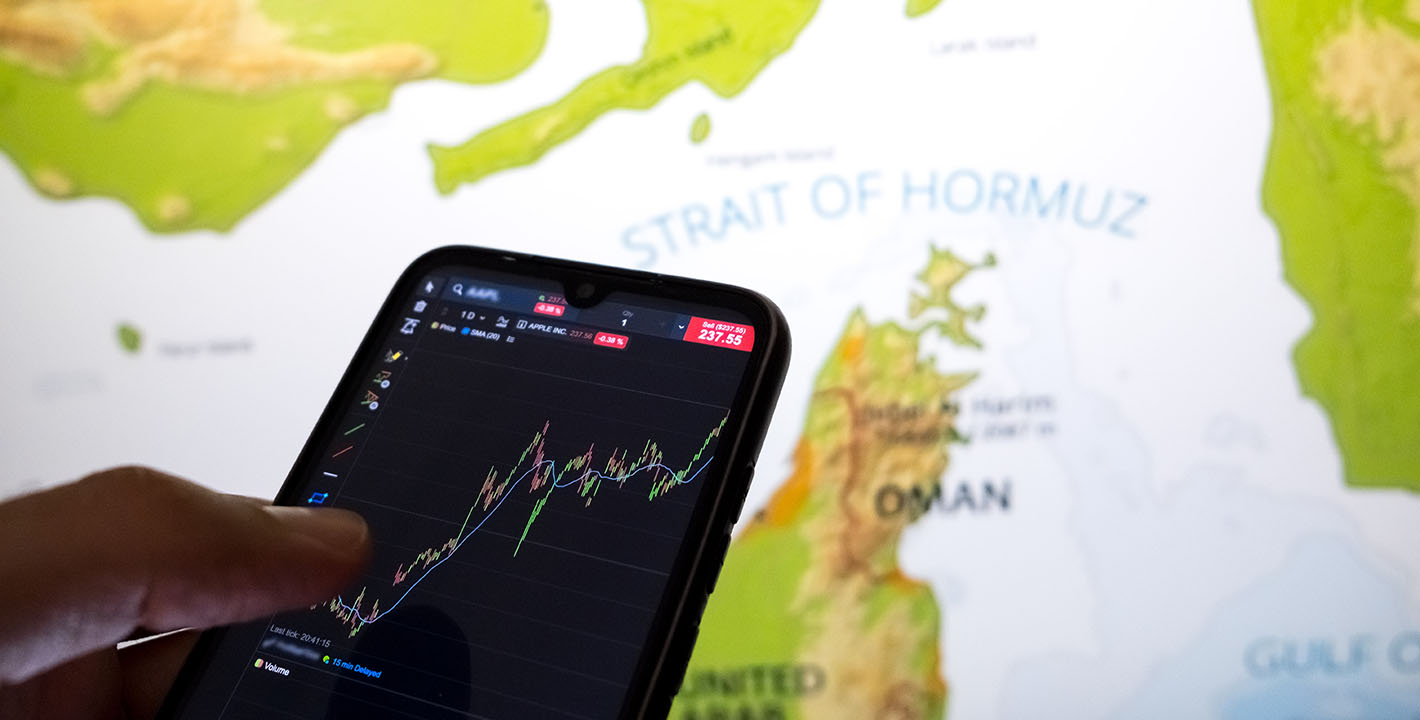
In an interview, Roger Diwan discusses where the global economy may be going in the third week of the U.S.-Israeli war with Iran.

Nur Arafeh
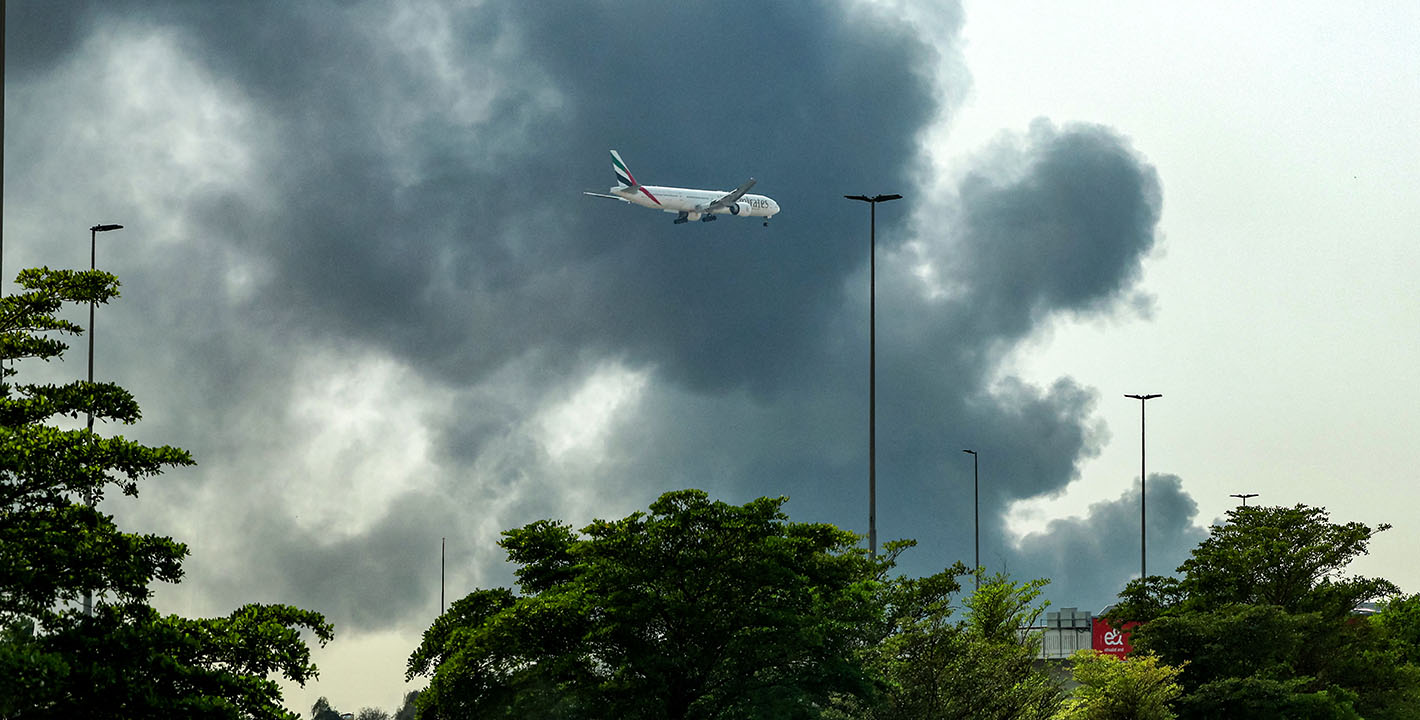
In an interview, Andrew Leber discusses the impact the U.S. and Israeli war against Iran is having on Arab Gulf states.

Michael Young
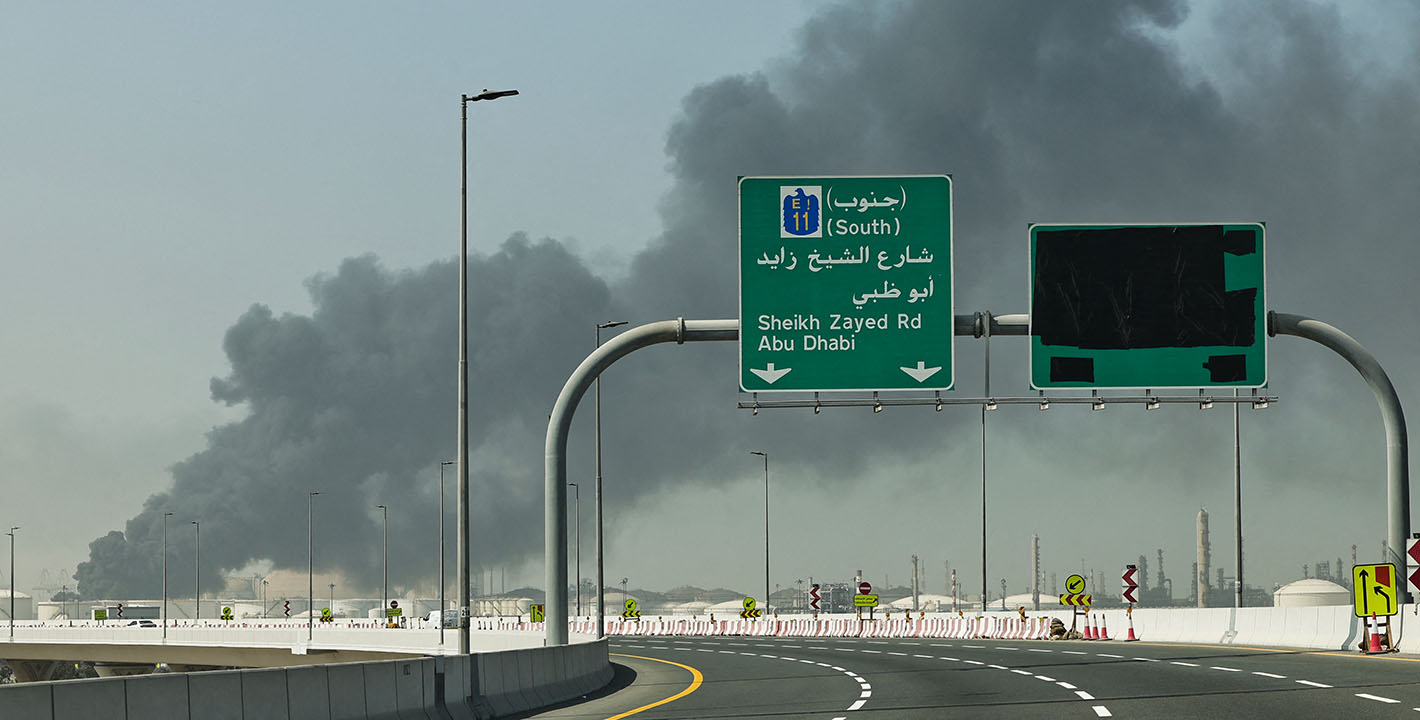
The countries in the region are managing the fallout from Iranian strikes in a paradoxical way.

Angie Omar

The GCC states are, to varying degrees, opening up to digital finance. This is part of an effort to diversify their economies and wean themselves off U.S.-dominated monetary systems.
Ala’a Kolkaila