

Paper
Ashley J. Tellis
{
  "authors": [
    "Ashley J. Tellis"
  ],
  "type": "testimony",
  "centerAffiliationAll": "dc",
  "centers": [
    "Carnegie Endowment for International Peace"
  ],
  "collections": [],
  "englishNewsletterAll": "asia",
  "nonEnglishNewsletterAll": "",
  "primaryCenter": "Carnegie Endowment for International Peace",
  "programAffiliation": "AP",
  "programs": [
    "Asia",
    "South Asia"
  ],
  "projects": [],
  "regions": [
    "South Asia",
    "East Asia",
    "Southeast Asia"
  ],
  "topics": [
    "Economy",
    "Trade"
  ]
}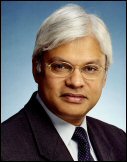
Source: Getty
Asia’s resurgence is revolutionary; Asia will contribute 43% of world GDP by 2020, is the second global hub of innovation, and has amassed a tremendous amount of military power. But the resurgence is also incomplete. Large swaths remain outside of Asia’s economic “miracle,” political systems remain at various stages of development, and Asian nations face many religious and ideological challenges.
Source: Testimony before French White Paper Commission

Asia’s resurgence is revolutionary; Asia will contribute 43% of world GDP by 2020, is the second global hub of innovation, and has amassed a tremendous amount of military power. But the resurgence is also incomplete. Large swaths remain outside of Asia’s economic “miracle,” political systems remain at various stages of development, and Asian nations face many religious and ideological challenges.
The combination of the strength and weakness of Asian states implies both challenges to and opportunities for cooperation with Europe and the United States, noted Tellis. The U.S. will remain engaged in Asia, as Asian issues continue to be inextricably tied to global issues and the U.S. maneuvers to maintain its primacy. Ultimately, it remains to be seen whether Asia’s multipolarity leaves it “ripe for rivalry” or “primed for peace.”
Tellis said that the four central challenges posed by Asia’s to U.S. and European interests are:
• Will the region produce new rising powers that could disturb the existing power configuration in global politics?
• Will the region’s weaknesses produce threats to our common security and well-being?
• Will the region’s behaviors produce collective action problems that undermine our common security and well-being?
• Will the region produce new partners that can collaborate in the attainment of common goals?
You can watch the video of Tellis' testimony, in French, here.
Former Senior Fellow
Ashley J. Tellis was a senior fellow at the Carnegie Endowment for International Peace.
Recent Work
Ashley J. Tellis
Ashley J. Tellis
Carnegie does not take institutional positions on public policy issues; the views represented herein are those of the author(s) and do not necessarily reflect the views of Carnegie, its staff, or its trustees.

The armed forces champion a form of capitalism that is generating revenue, but its reliance on rent faces diminishing returns, leaving the country with massive sunk costs and deferred returns, deepening dependency on external borrowing.

Yezid Sayigh

Morocco and Algeria, each in its own way, are having to navigate the global economic fallout of the U.S.-Israeli military campaign against Iran.

Yasmine Zarhloule
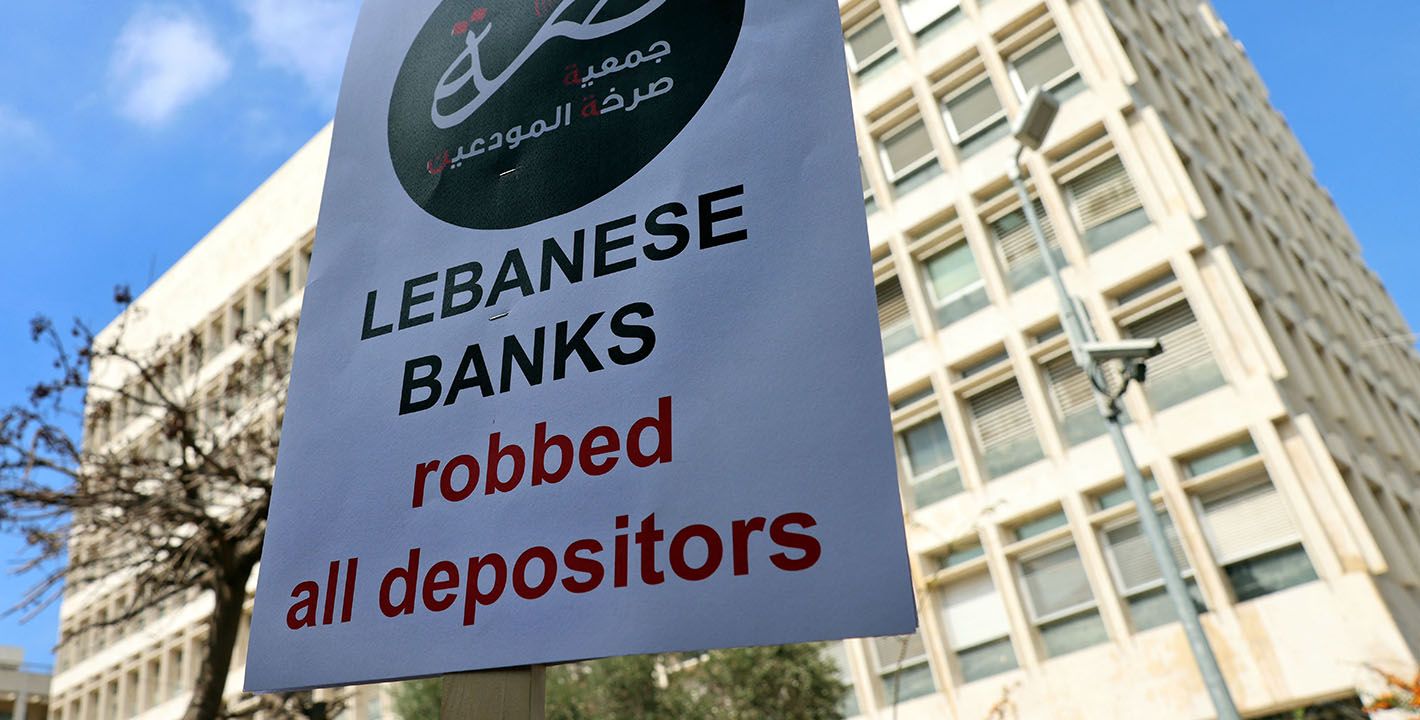
In an interview, Ishac Diwan looks at the merits and flaws in the draft legislation distributing losses from the financial collapse.

Michael Young
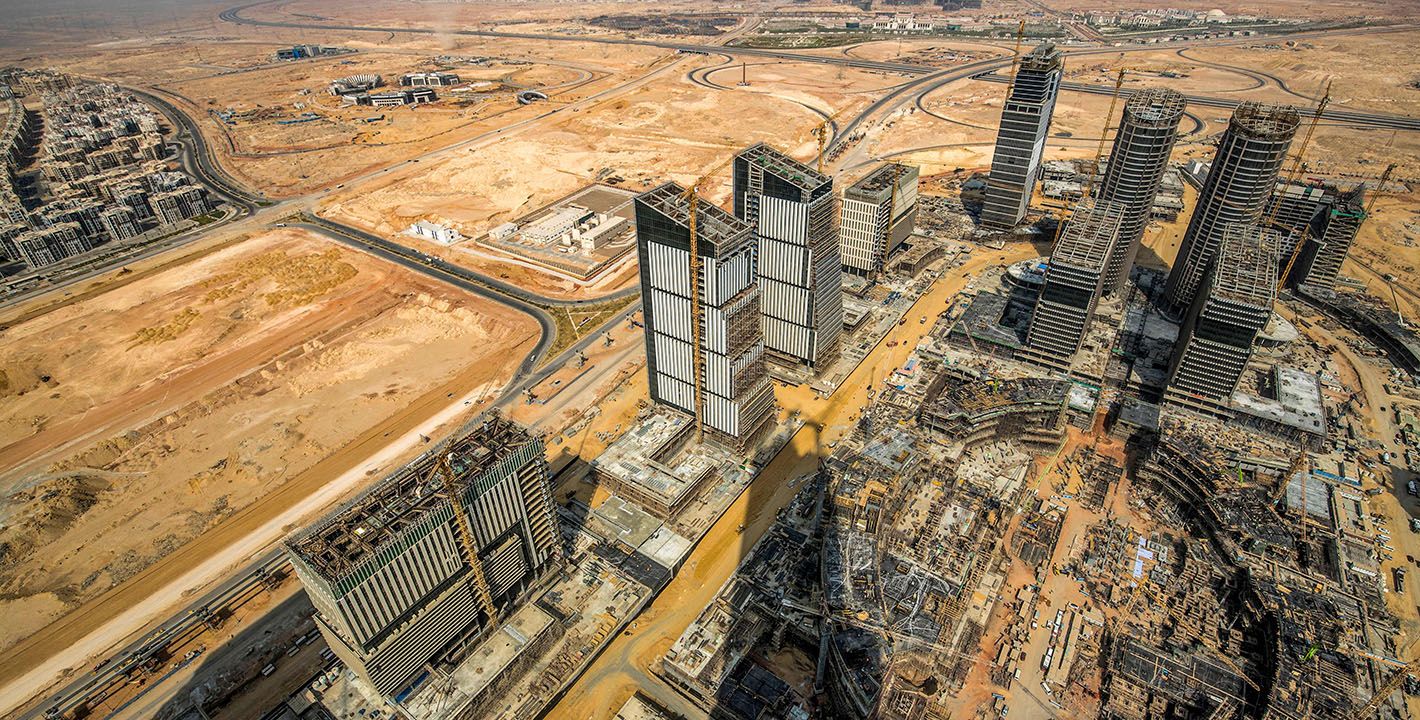
Mustaqbal Misr has expanded its portfolio with remarkable speed, but a lack of transparency remains.
Yezid Sayigh
Arab diaspora business communities in Egypt often mirror the same systemic challenges facing Egyptian businesses.

Nur Arafeh, Yezid Sayigh, Qaboul al-Absi, …