

Other
Sharon Squassoni
{
  "authors": [
    "Sharon Squassoni"
  ],
  "type": "other",
  "centerAffiliationAll": "dc",
  "centers": [
    "Carnegie Endowment for International Peace"
  ],
  "collections": [],
  "englishNewsletterAll": "ctw",
  "nonEnglishNewsletterAll": "",
  "primaryCenter": "Carnegie Endowment for International Peace",
  "programAffiliation": "NPP",
  "programs": [
    "Nuclear Policy",
    "Sustainability, Climate, and Geopolitics"
  ],
  "projects": [],
  "regions": [
    "North America"
  ],
  "topics": [
    "Nuclear Policy",
    "Nuclear Energy"
  ]
}
REQUIRED IMAGE
Source: Presentation at the Carnegie Corporation
In a meeting on "Civilian Nuclear Energy in an Unstable, Carbon-Constrained World," sponsored by the Nonproliferation Policy Education Center (NPEC) on November 5, 2007, at the Carnegie Corporation, Carnegie Senior Associate Sharon Squassoni mapped out three different futures for nuclear energy expansion worldwide. With maps on reactor capacities, uranium enrichment, and spent fuel reprocessing from 2007 to 2050 (see attached slide presentation and appendix for more detailed data), Squassoni concluded that the proliferation consequences of a significant (2-3x current capacity) nuclear energy expansion could be serious. However, goals are unlikely to be met for structural reasons. Even in the absence of a significant expansion, the world could have many more "new" nuclear states, in regions of considerable proliferation concern.
Former Senior Associate, Nuclear Policy Program
Squassoni came to Carnegie from the Congressional Research Service. She also served for nine years in the executive branch. Her last position at the State Department was director of Policy Coordination in the Nonproliferation Bureau.
Recent Work
Sharon Squassoni
Sharon Squassoni
Carnegie does not take institutional positions on public policy issues; the views represented herein are those of the author(s) and do not necessarily reflect the views of Carnegie, its staff, or its trustees.

In an interview, Marc Lynch discusses his new book decrying the post-1990 U.S.-dominated order in the Middle East.

Michael Young
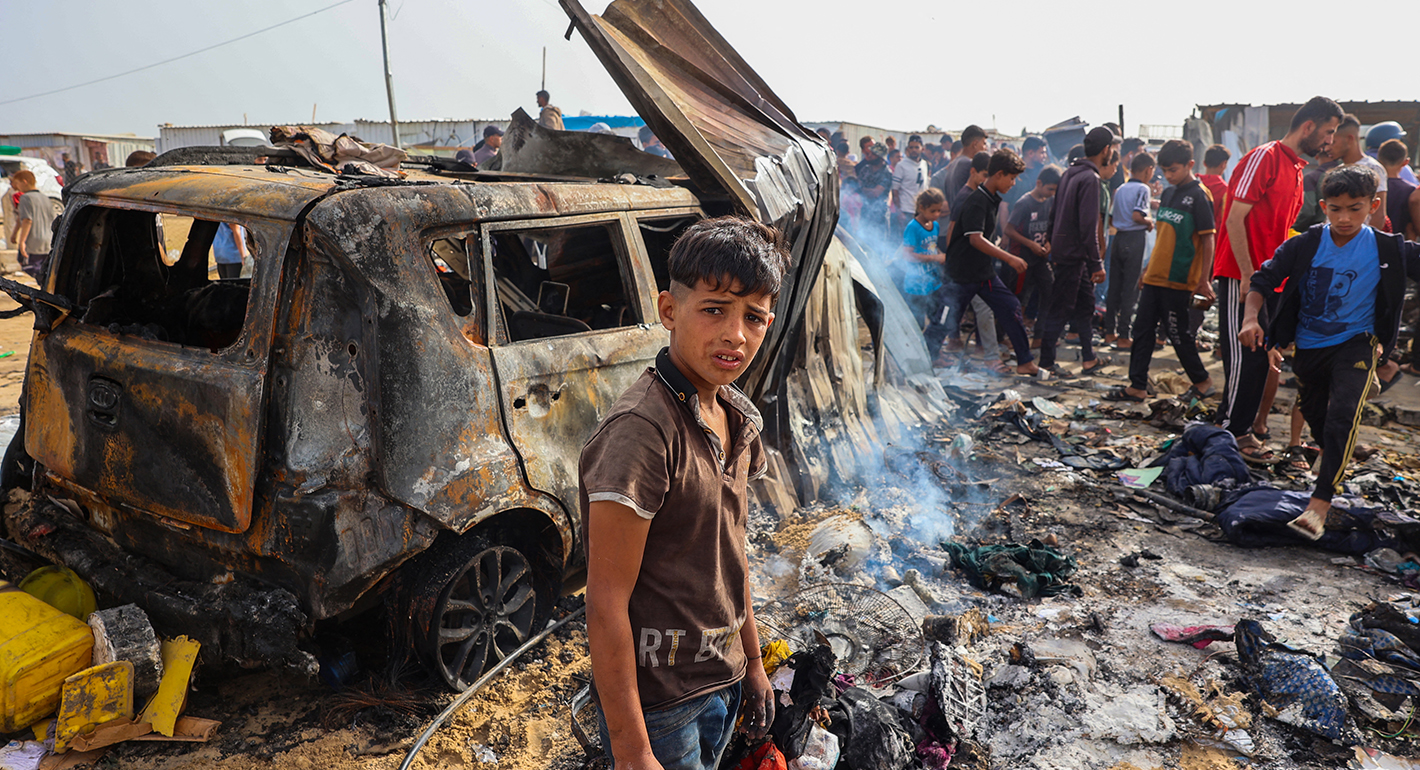
The Biden administration’s plan for the “day after” in Gaza would be disastrous without the promise of Palestinian statehood.

Yezid Sayigh
In an interview, H. A. Hellyer talks about international justice as the ICC prosecutor seeks to pursue Israeli officials.
Michael Young

Antony Blinken took his guitar to Kyiv to lift the spirits of Ukrainians, but Arabs are apparently denied his tunes.
Michael Young
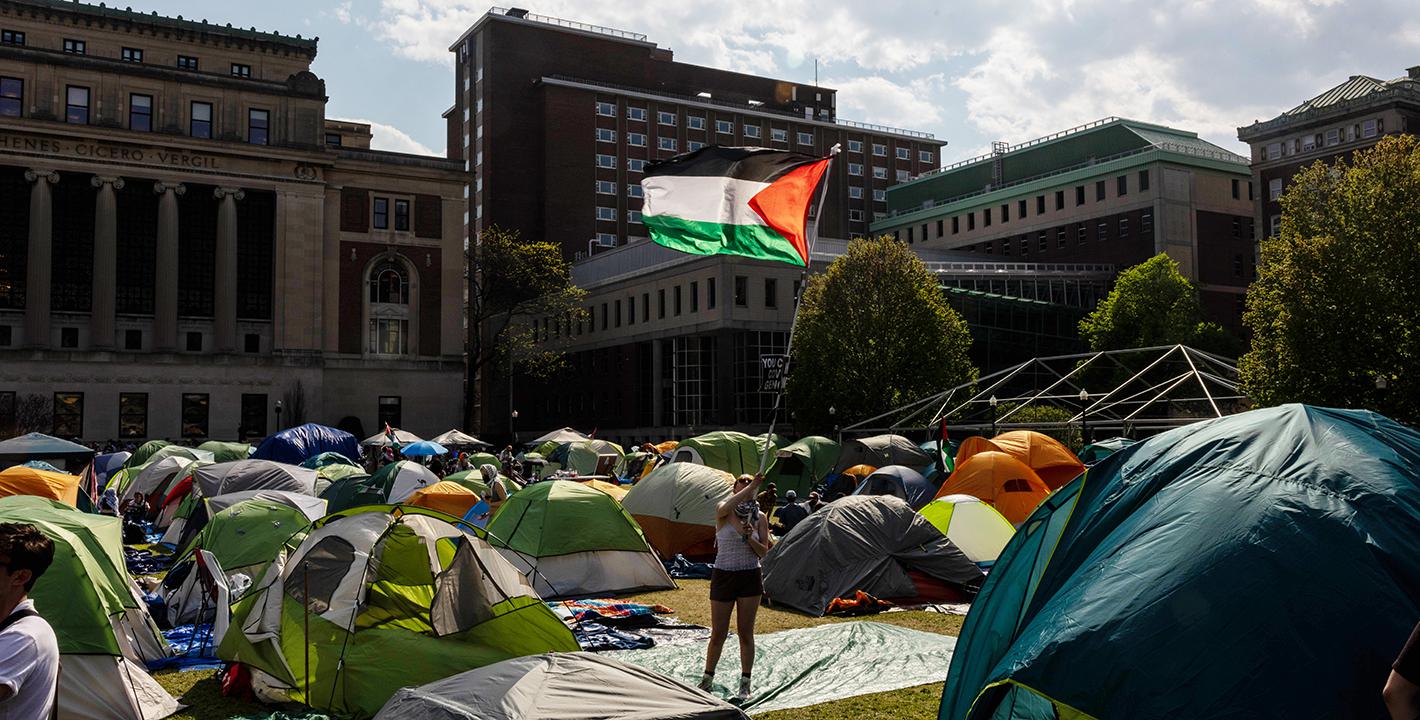
As students around the United States and Europe protest, the relationship of Western elites with Israel is being redefined.
Michael Young