

In The Media
David Rothkopf
{
  "authors": [
    "David Rothkopf"
  ],
  "type": "legacyinthemedia",
  "centerAffiliationAll": "",
  "centers": [
    "Carnegie Endowment for International Peace"
  ],
  "collections": [],
  "englishNewsletterAll": "",
  "nonEnglishNewsletterAll": "",
  "primaryCenter": "Carnegie Endowment for International Peace",
  "programAffiliation": "",
  "programs": [],
  "projects": [],
  "regions": [
    "North America"
  ],
  "topics": [
    "Economy",
    "Trade"
  ]
}
Source: Getty
Of the world's elites, none has flown higher than those who have led the financial community. The re-engineering of international finance has been one of the transformational trends of our times - in just a quarter-century, capital flows became massive, instantaneous and controlled by a new breed of traders representing a handful of major financial institutions from a few countries. Their rewards have transcended any in history as shown by an estimate by Alpha Magazine that the top hedge fund manager last year made $3bn.
Source: Financial Times

The concentration of power has also steadily grown. The top 50 financial institutions control almost $50,000bn (£25,600bn) in assets, roughly a third of the global total. Ten thousand hedge funds are estimated to account for 30-50 per cent of all equities trading worldwide but the top 100 control 60 per cent of hedge fund assets. When crises arise, regulators have been forced to seek the collaboration of the heads of the biggest institutions on a more or less voluntary basis. Typically, of the few they approach, the key executives are in the US and Europe, underscoring the transatlantic nature of this elite.
Change, however, is in the air. The history of elites is one of their rising up, over-reaching, being reined in and supplanted by a new elite. Several recent developments suggest that the financial crisis could signal the high-water mark of power for this group.
First, the crisis is prompting a re-regulatory drive. The power of financial elites had been evident in their ability to argue that global financial markets and markets in new securities should remain "self-regulating" (how many of them would hop into a self-regulating taxicab?), then when crisis comes - as with mortgage-backed securities - these champions of less government involvement have then persuaded governments to cauterise their wounds.
Now, however, there are encouraging, if preliminary, signs of a push towards more effective collaboration between governments - the first steps towards creating the much needed checks on global markets that exist within nations. This could erode the agility of financial elites to play governments off against each other, with the weakest regulator setting the rules.
Second, the credit crisis is exacerbating the emerging backlash against corporate excess. Elites make billions on markets whether they go up or down and their institutions win government support while the little guy loses his home. Multinational chief executives 30 years ago made 35 times the wages of an average employee; today it is more than 350 times. The crisis has focused attention on the obscene inequities of this era - the world's 1,100 richest people have almost twice the assets of the poorest 2.5bn. There are signs of open and growing anger at this, as we have seen this week in the Netherlands with calls to address bonuses, and the attack on the world's financial markets as "a monster that must be tamed" from Horst Köhler, the German president.
Third, the accumulation of financial reserves in the Persian Gulf, Russia and China underscores that the centre of gravity in global finance is also shifting. If gas prices remain high and Asian growth strong, sovereign wealth funds, which are concentrated in these regions, are forecast to surpass $15,000bn within a few years. The top creators of great new personal fortunes are in China, India and Russia. It seems unavoidable that the transatlantic elite that have been the habitués of Davos will be rivalled in influence by the Asian contingent - a group that has as little appetite for the Alpine gabfest as for the values and priorities of the western financial superclass.
So, are we at the beginning of the end of a golden era for transatlantic financial elites? Perhaps, but elites cede power reluctantly and there are signs of an effort to stave off decline. There is now a recognition of the need to accept some global market reforms to avoid more invasive legislation. Far-sighted leaders such as Tom Russo, Lehman Brothers vice-chairman, have actively encouraged changes in the way markets are supervised. Institutional investors could play a role by demanding more sensible pay packages from money managers. The rise of Asia probably cannot be resisted. But by recognising that there are public interests to which they must respond, the financial superclass can stall the fate of previous elites. To succeed at that they must shun their arrogant "leave-it-to-the-market" explanations for the inequality they have helped foster.
Originally published in the Financial Times, May 15, 2008.
Former Visiting Scholar
David Rothkopf was a visiting scholar at the Carnegie Endowment as well as the former CEO and editor in chief of the FP Group.
Recent Work
David Rothkopf
David Rothkopf
Carnegie does not take institutional positions on public policy issues; the views represented herein are those of the author(s) and do not necessarily reflect the views of Carnegie, its staff, or its trustees.

The armed forces champion a form of capitalism that is generating revenue, but its reliance on rent faces diminishing returns, leaving the country with massive sunk costs and deferred returns, deepening dependency on external borrowing.

Yezid Sayigh

Morocco and Algeria, each in its own way, are having to navigate the global economic fallout of the U.S.-Israeli military campaign against Iran.

Yasmine Zarhloule
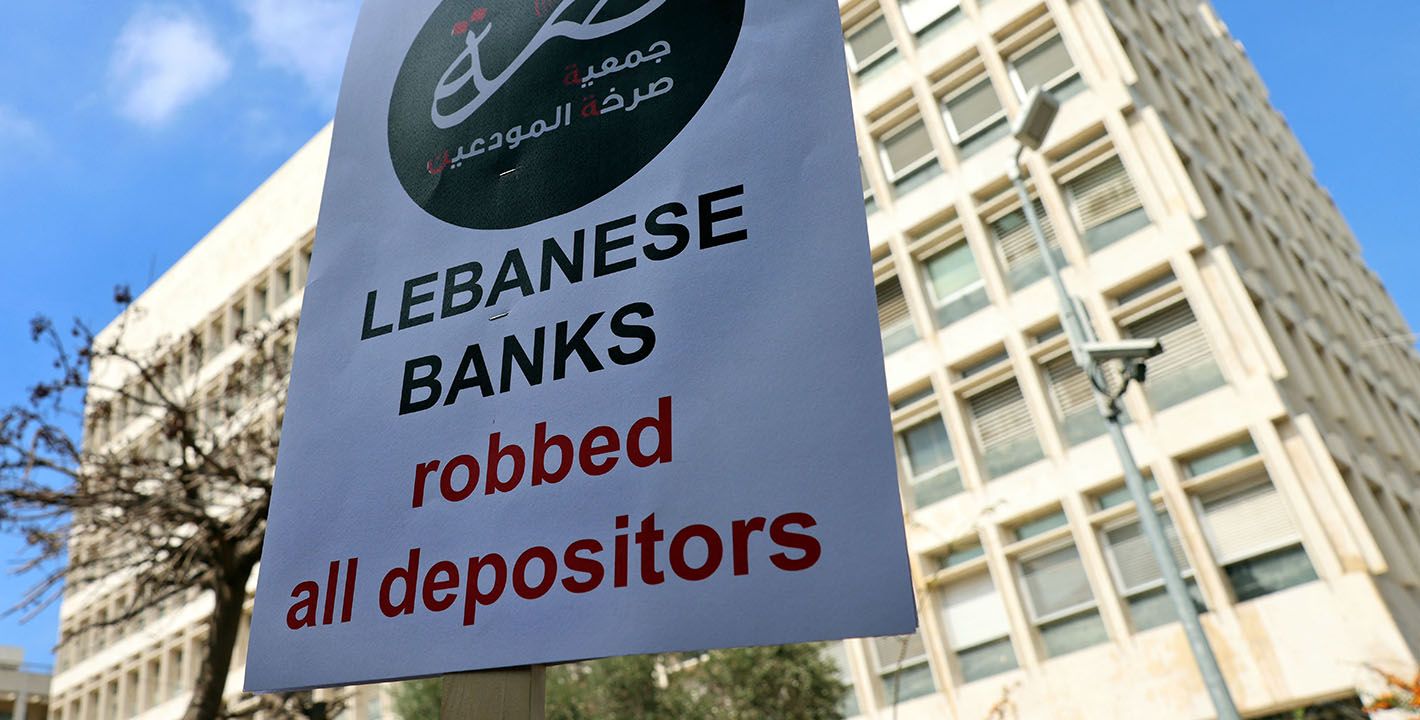
In an interview, Ishac Diwan looks at the merits and flaws in the draft legislation distributing losses from the financial collapse.

Michael Young
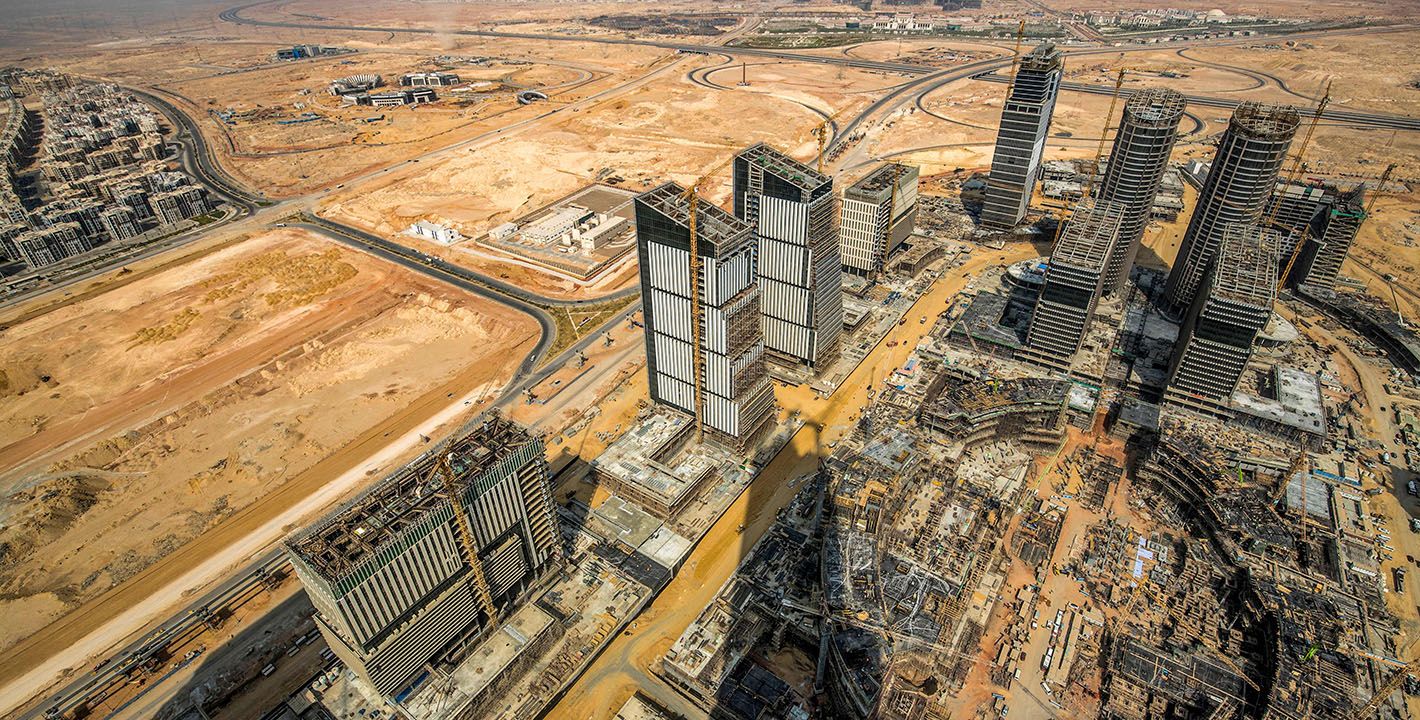
Mustaqbal Misr has expanded its portfolio with remarkable speed, but a lack of transparency remains.
Yezid Sayigh
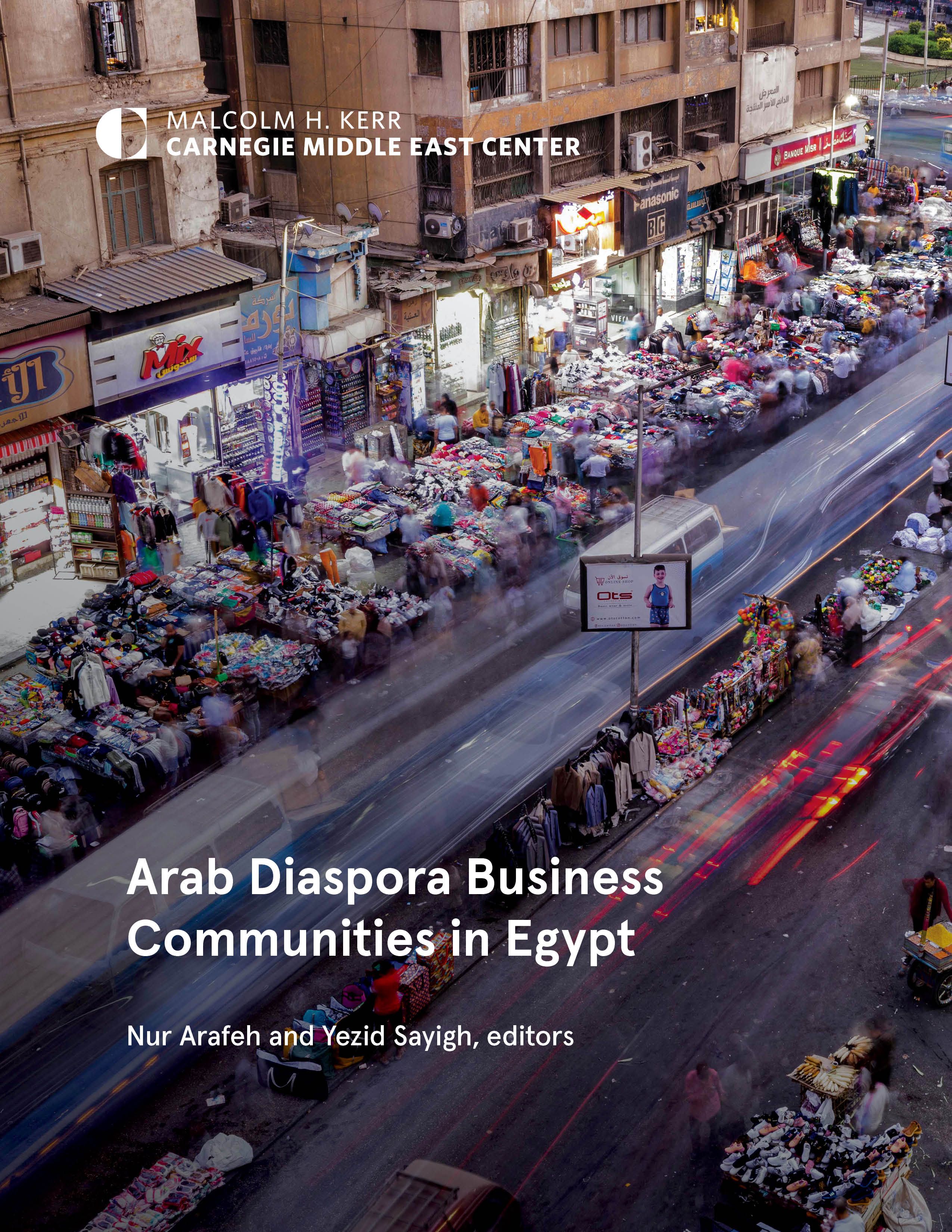
Arab diaspora business communities in Egypt often mirror the same systemic challenges facing Egyptian businesses.
Nur Arafeh, Yezid Sayigh, Qaboul al-Absi, …