• Research
  • Diwan
  • About
  • Experts
Carnegie Middle East logoCarnegie lettermark logo
LebanonIran
{
  "authors": [
    "Pierre Goldschmidt"
  ],
  "type": "other",
  "centerAffiliationAll": "dc",
  "centers": [
    "Carnegie Endowment for International Peace"
  ],
  "collections": [],
  "englishNewsletterAll": "ctw",
  "nonEnglishNewsletterAll": "",
  "primaryCenter": "Carnegie Endowment for International Peace",
  "programAffiliation": "NPP",
  "programs": [
    "Nuclear Policy"
  ],
  "projects": [],
  "regions": [],
  "topics": [
    "Nuclear Policy"
  ]
}
Source: Getty

Other

IAEA Safeguards: Dealing Preventively with Non-Compliance

In a study commissioned jointly by the Harvard Belfer Center and the Carnegie Endowment for International Peace, Carnegie's Pierre Goldschmidt presents a multi-stage process that the international community should follow to strengthen the capacity of the IAEA to resolve in a timely manner cases of non-compliance.

Link Copied
By Pierre Goldschmidt
Published on Jul 12, 2008

Source: Harvard Belfer Center for Science and International Affairs

In a study commissioned jointly by the Harvard Belfer Center and the Carnegie Endowment for International Peace, Carnegie's Pierre Goldschmidt, formerly Deputy Director General of the International Atomic Energy Agency (IAEA), presents a multi-stage process that the international community should follow to strengthen the capacity of the IAEA to resolve in a timely manner cases of non-compliance. Drawing upon the cases of North Korea and Iran, Dr. Goldschmidt proposes a generic UN Security Council Resolution and a Model Temporary Complementary Protocol which he argues are necessary to help address the current limitations of the IAEA's verification authority when a non-compliant state does not fully and proactively cooperate with the Agency.

About the Author

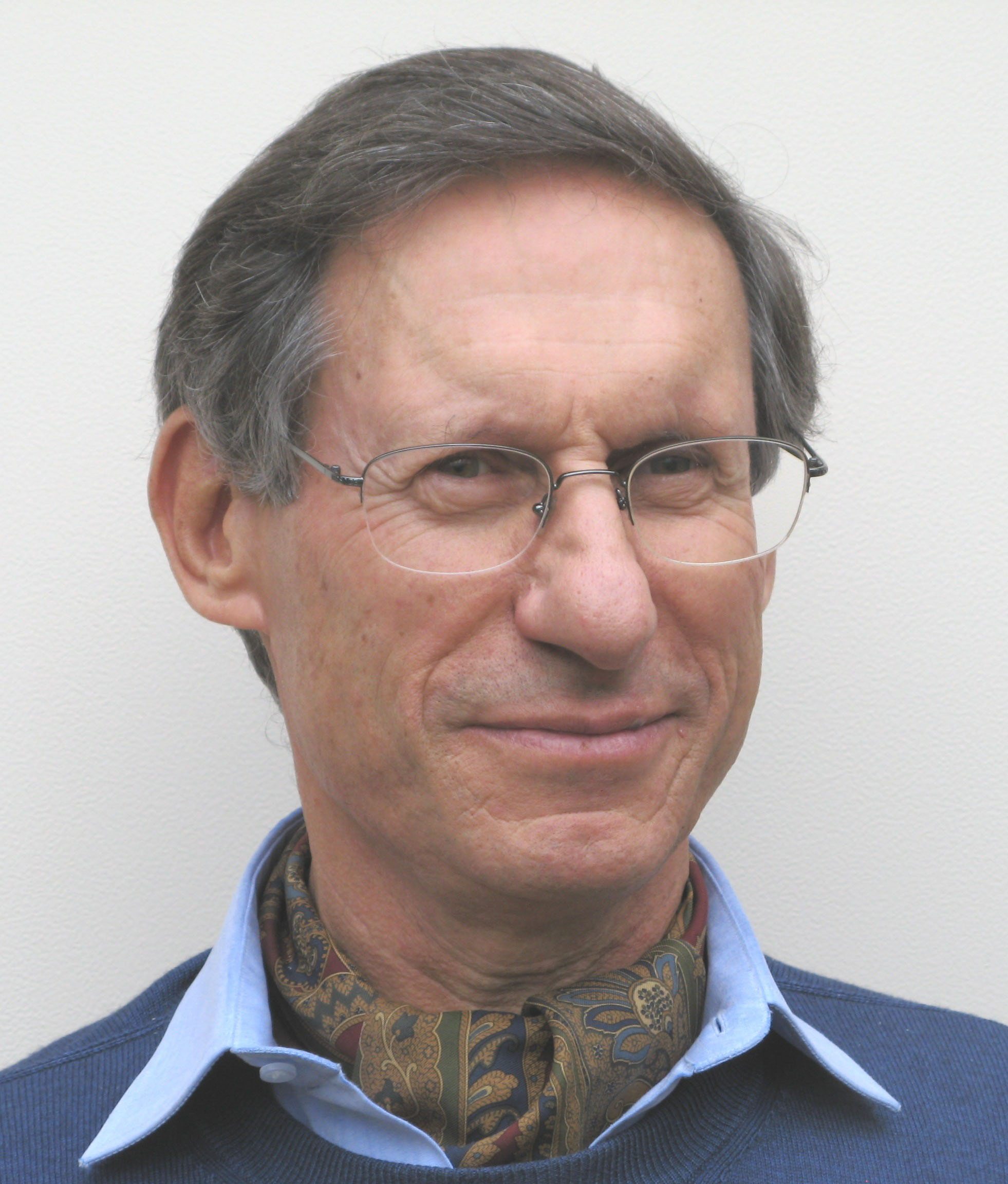
Pierre Goldschmidt

Former Nonresident Senior Associate, Nuclear Policy Program

Goldschmidt was a nonresident senior associate at the Carnegie Endowment.

    Recent Work

  • Article
    A Realistic Approach Toward a Middle East Free of WMD

      Pierre Goldschmidt

  • Article
    Serious Deficiencies Exposed by Latest IAEA Safeguards Implementation Report

      Pierre Goldschmidt

Pierre Goldschmidt
Former Nonresident Senior Associate, Nuclear Policy Program
Pierre Goldschmidt
Nuclear Policy

Carnegie does not take institutional positions on public policy issues; the views represented herein are those of the author(s) and do not necessarily reflect the views of Carnegie, its staff, or its trustees.
More Work from Malcolm H. Kerr Carnegie Middle East Center

  • Commentary
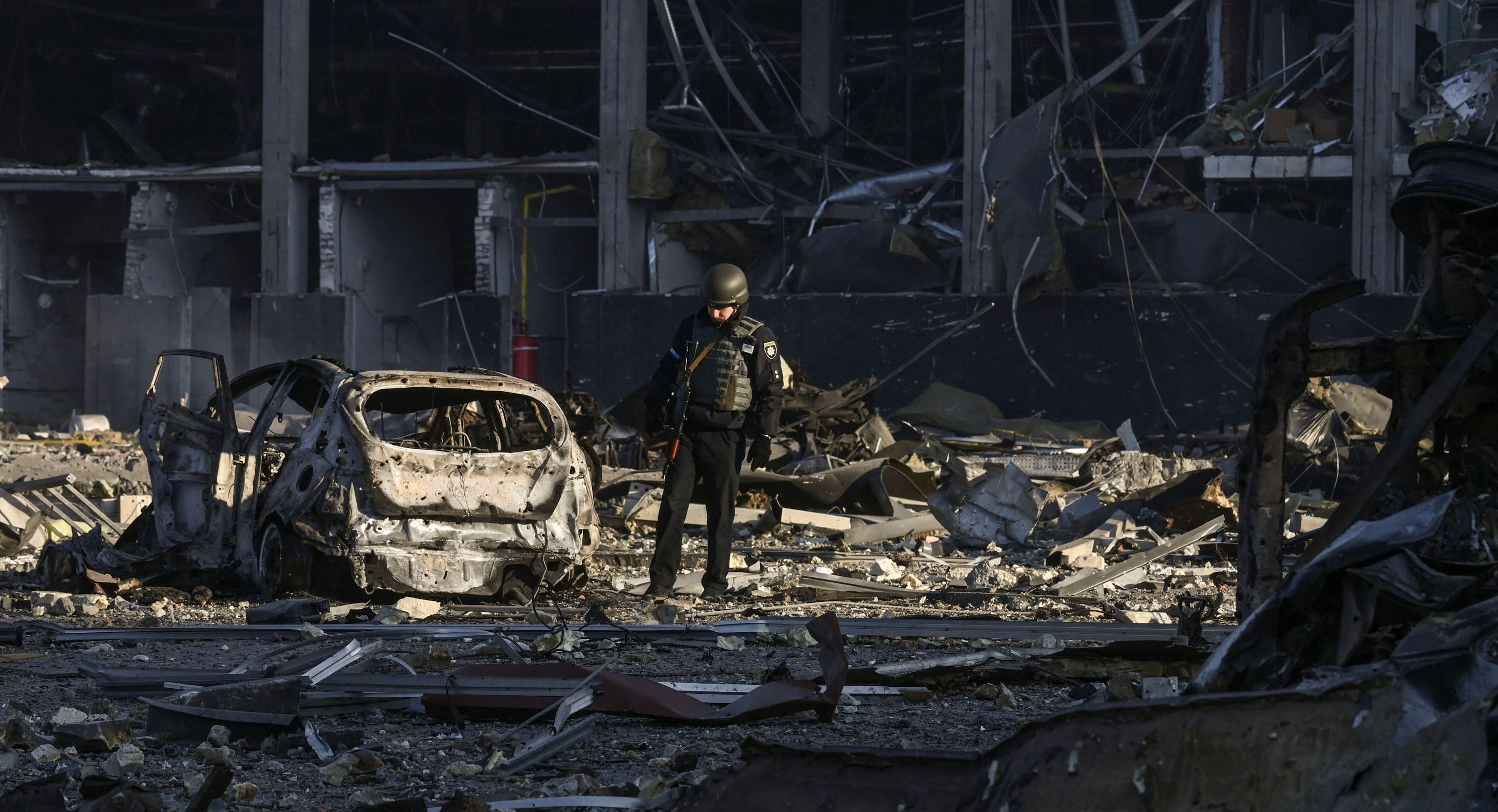
    How Tehran Is Connecting the Ukraine Invasion to the Iran Deal

    Both events also could force Washington to rethink or revive its Middle East partnerships.

      Karim Sadjadpour
  • Commentary
    Diwan
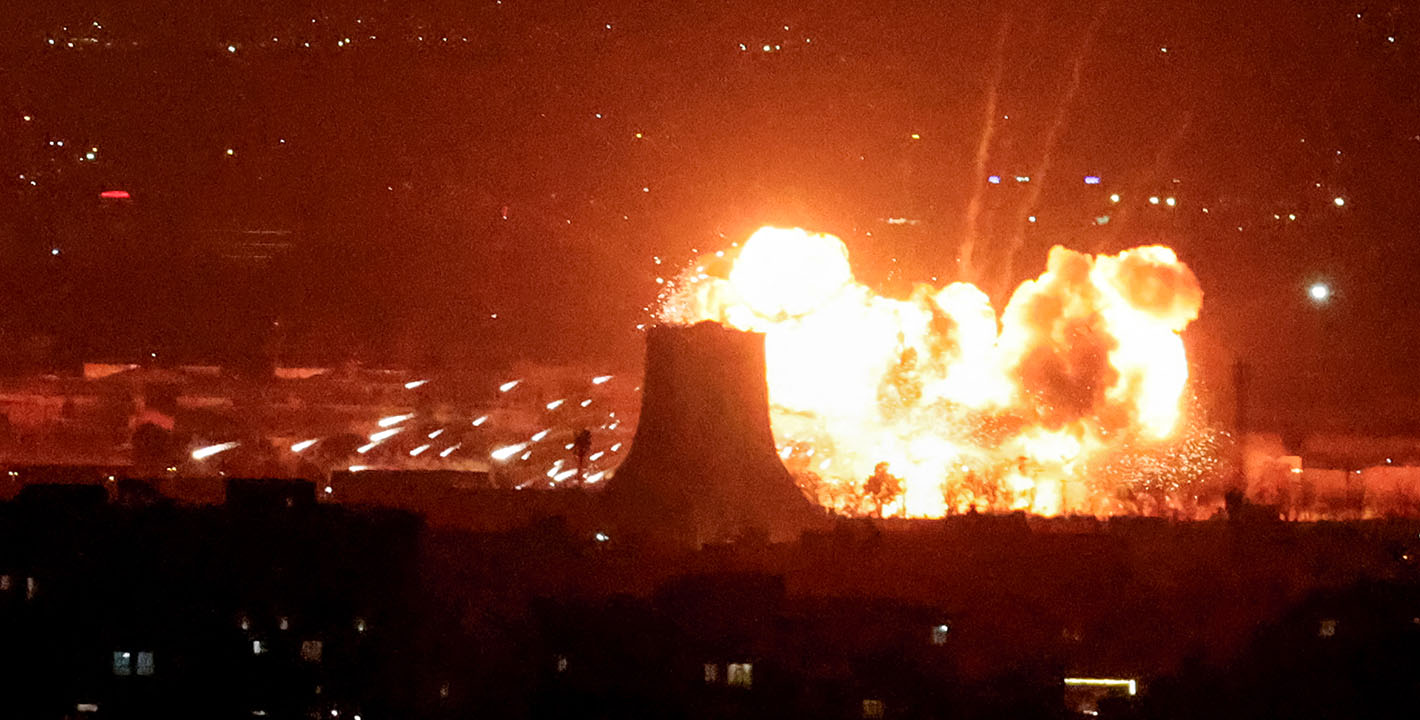
    A Ticking Time-Bomb?

    Disagreement between the United States and Iran over a revived nuclear accord may anchor volatile competition.

      George Perkovich
  • Commentary
    Diwan
    What Does It Mean that European States Have Triggered the Dispute Resolution Mechanism in the Nuclear Deal With Iran?

    A regular survey of experts on matters relating to Middle Eastern and North African politics and security.

      Michael Young
  • Commentary
    What Europe’s Dispute about Iran’s Nuclear Program Means

    The British, French, and German foreign ministers have formally accused Iran of breaking the terms of the 2015 Iran nuclear deal, a step that could lead to sanctions. Are the Europeans preparing to pull the plug?
      Jarrett Blanc

  • Commentary
    Scratching Erdogan’s Nuclear Itch

    Although Turkey is not likely to pursue a nuclear weapons program, it is expanding its nuclear industry by partnering with Russia.

      Mark Hibbs

Get more news and analysis from
Malcolm H. Kerr Carnegie Middle East Center
Carnegie Middle East logo, white
  • Research
  • Diwan
  • About
  • Experts
  • Projects
  • Events
  • Contact
  • Careers
  • Privacy
  • For Media
Get more news and analysis from
Malcolm H. Kerr Carnegie Middle East Center
© 2026 Carnegie Endowment for International Peace. All rights reserved.