

Q&A
Christopher Boucek
{
  "authors": [
    "Christopher Boucek"
  ],
  "type": "legacyinthemedia",
  "centerAffiliationAll": "dc",
  "centers": [
    "Carnegie Endowment for International Peace"
  ],
  "collections": [],
  "englishNewsletterAll": "menaTransitions",
  "nonEnglishNewsletterAll": "",
  "primaryCenter": "Carnegie Endowment for International Peace",
  "programAffiliation": "MEP",
  "programs": [
    "Middle East"
  ],
  "projects": [],
  "regions": [
    "Saudi Arabia"
  ],
  "topics": [
    "Political Reform",
    "Economy"
  ]
}
Source: Getty
The prominent role of the internet in propagating and perpetuating violent Islamist ideology is well known. As such, identifying methods to short-circuit internet radicalization has become an urgent goal for numerous governments. Saudi Arabia has quietly supported initiatives to combat internet radicalization. One of the most developed programs is the Sakinah Campaign.
Source: CTC Sentinel

In recent years, Saudi Arabia has quietly supported initiatives to combat internet radicalization. One of the most developed programs is the Sakinah Campaign, which began several years ago to fight online radicalization and recruitment. Named after the Arabic word for religiously inspired tranquility, the Sakinah Campaign operates as an independent, non-governmental organization, supported by the Ministry of Islamic Affairs. Similar to other counter-radicalization and demobilization strategies in the kingdom, the Sakinah Campaign uses Islamic scholars to interact online with individuals looking for religious knowledge, with the aim of steering them away from extremist sources.
This article originally appeared in CTC Sentinel Combating Terrorism Center, West Point
Former Associate, Middle East Program
Boucek was an associate in the Carnegie Middle East Program where his research focused on security challenges in the Arabian Peninsula and Northern Africa.
Recent Work
Christopher Boucek

Christopher Boucek, Karim Sadjadpour
Carnegie does not take institutional positions on public policy issues; the views represented herein are those of the author(s) and do not necessarily reflect the views of Carnegie, its staff, or its trustees.

The armed forces champion a form of capitalism that is generating revenue, but its reliance on rent faces diminishing returns, leaving the country with massive sunk costs and deferred returns, deepening dependency on external borrowing.

Yezid Sayigh

This will be the region’s most representative tournament, amid broad changes in its footballing landscape.

Issam Kayssi
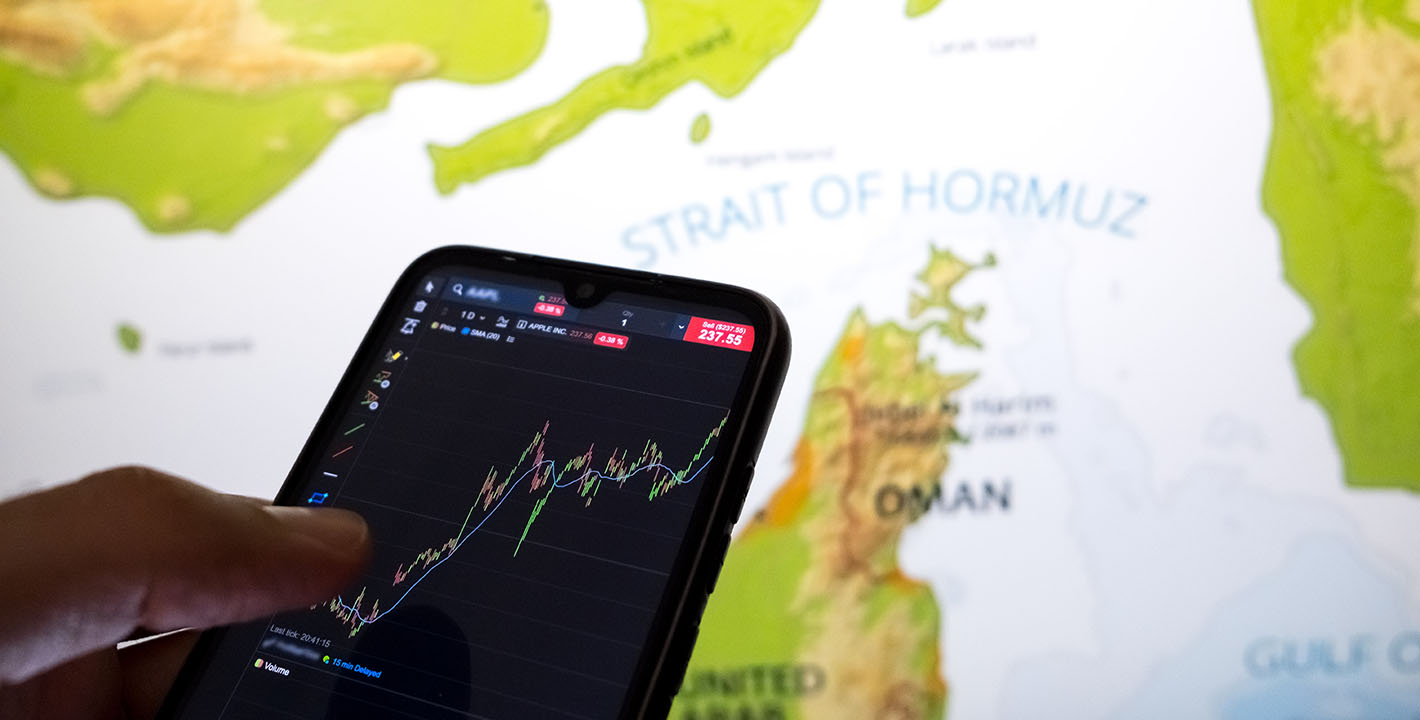
In an interview, Roger Diwan discusses where the global economy may be going in the third week of the U.S.-Israeli war with Iran.
Nur Arafeh
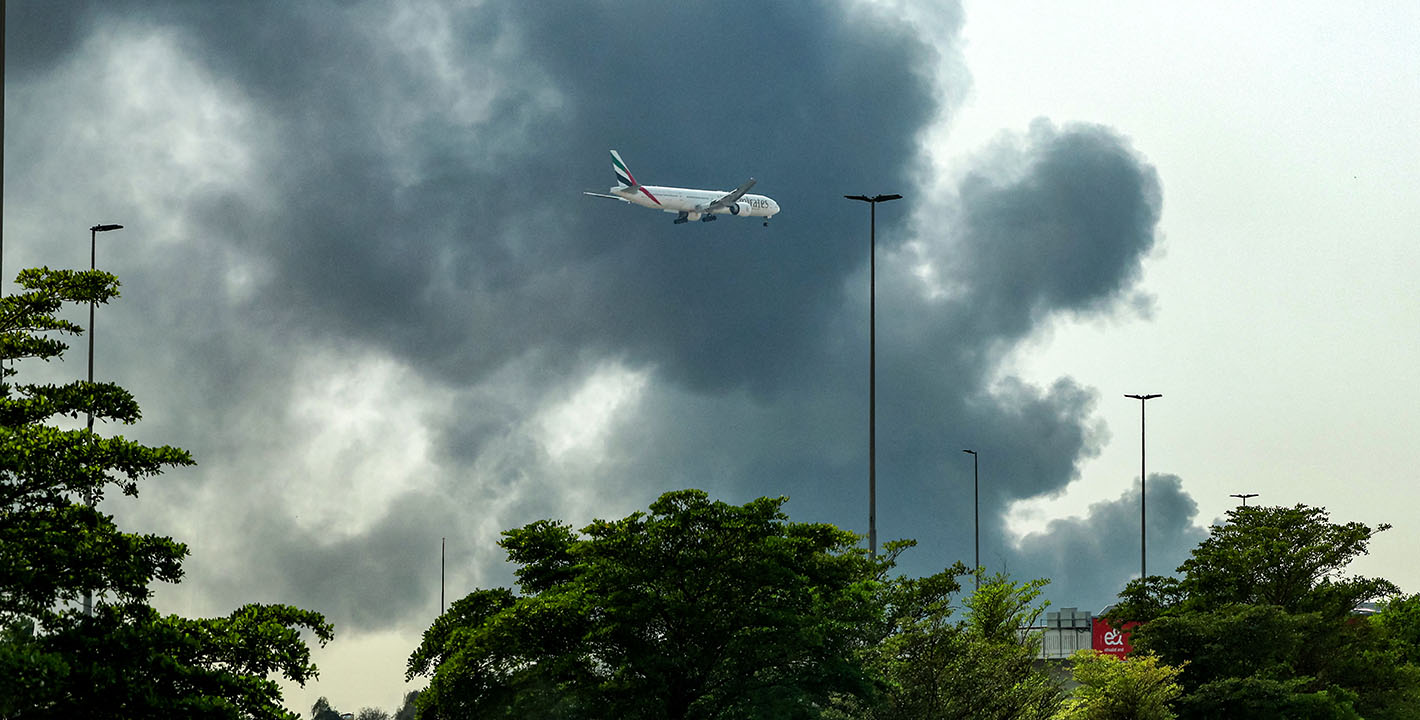
In an interview, Andrew Leber discusses the impact the U.S. and Israeli war against Iran is having on Arab Gulf states.

Michael Young
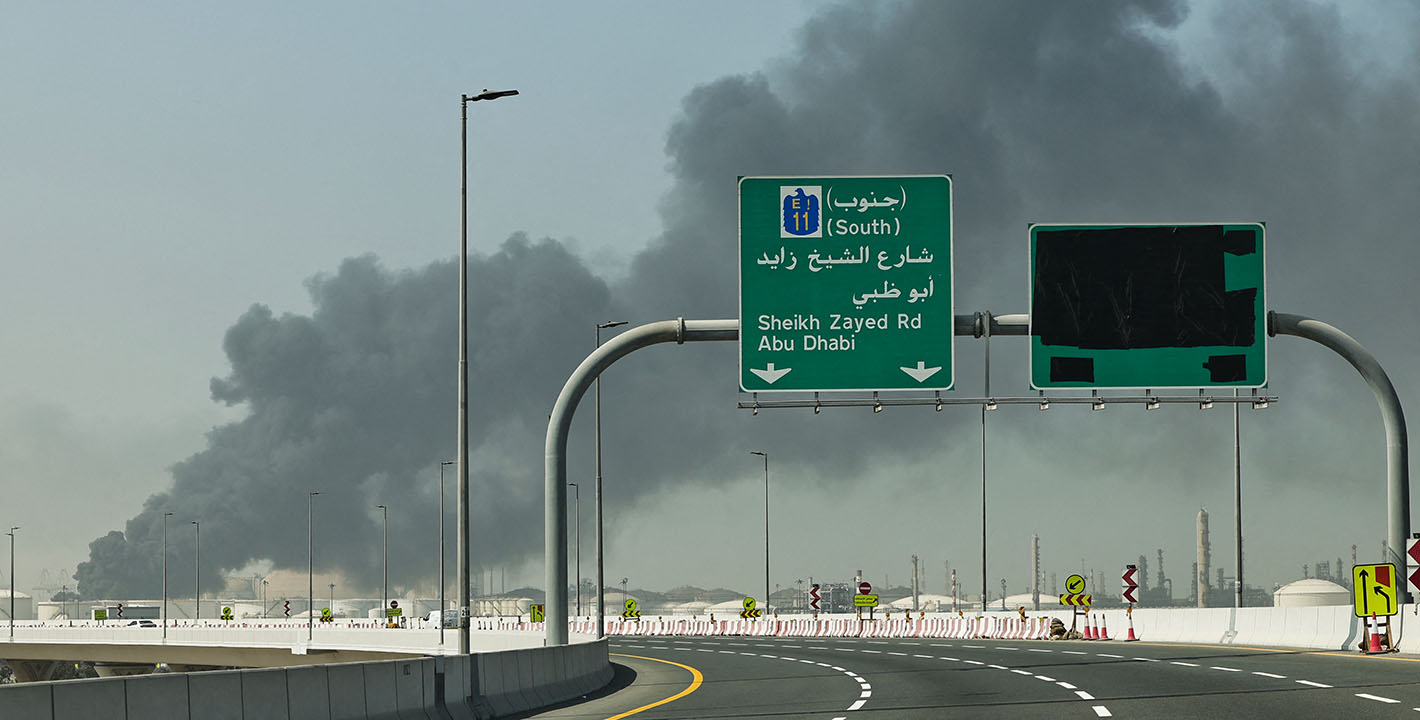
The countries in the region are managing the fallout from Iranian strikes in a paradoxical way.

Angie Omar