

In The Media
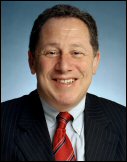
David Rothkopf
{
  "authors": [
    "David Rothkopf"
  ],
  "type": "legacyinthemedia",
  "centerAffiliationAll": "",
  "centers": [
    "Carnegie Endowment for International Peace"
  ],
  "collections": [],
  "englishNewsletterAll": "",
  "nonEnglishNewsletterAll": "",
  "primaryCenter": "Carnegie Endowment for International Peace",
  "programAffiliation": "",
  "programs": [],
  "projects": [],
  "regions": [
    "North America",
    "United States"
  ],
  "topics": [
    "Economy"
  ]
}
Source: Getty
With 26 delegations and a daunting list of economic issues to address, next week’s G20 Summit is unlikely to accomplish as much as the world is hoping.
Source: Wisconsin Public Radio's Conversations with Kathleen Dunn

“There is almost no place that you can think of in the global economy that doesn’t require a jump-start right now,” Rothkopf said. Therefore, the first priority should be to “stop the bleeding,” followed by policies that aim to restore growth. The G20 Summit, however, is likely to produce little consensus on the best policies to achieve these goals because it will be difficult to reconcile the widely varying economic plans of all 26 delegations. Some of the most important policy questions are likely to remain unresolved, including the debate over whether countries should embrace big stimulus packages and whether new international regulatory mechanisms should be established.
Nonetheless, Rothkopf noted that economies tend to repair themselves over time, predicting that the global economy might begin to see a resurgence in growth at the end of 2009 or the beginning of 2010. The interesting question is not whether we will recover but what the world will look like once we have emerged from this crisis. New industries will lead our future growth, perhaps with a focus on green industry, and existing industries may see large-scale changes. Inevitably, geopolitical relationships will shift, leaving a world with new opportunities and dilemmas.
Former Visiting Scholar
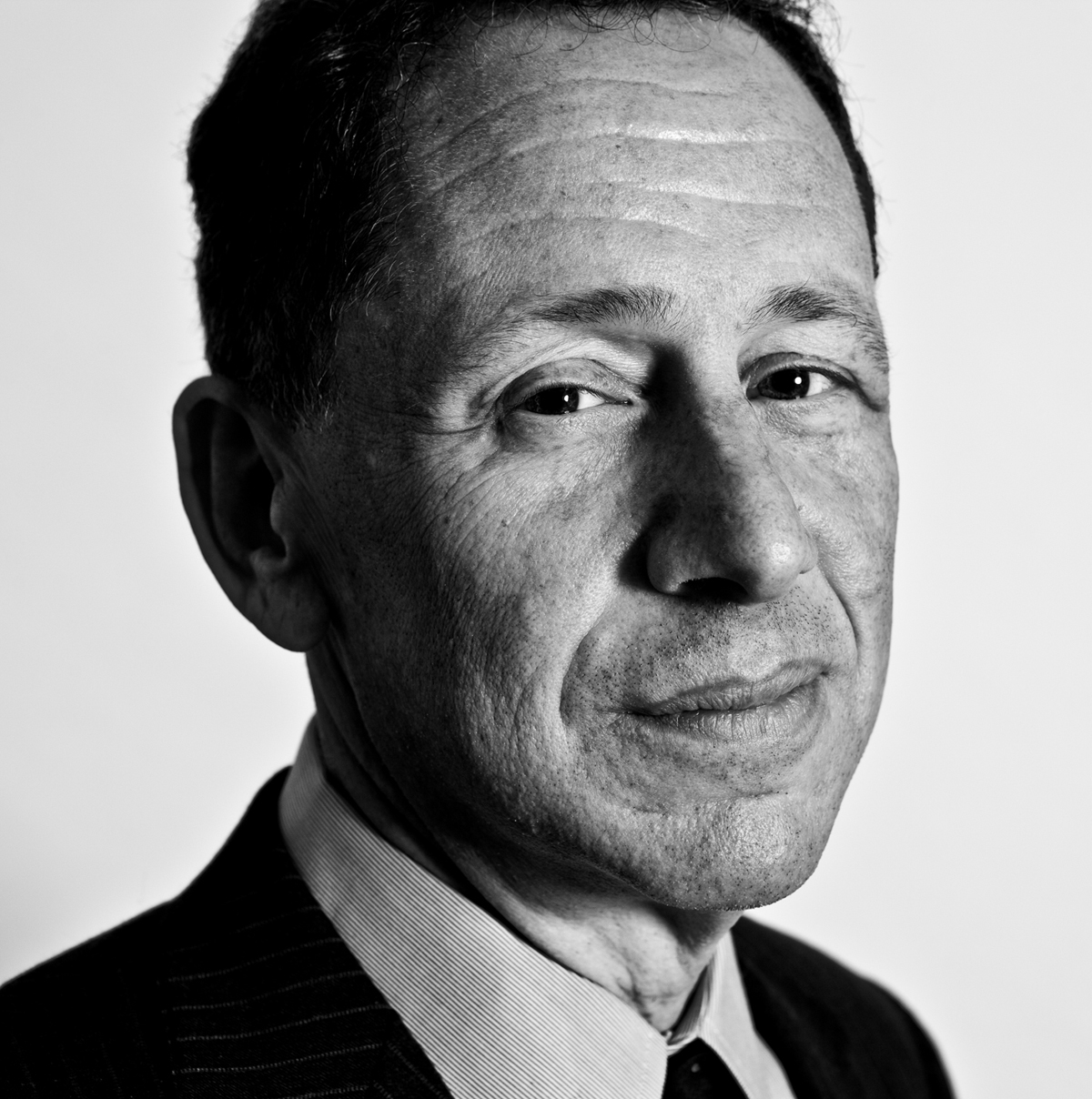
David Rothkopf was a visiting scholar at the Carnegie Endowment as well as the former CEO and editor in chief of the FP Group.
Recent Work
David Rothkopf
David Rothkopf
Carnegie does not take institutional positions on public policy issues; the views represented herein are those of the author(s) and do not necessarily reflect the views of Carnegie, its staff, or its trustees.
A prerequisite of serious talks is that the country’s leadership consolidates majority national support for such a process.

Michael Young

In an interview, Jim Lamson discusses the ongoing regional conflict and sees an unclear picture when it comes to winners and losers.
Michael Young

Unless Beirut lowers expectations, any setbacks will end up bolstering Hezbollah’s narrative.

Mohanad Hage Ali
Cairo’s efforts send a message to the United States and the region that it still has a place at the diplomatic table.

Angie Omar
Beirut’s desire to break free from Iranian hegemony may push it into a situation where it has to accept Israel’s hegemony.
Michael Young