

Q&A
Deepti Choubey
{
  "authors": [
    "Deepti Choubey"
  ],
  "type": "legacyinthemedia",
  "centerAffiliationAll": "dc",
  "centers": [
    "Carnegie Endowment for International Peace"
  ],
  "collections": [
    "U.S. Nuclear Policy"
  ],
  "englishNewsletterAll": "ctw",
  "nonEnglishNewsletterAll": "",
  "primaryCenter": "Carnegie Endowment for International Peace",
  "programAffiliation": "NPP",
  "programs": [
    "Nuclear Policy"
  ],
  "projects": [],
  "regions": [
    "North America",
    "United States"
  ],
  "topics": [
    "Nuclear Policy"
  ]
}
Source: Getty
The Obama administration's push for securing ratification of the CTBT is a welcome change in US policy, but will not guarantee the CTBT's entry into force. Both nuclear and non-nuclear-weapon states as well as civil society must contribute to efforts to seek US ratification of the CTBT and pressure hold-out states to do the same.
Source: CTBTO Spectrum

CTBT proponents are encouraged by the Obama administration's declaration that it will seek ratification and then mount a full diplomatic effort to get hold-out States to do the same. This change in U.S. policy is welcome, but to assume that action by the Obama administration alone will guarantee the CTBT’s entry into force is a mistake. Both nuclear and non-nuclear weapon States as well as civil society must act now if Obama’s leadership is not to go to waste. Their efforts can increase the prospects of U.S. ratification and pressure CTBT laggards.
Read the full article in the CTBTO Spectrum.

Former Deputy Director, Nuclear Policy Program
Choubey was previously the director of the Peace and Security Initiative for the Ploughshares Fund. She also worked for Ambassador Nancy Soderberg in the New York office of the International Crisis Group.
Recent Work
Deepti Choubey
Deepti Choubey
Carnegie does not take institutional positions on public policy issues; the views represented herein are those of the author(s) and do not necessarily reflect the views of Carnegie, its staff, or its trustees.
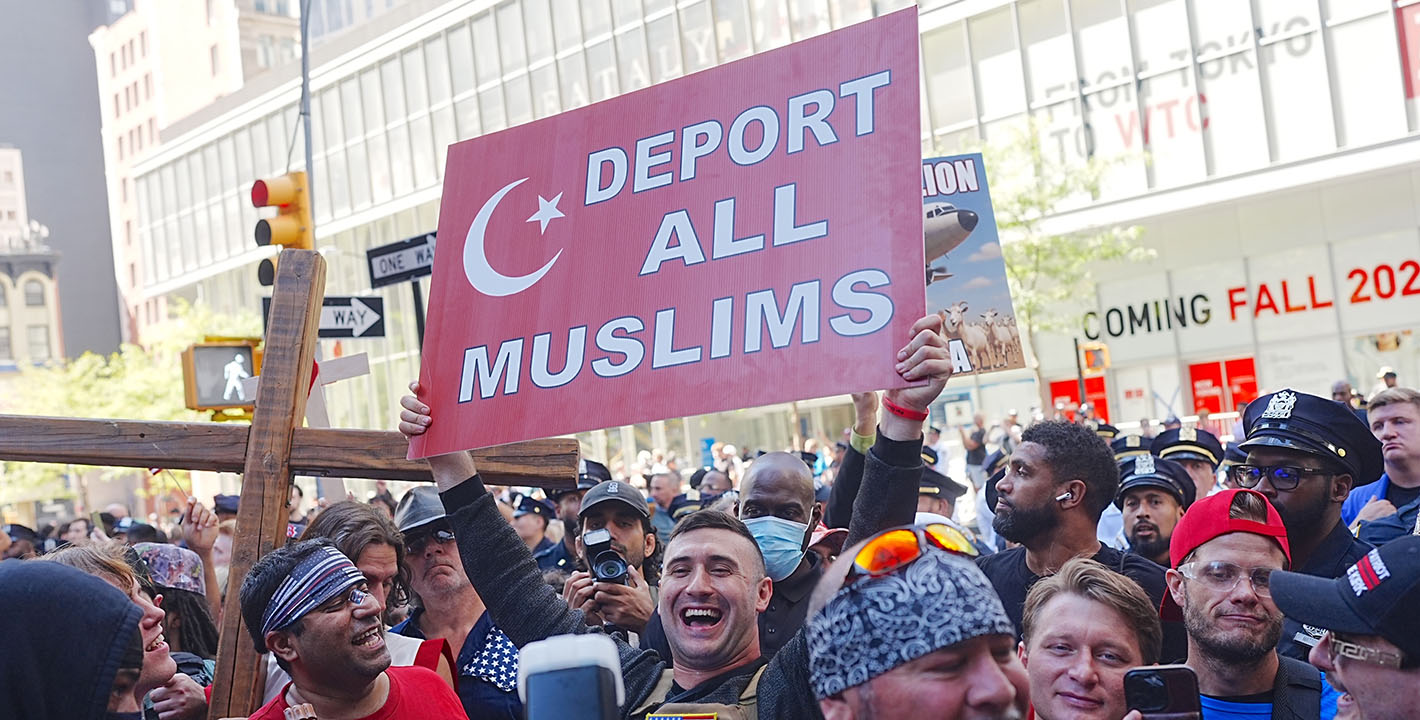
In an interview, Rozina Ali discusses her new book on the rise and manifestations of Islamophobia in the United States.

Michael Young

In an interview, Ian Lustick and Eli Clifton discuss their new book on why a prominent ally has so much influence in America.
Michael Young

As the U.S. stumbles in its war with Iran, we are likely to see an acceleration of its disengagement from the region.
Michael Young

Middle Eastern states should welcome an accelerated U.S. disengagement from their region.
Michael Young

In an interview, former ambassador Charles Freeman assesses the Trump administration’s war against Iran.
Michael Young