

Q&A
Christopher Boucek
{
  "authors": [
    "Christopher Boucek"
  ],
  "type": "legacyinthemedia",
  "centerAffiliationAll": "dc",
  "centers": [
    "Carnegie Endowment for International Peace"
  ],
  "collections": [],
  "englishNewsletterAll": "menaTransitions",
  "nonEnglishNewsletterAll": "",
  "primaryCenter": "Carnegie Endowment for International Peace",
  "programAffiliation": "MEP",
  "programs": [
    "Middle East"
  ],
  "projects": [],
  "regions": [
    "Saudi Arabia"
  ],
  "topics": [
    "Political Reform"
  ]
}
Source: Getty
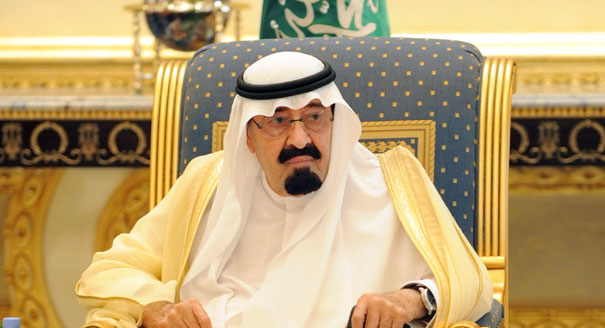
Saudi Arabia’s King Abdullah has carried out a major reshuffle of important ministries and institutions, but it would be a mistake to interpret the reshuffle as the onset of a nascent reform effort
Source: Jane's Islamic Affairs Analyst

It was the first time in King Abdullah’s three-and-a-half tenure that he has replaced such a large number of senior officials. The sweeping changes further added his authority to the state bureaucracy and elevated a number of individuals close to the king to more senior positions. On previous occasions, King Abdullah had reappointed most senior officials, while replacing only a few.
Much of the attention in the Western media has focused on the appointment of the first woman to a senior ministry position. While this appointment is groundbreaking, it obscures and is in some ways a distraction from the other wide-ranging changes undertaken by the king. Moreover, it would be a mistake to interpret the reshuffle as the onset of a nascent reform effort. Changes in the senior leadership of the justice and education ministries, as well as at the Senior Council of Ulema, Supreme Judicial Council, and the Commission for the Promotion of Virtue and Prevention of Vice indicate a further consolidation of state authority and an evolution of central control.
Former Associate, Middle East Program
Boucek was an associate in the Carnegie Middle East Program where his research focused on security challenges in the Arabian Peninsula and Northern Africa.
Recent Work
Christopher Boucek

Christopher Boucek, Karim Sadjadpour
Carnegie does not take institutional positions on public policy issues; the views represented herein are those of the author(s) and do not necessarily reflect the views of Carnegie, its staff, or its trustees.
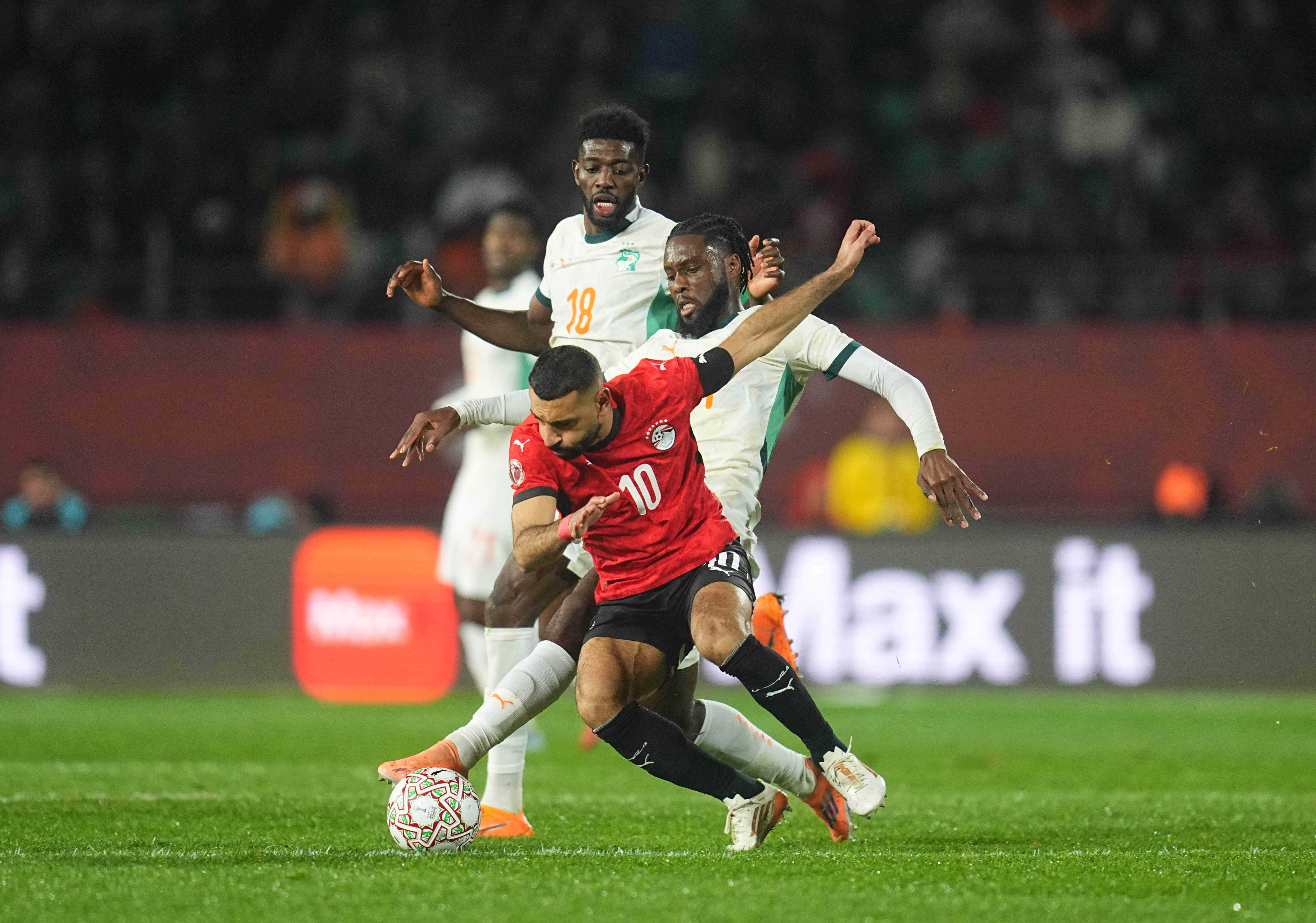
This will be the region’s most representative tournament, amid broad changes in its footballing landscape.

Issam Kayssi
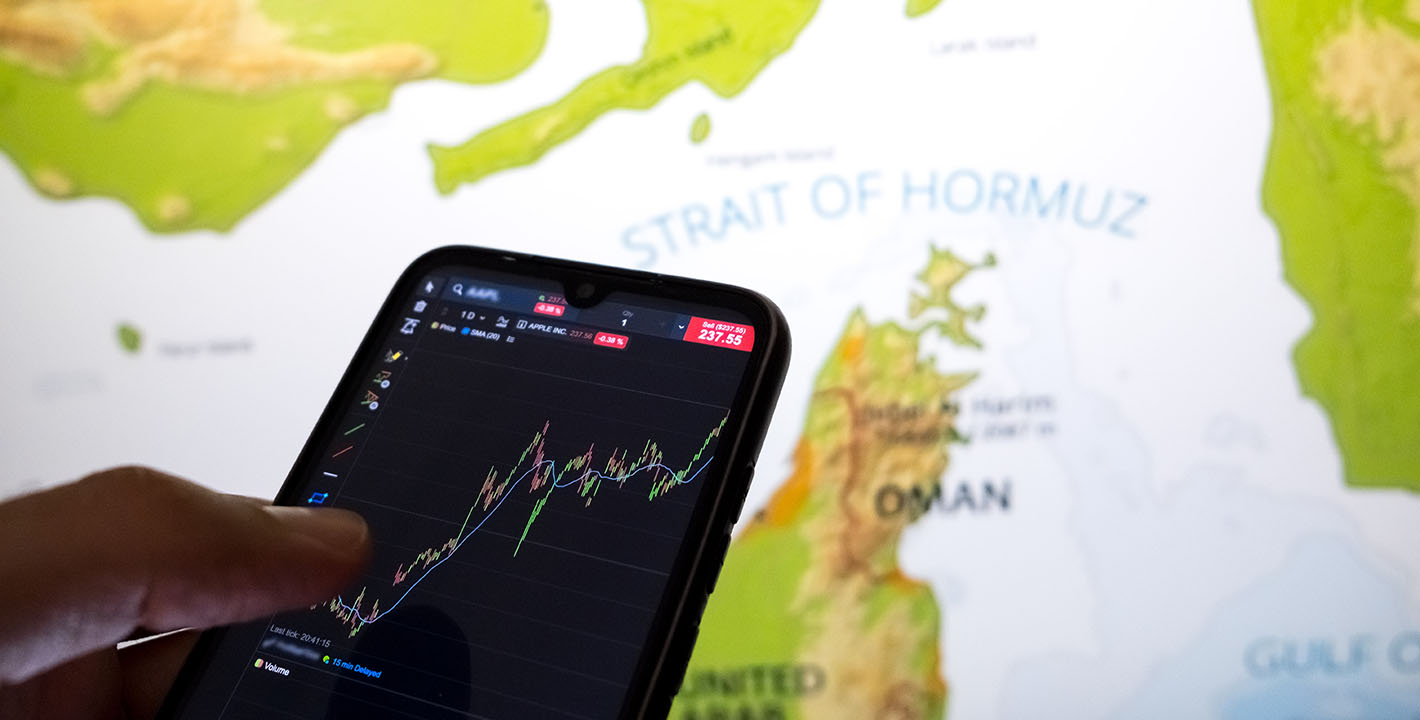
In an interview, Roger Diwan discusses where the global economy may be going in the third week of the U.S.-Israeli war with Iran.
Nur Arafeh
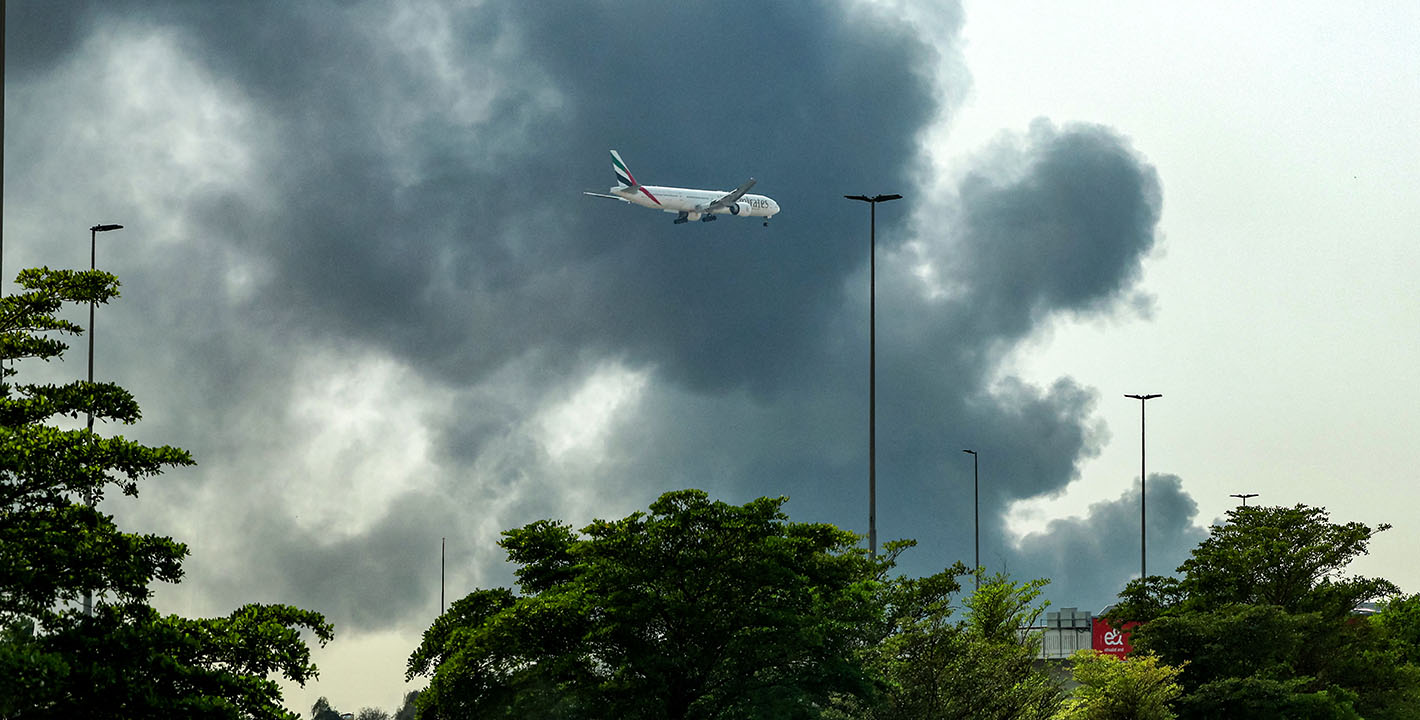
In an interview, Andrew Leber discusses the impact the U.S. and Israeli war against Iran is having on Arab Gulf states.

Michael Young
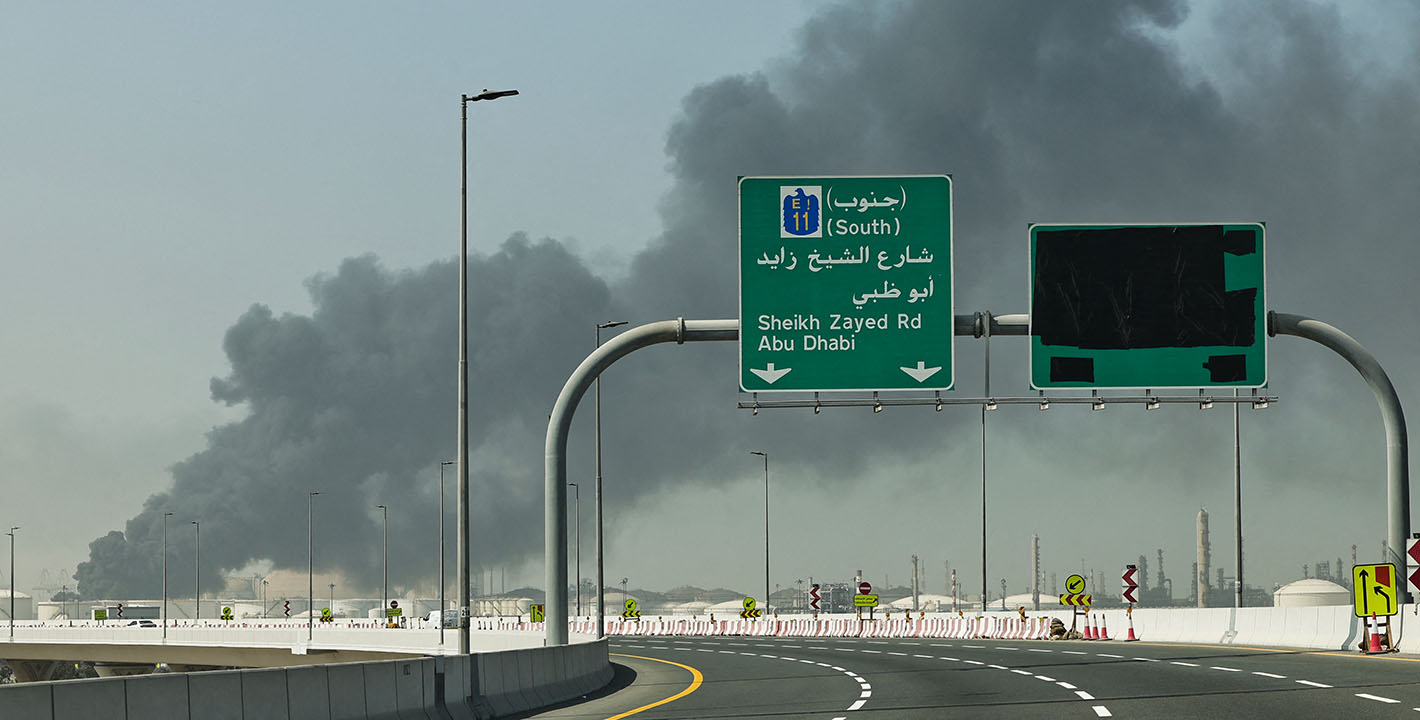
The countries in the region are managing the fallout from Iranian strikes in a paradoxical way.

Angie Omar

In an interview, Hassan Mneimneh discusses the ongoing conflict and the myriad miscalculations characterizing it.
Michael Young