• Research
  • Diwan
  • About
  • Experts
Carnegie Middle East logoCarnegie lettermark logo
LebanonIran
{
  "authors": [],
  "type": "pressRelease",
  "centerAffiliationAll": "dc",
  "centers": [
    "Carnegie Endowment for International Peace"
  ],
  "collections": [],
  "englishNewsletterAll": "menaTransitions",
  "nonEnglishNewsletterAll": "",
  "primaryCenter": "Carnegie Endowment for International Peace",
  "programAffiliation": "MEP",
  "programs": [
    "Middle East"
  ],
  "projects": [],
  "regions": [
    "Kuwait"
  ],
  "topics": [
    "Political Reform",
    "Democracy"
  ]
}
REQUIRED IMAGE

REQUIRED IMAGE

Press Release

Electoral and constitutional reforms needed to resolve Kuwait’s political paralysis

Kuwait must enact further electoral and constitutional reform to break the country’s political paralysis. Continued gridlock could lead the emir to override the constitution and dissolve the parliament, dealing a major setback to democracy in Kuwait and the region.

Link Copied
Published on Jul 2, 2009

WASHINGTON, June 25—Kuwait must enact further electoral and constitutional reform to break the country’s longstanding political paralysis. Continued gridlock could lead the emir to override the constitution and dissolve the parliament, dealing a major setback to democracy in Kuwait and the region, concludes a new commentary by Nathan J. Brown.

The contentious stalemate between Kuwait’s ruling family and parliament has called into question the sustainability of its democracy. There is a growing sense that an unconstitutional dissolution of parliament is imminent—the emir has moved beyond subtle hints to direct warnings.

Key Conclusions:

  • Kuwait’s political system gives every small group not only a voice but a veto and thus is easily paralyzed.
  • The 2006 electoral reform measure failed to diminish vote buying and tribal voting. The electoral system must encourage the formation of political blocs, rather than single-issue voting.
  • Amending the constitution to treat cabinet ministers as a cohesive unit—subject to a vote of confidence from the parliament—would force them to coordinate policy rather than focus on individual issues.
  • The political crisis in Kuwait provides an opportunity for the United States to begin rebuilding its discredited commitment to democracy in the region. The United States should encourage real reform through “polite discouragement” of an unconstitutional dissolution of the parliament.

Brown concludes:

“In earlier decades, Kuwait served as a positive model for some Gulf states. Kuwait no longer seems like such a positive model—in fact, the political stalemate in the country now serves as a negative model. A revival of Kuwaiti democracy will not lead to a ‘Gulf spring’ much less an Arab one. But it will prevent elections and parliaments from becoming symbols of stagnation and paralysis.”

###


NOTES

  • Click here to read the full commentary
  • Nathan J. Brown is director of the Institute for Middle East Studies at George Washington University, a nonresident senior associate at the Carnegie Endowment, and a distinguished scholar and author of four well-received books on Arab politics.
  • The Carnegie Middle East Program combines in-depth local knowledge with incisive comparative analysis to examine economic, socio-political, and strategic interests in the Arab world to provide analysis and recommendations in both English and Arabic that are deeply informed by knowledge and views from the region.
  • The Carnegie Middle East Center based in Beirut, Lebanon, aims to better inform the process of political change in the Middle East.
  • Carnegie's Arab Reform Bulletin offers a monthly analysis of political and economic developments in Arab countries.
  • Press Contact: Jessica Jennings, 202/939-2265, jjennings@ceip.org
Political ReformDemocracyKuwait

Carnegie does not take institutional positions on public policy issues; the views represented herein are those of the author(s) and do not necessarily reflect the views of Carnegie, its staff, or its trustees.
More Work from Malcolm H. Kerr Carnegie Middle East Center

  • Commentary
    Diwan
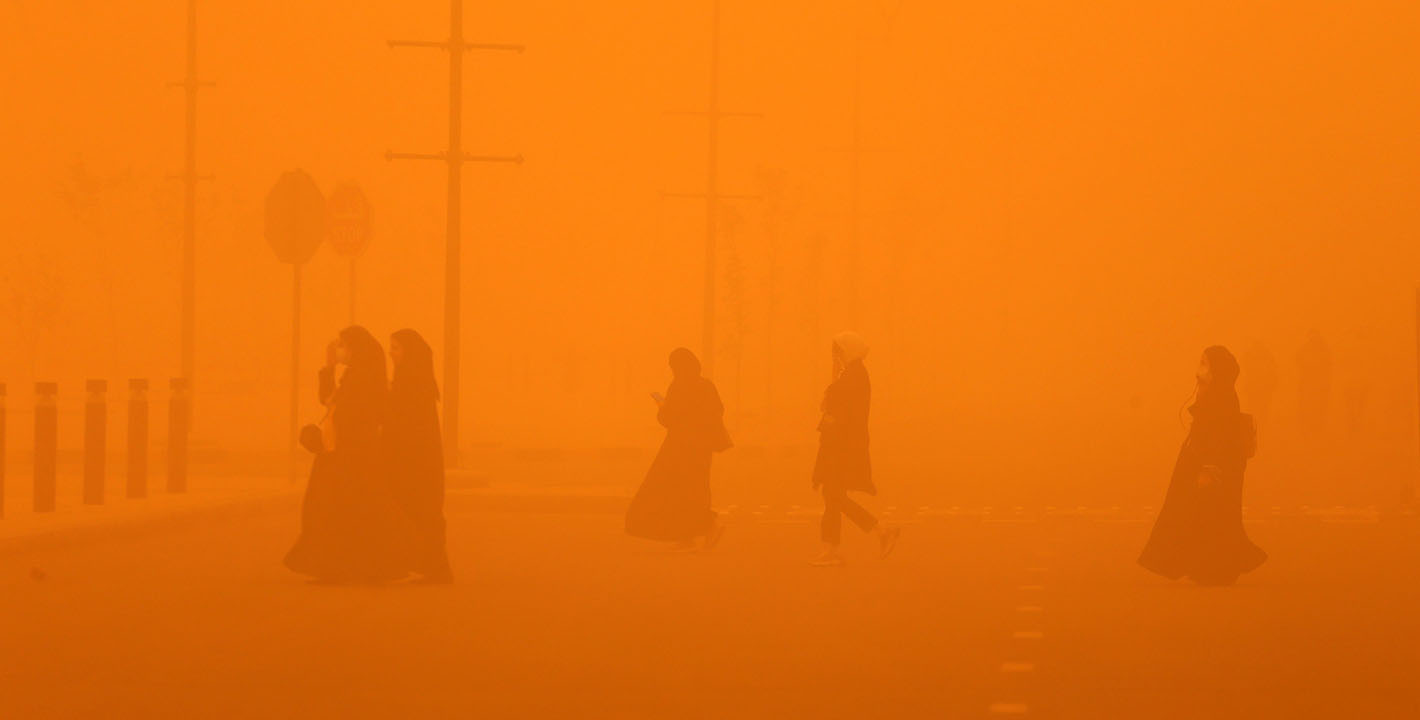
    Shockwaves Across the Gulf

    The countries in the region are managing the fallout from Iranian strikes in a paradoxical way.

      • Angie Omar

      Angie Omar

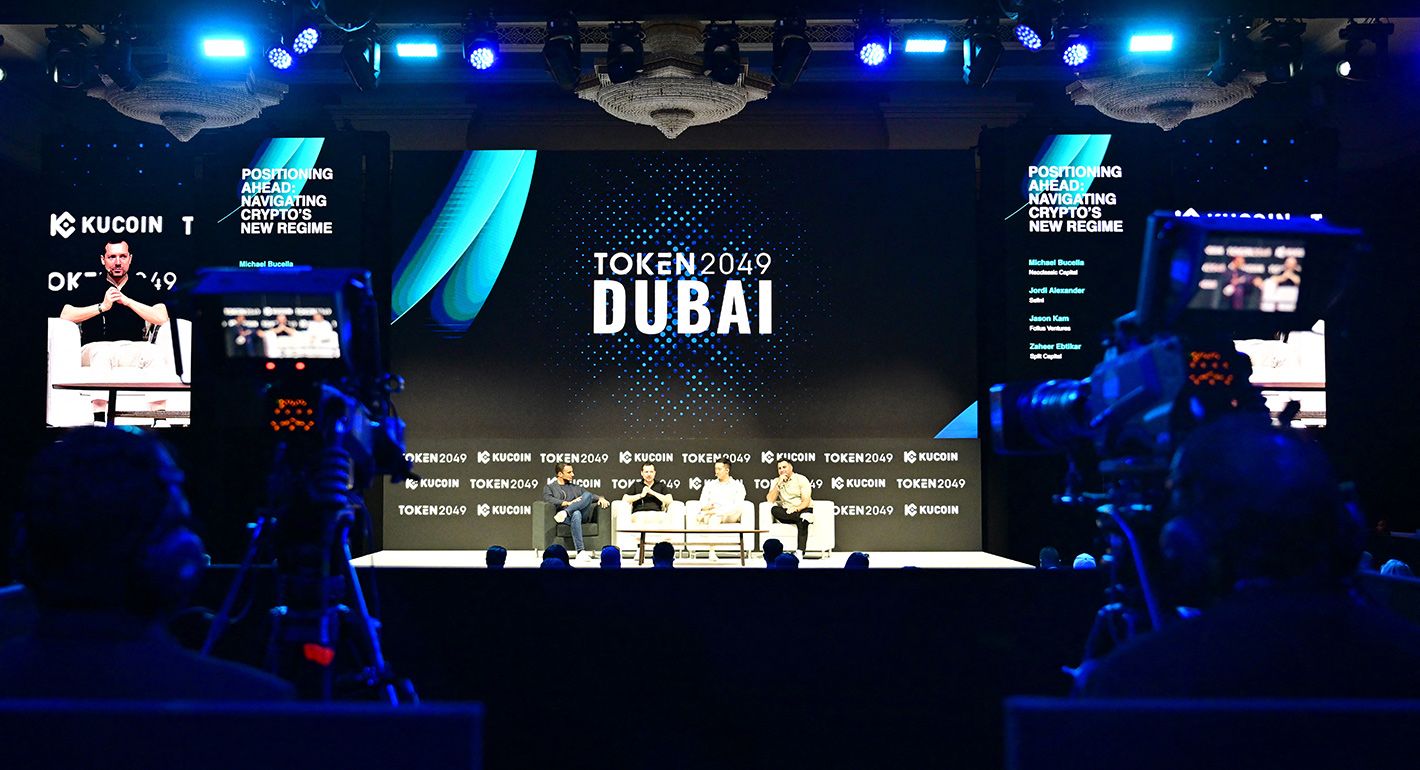
  • People attend a conference during the Token2049 conference in Dubai on April 30, 2025. (
    Article
    The Future of Cryptocurrency in the Gulf Cooperation Council Countries

    The GCC states are, to varying degrees, opening up to digital finance. This is part of an effort to diversify their economies and wean themselves off U.S.-dominated monetary systems.

      Ala’a Kolkaila
  • Civic Activisim in an Intensifying Climate Crisis
    Research
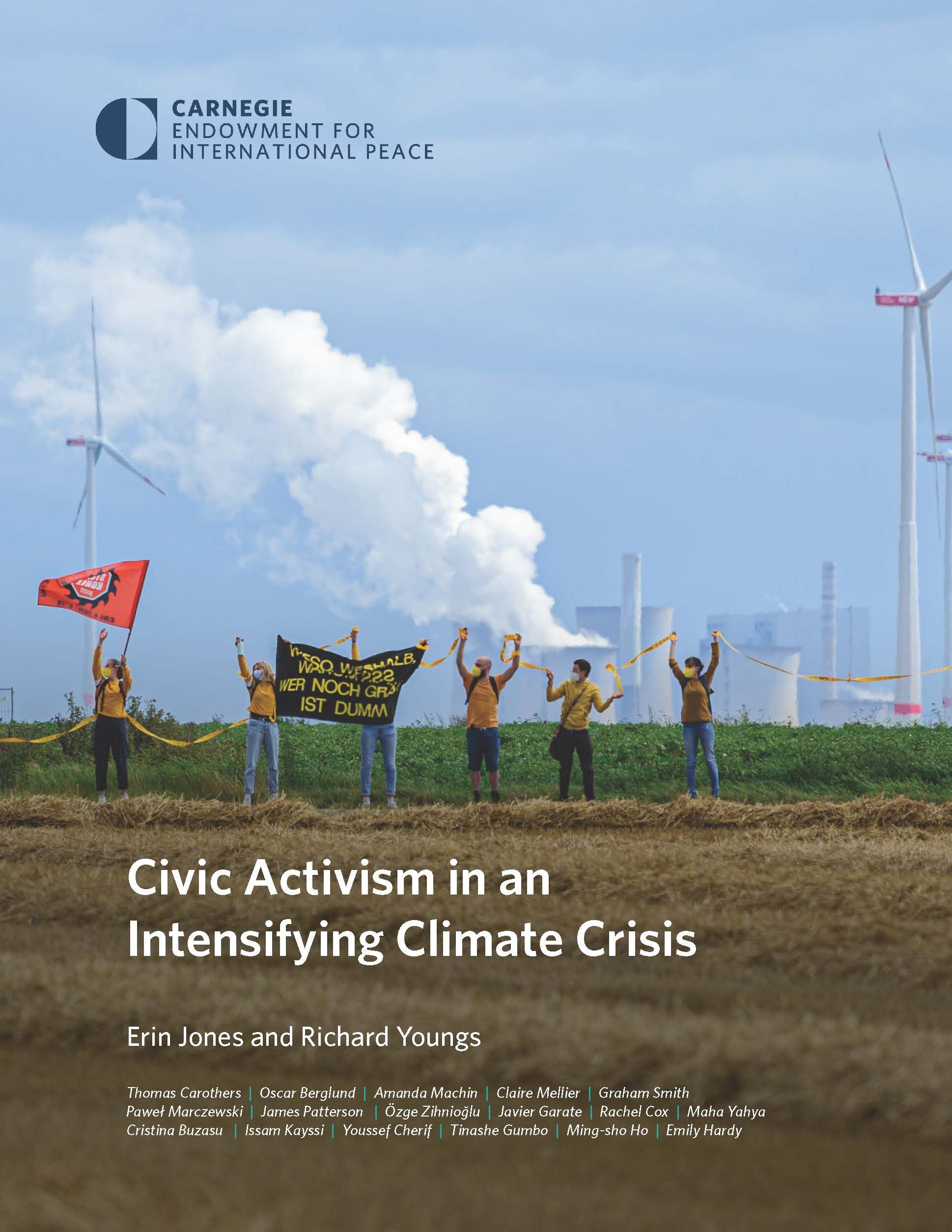
    Civic Activism in an Intensifying Climate Crisis

    To address the deepening climate crisis, climate activism is employing a wider variety of tactics and aiming at a broader set of goals. In response, the movement faces stronger repression and civic backlash against climate action.

      Erin Jones, Richard Youngs

  • Commentary
    Sada
    Navigating Danger: Syrian Refugees in Lebanon Risk Returning

    A humanitarian crisis in Lebanon deepens, and Syrian refugees face a perilous choice: remain in a war-torn environment or return to Syria where they risk encountering significant dangers and discrimination. There are significant challenges and risks to their search for safety in Syria.

      Haid Haid

  • Paper
    Borders Without a Nation: Syria, Outside Powers, and Open-Ended Instability

    In Syria’s border regions, changes in demographics, economics, and security mean that an inter-Syrian peace process will require consensus among main regional powers that Syria must remain united, that no one side can be victorious, and that perennial instability threatens the region.

      Kheder Khaddour, Armenak Tokmajyan

Get more news and analysis from
Malcolm H. Kerr Carnegie Middle East Center
Carnegie Middle East logo, white
  • Research
  • Diwan
  • About
  • Experts
  • Projects
  • Events
  • Contact
  • Careers
  • Privacy
  • For Media
Get more news and analysis from
Malcolm H. Kerr Carnegie Middle East Center
© 2026 Carnegie Endowment for International Peace. All rights reserved.