

Commentary
Uri Dadush
{
  "authors": [
    "Uri Dadush"
  ],
  "type": "legacyinthemedia",
  "centerAffiliationAll": "",
  "centers": [
    "Carnegie Endowment for International Peace"
  ],
  "collections": [],
  "englishNewsletterAll": "",
  "nonEnglishNewsletterAll": "",
  "primaryCenter": "Carnegie Endowment for International Peace",
  "programAffiliation": "",
  "programs": [],
  "projects": [],
  "regions": [
    "North America"
  ],
  "topics": [
    "Economy"
  ]
}
Source: Getty
As major economies around the world return to growth, the discussion has shifted from recession to recovery. While the recovery has arrived, there are reasons to question its strength and sustainability.
Source: Foreign Exchange with Daljit Dhaliwal
As major economies around the world return to growth, economists and policy-makers shift their focus from recession to recovery. Uri Dadush discusses these developments, explaining that “we are at the turning point, or perhaps past the turning point...The big question...is not whether we are at the beginning of a recovery; the big question...is how strong a recovery it is going be, and whether it is going be sustained.” Threatening the global recovery is reduced demand, “because the consumer, in many countries, remains very reluctant to spend.”
The epicenter of the financial crisis, the United States, faces a more protracted recovery than many other countries. “Even though many economies were worse hit than the United States, initially, they are actually in a position to recover more rapidly whereas the United States will take more time.”

Former Senior Associate, International Economics Program
Dadush was a senior associate at the Carnegie Endowment for International Peace. He focuses on trends in the global economy and is currently tracking developments in the eurozone crisis.
Recent Work
Uri Dadush
Uri Dadush
Carnegie does not take institutional positions on public policy issues; the views represented herein are those of the author(s) and do not necessarily reflect the views of Carnegie, its staff, or its trustees.
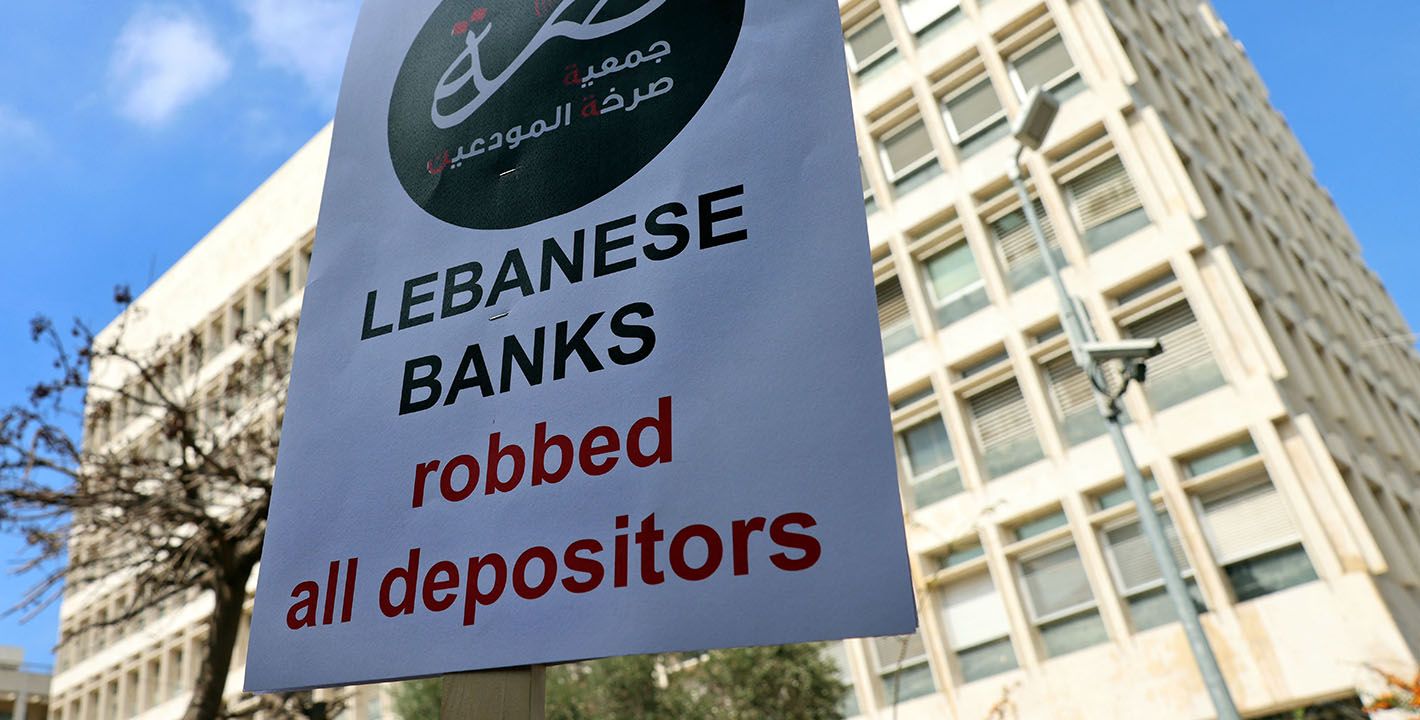
In an interview, Ishac Diwan looks at the merits and flaws in the draft legislation distributing losses from the financial collapse.

Michael Young
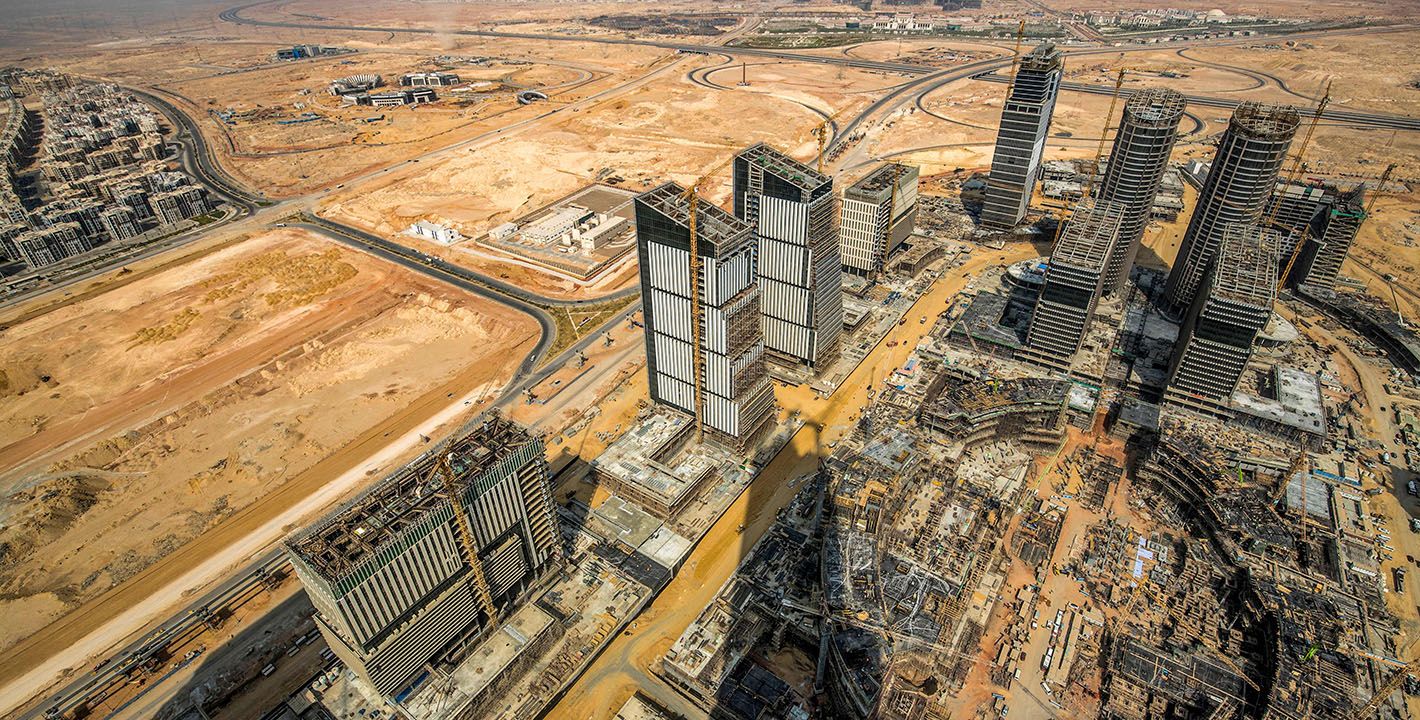
Mustaqbal Misr has expanded its portfolio with remarkable speed, but a lack of transparency remains.

Yezid Sayigh
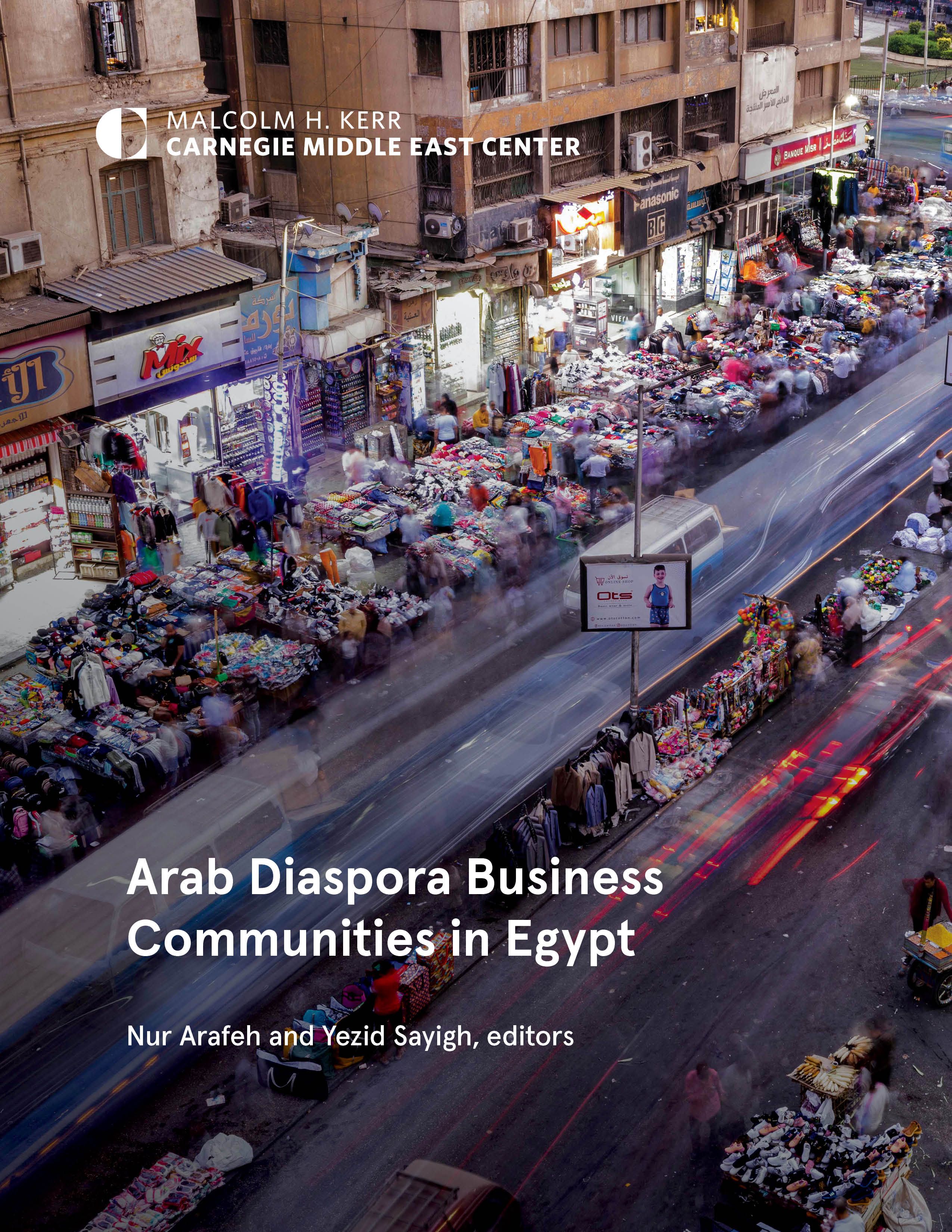
Arab diaspora business communities in Egypt often mirror the same systemic challenges facing Egyptian businesses.
Nur Arafeh, Yezid Sayigh, Qaboul al-Absi, …

Largely characterized thus far by a single-minded focus on extractivism, Riyadh must commit to greater equitability in its approach to investment and development deals with Sudan, Ethiopia, and Eritrea.

Hesham Alghannam
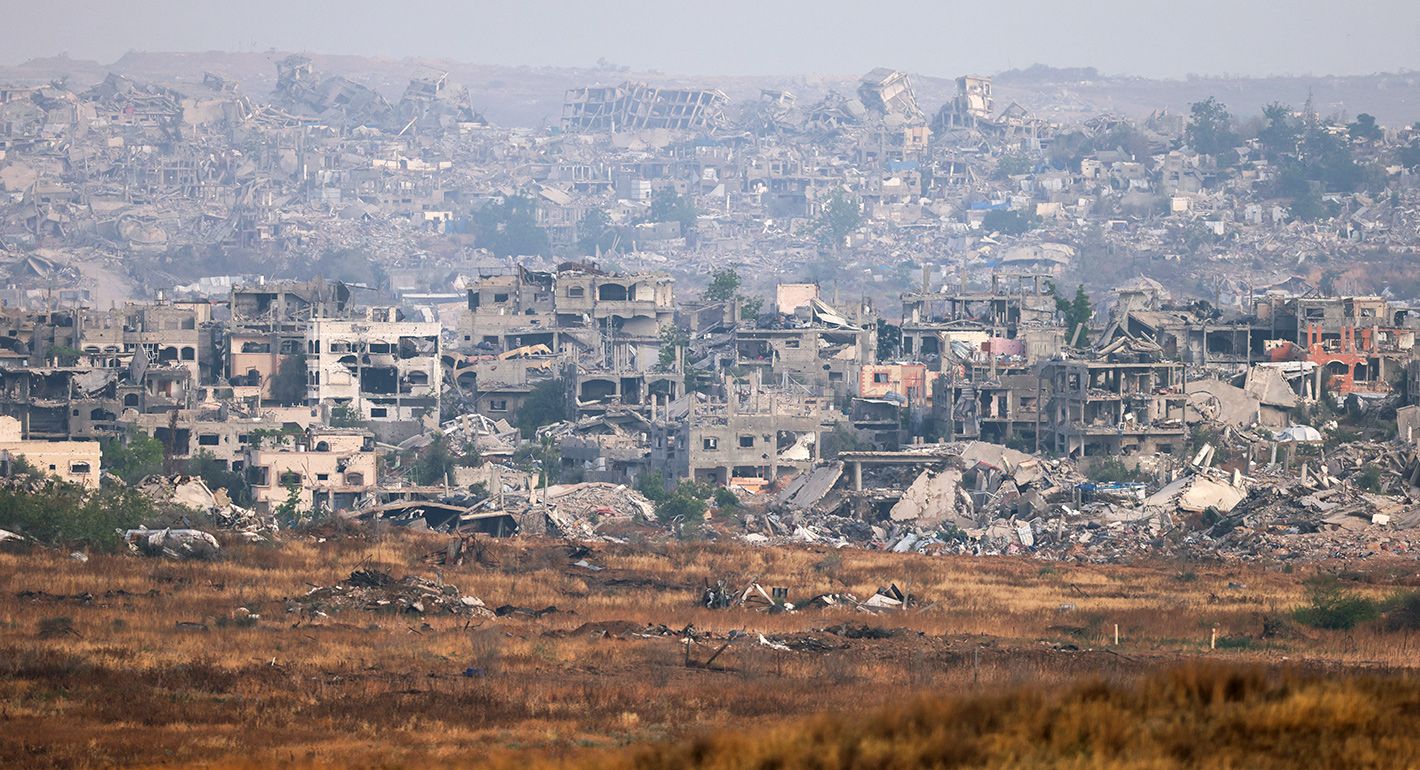
Once Israel’s war in the territory is brought to an end, the foundational principles guiding reconstruction should be Palestinian self-determination, local agency, and sovereignty.
Nur Arafeh, Mandy Turner