

Commentary
In an interview, Marc Lynch discusses his new book decrying the post-1990 U.S.-dominated order in the Middle East.
Michael Young
{
  "authors": [],
  "type": "pressRelease",
  "centerAffiliationAll": "",
  "centers": [
    "Carnegie Endowment for International Peace"
  ],
  "collections": [],
  "englishNewsletterAll": "",
  "nonEnglishNewsletterAll": "",
  "primaryCenter": "Carnegie Endowment for International Peace",
  "programAffiliation": "",
  "programs": [],
  "projects": [],
  "regions": [],
  "topics": [
    "Nuclear Policy"
  ]
}
REQUIRED IMAGE
Representing 40 non-government organizations at today’s UN conference, Jessica Mathews, president of the Carnegie Endowment, urged key governments to ratify the Comprehensive Nuclear Test Ban Treaty.
WASHINGTON, Sept 25—Representing 40 non-government organizations at today’s UN conference, Jessica Mathews, president of the Carnegie Endowment, urged key governments to ratify the Comprehensive Nuclear Test Ban Treaty.
The NGO statement, on behalf of a diverse set of nuclear nonproliferation and disarmament leaders, former public officials, and diplomats, said:
“CTBT entry into force is within reach. The next two years may represent the best opportunity to secure the future of this long-awaited and much-needed treaty. We strongly urge that like-minded pro-CTBT states work together to develop and execute a common diplomatic strategy to persuade the remaining states to sign and/or ratify the treaty before the next [CTBT] Conference two years from now.”
Speaking on the importance of the Treaty, Mathews said:
“Entry of the CTBT into force is vital and it is urgent. Nuclear proliferation is the biggest security threat of the 21st century and entry into force is an absolute prerequisite to the steps that have to be taken to plug the dangerous holes in the nonproliferation regime.”
To date, 181 states have signed the Treaty (including China and the United States) and 150 have ratified. Nine more states including—China, the DPRK, Egypt, India, Indonesia, Israel, Iran, Pakistan, and the United States—must ratify before the CTBT can formally enter into force.
###
Notes:
Carnegie does not take institutional positions on public policy issues; the views represented herein are those of the author(s) and do not necessarily reflect the views of Carnegie, its staff, or its trustees.

In an interview, Marc Lynch discusses his new book decrying the post-1990 U.S.-dominated order in the Middle East.

Michael Young
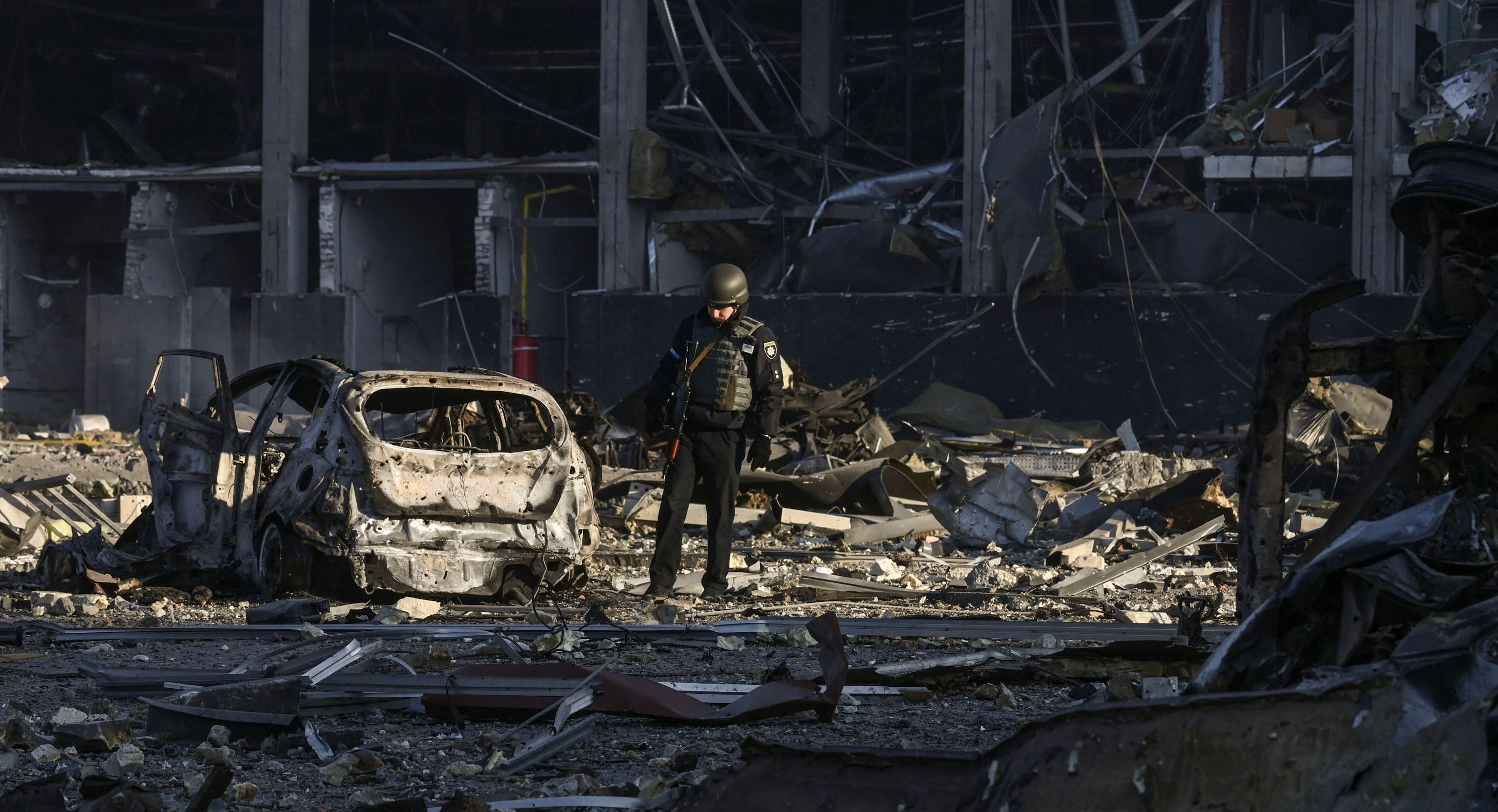
Both events also could force Washington to rethink or revive its Middle East partnerships.

Karim Sadjadpour
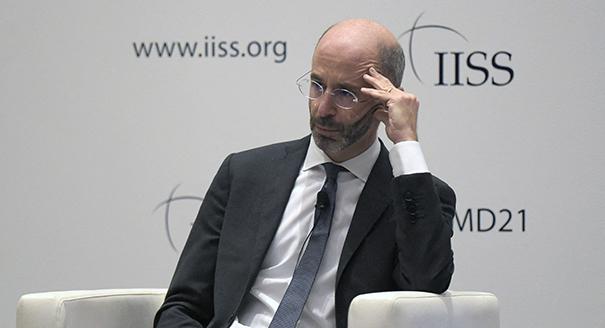
Disagreement between the United States and Iran over a revived nuclear accord may anchor volatile competition.

George Perkovich
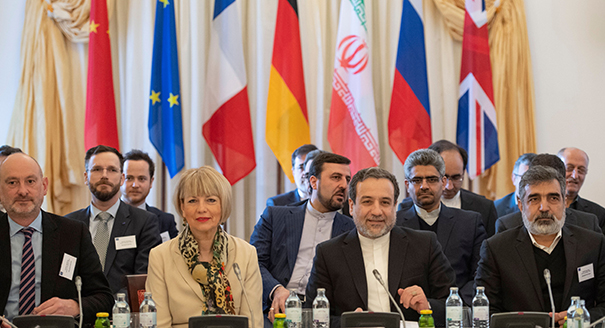
A regular survey of experts on matters relating to Middle Eastern and North African politics and security.
Michael Young
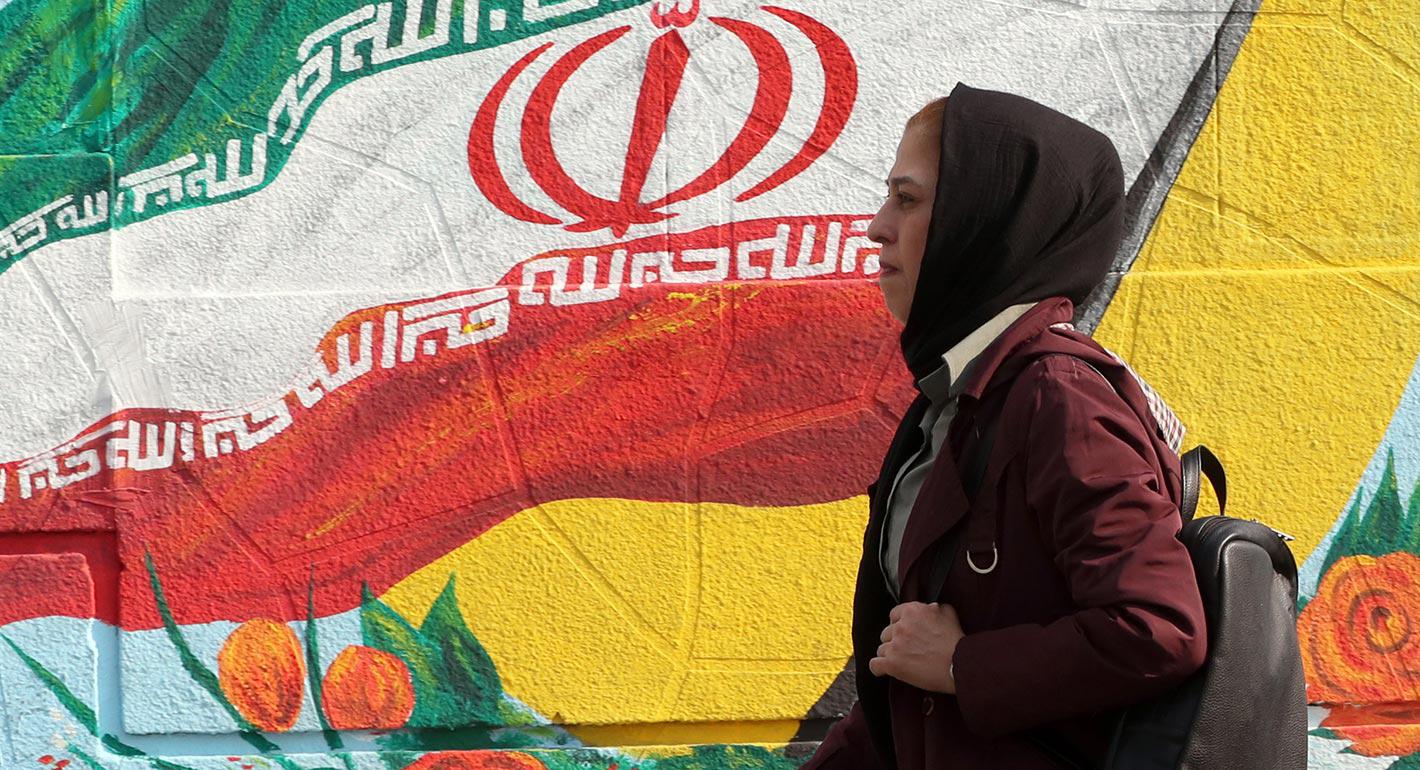
The British, French, and German foreign ministers have formally accused Iran of breaking the terms of the 2015 Iran nuclear deal, a step that could lead to sanctions. Are the Europeans preparing to pull the plug?

Jarrett Blanc