

Commentary
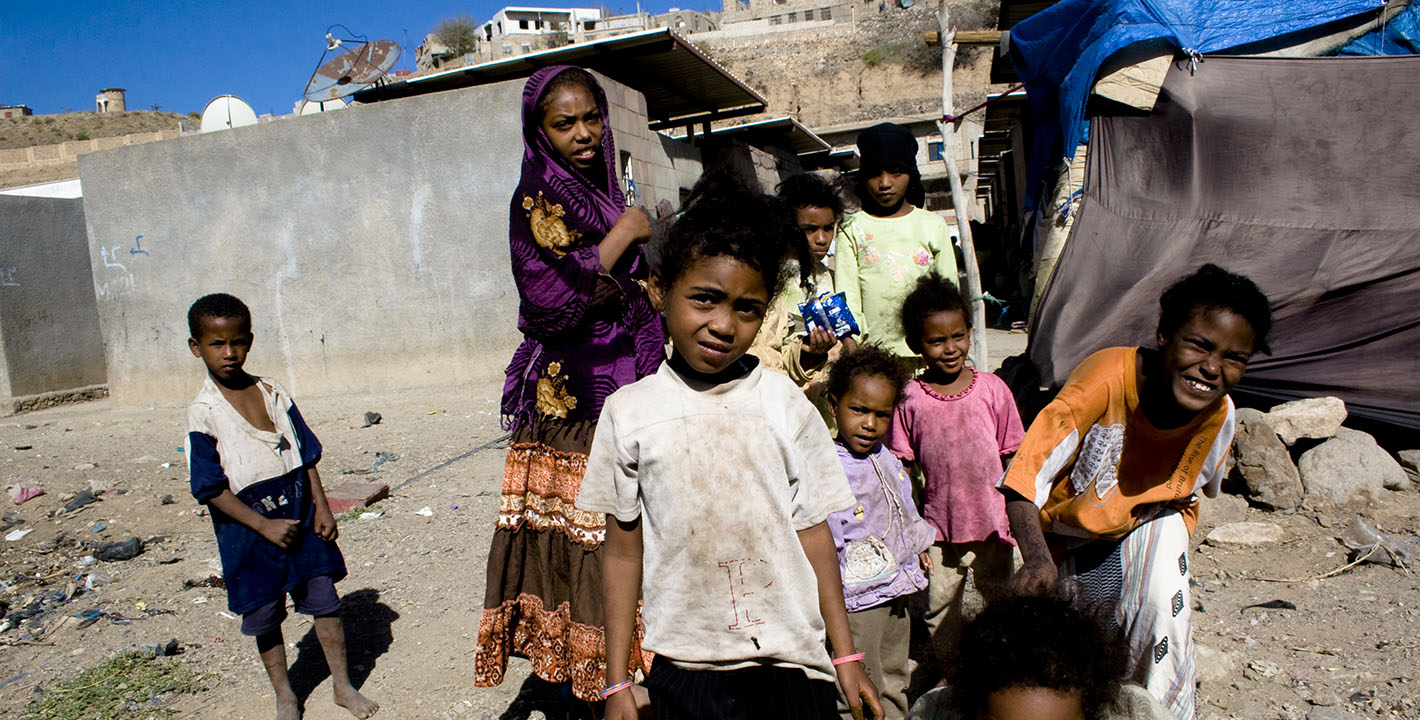
The community already suffers social discrimination, so addressing inequalities requires sustained interventions.
Musaed Aklan , Mohammad Al-Saidi
{
  "authors": [],
  "type": "pressRelease",
  "centerAffiliationAll": "dc",
  "centers": [
    "Carnegie Endowment for International Peace"
  ],
  "collections": [],
  "englishNewsletterAll": "menaTransitions",
  "nonEnglishNewsletterAll": "",
  "primaryCenter": "Carnegie Endowment for International Peace",
  "programAffiliation": "MEP",
  "programs": [
    "Middle East"
  ],
  "projects": [],
  "regions": [
    "Yemen"
  ],
  "topics": []
}
REQUIRED IMAGE
A volatile mix of competing factions within Yemen’s major Islamist party is preventing the group from developing a clear platform. Tribal, Muslim Brotherhood, and Salafi elements within the Yemeni Congregation for Reform (Islah) has led to a lack of unity and hampered the party’s performance.
BEIRUT, Nov 12—A volatile mix of competing factions within Yemen’s major Islamist party is preventing the group from developing a clear platform. Tribal, Muslim Brotherhood, and Salafi elements within the Yemeni Congregation for Reform (Islah) has led to a lack of unity and hampered the party’s performance, explains Amr Hamzawy in a new paper.
Originally an ally of the ruling General People’s Congress (GPC) and a junior member in the government following the unification of North and South Yemen in 1990, Islah joined the opposition in 1997 in protest over the government’s lack of progress on democratic reforms. It has continued to switch sides on key policy issues between the ruling party and the opposition ever since.
Key Conclusions:
“Although Islah’s long-standing internal divisions have hindered the party’s parliamentary prospects, more than anything, the concentration of power in the hands of President Saleh and the ruling GPC has stifled its legislative success,” Hamzawy cautions. “At this level, the experience of Islamists in Yemen corresponds to the wider regional pattern of Islamist parties and movements, which have proven ineffective in opposition to authoritarian regimes.”
###
NOTES
Carnegie does not take institutional positions on public policy issues; the views represented herein are those of the author(s) and do not necessarily reflect the views of Carnegie, its staff, or its trustees.
The community already suffers social discrimination, so addressing inequalities requires sustained interventions.
Musaed Aklan , Mohammad Al-Saidi
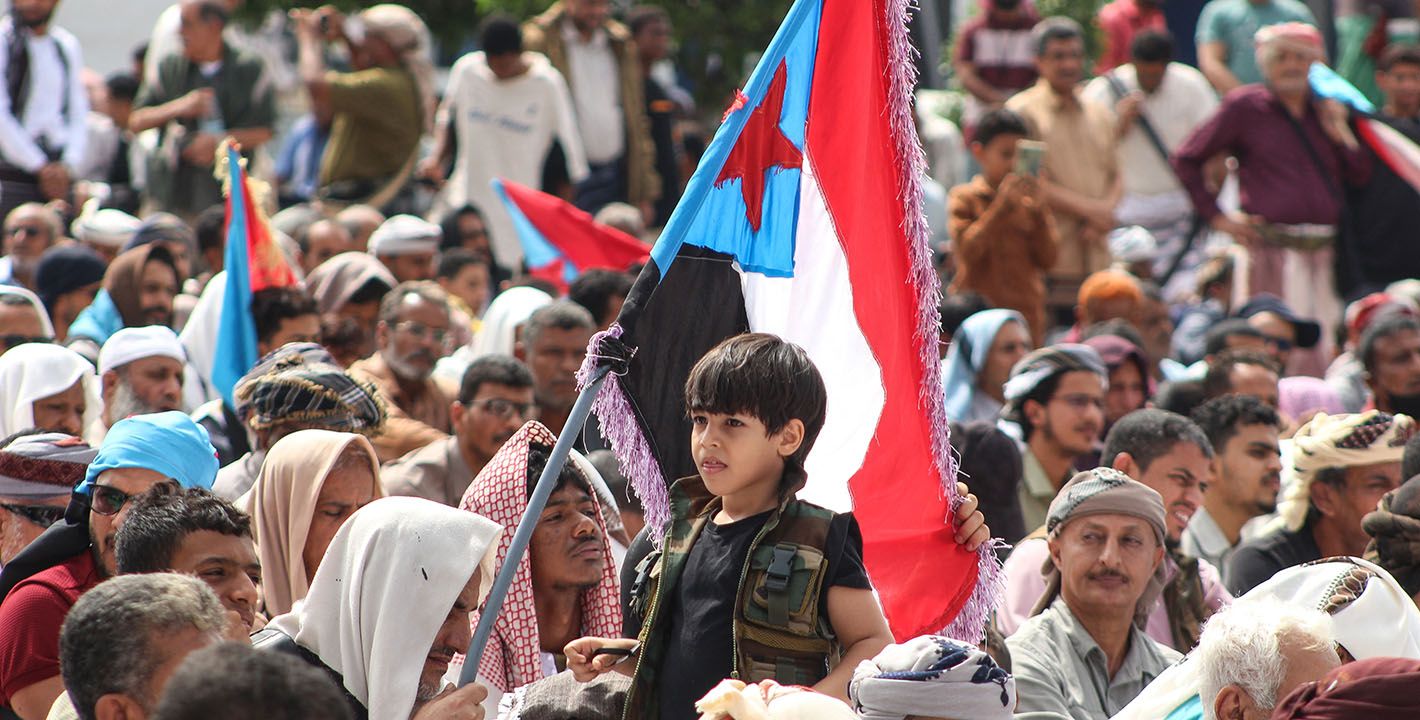
In an interview, Ibrahim Jalal discusses the Southern Transitional Council’s recent takeover of Hadhramawt and Mahra.

Michael Young
Arab diaspora business communities in Egypt often mirror the same systemic challenges facing Egyptian businesses.


Nur Arafeh, Yezid Sayigh, Qaboul al-Absi, …
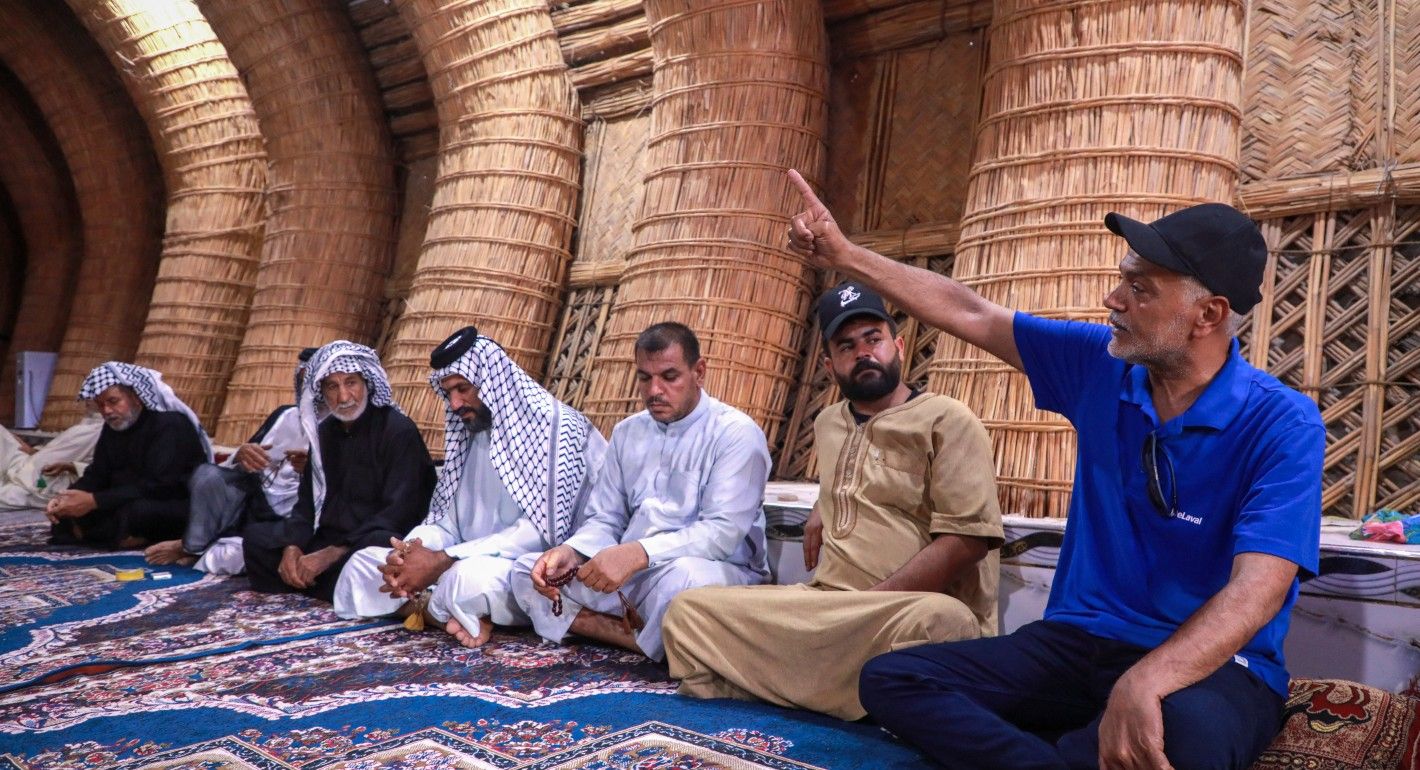
In fragmented political contexts, climate activism is a way to contest both ecological harm and the structures of violence and neglect that allow it to persist.


Issam Kayssi, Mohanad Hage Ali
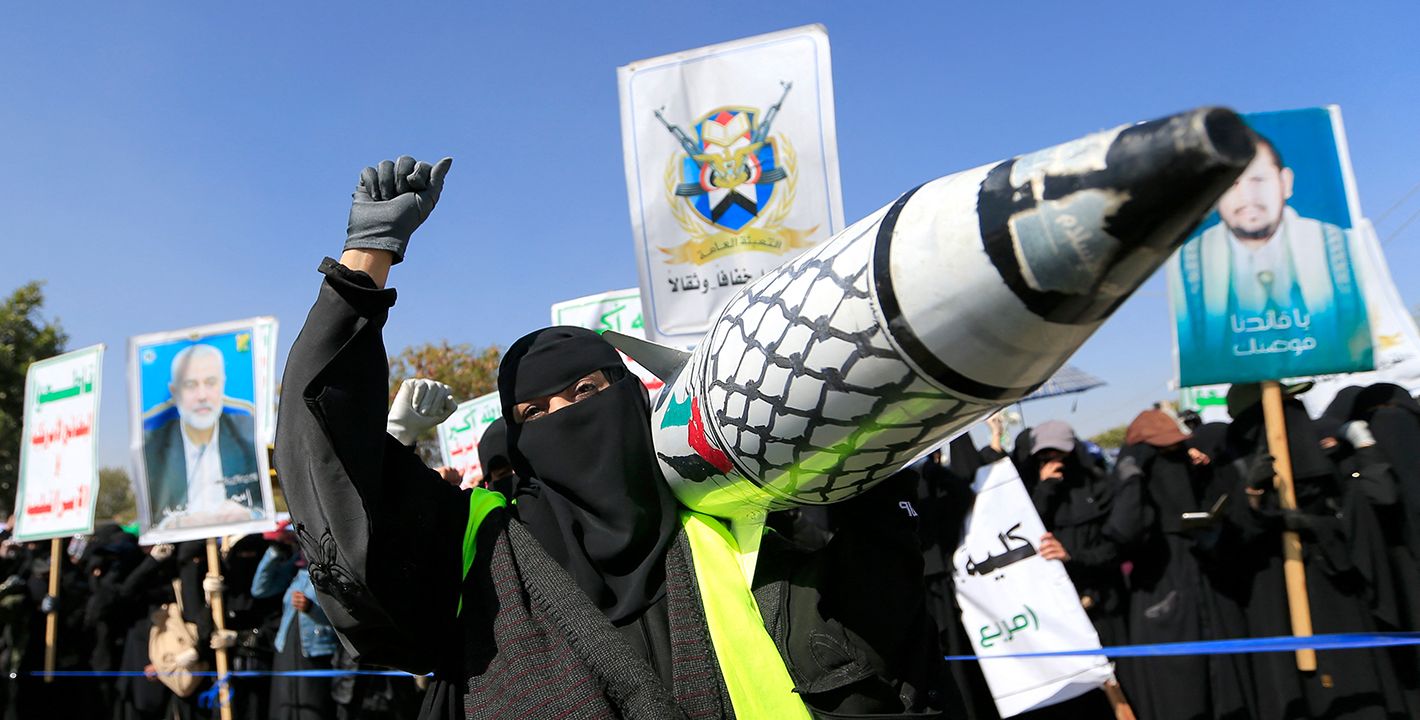
The Zainabiyyat battalion has been able to access traditionally inaccessible spaces in Yemen.
Doaa Mohammed