

Q&A
Christopher Boucek
{
  "authors": [
    "Christopher Boucek"
  ],
  "type": "legacyinthemedia",
  "centerAffiliationAll": "dc",
  "centers": [
    "Carnegie Endowment for International Peace"
  ],
  "collections": [],
  "englishNewsletterAll": "menaTransitions",
  "nonEnglishNewsletterAll": "",
  "primaryCenter": "Carnegie Endowment for International Peace",
  "programAffiliation": "MEP",
  "programs": [
    "Middle East"
  ],
  "projects": [],
  "regions": [
    "Saudi Arabia",
    "Yemen"
  ],
  "topics": [
    "Political Reform",
    "Security"
  ]
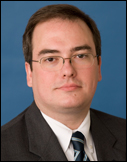
}
Source: Getty
Saudi Arabia’s biggest internal challenge continues to be reconciling its conservative, religious identity with the politics of the modern world; while it grapples with fundamental political questions regarding religion and state, it must also deal with regional challenges that threaten its security.
Source: Al Jazeera's Riz Khan Show
The continued discourse in Saudi Arabia concerning the role of Islam in society and politics has far-reaching implications. According to Christopher Boucek, because of the “power of Saudi Arabia in the global Muslim community and its powerful economic and political role in the Gulf, how Saudi goes much of the global Muslim community goes.” As Saudi Arabia continues to face these challenging political questions, it must also face instability caused by the on-going crises emanating from Yemen. Although, the “the Houthi rebellion itself is no threat to Saudi Arabia, the overall instability in Yemen is of great concern to it,” Boucek explains.
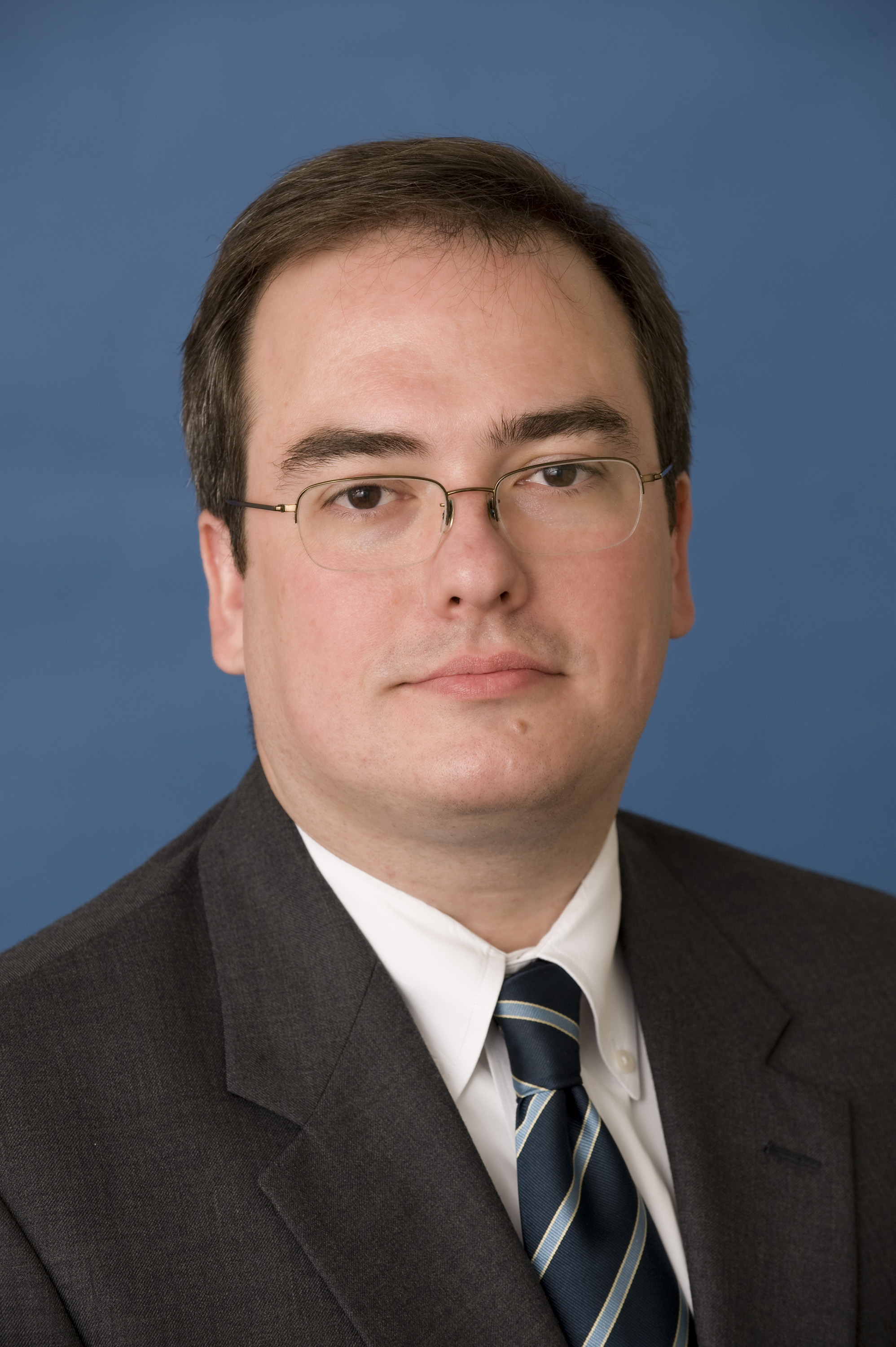
Former Associate, Middle East Program
Boucek was an associate in the Carnegie Middle East Program where his research focused on security challenges in the Arabian Peninsula and Northern Africa.
Recent Work
Christopher Boucek

Christopher Boucek, Karim Sadjadpour
Carnegie does not take institutional positions on public policy issues; the views represented herein are those of the author(s) and do not necessarily reflect the views of Carnegie, its staff, or its trustees.
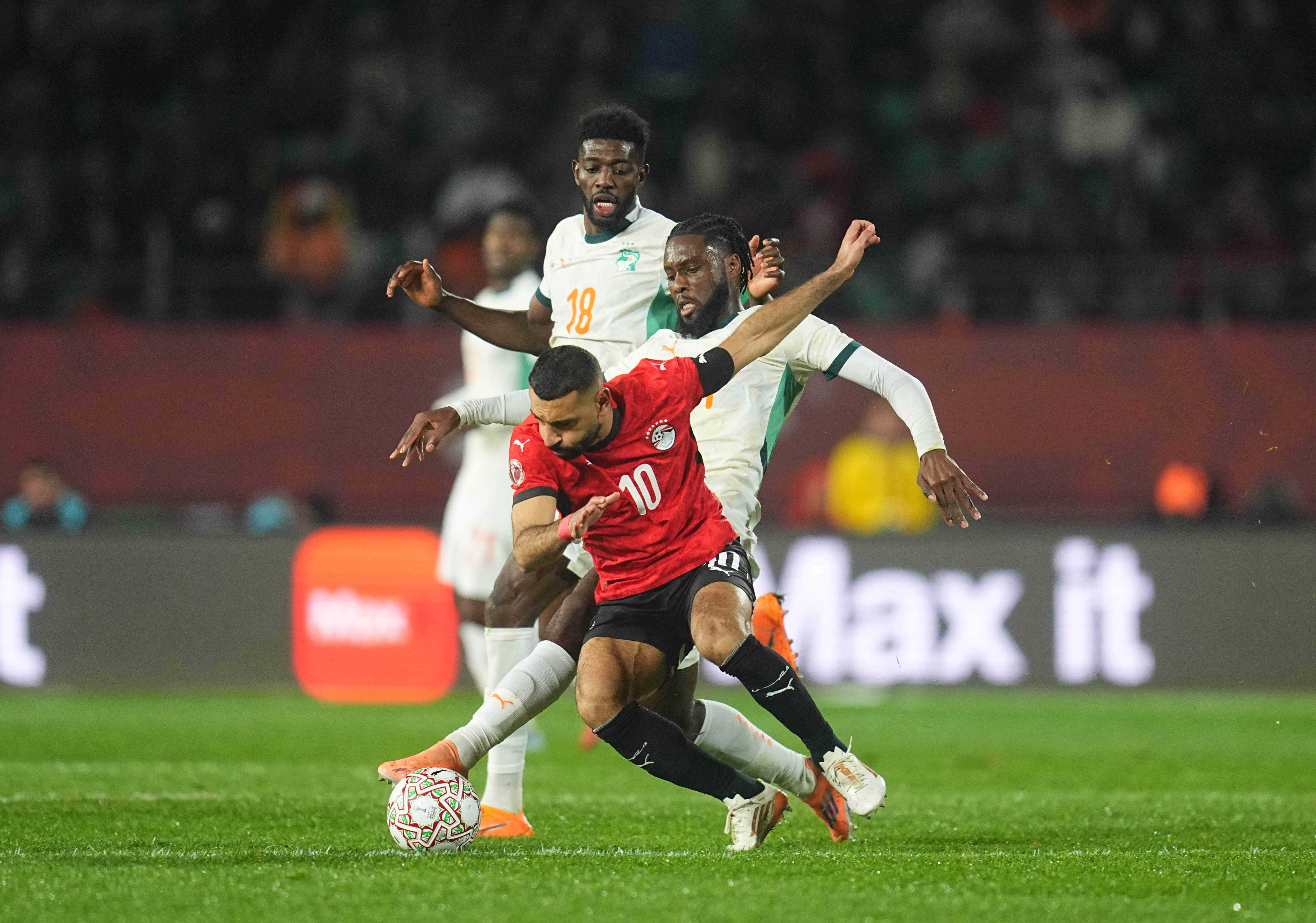
This will be the region’s most representative tournament, amid broad changes in its footballing landscape.

Issam Kayssi
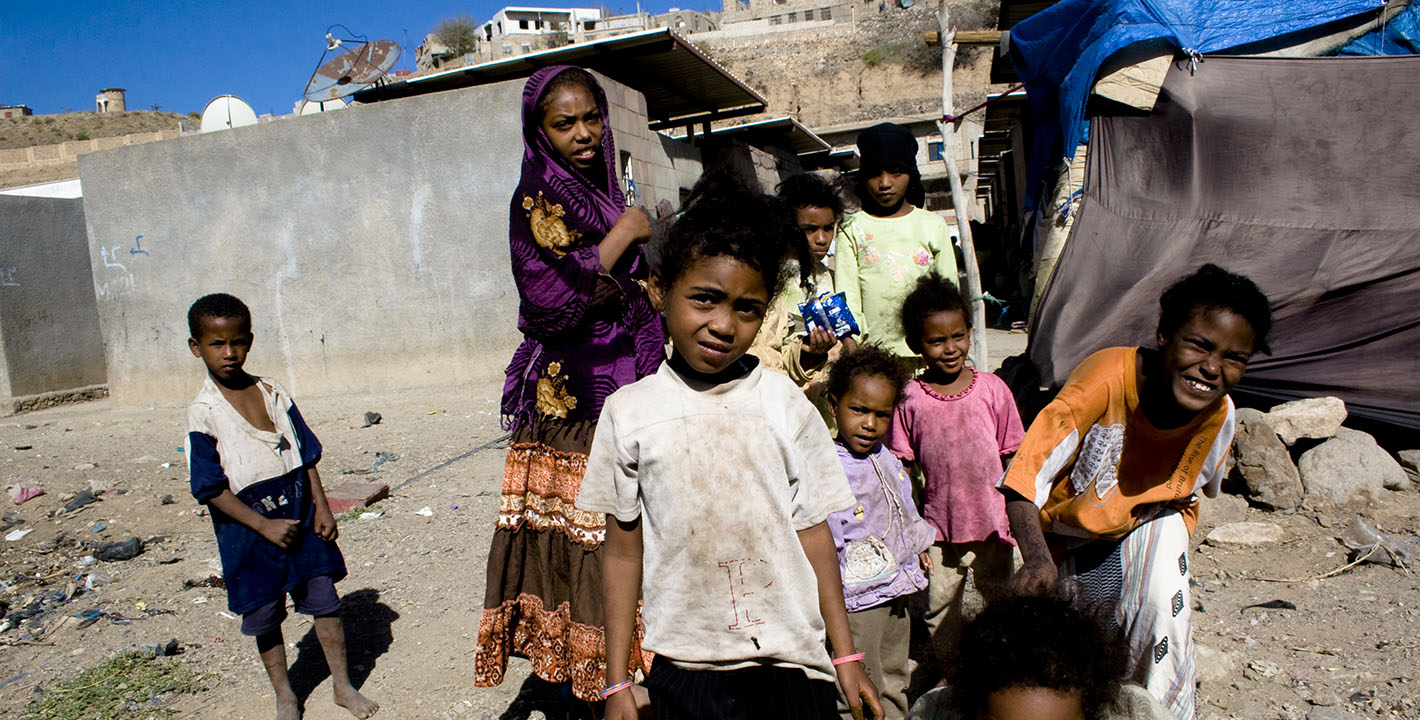
The community already suffers social discrimination, so addressing inequalities requires sustained interventions.
Musaed Aklan , Mohammad Al-Saidi
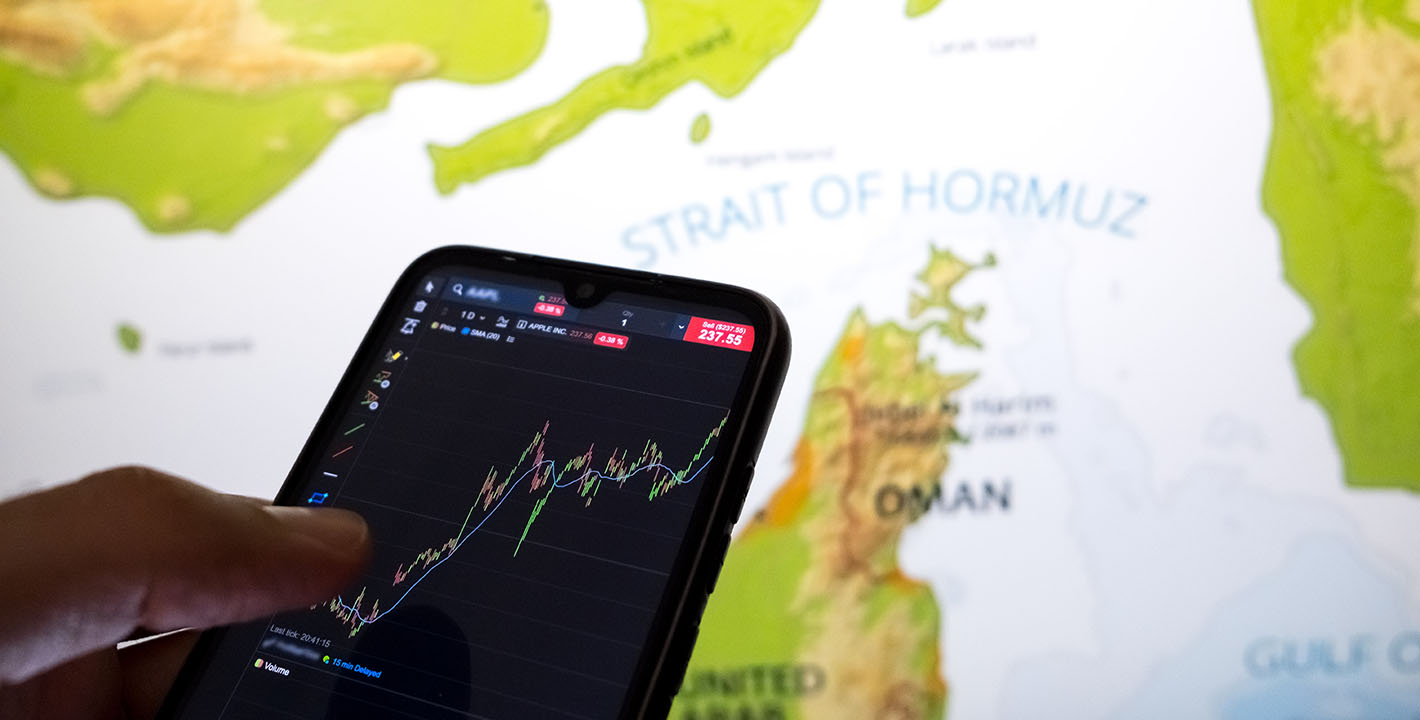
In an interview, Roger Diwan discusses where the global economy may be going in the third week of the U.S.-Israeli war with Iran.
Nur Arafeh
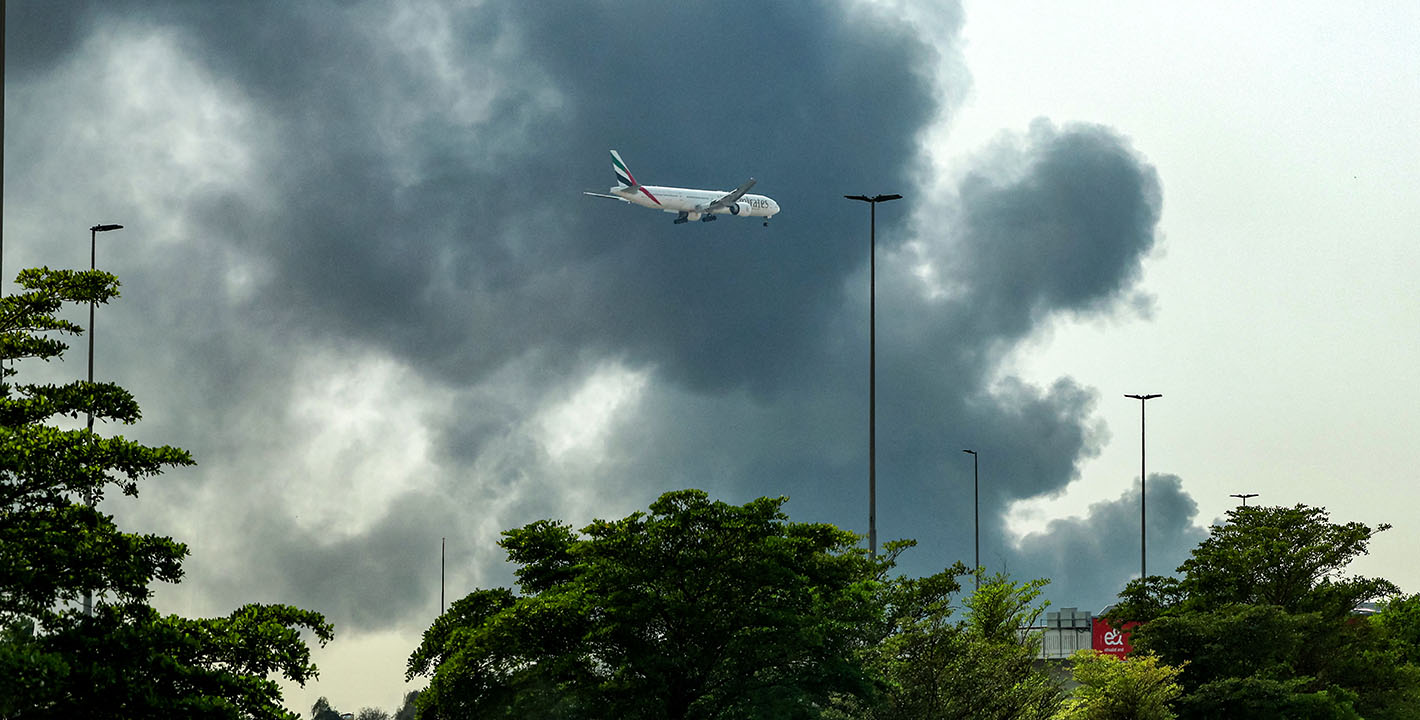
In an interview, Andrew Leber discusses the impact the U.S. and Israeli war against Iran is having on Arab Gulf states.

Michael Young

In an interview, Hassan Mneimneh discusses the ongoing conflict and the myriad miscalculations characterizing it.
Michael Young