• Research
  • Diwan
  • About
  • Experts
Carnegie Middle East logoCarnegie lettermark logo
PalestineSyria
{
  "authors": [
    "James M. Acton"
  ],
  "type": "other",
  "centerAffiliationAll": "dc",
  "centers": [
    "Carnegie Endowment for International Peace"
  ],
  "collections": [],
  "englishNewsletterAll": "",
  "nonEnglishNewsletterAll": "",
  "primaryCenter": "Carnegie Endowment for International Peace",
  "programAffiliation": "NPP",
  "programs": [
    "Nuclear Policy"
  ],
  "projects": [],
  "regions": [],
  "topics": [
    "Nuclear Policy"
  ]
}

Source: Getty

Other

Verifying Zero: Long-Term Aims, Short-Term Steps

Nuclear-armed states and non-nuclear-weapon states alike can and should work together in the short term to overcome the technical challenges of verifying disarmament and help advance the longer-term goal of abolishing nuclear weapons.

Link Copied
By James M. Acton
Published on Jan 1, 2010

Source: UNODA Occasional Paper No. 18

Verifying nuclear disarmament poses an unprecedented technical challenge. There can never be certainty that nuclear-armed States have not retained militarily significant stockpiles of fissile material. In the short term, to help prevent these uncertainties from becoming a roadblock in the future, these steps could, inter alia, (a) collect and archive information about fissile material production; (b) place information about fissile material production and holdings in the public domain; (c) be more transparent about civilian nuclear materials; and (d) implement the proposed Fissile Material Control Initiative. On their part, non-nuclear-weapon states could be prepared to recognize these as meaningful steps towards disarmament.

About the Author

James M. Acton

Jessica T. Mathews Chair, Co-director, Nuclear Policy Program

Acton holds the Jessica T. Mathews Chair and is co-director of the Nuclear Policy Program at the Carnegie Endowment for International Peace.

    Recent Work

  • Other
    Unpacking Trump’s National Security Strategy
      • Cecily Brewer
      • +18

      James M. Acton, Saskia Brechenmacher, Cecily Brewer, …

  • Commentary
    Trump Has an Out on Nuclear Testing. He Should Take It.

      James M. Acton

James M. Acton
Jessica T. Mathews Chair, Co-director, Nuclear Policy Program
James M. Acton
Nuclear Policy

Carnegie does not take institutional positions on public policy issues; the views represented herein are those of the author(s) and do not necessarily reflect the views of Carnegie, its staff, or its trustees.
More Work from Malcolm H. Kerr Carnegie Middle East Center

  • Commentary
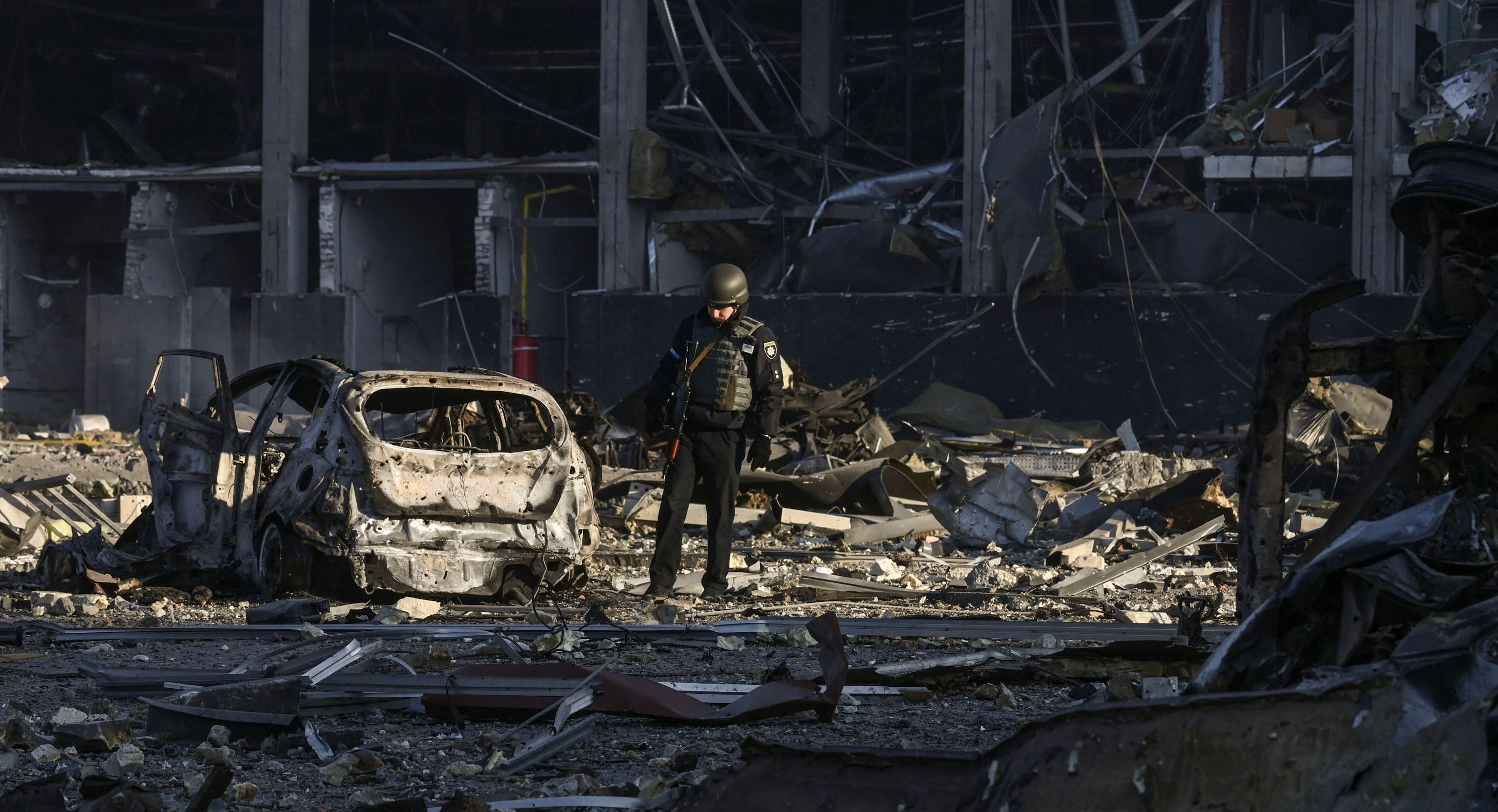
    How Tehran Is Connecting the Ukraine Invasion to the Iran Deal

    Both events also could force Washington to rethink or revive its Middle East partnerships.

      Karim Sadjadpour
  • Commentary
    Diwan
    A Ticking Time-Bomb?

    Disagreement between the United States and Iran over a revived nuclear accord may anchor volatile competition.

      George Perkovich
  • Commentary
    Diwan
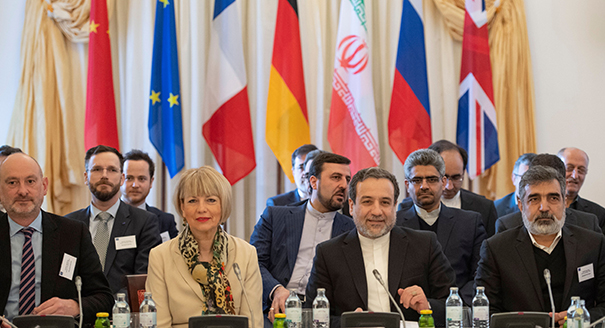
    What Does It Mean that European States Have Triggered the Dispute Resolution Mechanism in the Nuclear Deal With Iran?

    A regular survey of experts on matters relating to Middle Eastern and North African politics and security.

      Michael Young
  • Commentary
    What Europe’s Dispute about Iran’s Nuclear Program Means

    The British, French, and German foreign ministers have formally accused Iran of breaking the terms of the 2015 Iran nuclear deal, a step that could lead to sanctions. Are the Europeans preparing to pull the plug?

      Jarrett Blanc
  • Commentary
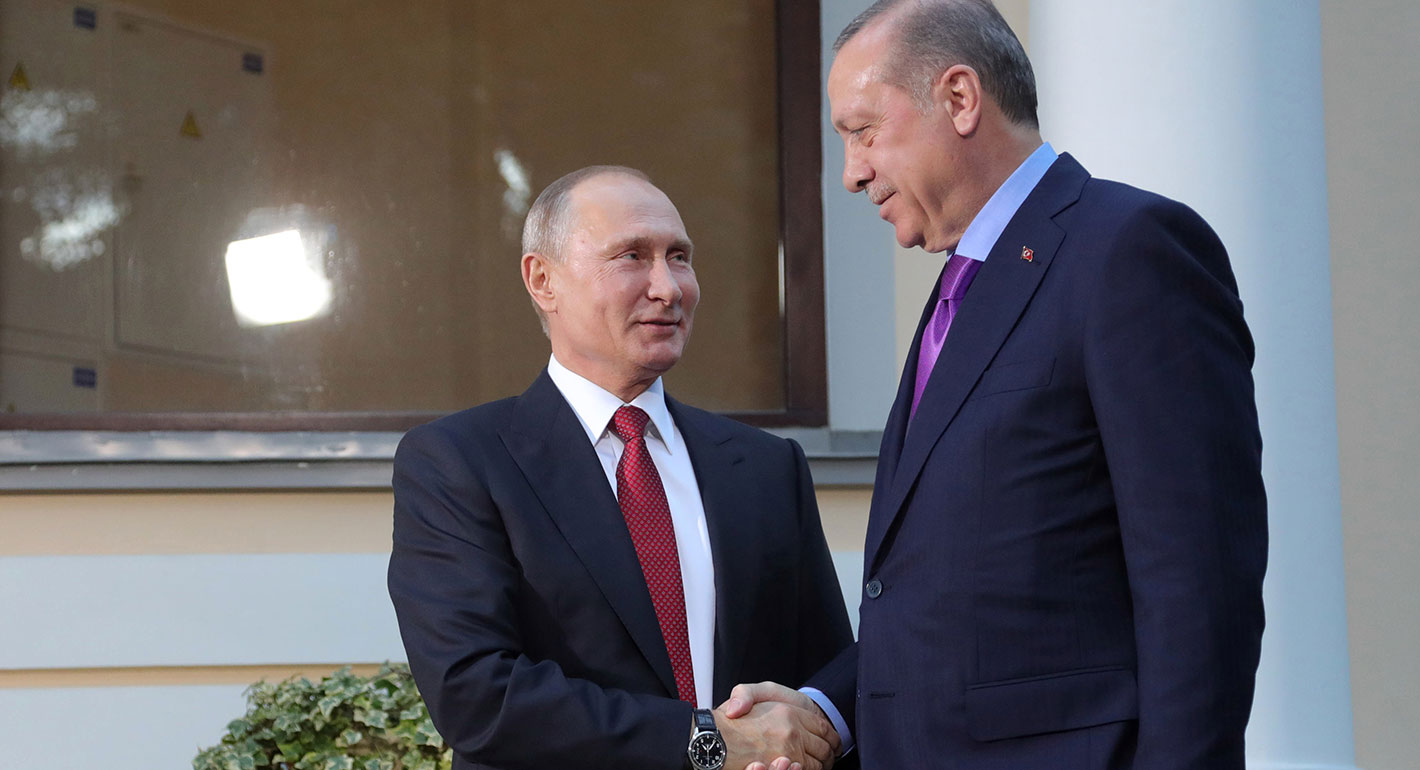
    Scratching Erdogan’s Nuclear Itch

    Although Turkey is not likely to pursue a nuclear weapons program, it is expanding its nuclear industry by partnering with Russia.

      Mark Hibbs

Get more news and analysis from
Malcolm H. Kerr Carnegie Middle East Center
Carnegie Middle East logo, white
  • Research
  • Diwan
  • About
  • Experts
  • Projects
  • Events
  • Contact
  • Careers
  • Privacy
  • For Media
Get more news and analysis from
Malcolm H. Kerr Carnegie Middle East Center
© 2026 Carnegie Endowment for International Peace. All rights reserved.