

Q&A
Deepti Choubey
{
  "authors": [
    "Deepti Choubey"
  ],
  "type": "legacyinthemedia",
  "centerAffiliationAll": "dc",
  "centers": [
    "Carnegie Endowment for International Peace"
  ],
  "collections": [],
  "englishNewsletterAll": "ctw",
  "nonEnglishNewsletterAll": "",
  "primaryCenter": "Carnegie Endowment for International Peace",
  "programAffiliation": "NPP",
  "programs": [
    "Nuclear Policy"
  ],
  "projects": [],
  "regions": [
    "Middle East",
    "Iran"
  ],
  "topics": [
    "Nuclear Policy"
  ]
}
Source: Getty
The current discussion in the UN Security Council regarding a fourth sanctions resolution against Iran is a result of Iran's inability to convince the international community of its peaceful nuclear intentions.
Source: Russia Today
On March 1, 2010, Russian President Dmitry Medvedev said that Moscow could back a fourth sanctions resolutions at the UN Security Council against Iran's nuclear program. Deepti Choubey argues that the current discussion regarding these sanctions is part of a longer strategy by the UN Security Council to try to engage Iran:
"The purpose of sanctions is to raise the price for the Iranians of continuing down their current path...Iran is a signatory to the Nuclear Non-Proliferation Treaty, and that treaty is a legal commitment by the Iranians not to develop nuclear weapons. One thing to really remember is that that treaty does not give Iran the right to the peaceful uses of nuclear energy—it simply acknowledges it."
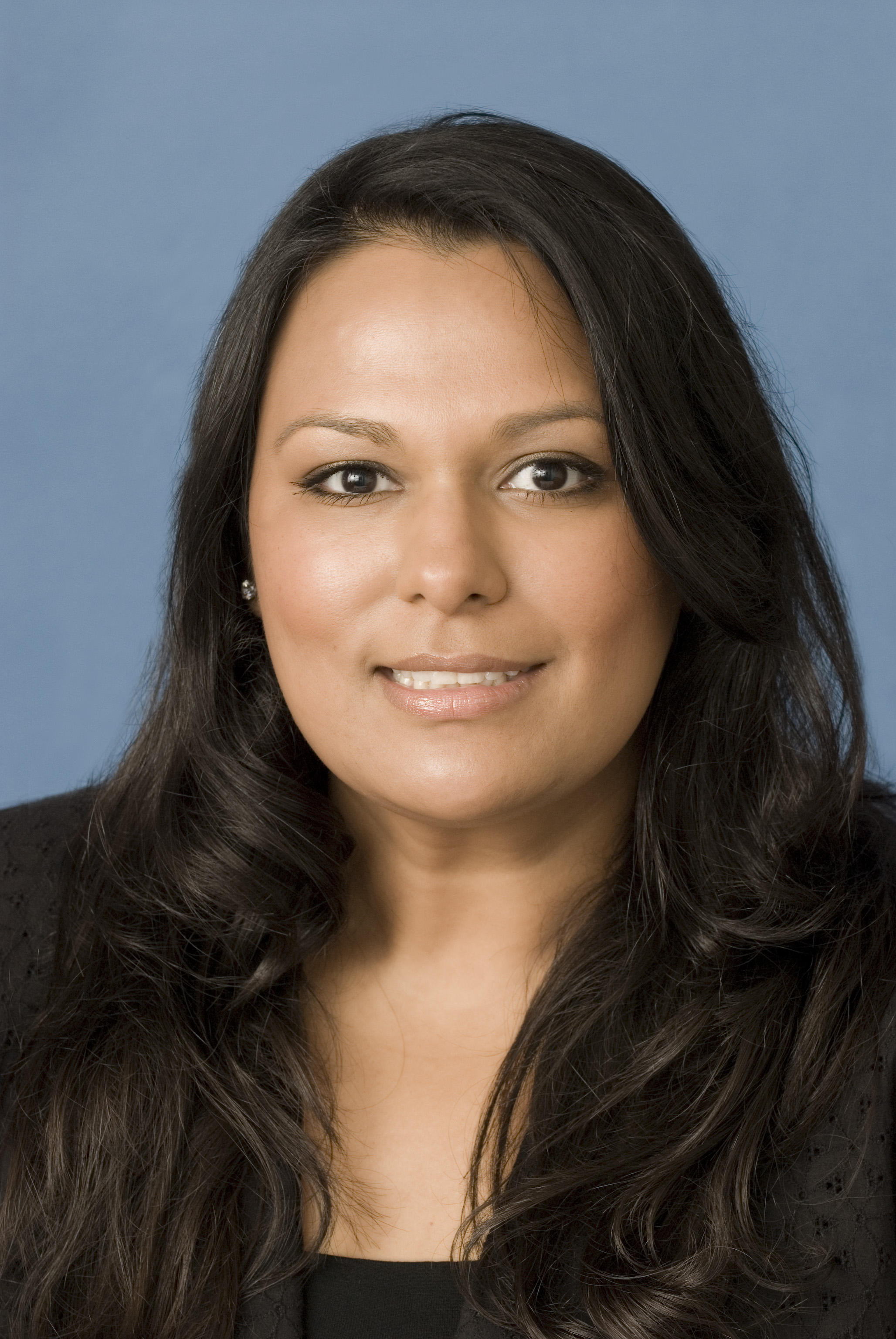
Former Deputy Director, Nuclear Policy Program
Choubey was previously the director of the Peace and Security Initiative for the Ploughshares Fund. She also worked for Ambassador Nancy Soderberg in the New York office of the International Crisis Group.
Recent Work
Deepti Choubey
Deepti Choubey
Carnegie does not take institutional positions on public policy issues; the views represented herein are those of the author(s) and do not necessarily reflect the views of Carnegie, its staff, or its trustees.

As the U.S. stumbles in its war with Iran, we are likely to see an acceleration of its disengagement from the region.

Michael Young

Huawei pushed hard to enter the Egyptian data centers market, until the Americans made a better offer.

Angie Omar

Middle Eastern states should welcome an accelerated U.S. disengagement from their region.
Michael Young

In an interview, former ambassador Charles Freeman assesses the Trump administration’s war against Iran.
Michael Young

The accord represents a pivotal moment in the region to avert a security vacuum in the Gulf.


Azeema Cheema, Mohanad Hage Ali