• Research
  • Diwan
  • About
  • Experts
Carnegie Middle East logoCarnegie lettermark logo
LebanonIran
{
  "authors": [],
  "type": "pressRelease",
  "centerAffiliationAll": "dc",
  "centers": [
    "Carnegie Endowment for International Peace"
  ],
  "collections": [],
  "englishNewsletterAll": "menaTransitions",
  "nonEnglishNewsletterAll": "",
  "primaryCenter": "Carnegie Endowment for International Peace",
  "programAffiliation": "MEP",
  "programs": [
    "Middle East"
  ],
  "projects": [],
  "regions": [],
  "topics": [
    "Economy"
  ]
}
REQUIRED IMAGE

REQUIRED IMAGE

Press Release

With greater transparency and accountability, SWFs can help stabilize global economy

Managers of Sovereign Wealth Funds are seeing real progress on implementing the Santiago Principles—a voluntary code of conduct for SWFs designed to promote good governance, transparency, and accountability. In fact, however, implementation is highly uneven. There is still far to go if SWFs are to be responsible members of the global economy.

Link Copied
Published on May 6, 2010

BEIRUT, May 6—Managers of Sovereign Wealth Funds (SWFs) gathering for their annual meeting in Sydney this week will likely note real progress on implementing the Santiago Principles—a voluntary code of conduct for SWFs designed to promote good governance, transparency, and accountability. In fact however implementation is highly uneven. There is still far to go if SWFs are to be responsible members of the global economy, concludes a new paper by Sven Behrendt.

Key Conclusions:

  • Only four of the 26 SWFs which signed the Santiago Principles are close to fully implementing all principles. As a voluntary agreement, it is at risk of failing if it does not gain wider support.
  • A country’s level of democracy correlates significantly with how fully its SWF has adopted the principles. But there is no strong correlation between a country’s level of economic development and its overall adherence.
  • At the upcoming G20 Summit in Toronto, leaders should acknowledge progress but urge SWFs to more aggressively comply with the Santiago Principles.

“The G20 wants to make progress on financial regulatory reform. The Santiago Principles are a test case for how broad the commitment to reforms in global finance is,” writes Behrendt. “The G20 should urge all signatories to the Santiago Principles to fully comply with them.”

###


NOTES

  • Click here to read the paper online
  • Sven Behrendt is a visiting scholar at the Carnegie Middle East Center. He is an expert in global policy issues, international negotiations, corporate strategy, and diplomacy. Prior to his appointment at Carnegie, he served in various management positions at the World Economic Forum and the Bertelsmann Group on Policy Research. He is a regular commentator on television and in the press on corporate strategy and globalization.
  • The Carnegie Middle East Center based in Beirut, Lebanon, aims to better inform the process of political change in the Middle East.
  • The Carnegie Middle East Program combines in-depth local knowledge with incisive comparative analysis to examine economic, socio-political, and strategic interests in the Arab world to provide analysis and recommendations in both English and Arabic that are deeply informed by knowledge and views from the region.
  • Carnegie's Arab Reform Bulletin analyzes political reform in the Middle East.
  • Press Contact: David Kampf, 202/939-2233, pressoffice@ceip.org
Economy

Carnegie does not take institutional positions on public policy issues; the views represented herein are those of the author(s) and do not necessarily reflect the views of Carnegie, its staff, or its trustees.

More Work from Malcolm H. Kerr Carnegie Middle East Center

  • Commentary
    Diwan
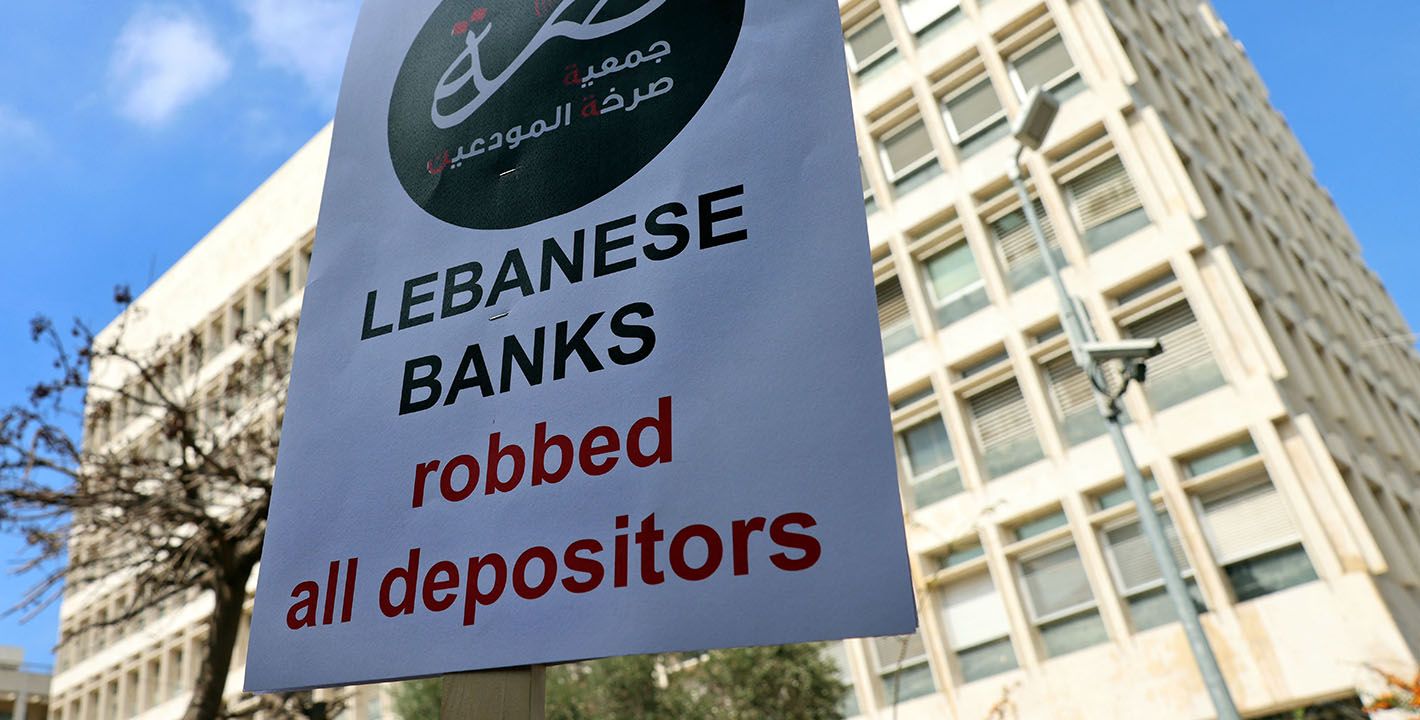
    Unpacking Lebanon’s Gap Law

    In an interview, Ishac Diwan looks at the merits and flaws in the draft legislation distributing losses from the financial collapse.

      Michael Young

  • Commentary
    Diwan
    Has Sisi Found a Competent Military Entrepreneur?

    Mustaqbal Misr has expanded its portfolio with remarkable speed, but a lack of transparency remains.

      Yezid Sayigh

  • Research
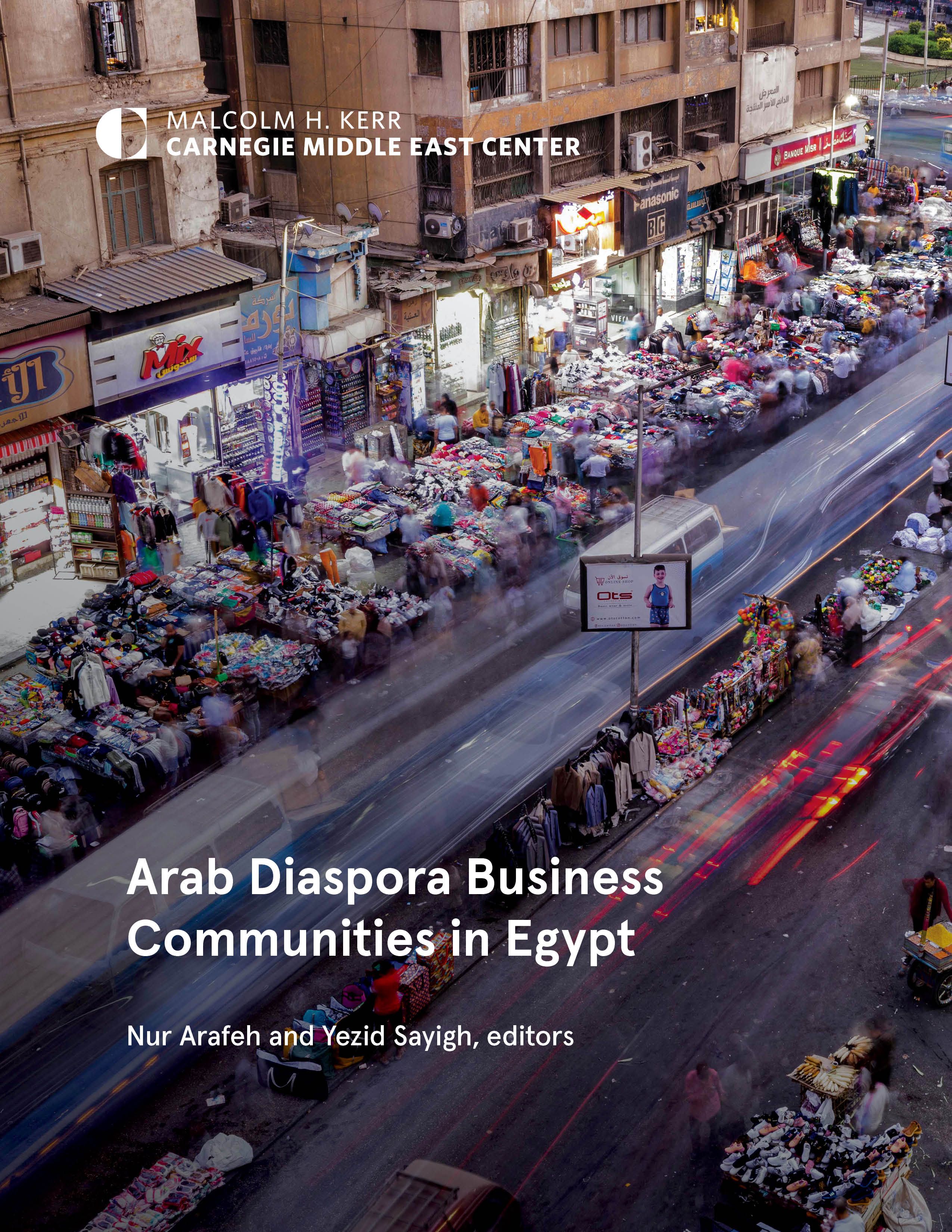
    Arab Diaspora Business Communities in Egypt

    Arab diaspora business communities in Egypt often mirror the same systemic challenges facing Egyptian businesses.

      • +4

      Nur Arafeh, Yezid Sayigh, Qaboul al-Absi, …

  • Article
    Saudi Arabia in Africa: Sound Economic and Geopolitical Strategy, or Resource Exploitation?

    Largely characterized thus far by a single-minded focus on extractivism, Riyadh must commit to greater equitability in its approach to investment and development deals with Sudan, Ethiopia, and Eritrea.

      Hesham Alghannam

  • A picture taken from a position at the Israeli border with the Gaza Strip shows the destruction due to Israeli bombardment in the besieged Palestinian territory on May 18, 2025
    Article
    Destruction, Disempowerment, and Dispossession: Disaster Capitalism and the Postwar Plans for Gaza

    Once Israel’s war in the territory is brought to an end, the foundational principles guiding reconstruction should be Palestinian self-determination, local agency, and sovereignty.

      Nur Arafeh, Mandy Turner

Get more news and analysis from
Malcolm H. Kerr Carnegie Middle East Center
Carnegie Middle East logo, white
  • Research
  • Diwan
  • About
  • Experts
  • Projects
  • Events
  • Contact
  • Careers
  • Privacy
  • For Media
Get more news and analysis from
Malcolm H. Kerr Carnegie Middle East Center
© 2026 Carnegie Endowment for International Peace. All rights reserved.