

Commentary
Across the Middle East and North Africa, climate stress interacts with economic fragility, governance failures, social marginalization, and conflict.
Camille Ammoun
{
  "authors": [],
  "type": "other",
  "centerAffiliationAll": "dc",
  "centers": [
    "Carnegie Endowment for International Peace"
  ],
  "collections": [],
  "englishNewsletterAll": "ctw",
  "nonEnglishNewsletterAll": "",
  "primaryCenter": "Carnegie Endowment for International Peace",
  "programAffiliation": "SCP",
  "programs": [
    "Sustainability, Climate, and Geopolitics"
  ],
  "projects": [],
  "regions": [
    "North America"
  ],
  "topics": [
    "Climate Change"
  ]
}
Source: Getty
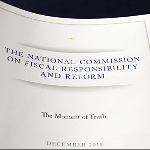
The National Commission on Fiscal Responsibility and Reform's final report outlines recommendations for reining in the U.S. deficit by 2015, including suggestions for the nation's transportation program.
Source: January 12

All four recommendations submitted to the commission by the co-chairs of the Carnegie Endowment’s Leadership Initiative on Transportation Solvency were included in the commission’s final report. Below is a summary of how the recommendations for reforming and raising revenue for the U.S. transportation program—made by the Initiative’s co-chairs, the Honorable Bill Bradley, the Honorable Tom Ridge, and the Honorable David Walker—correspond to recommendations in The Moment of Truth.
Though eleven commission members endorsed the report—more than half of all members—they fell three votes short of the support needed to force a Congressional vote on the report. This proposal will remain salient, however, as the new Congress considers the growing budget, the debt ceiling, and the reauthorization of the transportation bill in 2011.
| Leadership Initiative Recommendations November 2010 | Fiscal Responsibility Commission Proposal December 2010 |
|---|---|
| End Wasteful Spending on Existing Surface Transportation Accounts | “Before asking taxpayers to pay more for roads, rail, bridges, and infrastructure, we must ensure existing funds are not wasted. The Commission recommends significant reforms to control federal highway spending.” |
| Invest in Infrastructure to Grow the Economy | “Congress should limit trust fund spending to the most pressing infrastructure needs rather than forcing states to fund low-priority projects.” |
| Fully Fund a Reformed Federal Surface Transportation Program with New Revenue Sources | “RECOMMENDATION 1.7: FULLY FUND THE TRANSPORTATION TRUST FUND INSTEAD OF RELYING ON DEFICIT SPENDING. Dedicate a 15-cent per gallon increase in the gas tax to transportation funding and limit spending if necessary to match the revenue the trust fund collects each year.” |
| Create a Transportation Realignment and Accountability Commission | “RECOMMENDATION 1.9: Establish a cut-and-invest committee to cut low-priority spending, increase high-priority investment, and consolidate duplicative federal programs.” |
Carnegie does not take institutional positions on public policy issues; the views represented herein are those of the author(s) and do not necessarily reflect the views of Carnegie, its staff, or its trustees.
Across the Middle East and North Africa, climate stress interacts with economic fragility, governance failures, social marginalization, and conflict.
Camille Ammoun
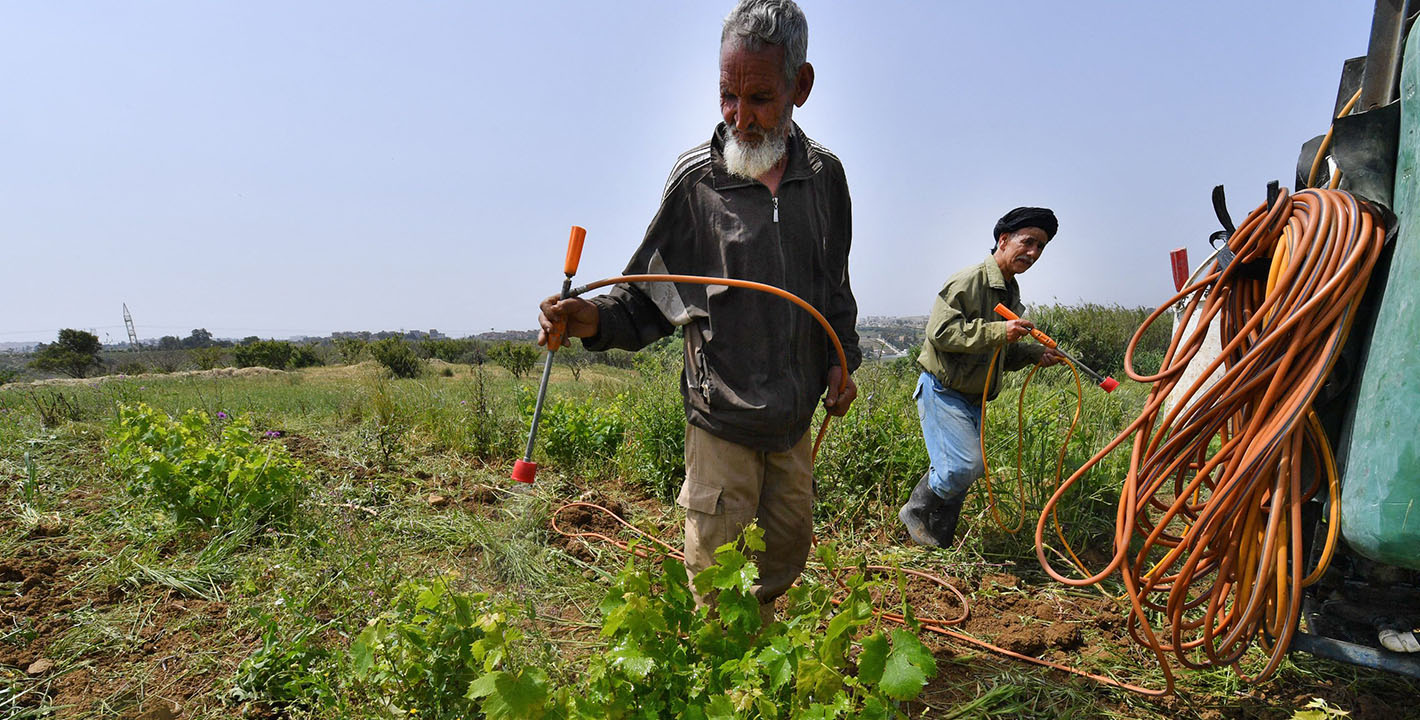
Understanding how farmers in the Oued Sahel-Soummam Valley grapple with climate change is essential for addressing the paradoxes through which adaptation, operating at both individual and institutional levels, deepens the region’s vulnerability and erodes the social fabric and agrarian identity that once defined life.
Ilyssa Yahmi
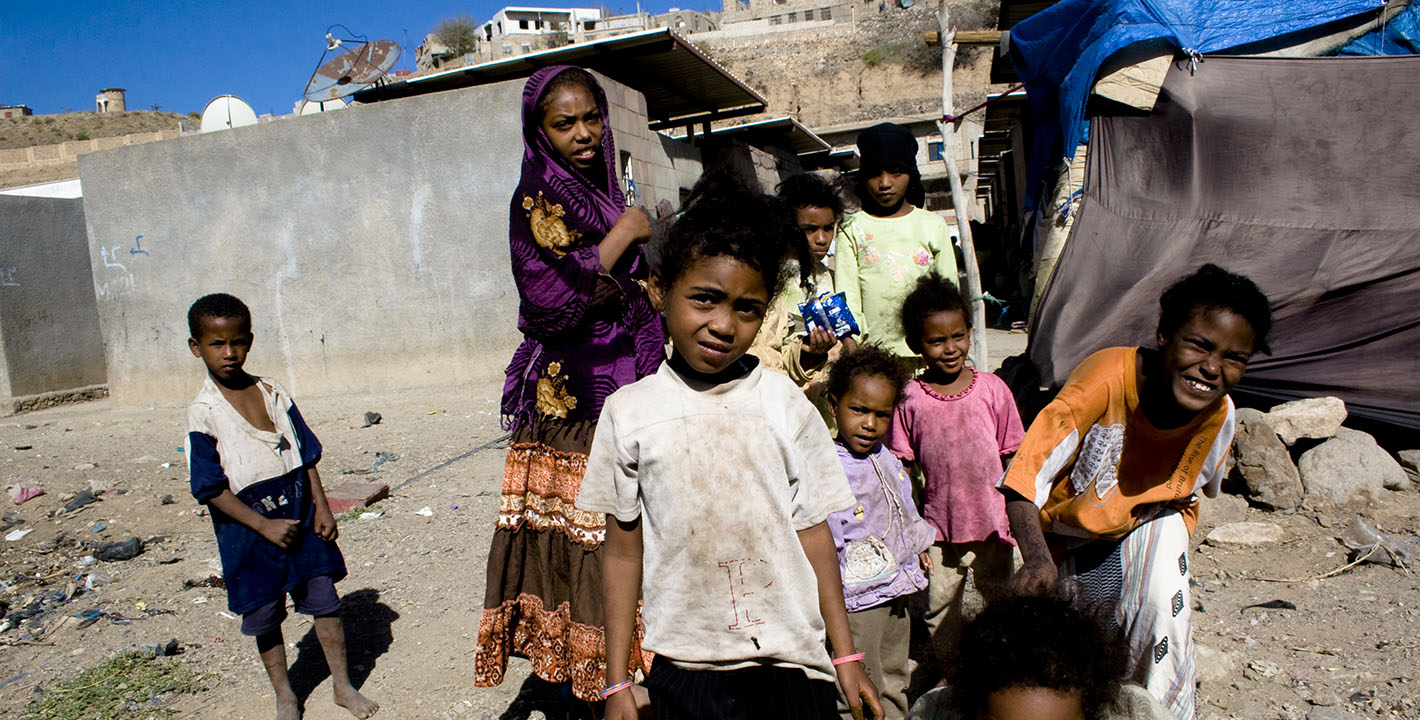
The community already suffers social discrimination, so addressing inequalities requires sustained interventions.
Musaed Aklan , Mohammad Al-Saidi
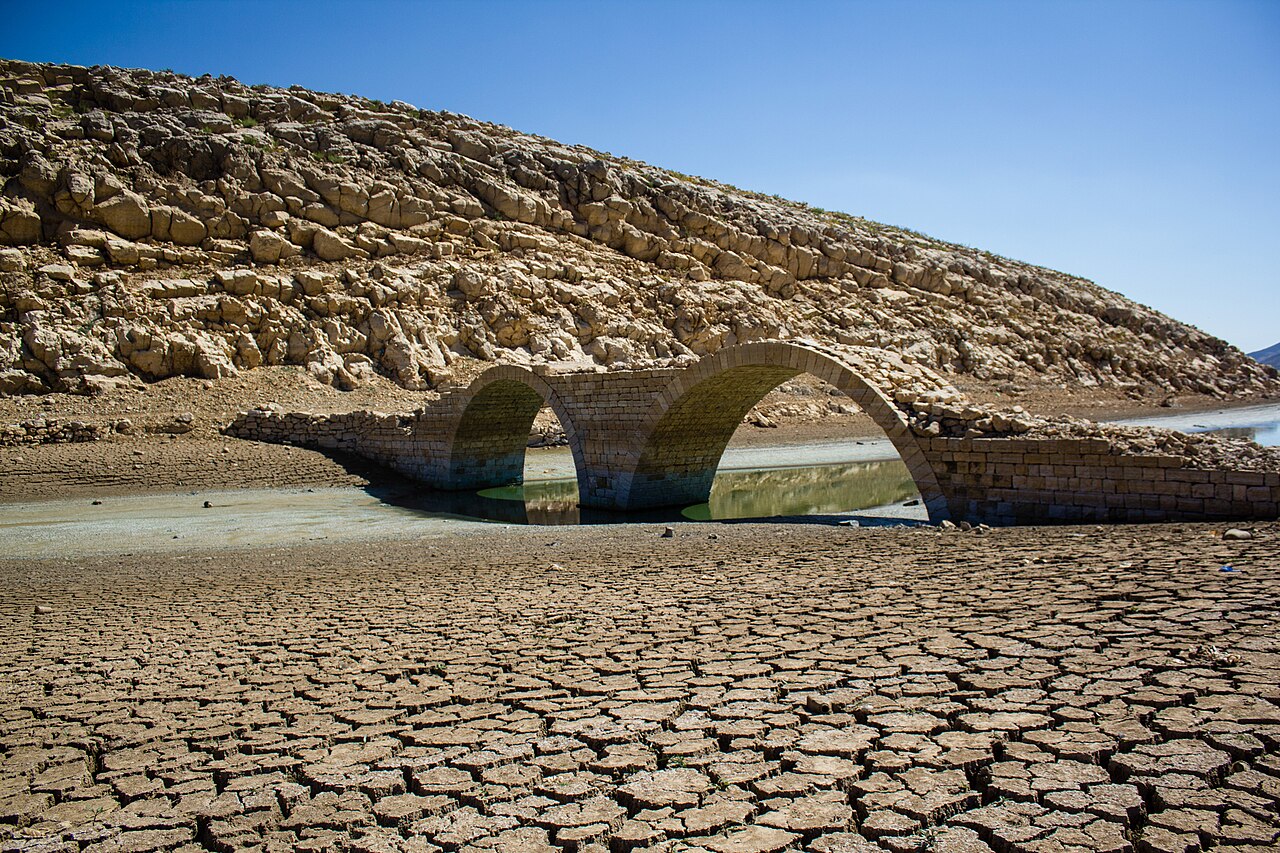
Lebanon’s largest water reservoir is a house of many mansions when it comes to converging failures.
Camille Ammoun
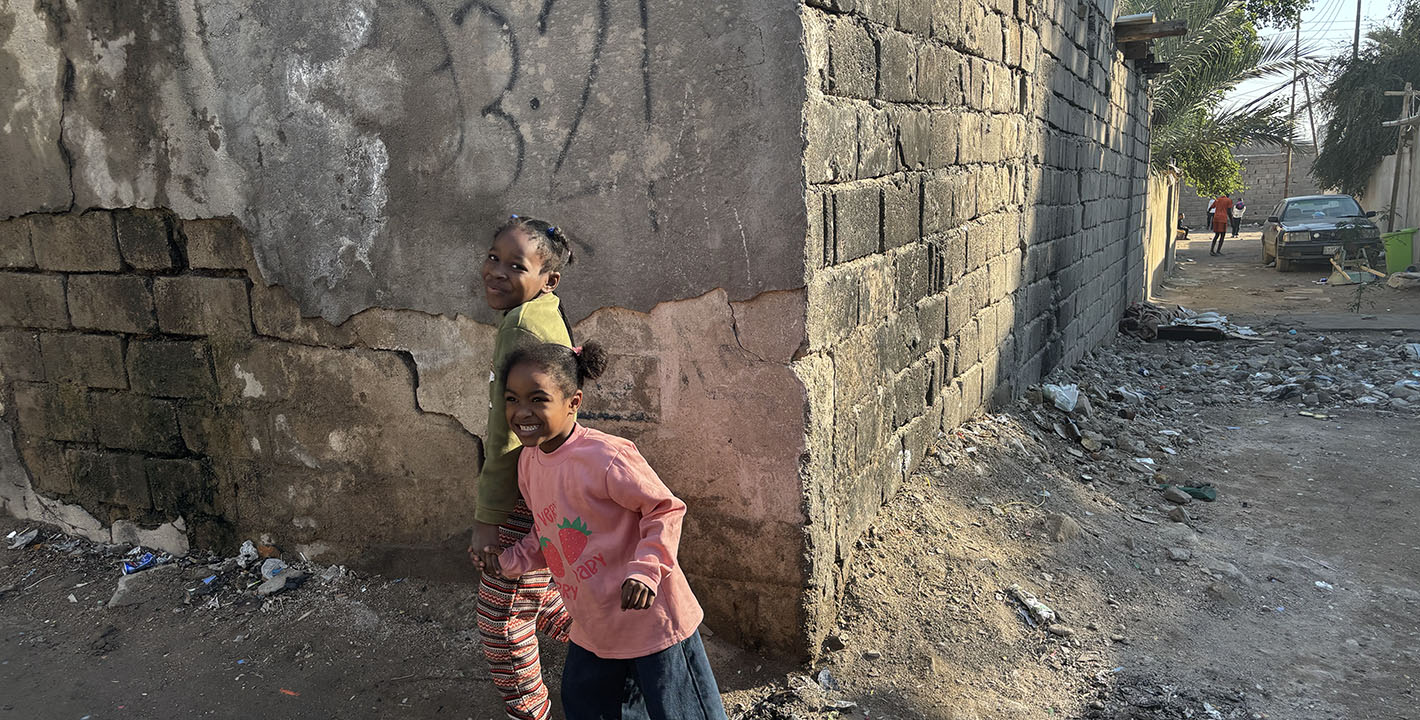
Afro-Iraqis experience political, economic, and social marginalization and discrimination, which exposes the poorest members of the community to the harsh realities of the region’s climate disaster.
Zeinab Shuker