

Commentary
In an interview, Jim Lamson discusses the ongoing regional conflict and sees an unclear picture when it comes to winners and losers.
Michael Young
{
  "authors": [],
  "type": "other",
  "centerAffiliationAll": "",
  "centers": [
    "Carnegie Endowment for International Peace",
    "Malcolm H. Kerr Carnegie Middle East Center"
  ],
  "collections": [],
  "englishNewsletterAll": "",
  "nonEnglishNewsletterAll": "",
  "primaryCenter": "Carnegie Endowment for International Peace",
  "programAffiliation": "",
  "programs": [],
  "projects": [],
  "regions": [
    "Middle East",
    "Gulf"
  ],
  "topics": [
    "Political Reform"
  ]
}
REQUIRED IMAGE
News from Oman
An estimated 3,000 protesters rallied in the southern port of Salalah following Friday prayers on April 22 in one of the largest demonstrations since scattered unrest broke out two months ago. Protesters gathered outside of the governor’s office to demand reforms, particularly anti-corruption measures. | Reuters
Friday’s protest followed a decision by Sultan Qaboos on April 21 to pardon 234 protesters detained over the course of recent demonstrations. | Reuters
Carnegie does not take institutional positions on public policy issues; the views represented herein are those of the author(s) and do not necessarily reflect the views of Carnegie, its staff, or its trustees.
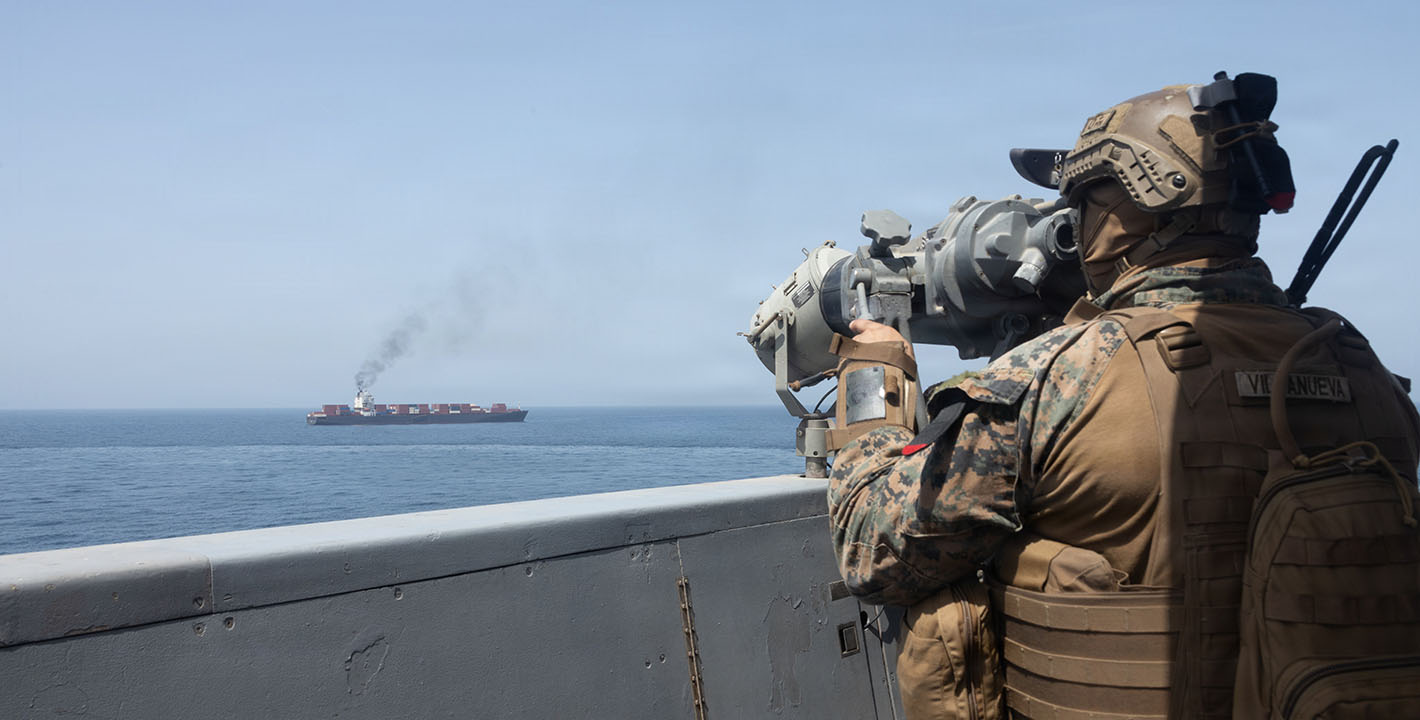
In an interview, Jim Lamson discusses the ongoing regional conflict and sees an unclear picture when it comes to winners and losers.

Michael Young
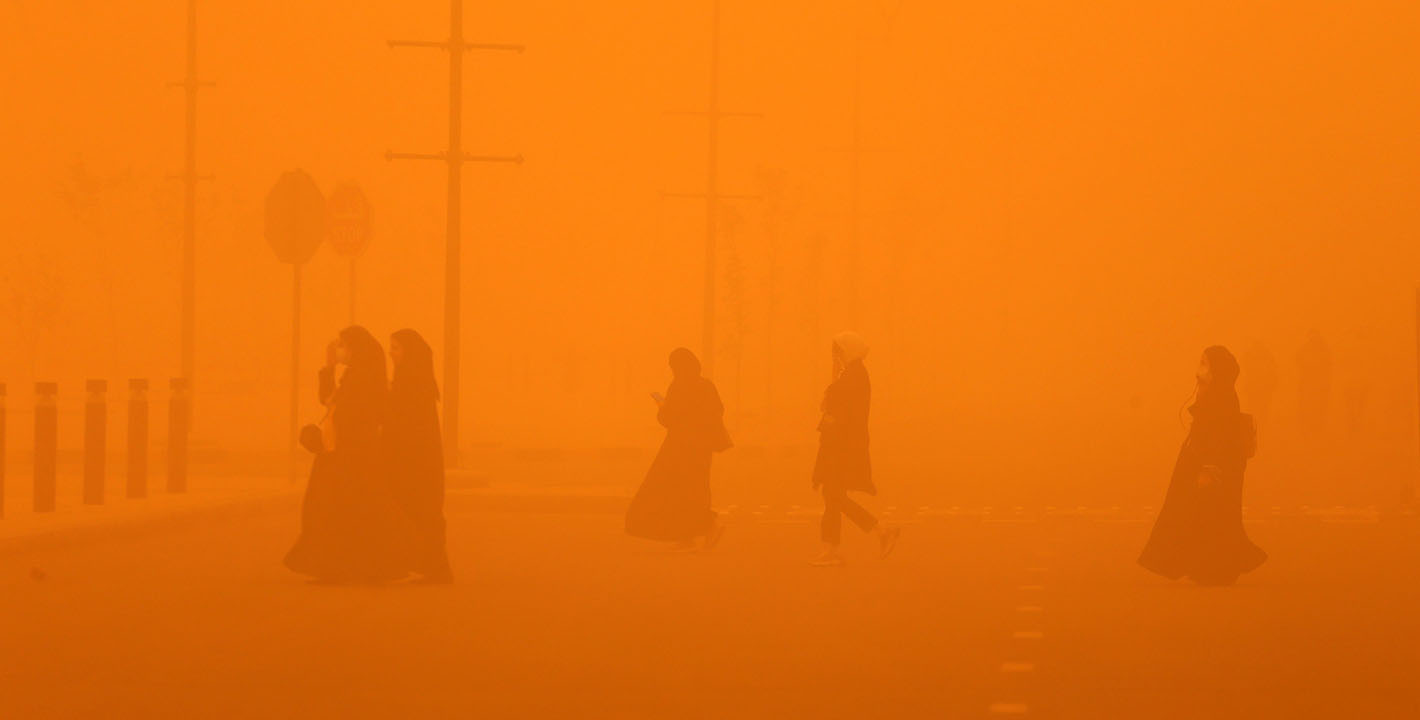
Mitigating the repercussions of climate change in Kuwait is crucial for lessening economic disparities and achieving social justice.
Courtney Freer
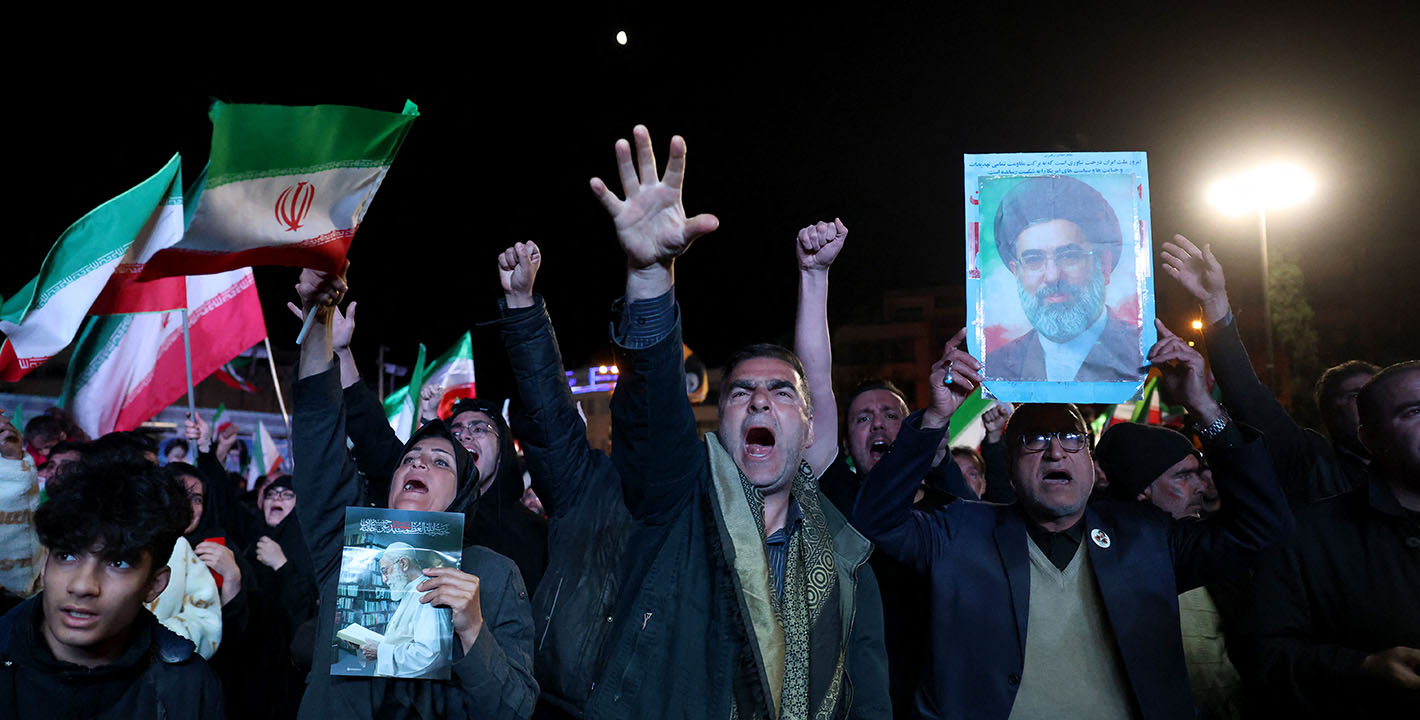
Spot analysis from Carnegie scholars on events relating to the Middle East and North Africa.
Michael Young
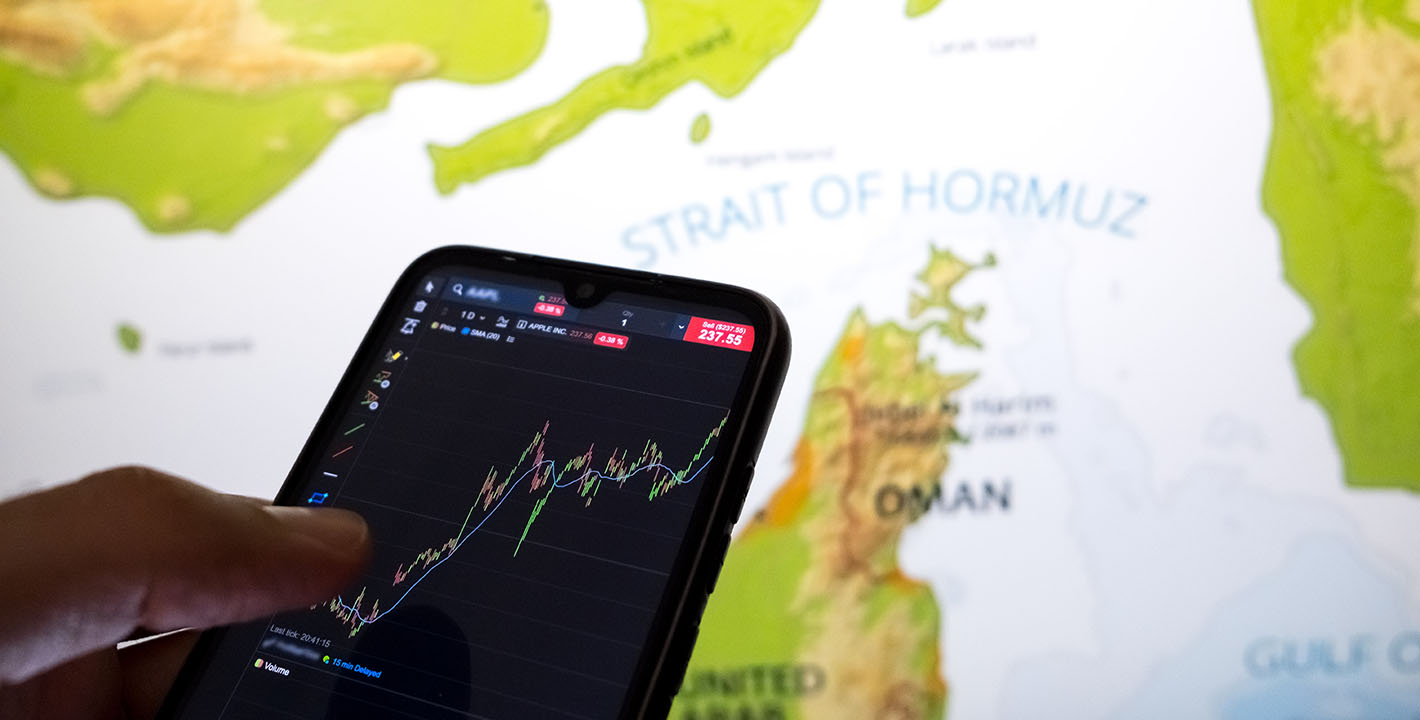
In an interview, Roger Diwan discusses where the global economy may be going in the third week of the U.S.-Israeli war with Iran.
Nur Arafeh
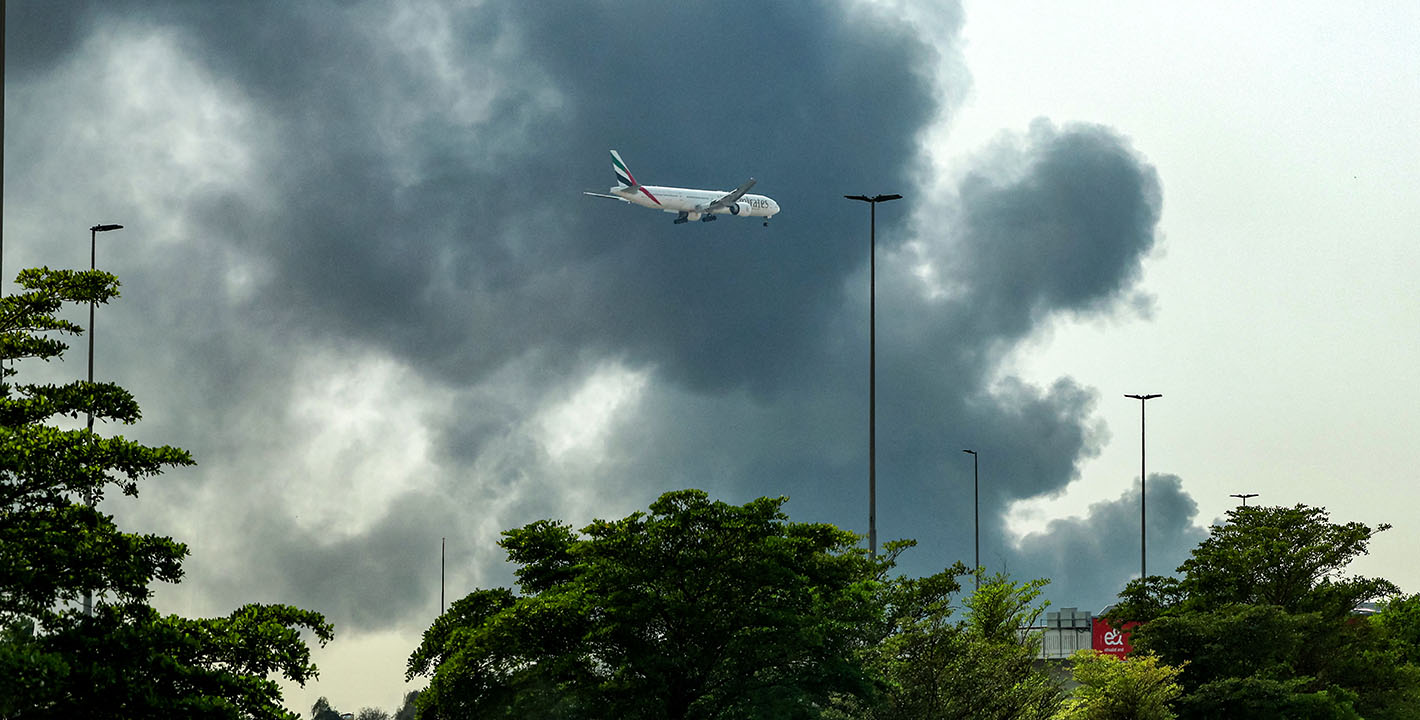
In an interview, Andrew Leber discusses the impact the U.S. and Israeli war against Iran is having on Arab Gulf states.
Michael Young