

Commentary
Michael Pettis
{
  "authors": [
    "Michael Pettis"
  ],
  "type": "legacyinthemedia",
  "centerAffiliationAll": "",
  "centers": [
    "Carnegie Endowment for International Peace",
    "Carnegie Europe"
  ],
  "collections": [],
  "englishNewsletterAll": "",
  "nonEnglishNewsletterAll": "",
  "primaryCenter": "Carnegie Endowment for International Peace",
  "programAffiliation": "",
  "programs": [],
  "projects": [],
  "regions": [
    "Eastern Europe",
    "Western Europe",
    "Europe",
    "North America"
  ],
  "topics": [
    "Economy"
  ]
}
Source: Getty
International and regional financial institutions need to work together to negotiate a plan to reduce Greece's debt load if they wish to recoup any of their losses and prevent Greece's long-term stagnation.
Source: The Economist

Greece is insolvent and the only meaningful discussion is about who is going to pay. Workers can pay through many years of high unemployment as wages are forced down, small businessmen can pay through rising taxes and confiscation, creditors can pay, or the government can pay by privatizing assets and using the proceeds to reduce the debt burden. Unfortunately the only solution that does not result in many years of wealth destruction and economic stagnation is to get debt levels down immediately, and the only way to do this is to force Greek creditors into accepting a massive haircut on their obligations, perhaps with the chance to regain their losses when the Greek economy recovers.
The IMF, the ECB and the EC should be putting together a plan to reduce debt immediately. The longer this drags on, the worse will be Greece’s ability to pay even part of the debt and the more politically unstable Greek politics.

Nonresident Senior Fellow, Carnegie China
Michael Pettis is a nonresident senior fellow at the Carnegie Endowment for International Peace. An expert on China’s economy, Pettis is professor of finance at Peking University’s Guanghua School of Management, where he specializes in Chinese financial markets.
Recent Work
Michael Pettis
Michael Pettis
Carnegie does not take institutional positions on public policy issues; the views represented herein are those of the author(s) and do not necessarily reflect the views of Carnegie, its staff, or its trustees.

The armed forces champion a form of capitalism that is generating revenue, but its reliance on rent faces diminishing returns, leaving the country with massive sunk costs and deferred returns, deepening dependency on external borrowing.

Yezid Sayigh
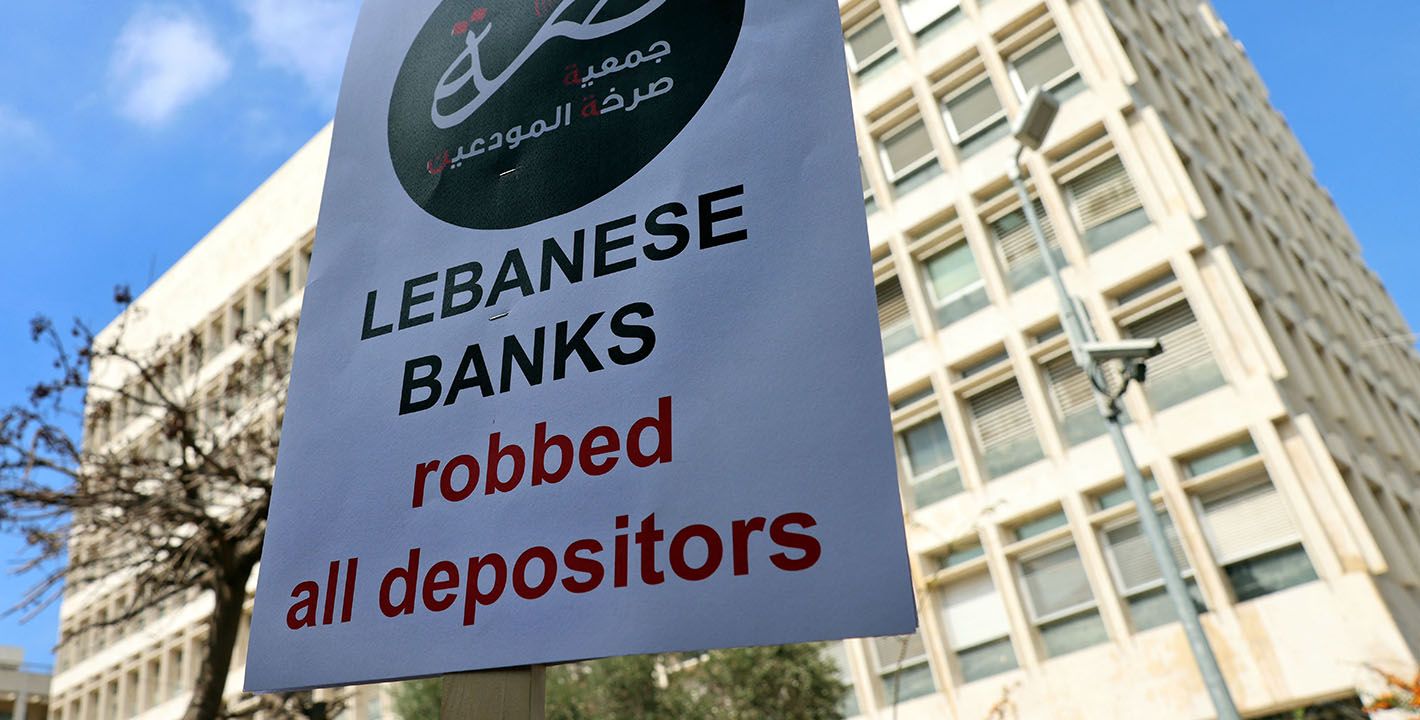
In an interview, Ishac Diwan looks at the merits and flaws in the draft legislation distributing losses from the financial collapse.

Michael Young

Mustaqbal Misr has expanded its portfolio with remarkable speed, but a lack of transparency remains.
Yezid Sayigh
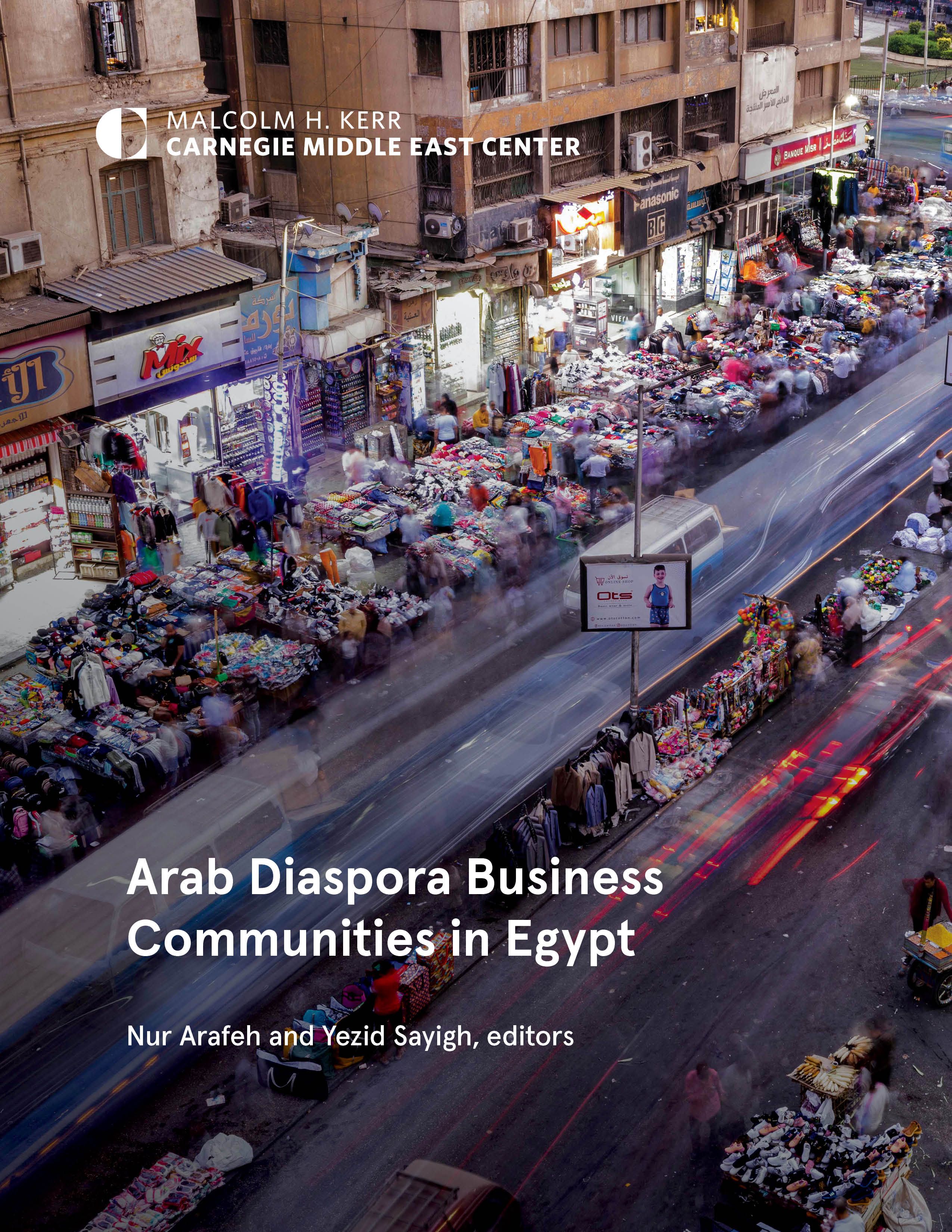
Arab diaspora business communities in Egypt often mirror the same systemic challenges facing Egyptian businesses.
Nur Arafeh, Yezid Sayigh, Qaboul al-Absi, …

Largely characterized thus far by a single-minded focus on extractivism, Riyadh must commit to greater equitability in its approach to investment and development deals with Sudan, Ethiopia, and Eritrea.

Hesham Alghannam