


• Research
  • Diwan
  • About
  • Experts
Carnegie Middle East logoCarnegie lettermark logo
LebanonIran
{
  "authors": [
    "Pieter Bottelier",
    "Yukon Huang",
    "Vikram Nehru",
    "Michael Pettis",
    "Pekka Sutela"
  ],
  "type": "other",
  "centerAffiliationAll": "",
  "centers": [
    "Carnegie Endowment for International Peace"
  ],
  "collections": [],
  "englishNewsletterAll": "",
  "nonEnglishNewsletterAll": "",
  "primaryCenter": "Carnegie Endowment for International Peace",
  "programAffiliation": "",
  "programs": [],
  "projects": [],
  "regions": [
    "North America"
  ],
  "topics": [
    "Economy"
  ]
}

Source: Getty

Other

Looking Forward to 2012

If 2011 was the year of the euro crisis, Carnegie scholars examine what issue will have the greatest impact on the global economy in 2012.

Link Copied
By Pieter Bottelier, Yukon Huang, Vikram Nehru, Michael Pettis, Pekka Sutela
Published on Jan 1, 2012
If 2011 was the year of the euro crisis, what issue will have the greatest impact on the global economy in 2012?
Our global team of Carnegie international economic experts answer in 250 words or less…
 
Pieter Bottelier
Euro crisis combined with further slowdown in China.
 
Yukon Huang
Euro crisis.
 
Vikram Nehru
In 2011, two issues dominated the global economy—the economic travails of Europe and the Arab Spring. In comparison to these two, other events of global significance—political gridlock in the United States, the earthquake-tsunami-nuclear nightmare in Japan, and continued rapid growth in China—pale in significance. The euro crisis, which successfully slowed the recovery not just in Europe but worldwide, and threatens to pull the entire global economy into recession next year, will continue to be the dominant issue in 2012. The revolution sweeping the Arab world will have fewer short term repercussions (in part because the price of oil will remain depressed due to a weak global economy), but may turn out to be the more significant event shaping geostrategic forces in the Middle East over the long term—especially if Iran emerges as the dominant power in the region.

Finally, the joker in the pack is the recent demise of Kim Jung Il and his succession by Kim Jung Un. Will this turn out to be the last straw that breaks the back of the brittle regime in North Korea and the fragile peace between the two Koreas, and either ruptures the ties between China and the United States, or cements them in common cause to prevent any nuclear fallout? Sometimes, its these seemingly innocuous events in a far corner of the world that turn out to be the butterfly wings that cause devastating storms elsewhere.
 
Michael Pettis
I think the most destabilizing events will play out in Europe, although we should also see a dramatic increase in domestic pressures for Chinese rebalancing, and this may end up occupying many of the headlines in 2012.
 
Pekka Sutela
The euro crisis will again have the greatest impact on the global economy in the coming year. Either the worst alternative outcomes are avoided in Europe, which would show that rational policies may win, or there is a collapse of some kind, with unforeseeable consequences.

About the Authors

Pieter Bottelier

Former Nonresident Scholar, International Economics Program

Bottelier was a nonresident scholar in Carnegie’s International Economics Program and senior adjunct professor of China studies at the School of Advanced International Studies (SAIS), the Johns Hopkins University. His work currently focuses on China’s economic reform and development.

Yukon Huang

Senior Fellow, Asia Program

Huang is a senior fellow in the Carnegie Asia Program where his research focuses on China’s economy and its regional and global impact.

Vikram Nehru

Former Nonresident Senior Fellow, Asia Program

Nehru was a nonresident senior fellow in the Carnegie Asia Program. An expert on development economics, growth, poverty reduction, debt sustainability, governance, and the performance and prospects of East Asia, his research focuses on the economic, political, and strategic issues confronting Asia, particularly Southeast Asia.

Michael Pettis

Nonresident Senior Fellow, Carnegie China

Michael Pettis is a nonresident senior fellow at the Carnegie Endowment for International Peace. An expert on China’s economy, Pettis is professor of finance at Peking University’s Guanghua School of Management, where he specializes in Chinese financial markets. 

Pekka Sutela

Former Nonresident Senior Associate, Russia and Eurasia Program

Sutela was a nonresident senior associate in the Carnegie Endowment’s Russia and Eurasia Program, where his research focuses on the economies of Eurasia, especially Russia.

Authors

Pieter Bottelier
Former Nonresident Scholar, International Economics Program
Pieter Bottelier
Yukon Huang
Senior Fellow, Asia Program
Yukon Huang
Vikram Nehru
Former Nonresident Senior Fellow, Asia Program
Vikram Nehru
Michael Pettis
Nonresident Senior Fellow, Carnegie China
Michael Pettis
Pekka Sutela
Former Nonresident Senior Associate, Russia and Eurasia Program
EconomyNorth America

Carnegie does not take institutional positions on public policy issues; the views represented herein are those of the author(s) and do not necessarily reflect the views of Carnegie, its staff, or its trustees.

More Work from Malcolm H. Kerr Carnegie Middle East Center

  • Commentary
    Diwan
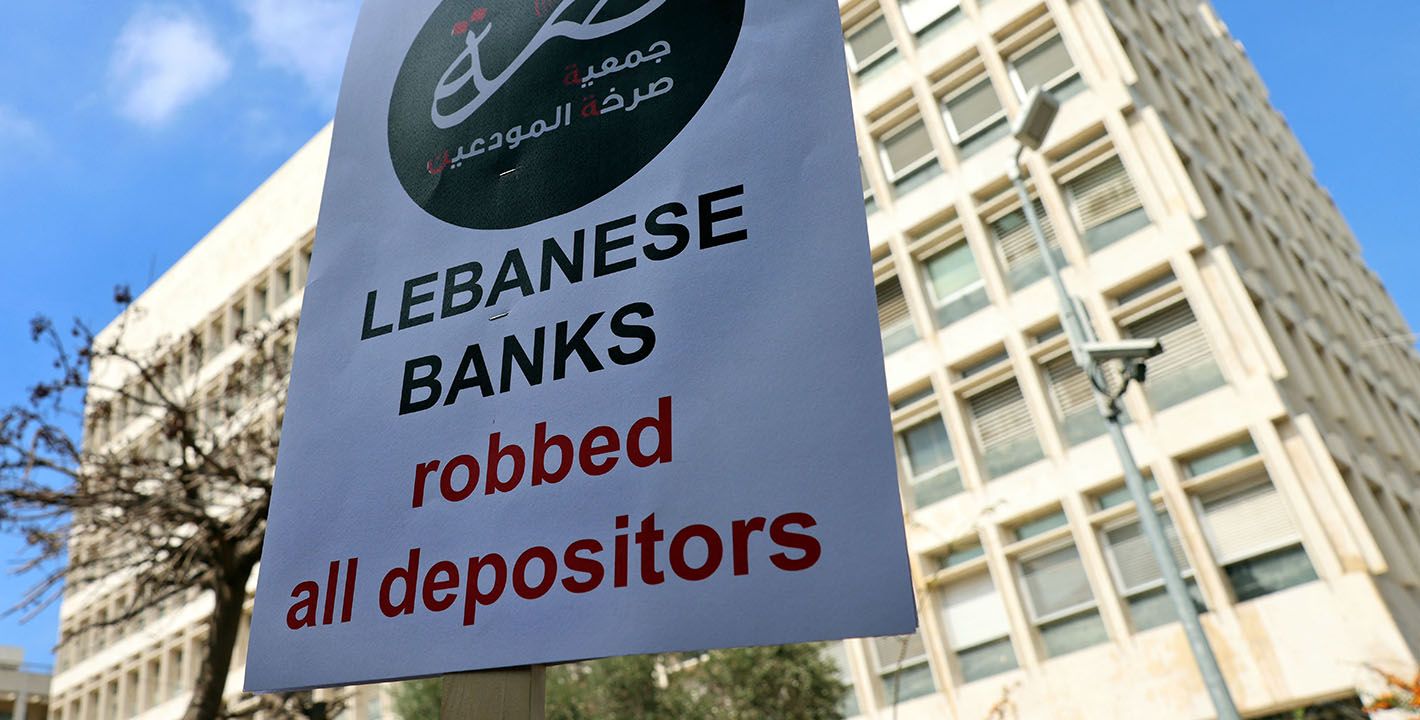
    Unpacking Lebanon’s Gap Law

    In an interview, Ishac Diwan looks at the merits and flaws in the draft legislation distributing losses from the financial collapse.

      Michael Young

  • Commentary
    Diwan
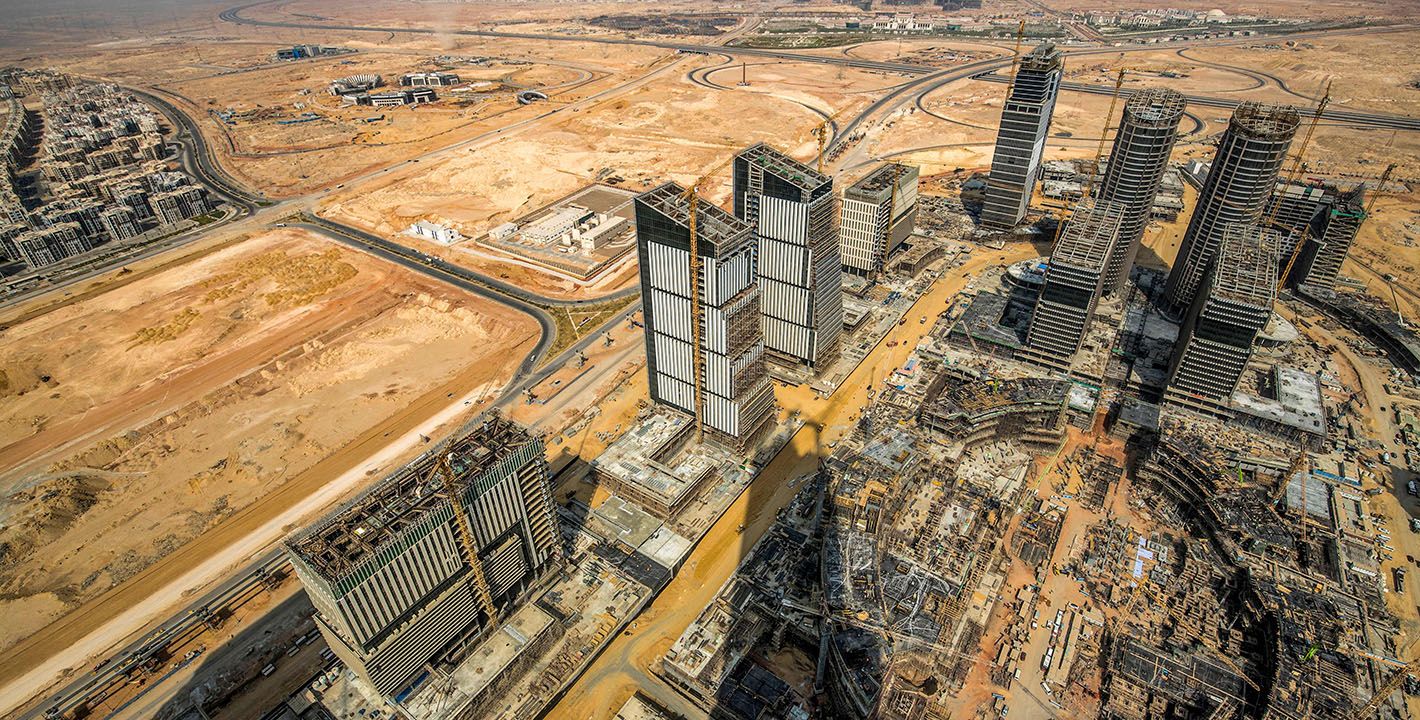
    Has Sisi Found a Competent Military Entrepreneur?

    Mustaqbal Misr has expanded its portfolio with remarkable speed, but a lack of transparency remains.

      Yezid Sayigh

  • Research
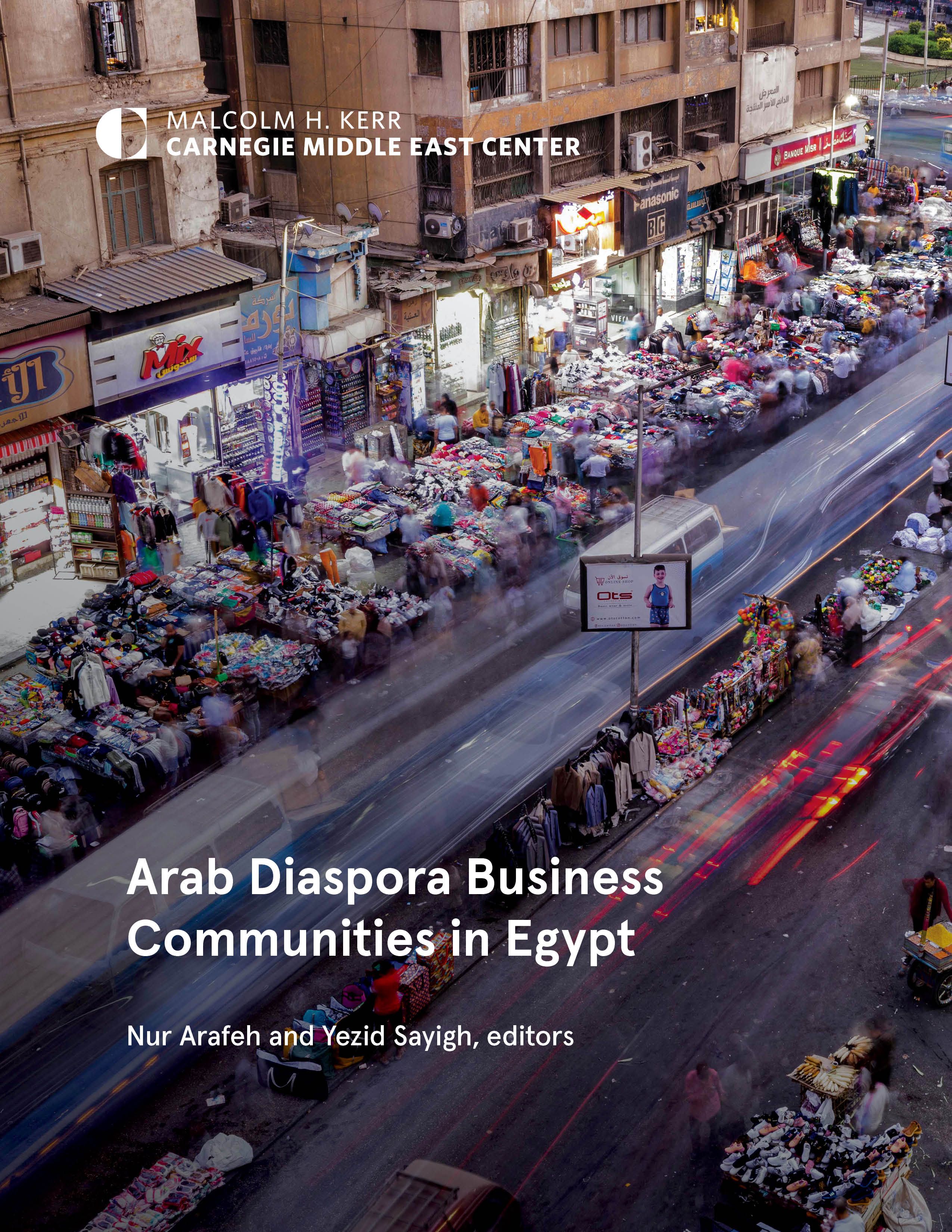
    Arab Diaspora Business Communities in Egypt

    Arab diaspora business communities in Egypt often mirror the same systemic challenges facing Egyptian businesses.

      • +4

      Nur Arafeh, Yezid Sayigh, Qaboul al-Absi, …

  • Article
    Saudi Arabia in Africa: Sound Economic and Geopolitical Strategy, or Resource Exploitation?

    Largely characterized thus far by a single-minded focus on extractivism, Riyadh must commit to greater equitability in its approach to investment and development deals with Sudan, Ethiopia, and Eritrea.

      Hesham Alghannam

  • A picture taken from a position at the Israeli border with the Gaza Strip shows the destruction due to Israeli bombardment in the besieged Palestinian territory on May 18, 2025
    Article
    Destruction, Disempowerment, and Dispossession: Disaster Capitalism and the Postwar Plans for Gaza

    Once Israel’s war in the territory is brought to an end, the foundational principles guiding reconstruction should be Palestinian self-determination, local agency, and sovereignty.

      Nur Arafeh, Mandy Turner

Get more news and analysis from
Malcolm H. Kerr Carnegie Middle East Center
Carnegie Middle East logo, white
  • Research
  • Diwan
  • About
  • Experts
  • Projects
  • Events
  • Contact
  • Careers
  • Privacy
  • For Media
Get more news and analysis from
Malcolm H. Kerr Carnegie Middle East Center
© 2026 Carnegie Endowment for International Peace. All rights reserved.