

Commentary
Uri Dadush
{
  "authors": [
    "Uri Dadush"
  ],
  "type": "legacyinthemedia",
  "centerAffiliationAll": "",
  "centers": [
    "Carnegie Endowment for International Peace"
  ],
  "collections": [],
  "englishNewsletterAll": "",
  "nonEnglishNewsletterAll": "",
  "primaryCenter": "Carnegie Endowment for International Peace",
  "programAffiliation": "",
  "programs": [],
  "projects": [],
  "regions": [
    "North America",
    "United States",
    "Southern, Eastern, and Western Africa"
  ],
  "topics": [
    "Economy"
  ]
}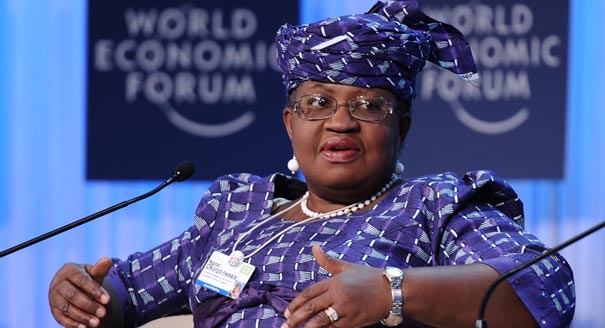
Source: Getty
Over three dozen ex-World Bank officials have backed Nigerian finance minister Ngozi Okonjo-Iweala's bid for the World Bank's presidency. But does she stand a real chance of becoming the institution's first non-U.S. leader?
Source: CNN
Appearing on CNN’s “Quest Means Business,” Uri Dadush discussed Nigerian finance minister Ngozi Okonjo-Iweala’s candidacy for the World Bank’s top job. Dadush was one of 39 ex-World Bank economists and managers to endorse Okonjo-Iweala in an open letter to the bank’s members, citing her “deep experience in international and national issues of economic management.” Dadush acknowledged that the chances of a developing country leader being selected for the World Bank’s presidency are slim, as Americans have always led the organization in the past. But there is a small possibility that Okonjo-Iweala could be selected, especially if she becomes the consensus candidate among the World Bank’s developing country members, he concluded.

Former Senior Associate, International Economics Program
Dadush was a senior associate at the Carnegie Endowment for International Peace. He focuses on trends in the global economy and is currently tracking developments in the eurozone crisis.
Recent Work
Uri Dadush
Uri Dadush
Carnegie does not take institutional positions on public policy issues; the views represented herein are those of the author(s) and do not necessarily reflect the views of Carnegie, its staff, or its trustees.
A prerequisite of serious talks is that the country’s leadership consolidates majority national support for such a process.

Michael Young
In an interview, Jim Lamson discusses the ongoing regional conflict and sees an unclear picture when it comes to winners and losers.
Michael Young
Unless Beirut lowers expectations, any setbacks will end up bolstering Hezbollah’s narrative.

Mohanad Hage Ali
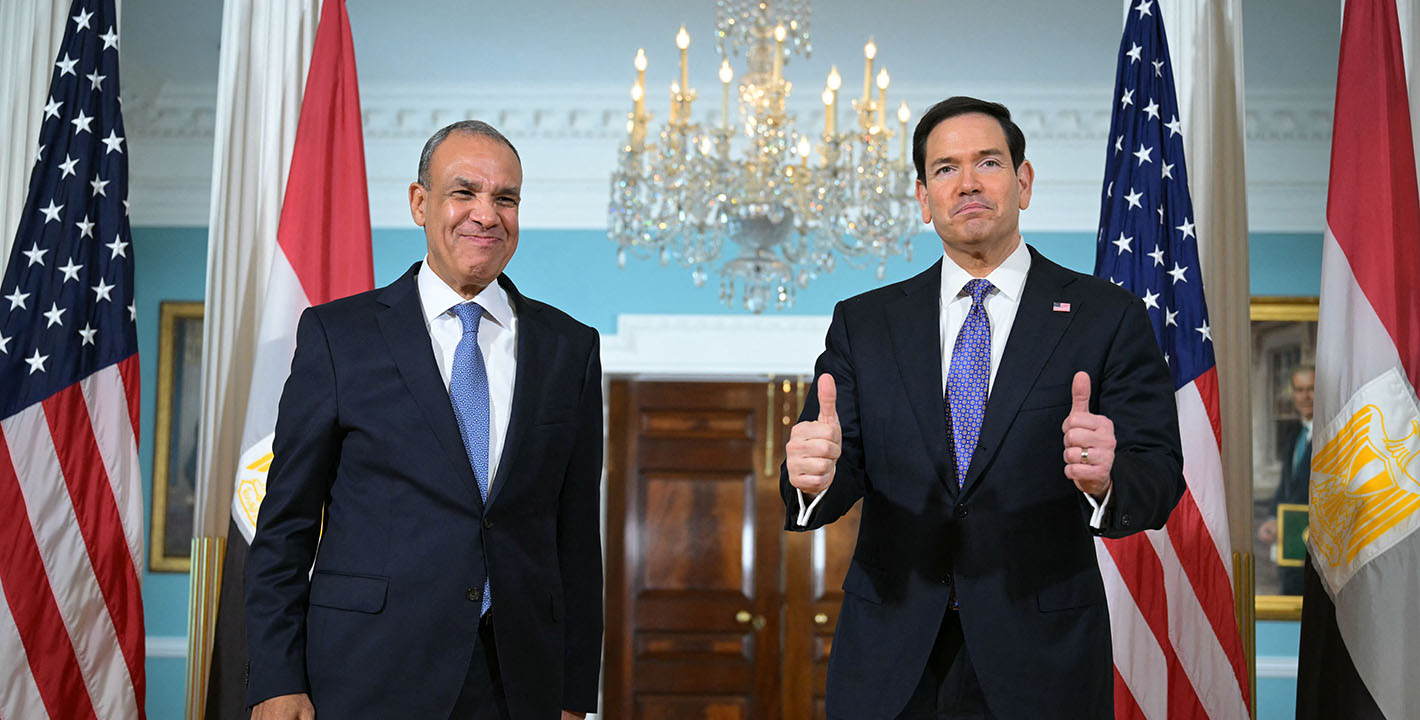
Cairo’s efforts send a message to the United States and the region that it still has a place at the diplomatic table.

Angie Omar
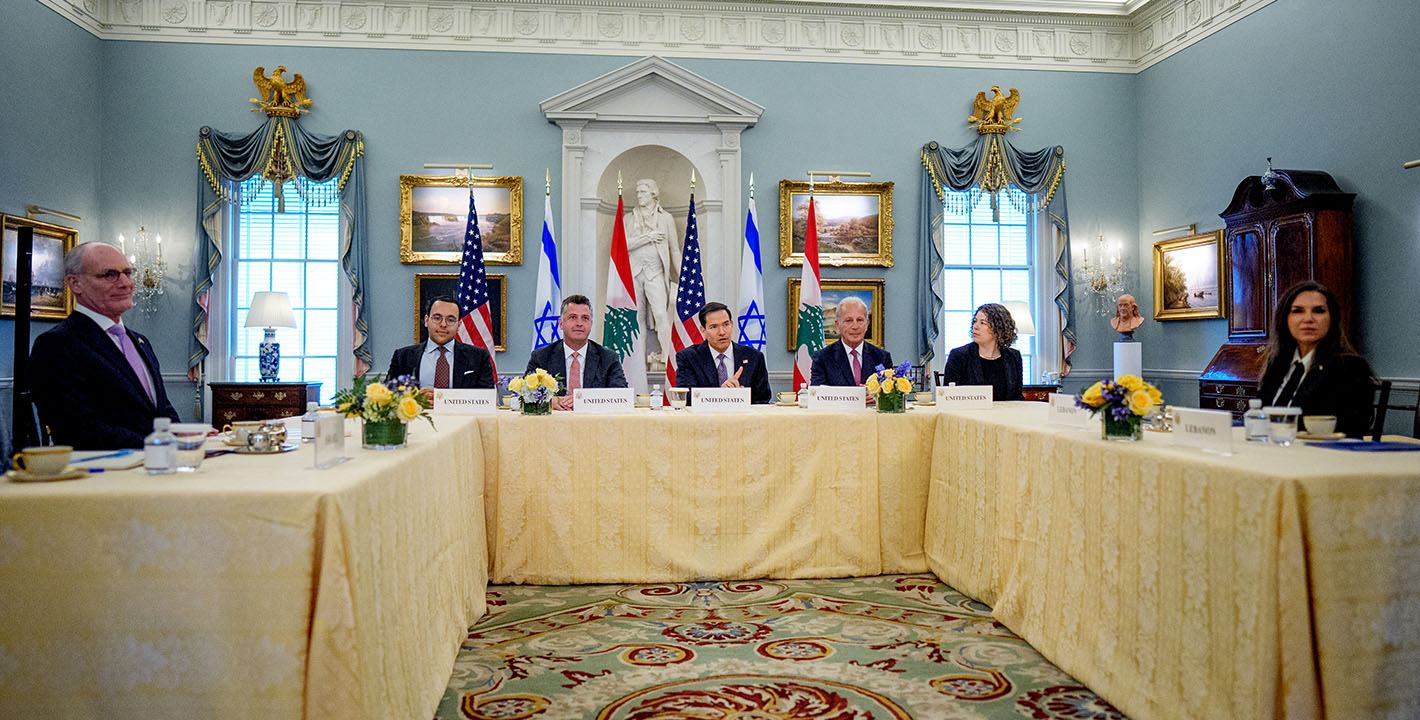
Beirut’s desire to break free from Iranian hegemony may push it into a situation where it has to accept Israel’s hegemony.
Michael Young