• Research
  • Diwan
  • About
  • Experts
Carnegie Middle East logoCarnegie lettermark logo
LebanonIran
{
  "authors": [
    "Karim Sadjadpour"
  ],
  "type": "legacyinthemedia",
  "centerAffiliationAll": "dc",
  "centers": [
    "Carnegie Endowment for International Peace"
  ],
  "collections": [],
  "englishNewsletterAll": "menaTransitions",
  "nonEnglishNewsletterAll": "",
  "primaryCenter": "Carnegie Endowment for International Peace",
  "programAffiliation": "MEP",
  "programs": [
    "Middle East"
  ],
  "projects": [],
  "regions": [
    "Middle East",
    "Iran",
    "Gulf"
  ],
  "topics": [
    "Economy",
    "Political Reform",
    "Nuclear Policy"
  ]
}
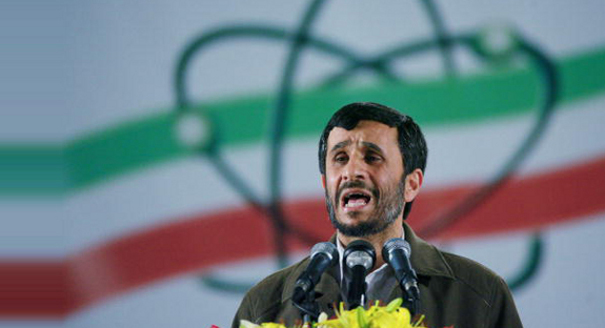
Source: Getty

In The Media

Talk of a ‘Red Line’ Stirs Fears Inside Iran

The possibility of a military action targeting Iran, along with the current economic sanctions, are creating anxiety inside the country.

Link Copied
By Karim Sadjadpour
Published on Sep 27, 2012

Source: PRI's The World

The heightened tensions between Israel, the United States, and Iran regarding Iran’s nuclear program, along with the devastating economics sanctions, are causing increased anxiety in the country. Speaking on PRI’s The World, Carnegie's Karim Sadjadpour noted that when people suffer under economic sanctions, it tends to accentuate their pre-existing political views. In other words, “if you are a supporter of the government you place the onus for personal economic hardship on the U.S. and Western imposed sanctions and if you are an opponent of the government, then you blame it on the regime.” The trend lines in Iran point to a further entrenchment of the dictatorial regime, ruled by Supreme Leader Khamenei and the Revolutionary Guard, Sadjadpour continued. Despite strong resentment among a large swath of the Iranian population, there seems to be little movement towards something resembling the Arab spring. The memory of the brutal repression following the contested 2009 elections demonstrated the regimes policy of refusing to bend, he added. Moreover, “In Iran, the term revolution does not have the romantic connotation that it does in the Arab world because much of the population is so disillusioned with the 1979 revolution,” concluded Sadjadpour.

About the Author

Karim Sadjadpour

Senior Fellow, Middle East Program

Karim Sadjadpour is a senior fellow at the Carnegie Endowment for International Peace, where he focuses on Iran and U.S. foreign policy toward the Middle East.

    Recent Work

  • Q&A
    What’s Keeping the Iranian Regime in Power—for Now

      Aaron David Miller, Karim Sadjadpour, Robin Wright
  • Q&A
    How Washington and Tehran Are Assessing Their Next Steps

      Aaron David Miller, David Petraeus, Karim Sadjadpour

Karim Sadjadpour
Senior Fellow, Middle East Program
Karim Sadjadpour
EconomyPolitical ReformNuclear PolicyMiddle EastIranGulf

Carnegie does not take institutional positions on public policy issues; the views represented herein are those of the author(s) and do not necessarily reflect the views of Carnegie, its staff, or its trustees.
More Work from Malcolm H. Kerr Carnegie Middle East Center

  • Article
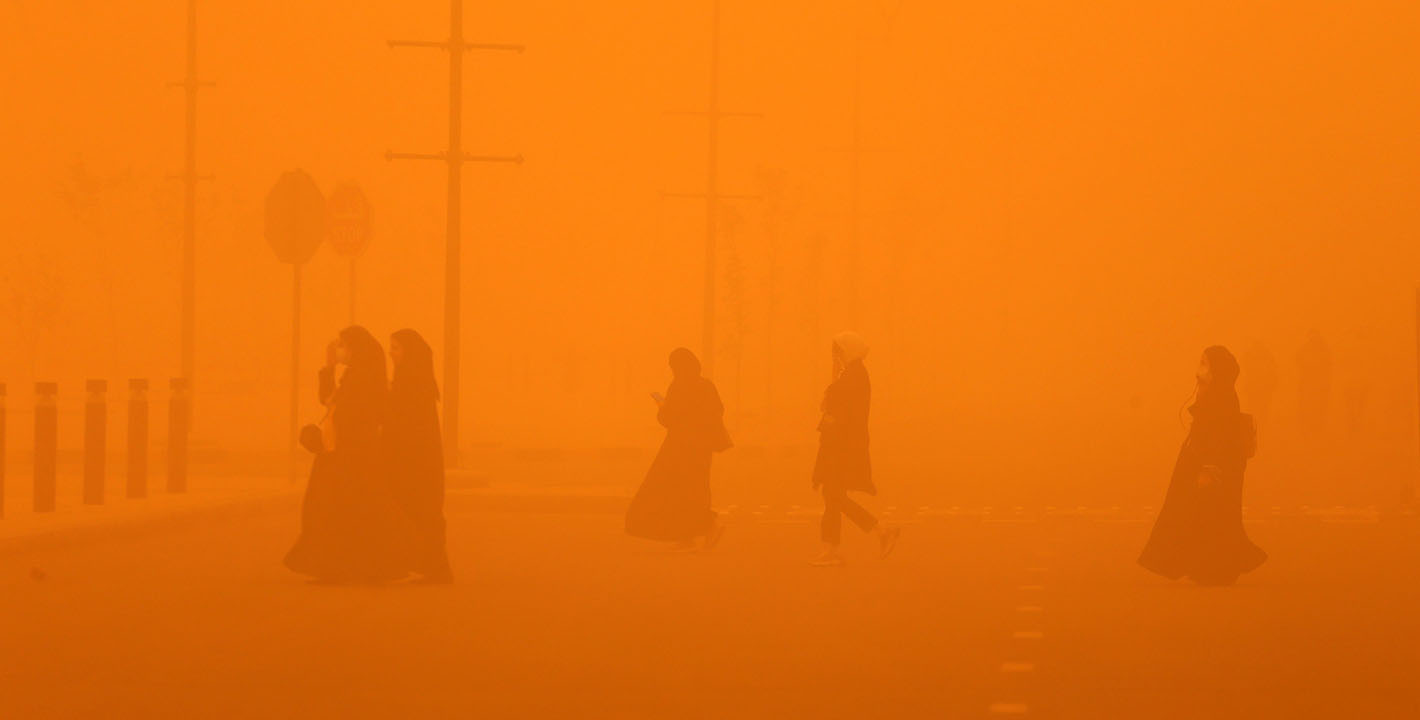
    Kuwait’s Bidun in the Face of Climate Change are Invisible, yet Exposed

    Mitigating the repercussions of climate change in Kuwait is crucial for lessening economic disparities and achieving social justice.

      Courtney Freer
  • Commentary
    Diwan
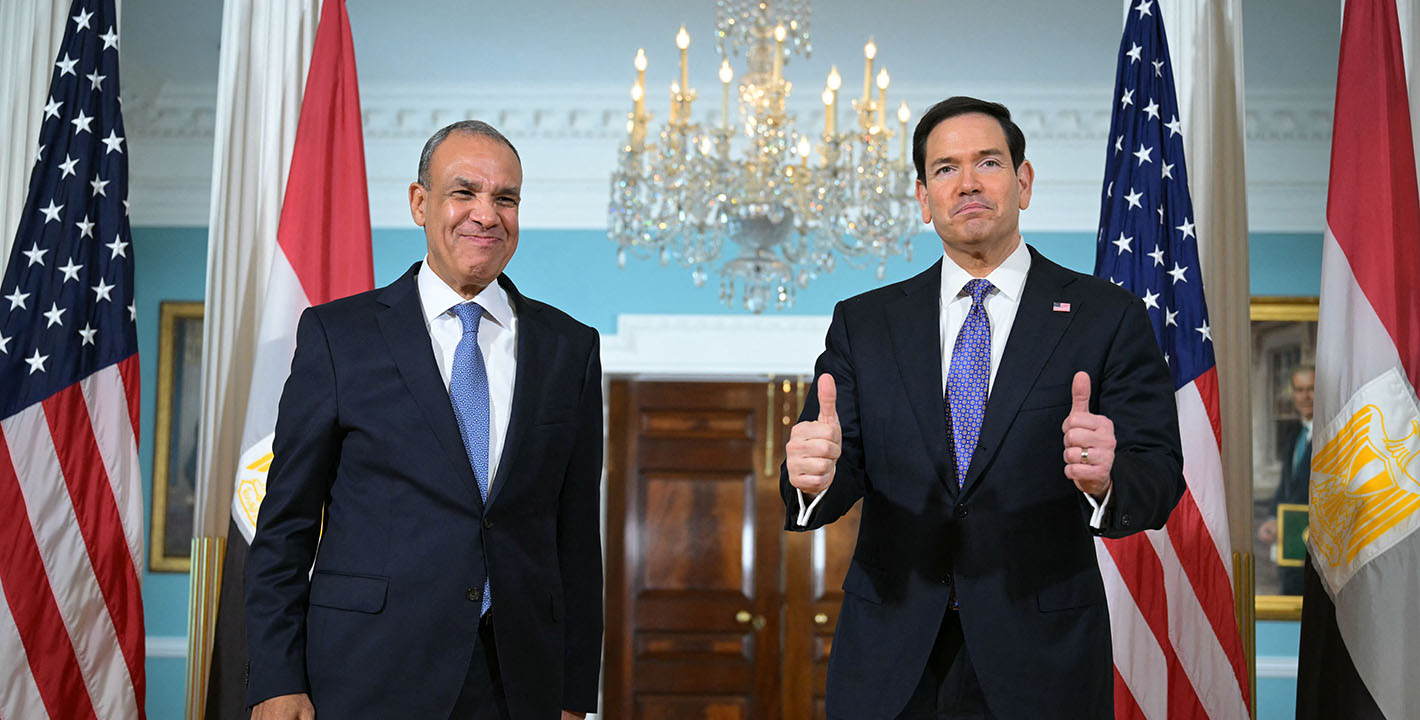
    Egypt’s Discrete Role in the Ceasefire with Iran

    Cairo’s efforts send a message to the United States and the region that it still has a place at the diplomatic table.

      • Angie Omar

      Angie Omar

  • Commentary
    Diwan
    Realism and the Lebanon-Israel Talks

    Beirut’s desire to break free from Iranian hegemony may push it into a situation where it has to accept Israel’s hegemony.  

      Michael Young
  • Commentary
    Diwan
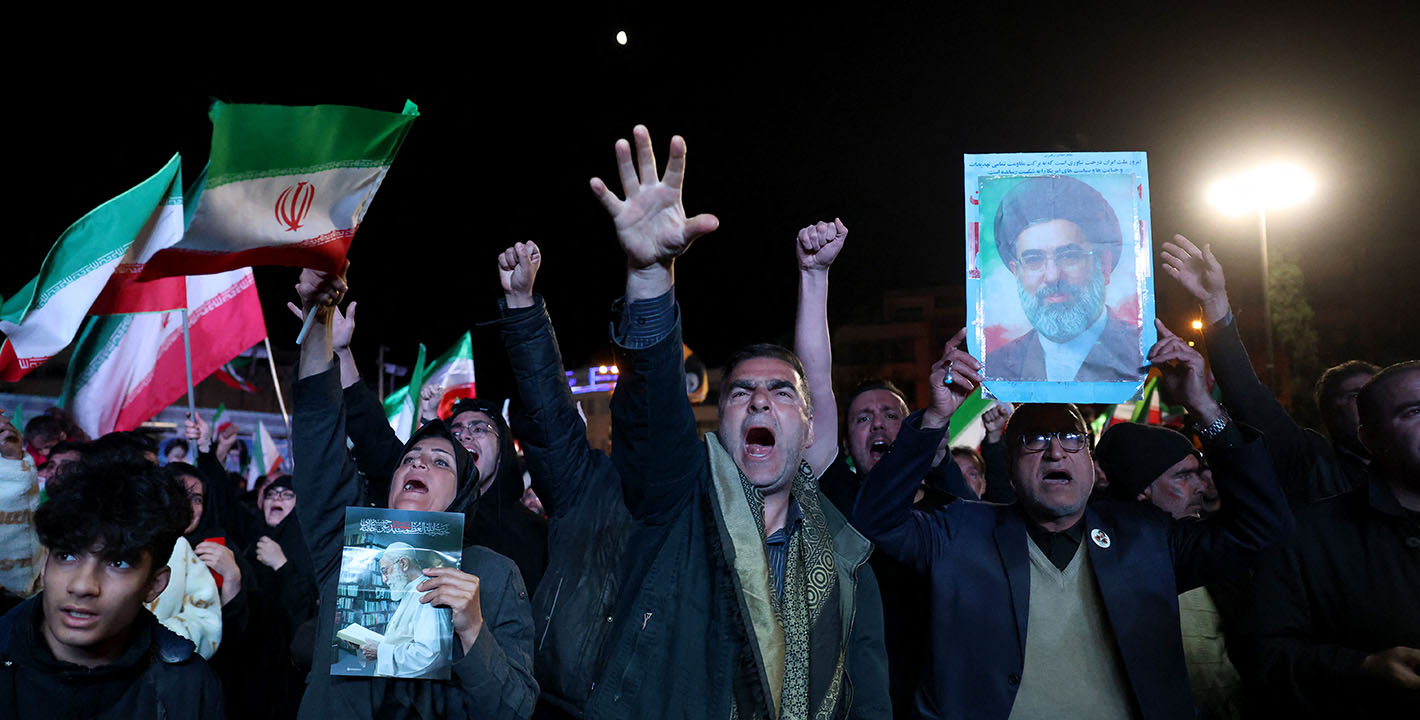
    The United States and Iran Have Agreed to a Two-Week Ceasefire

    Spot analysis from Carnegie scholars on events relating to the Middle East and North Africa.

      Michael Young
  • Commentary
    Diwan
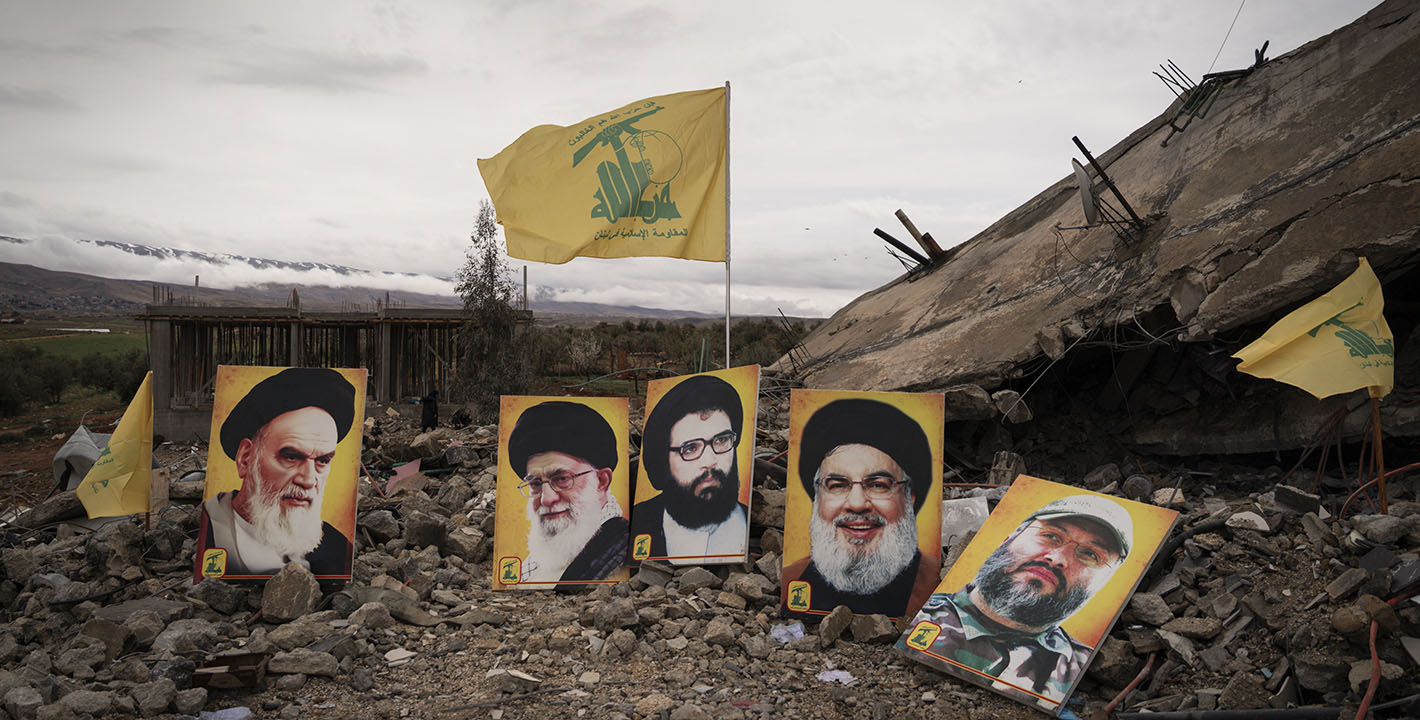
    Hezbollah’s Wartime Strategy

    The party’s objectives involve tying together the Lebanese and Iranian fronts, while surviving militarily and politically at home. 

      Mohamad Fawaz

Get more news and analysis from
Malcolm H. Kerr Carnegie Middle East Center
Carnegie Middle East logo, white
  • Research
  • Diwan
  • About
  • Experts
  • Projects
  • Events
  • Contact
  • Careers
  • Privacy
  • For Media
Get more news and analysis from
Malcolm H. Kerr Carnegie Middle East Center
© 2026 Carnegie Endowment for International Peace. All rights reserved.