

Commentary
Turkey’s planned new canal and a missile defense system both send the message that Turkey will go its own way, swiftly and irrespective of the country’s international environment and commitments.
Marc Pierini
{
  "authors": [
    "Tang Xiaoyang"
  ],
  "type": "questionAnswer",
  "centerAffiliationAll": "",
  "centers": [
    "Carnegie Endowment for International Peace",
    "Carnegie China"
  ],
  "collections": [
    "China and the Developing World"
  ],
  "englishNewsletterAll": "",
  "nonEnglishNewsletterAll": "",
  "primaryCenter": "Carnegie Endowment for International Peace",
  "programAffiliation": "",
  "programs": [],
  "projects": [],
  "regions": [],
  "topics": []
}
Source: Getty
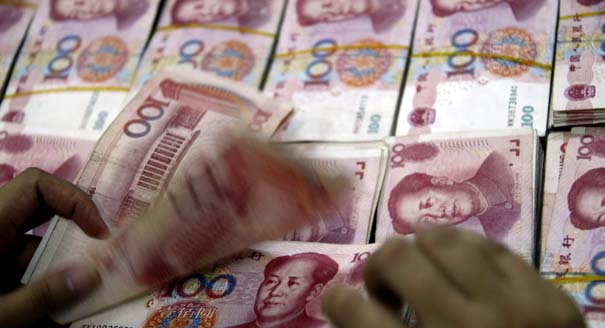
China is Africa’s largest trading partner and Beijing’s influence is expanding across the continent.
China is Africa’s largest trading partner and Beijing’s influence is expanding across the continent. In a Q&A, Tang Xiaoyang analyzes China’s growing engagement in Africa, including its development aid, trade, and investment. China’s arrival brings many positives for African countries with the construction of new infrastructure and creation of new jobs, but some local businessmen face stiffer competition from Chinese companies.
And Beijing’s expanding presence impacts the United States. While China and the United States are competing over natural resources, they are also cooperating on development aid and manufacturing as they share similar interests.
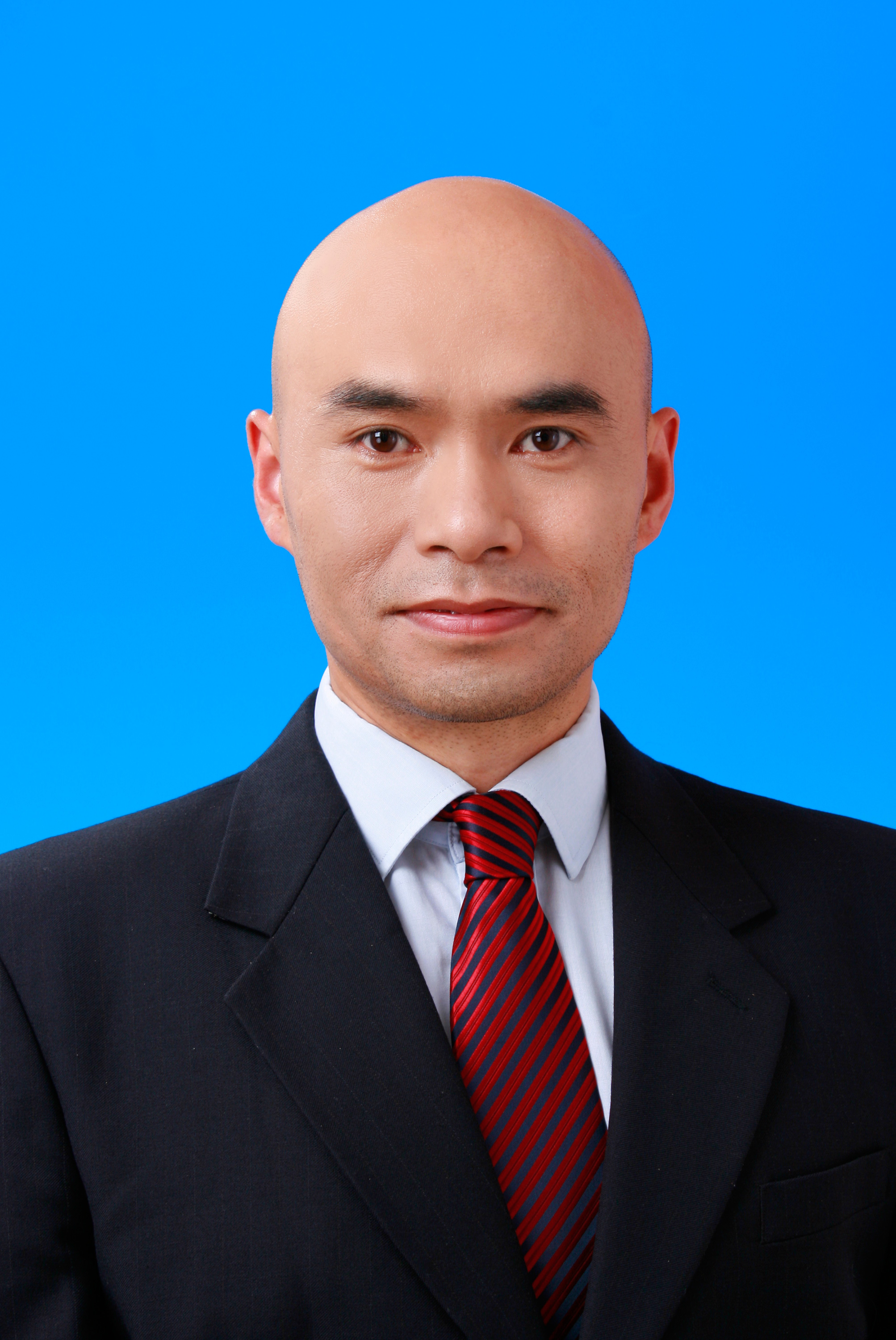
Tang Xiaoyang
Former Resident Scholar and Deputy Director, Carnegie-Tsinghua Center; Chair and Professor, Department of International Relations, Tsinghua University
Tang Xiaoyang is the chair and a professor in the Department of International Relations at Tsinghua University. He was a resident scholar and the deputy director at the Carnegie-Tsinghua Center until June 2020.
Carnegie does not take institutional positions on public policy issues; the views represented herein are those of the author(s) and do not necessarily reflect the views of Carnegie, its staff, or its trustees.
Turkey’s planned new canal and a missile defense system both send the message that Turkey will go its own way, swiftly and irrespective of the country’s international environment and commitments.

Marc Pierini
China’s misreading of the likelihood of U.S. intervention in Syria cost Beijing an opportunity to position itself as a global power.

Paul Haenle
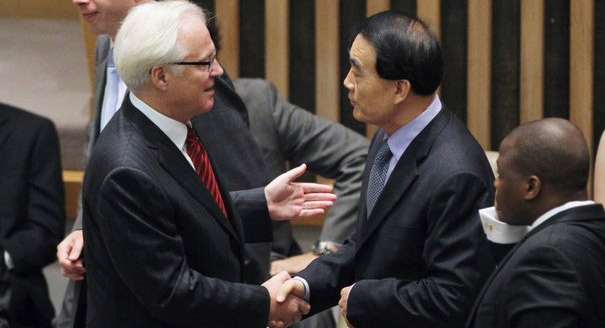
Beijing is dipping its diplomatic toes in the turbulent waters of the Middle East. But it is not clear if Delhi is ready to do the same.
C. Raja Mohan
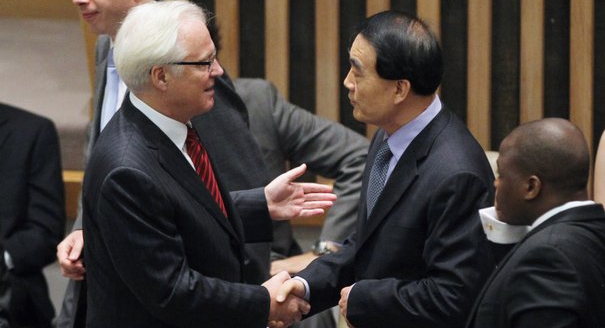
Chinese leadership gives no sign of accepting any type of foreign military intervention in Syria, calling into question the significance of China’s apparent earlier move toward accepting some infringements on national sovereignty by outside forces.

Michael D. Swaine
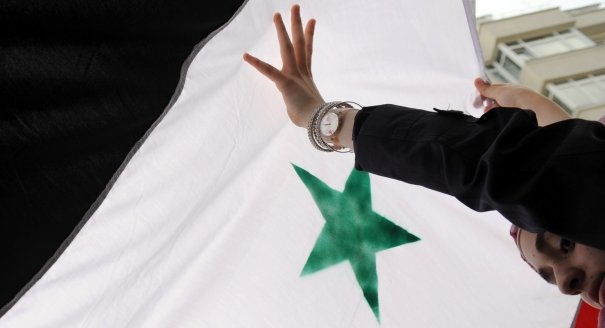
In case of unobstructed civil war in Syria, the division between Russian and U.S. policies toward Syria will most probably deepen, and the choices of these two countries will have serious international implications, including stronger Russia-China cooperation to counter U.S. foreign policies.
Dmitri Trenin