

Research
- +10
Rosa Balfour, Frances Z. Brown, Yasmine Farouk, …
{
  "authors": [
    "Moisés Naím"
  ],
  "type": "legacyinthemedia",
  "centerAffiliationAll": "",
  "centers": [
    "Carnegie Endowment for International Peace"
  ],
  "collections": [],
  "englishNewsletterAll": "",
  "nonEnglishNewsletterAll": "",
  "primaryCenter": "Carnegie Endowment for International Peace",
  "programAffiliation": "",
  "programs": [],
  "projects": [],
  "regions": [
    "East Asia",
    "North Korea",
    "North America"
  ],
  "topics": [
    "Democracy",
    "Nuclear Policy"
  ]
}
Source: Getty
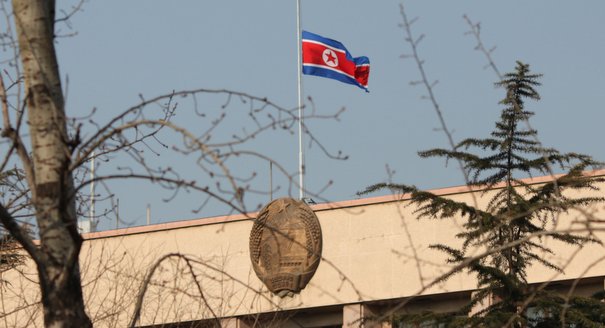
Kim Jong Un’s challenge is to hold power in a world where democracies seem to be overtaking autocracies.
Source: PBS NewsHour
In a continuation of his broadcast interview with the PBS NewsHour's Ray Suarez, author and former Foreign Policy editor Moisés Naím talks about North Korea's Kim Jong Un challenge to hold power in a world where democracies seem to be overtaking autocracies.
"It is becoming harder for him, for people like the North Korean government and the North Korean leader to stay in power. He can get away with it ... but the number of autocracies has been plummeting" in the wake of forces like the democracy movement of the Arab Spring, said Naím, author of the recently released The End of Power: From Boardrooms to Battlefields and Churches to States, Why Being in Charge Isn't What It Used to Be.
More unconventional leaders of democracy, people like Nelson Mandela in South Africa and Myanmar's Aung San Suu Kyi, made headway because they were able to mobilize the energies, hopes, desperation and political power that were against the more dominant structures of power -- South Africa's apartheid and Myanmar's military junta, Naím said.
China offers another complicated picture. It has succeeded in lifting hundreds of millions of people out of poverty, he continued, but now has an emerging middle class that is placing strains and demands on the government that "are in many ways undermining its ability to be that superpower that people fear."

Distinguished Fellow
Moisés Naím is a distinguished fellow at the Carnegie Endowment for International Peace, a best-selling author, and an internationally syndicated columnist.
Recent Work



Rosa Balfour, Frances Z. Brown, Yasmine Farouk, …
Moisés Naím
Carnegie does not take institutional positions on public policy issues; the views represented herein are those of the author(s) and do not necessarily reflect the views of Carnegie, its staff, or its trustees.
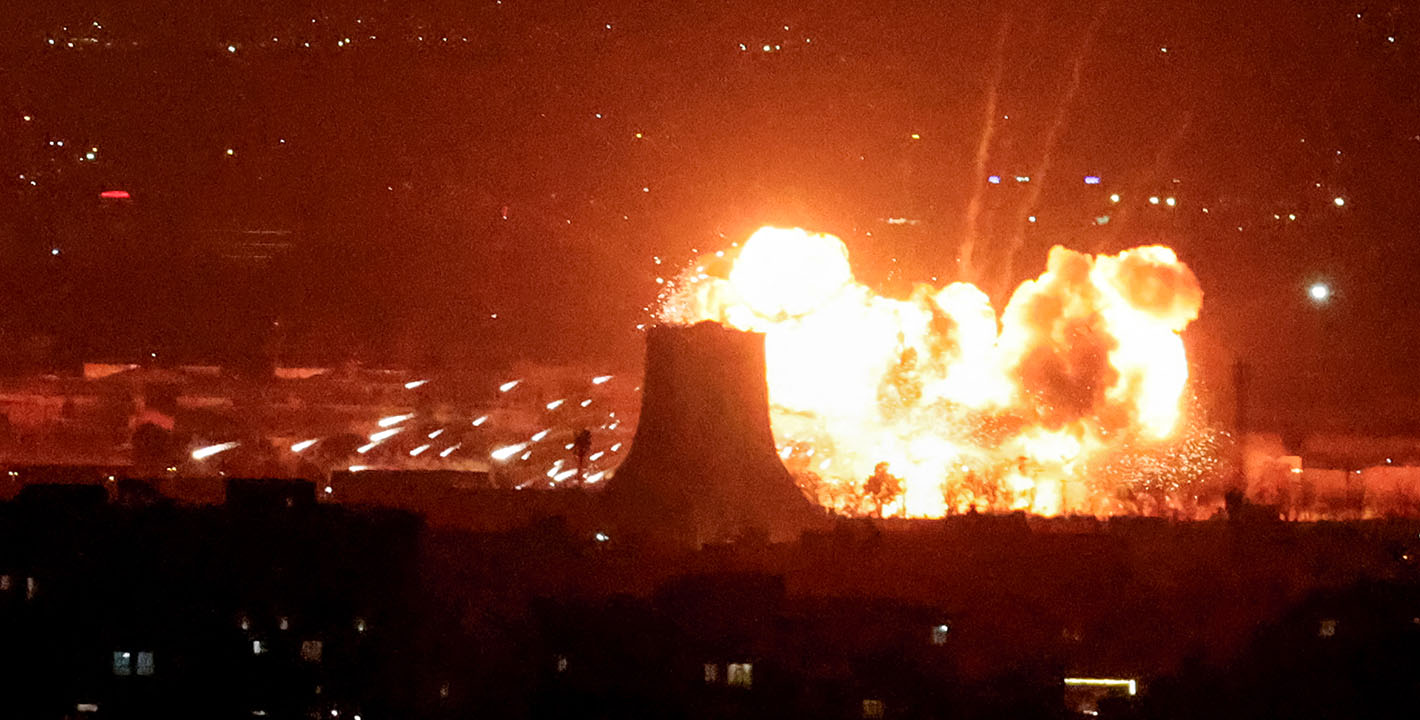
In an interview, Marc Lynch discusses his new book decrying the post-1990 U.S.-dominated order in the Middle East.

Michael Young
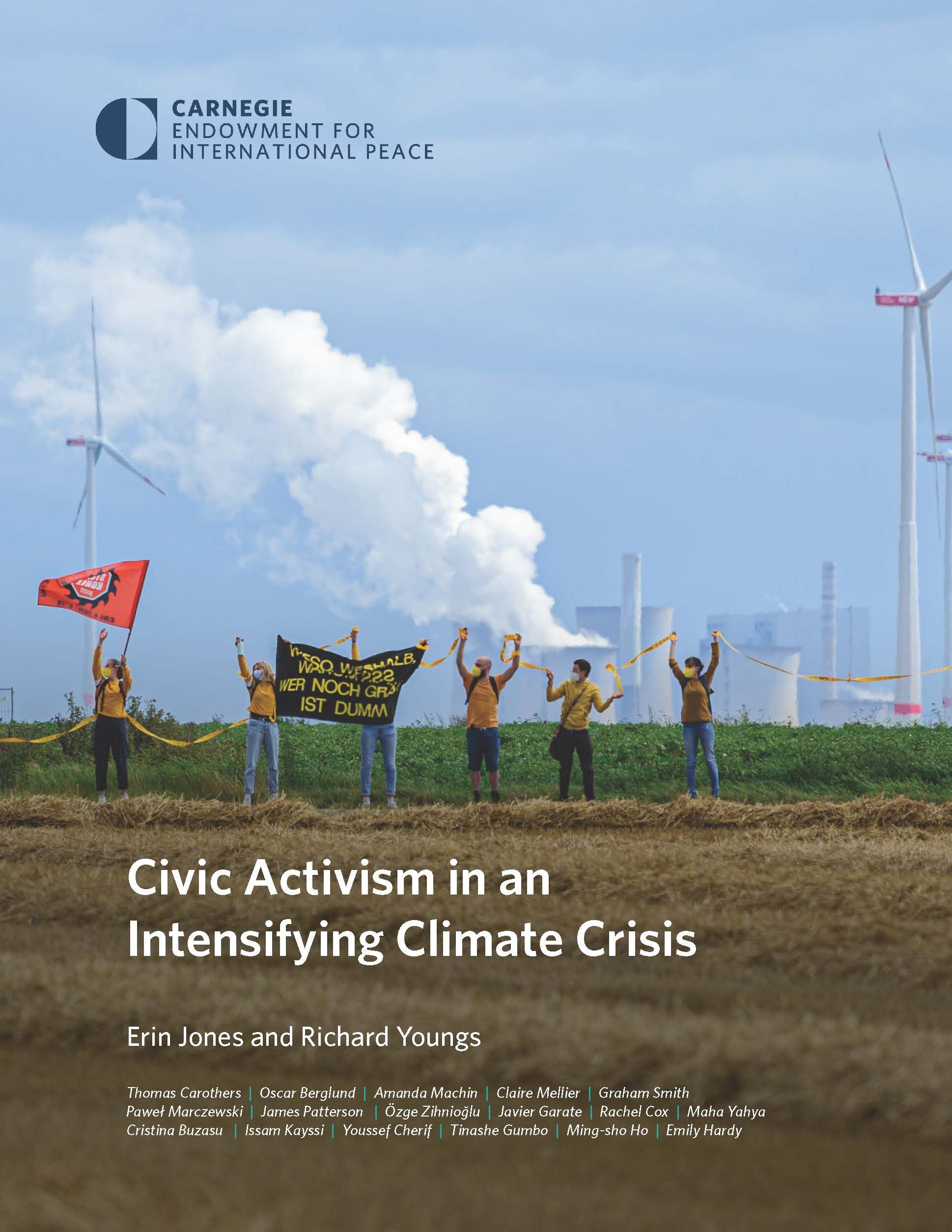
To address the deepening climate crisis, climate activism is employing a wider variety of tactics and aiming at a broader set of goals. In response, the movement faces stronger repression and civic backlash against climate action.

Erin Jones, Richard Youngs
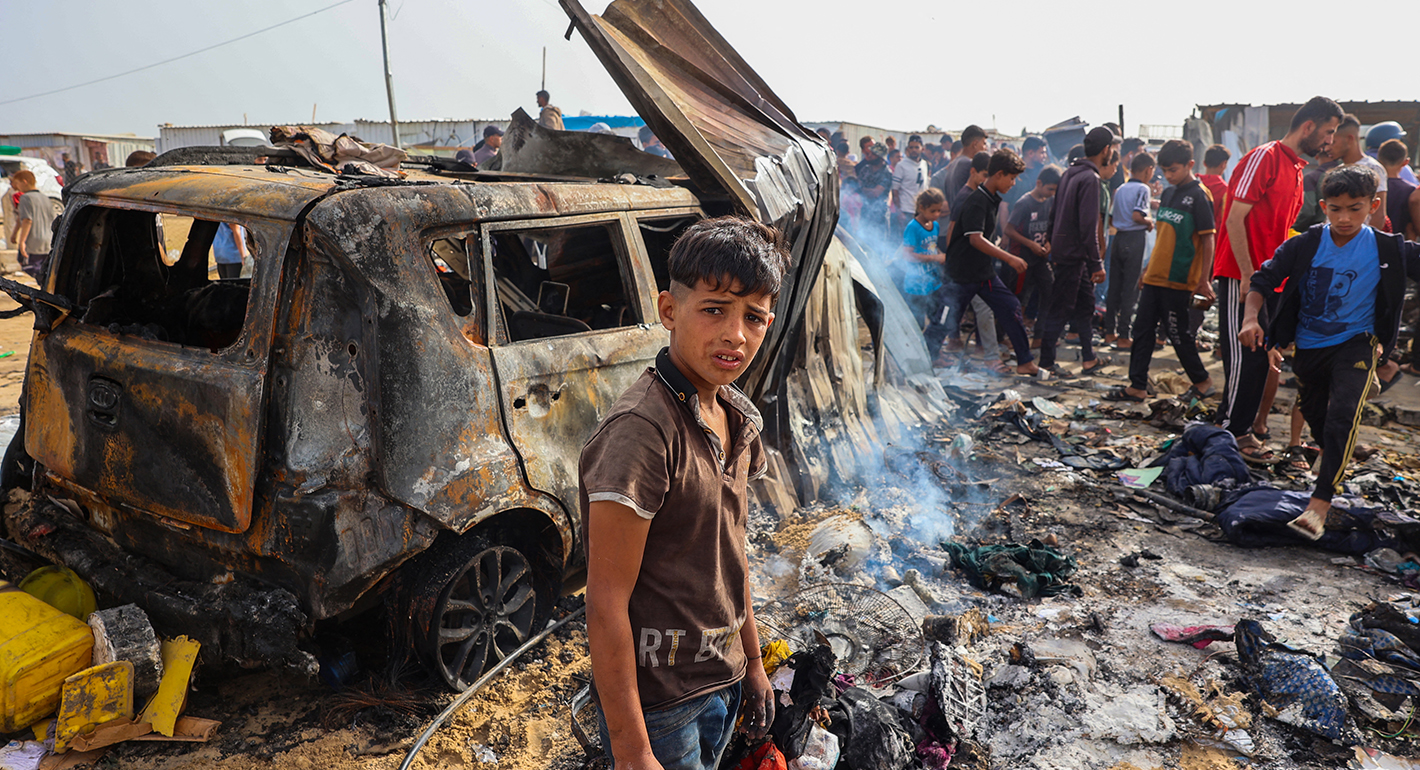
The Biden administration’s plan for the “day after” in Gaza would be disastrous without the promise of Palestinian statehood.

Yezid Sayigh
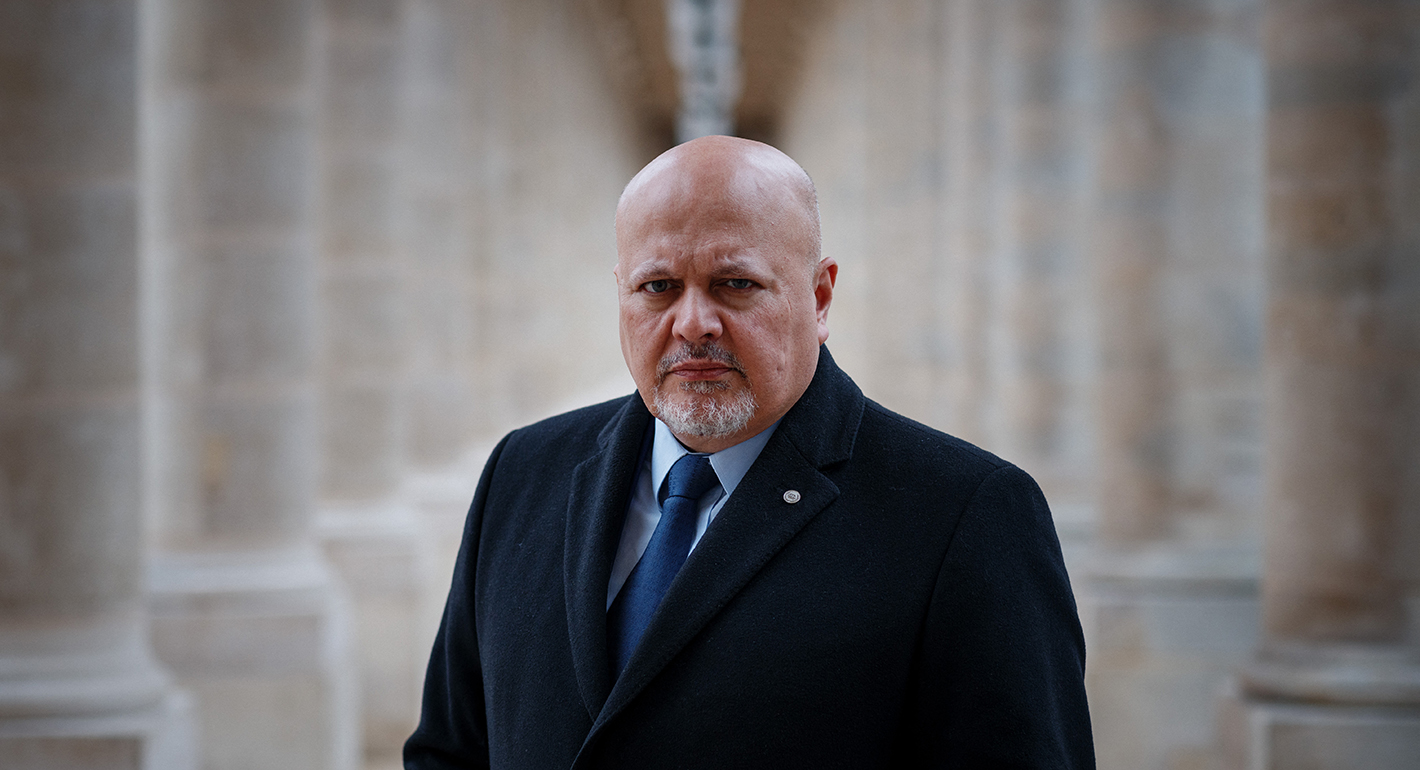
In an interview, H. A. Hellyer talks about international justice as the ICC prosecutor seeks to pursue Israeli officials.
Michael Young

Antony Blinken took his guitar to Kyiv to lift the spirits of Ukrainians, but Arabs are apparently denied his tunes.
Michael Young