

Paper
Christopher S. Chivvis, Rohan Mukherjee, Milan Vaishnav
{
  "authors": [
    "Milan Vaishnav"
  ],
  "type": "legacyinthemedia",
  "centerAffiliationAll": "dc",
  "centers": [
    "Carnegie Endowment for International Peace"
  ],
  "collections": [],
  "englishNewsletterAll": "ctw",
  "nonEnglishNewsletterAll": "",
  "primaryCenter": "Carnegie Endowment for International Peace",
  "programAffiliation": "SAP",
  "programs": [
    "South Asia"
  ],
  "projects": [
    "India Decides 2014"
  ],
  "regions": [
    "South Asia",
    "India"
  ],
  "topics": [
    "Political Reform",
    "Economy"
  ]
}
Source: Getty
There is nothing guaranteed about the Congress party's revival, but judging by history, even its opponents would be foolish to write it off. Congress may be down but it is not yet out.
Source: BBC News
The decline and fall of the Congress party is a story which been written many times before, only to be repeatedly torn up and thrown in the wastebasket.
Congress has been left for dead on at least two other occasions. The first was in 1977 when then-Congress Prime Minister Indira Gandhi was summarily tossed out of office after instituting a two-year period of emergency rule. Three years later, Congress roared back to life, winning 70% of parliamentary seats in one of their best showings ever.
The party was again pronounced dead in 1999 after a reluctant Sonia Gandhi, the wife of murdered Congress PM Rajiv Gandhi, took over the reins of the party.The party was trounced in national elections that year, suffering what was at the time its worst ever defeat (winning 114 seats in a house of 543). Yet by 2004 Sonia Gandhi had reversed the party's decline, leading it to victory not once but twice.
Although this time Congress has sunk to a historic new low in terms of parliamentary seats, the party still earned a not insignificant share of the all-India vote.
Given the sad state of the economy and pent-up anti-incumbency, the party won just under 20% of the vote. Even in circumstances which could not have been more unfavourable, the party held onto a dedicated "vote bank". This committed vote has declined sharply and is by no means permanent, but it remains formidable.
Also, although the media attention has focused on elections to the lower house of parliament (known as the Lok Sabha), India has a bicameral national legislature. The upper house, known as the Rajya Sabha, is a body whose members are indirectly elected to six-year terms with staggered elections occurring every two years.
Even though the BJP has achieved a historic breakthrough in the Lok Sabha, it has only 46 members in the Rajya Sabha - while the Congress has 68. This means that in a body with 240 members, the BJP (even counting alliance partners) lacks a simple majority while Congress, in turn, wields sizeable veto power. With only 23 vacancies opening up between now and the end of 2015, the overall composition will change only marginally in the short run.
Another point to note is that governance in India is shifting away from Delhi and toward its state capitals. Notwithstanding its parliamentary electoral debacle, Congress directs the government in 11 of India's 29 states and is part of the ruling coalition in two others. Granted, many of these states are small and politically inconsequential, but taken together they constitute a substantial bloc of federal power.
And looking beyond who occupies the chief minister's chair, 27% of India's state legislators belong to Congress compared with 21% for the BJP. The Congress share will certainly decline because of setbacks in four state elections held concurrently with national polls, but the party will probably remain the single largest party in terms of elected officials at the state level.
Congress' staying power does not mean that the party faithful should brush aside its electoral debacle. On the contrary, the party needs to swiftly move on simultaneous fronts.
Most obviously, the party needs to make a decision on its leadership. The Congress vice-president and heir to the family dynasty, Rahul Gandhi, needs to either step up to the plate or gracefully move aside. Gandhi's vacillating, "neither in nor out" stance has badly damaged the party's credibility, to say the least.
Second, the party should take a page from the BJP's book and empower strong regional leaders. Just a few years ago, the BJP was described not as a unified national party but as a collection of disparate regional franchises. Although seen as a disadvantage at the time, a credible, locally rooted leadership allowed the BJP to dramatically improve its state-level prospects, which in turn had positive spillovers into national politics.
Finally, Congress must devise a platform which goes beyond its current blend of secular nationalism-meets-social welfare. The party will probably not abandon these core tenets but they must be paired with ideas about India's economic future - a particular focus of Mr Modi.
Consider two facts. Every month for at least the next 15 years, a million new entrants will join India's labour force. And between 2010 and 2050, an estimated 500 million people will migrate from rural to urban settings. Indians are clamouring for an aspirational agenda in sync with these tectonic shifts, one that is concerned with jobs and growth in conjunction with, not subservient to, social safety nets.
There is nothing guaranteed about the Congress party's revival, but judging by history, even its opponents would be foolish to write it off. Congress may be down but it is not yet out.

Director and Senior Fellow, South Asia Program
Milan Vaishnav is a senior fellow and director of the South Asia Program and the host of the Grand Tamasha podcast at the Carnegie Endowment for International Peace. His primary research focus is the political economy of India, and he examines issues such as corruption and governance, state capacity, federalism, and electoral behavior. He also conducts research on the Indian diaspora.
Recent Work


Christopher S. Chivvis, Rohan Mukherjee, Milan Vaishnav



Sophia Besch, Eric Ciaramella, Steve Feldstein, …
Carnegie does not take institutional positions on public policy issues; the views represented herein are those of the author(s) and do not necessarily reflect the views of Carnegie, its staff, or its trustees.

The armed forces champion a form of capitalism that is generating revenue, but its reliance on rent faces diminishing returns, leaving the country with massive sunk costs and deferred returns, deepening dependency on external borrowing.

Yezid Sayigh
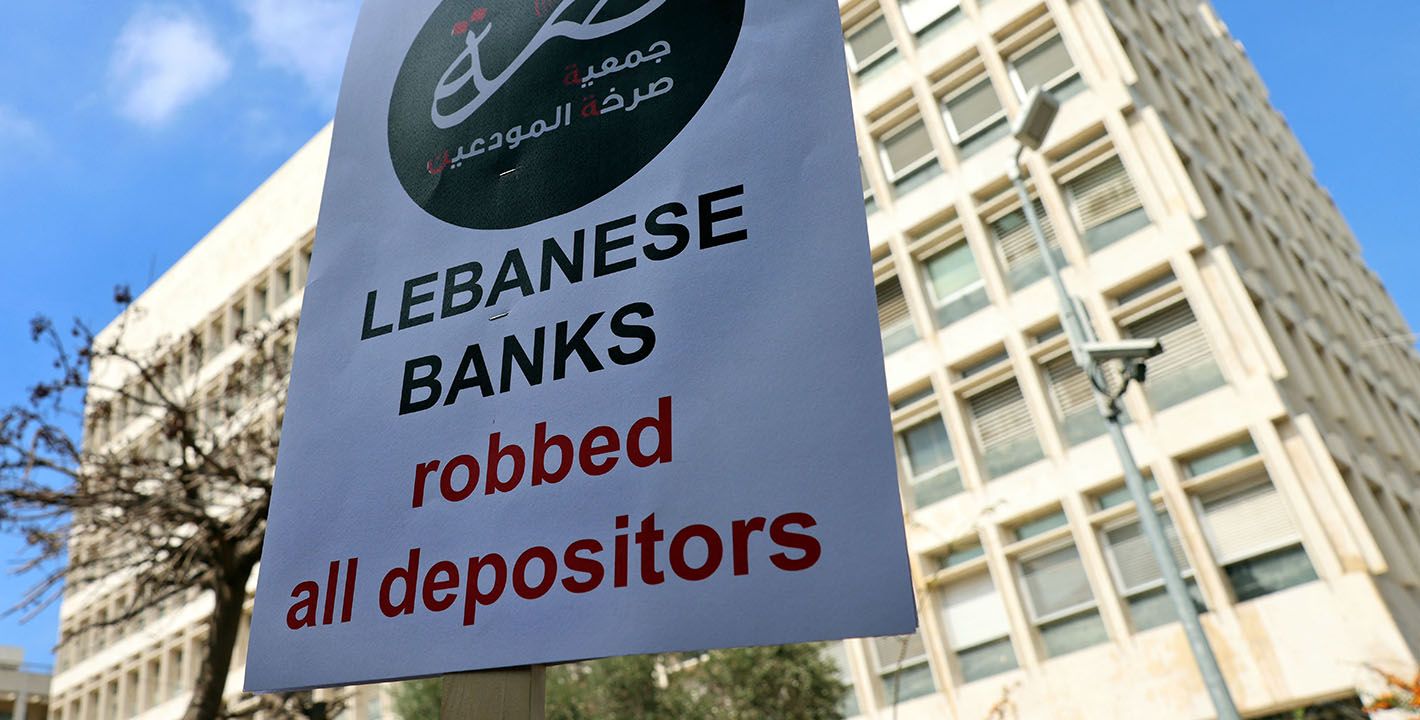
In an interview, Ishac Diwan looks at the merits and flaws in the draft legislation distributing losses from the financial collapse.

Michael Young
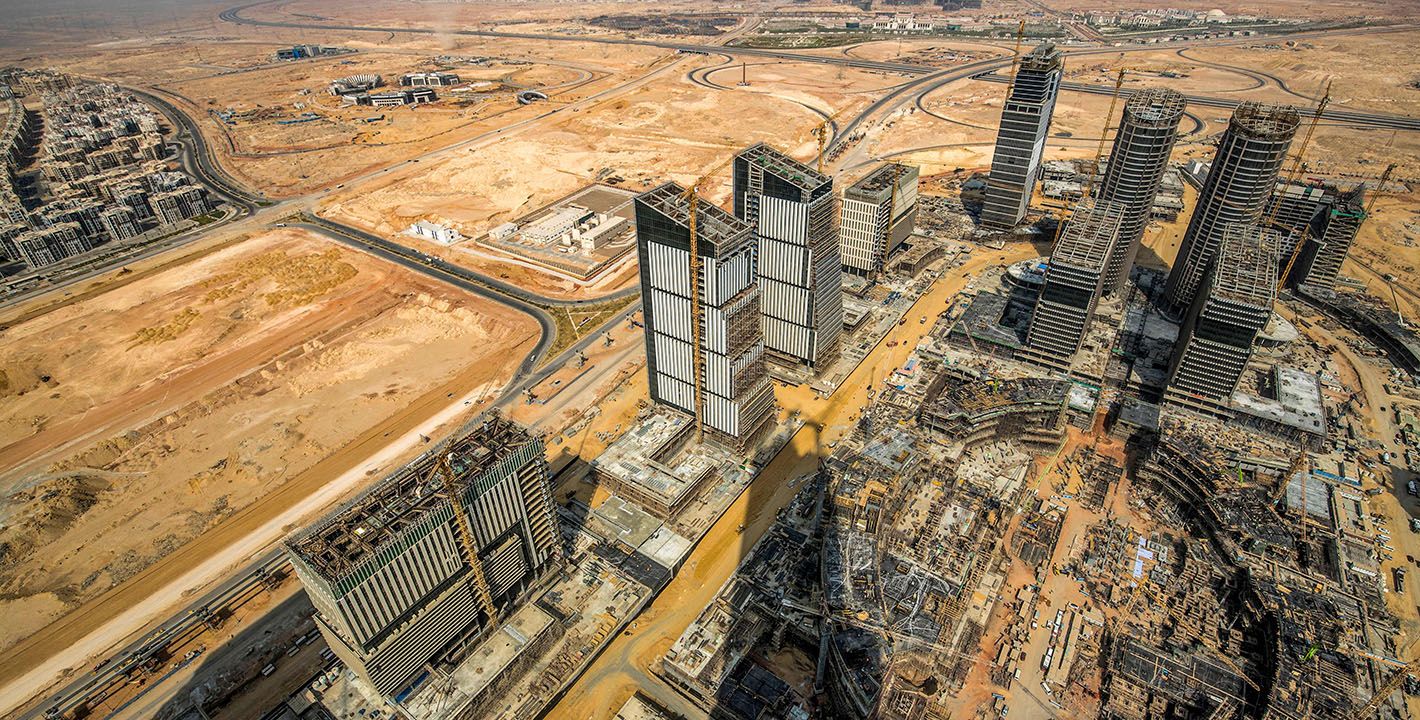
Mustaqbal Misr has expanded its portfolio with remarkable speed, but a lack of transparency remains.
Yezid Sayigh

Arab diaspora business communities in Egypt often mirror the same systemic challenges facing Egyptian businesses.

Nur Arafeh, Yezid Sayigh, Qaboul al-Absi, …

Largely characterized thus far by a single-minded focus on extractivism, Riyadh must commit to greater equitability in its approach to investment and development deals with Sudan, Ethiopia, and Eritrea.

Hesham Alghannam