

• Research
  • Diwan
  • About
  • Experts
Carnegie Middle East logoCarnegie lettermark logo
PalestineSyria
{
  "authors": [
    "Sandip Sukhtankar",
    "Milan Vaishnav"
  ],
  "type": "other",
  "centerAffiliationAll": "dc",
  "centers": [
    "Carnegie Endowment for International Peace"
  ],
  "collections": [],
  "englishNewsletterAll": "",
  "nonEnglishNewsletterAll": "",
  "primaryCenter": "Carnegie Endowment for International Peace",
  "programAffiliation": "SAP",
  "programs": [
    "South Asia"
  ],
  "projects": [],
  "regions": [
    "South Asia",
    "India"
  ],
  "topics": [
    "Political Reform",
    "Democracy",
    "Economy",
    "Civil Society"
  ]
}

Source: Getty

Other

Corruption in India: Bridging Research Evidence and Policy Options

The most important thing for combating corruption is not the law on paper but the implementation of the law; the binding constraint, as always, is the government’s desire and ability to punish corrupt officials and politicians.

Link Copied
By Sandip Sukhtankar and Milan Vaishnav
Published on Sep 1, 2015

Source: India Policy Forum

Abstract

Corruption has become an increasingly salient issue in India today, spawning enormous interest from the media as well as a large amount of academic research. Yet, there is a large gap between what has captured the media’s attention, the policy options under discussion, and the actual evidence base drawn from empirical research on corruption. We attempt to bridge this gap by directly addressing the particular challenges that corruption in India poses. Academic evidence supports the popular perception that corruption is widespread and endemic. However, we find that the costs of day-to-day corruption are just as large, if not larger, than those of the “scams” that dominate headlines. Further, we find that there is very little evidence to support the idea that greater transparency, information, and community-based efforts have a significant impact on reducing corruption on their own.

This is also true for some technological interventions, although those interventions—like direct benefit transfers—that bypass middlemen and corrupt officials have a much greater scope for success, as do interventions that transfer bargaining power to citizens and beneficiaries. We find much to commend in the sensible and wide-ranging legislative agenda to combat corruption, including the Right to Service and Public Procurement bills. However, what is most important for combating corruption is not the law on paper but the implementation of the law; the binding constraint, as always, is the government’s desire and ability to punish corrupt officials and politicians.

Full Text

Authors

Sandip Sukhtankar
Dartmouth College
Milan Vaishnav
Director and Senior Fellow, South Asia Program
Milan Vaishnav
Political ReformDemocracyEconomyCivil SocietySouth AsiaIndia

Carnegie does not take institutional positions on public policy issues; the views represented herein are those of the author(s) and do not necessarily reflect the views of Carnegie, its staff, or its trustees.

More Work from Malcolm H. Kerr Carnegie Middle East Center

  • Commentary
    Diwan
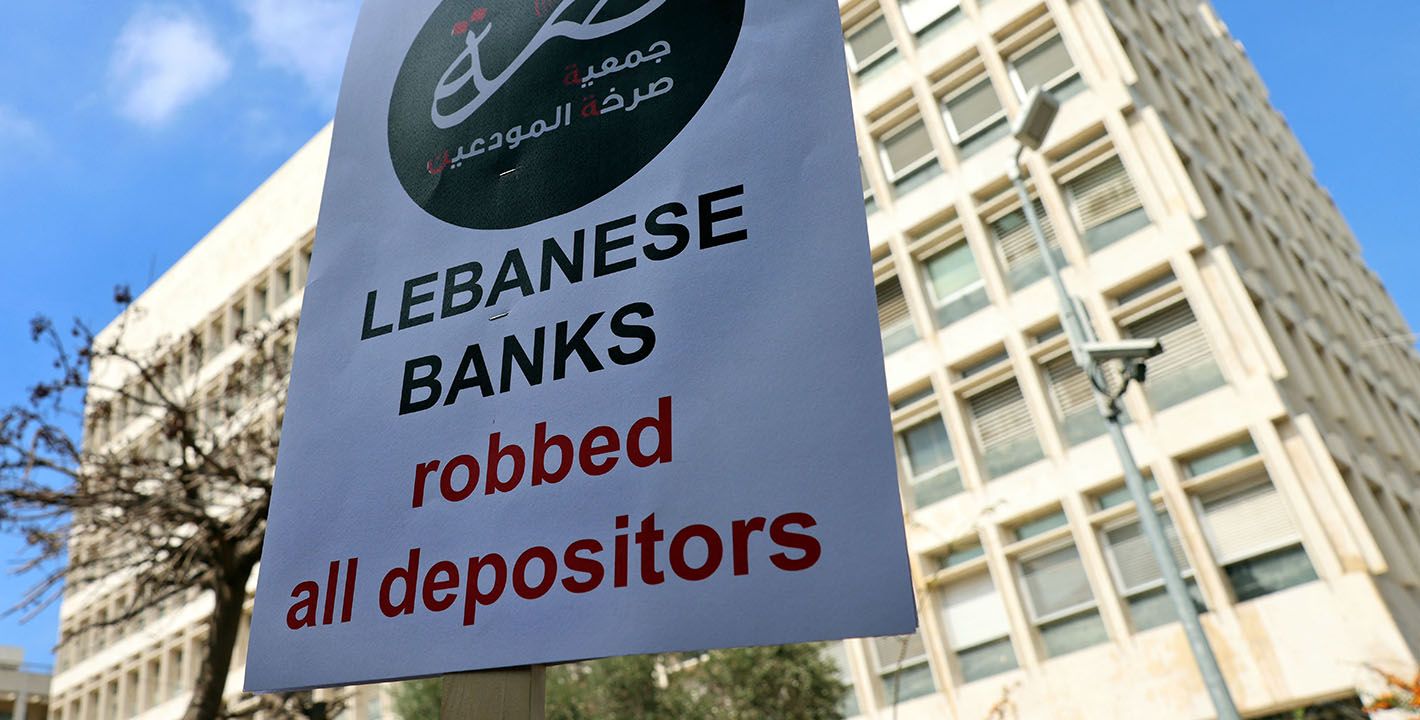
    Unpacking Lebanon’s Gap Law

    In an interview, Ishac Diwan looks at the merits and flaws in the draft legislation distributing losses from the financial collapse.

      Michael Young

  • Commentary
    Diwan
    Has Sisi Found a Competent Military Entrepreneur?

    Mustaqbal Misr has expanded its portfolio with remarkable speed, but a lack of transparency remains.

      Yezid Sayigh

  • Commentary
    Diwan
    Understanding Morocco’s GenZ Uprising

    The country’s youthful protest movement is seeking economic improvement, social justice, and just a little hope.

      Yasmine Zarhloule

  • Research
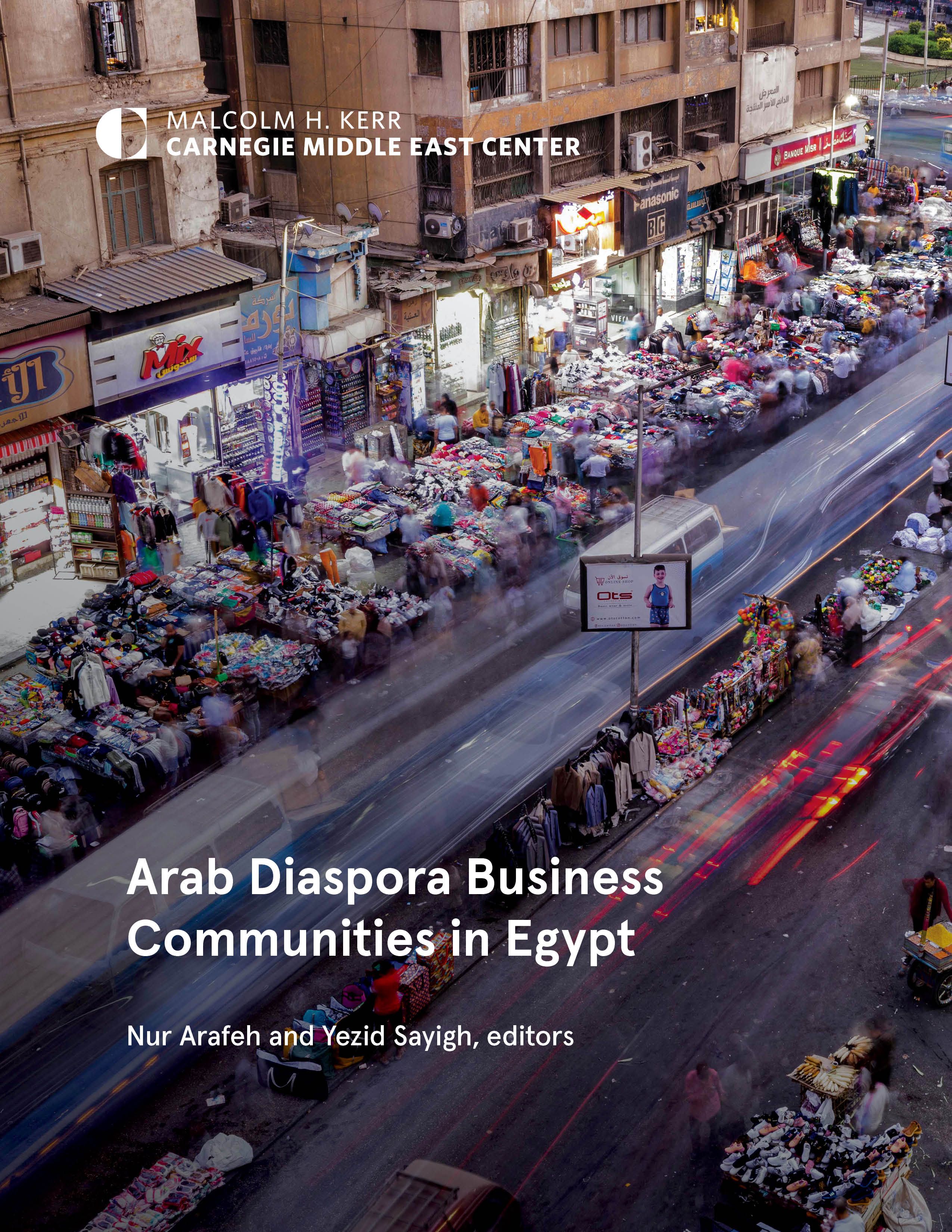
    Arab Diaspora Business Communities in Egypt

    Arab diaspora business communities in Egypt often mirror the same systemic challenges facing Egyptian businesses.

      • +4

      Nur Arafeh, Yezid Sayigh, Qaboul al-Absi, …

  • Article
    Saudi Arabia in Africa: Sound Economic and Geopolitical Strategy, or Resource Exploitation?

    Largely characterized thus far by a single-minded focus on extractivism, Riyadh must commit to greater equitability in its approach to investment and development deals with Sudan, Ethiopia, and Eritrea.

      Hesham Alghannam

Get more news and analysis from
Malcolm H. Kerr Carnegie Middle East Center
Carnegie Middle East logo, white
  • Research
  • Diwan
  • About
  • Experts
  • Projects
  • Events
  • Contact
  • Careers
  • Privacy
  • For Media
Get more news and analysis from
Malcolm H. Kerr Carnegie Middle East Center
© 2026 Carnegie Endowment for International Peace. All rights reserved.