

Commentary
In an interview, Ishac Diwan looks at the merits and flaws in the draft legislation distributing losses from the financial collapse.
Michael Young
{
  "authors": [
    "Milan Vaishnav",
    "Reedy Swanson"
  ],
  "type": "other",
  "centerAffiliationAll": "dc",
  "centers": [
    "Carnegie Endowment for International Peace"
  ],
  "collections": [],
  "englishNewsletterAll": "ctw",
  "nonEnglishNewsletterAll": "",
  "primaryCenter": "Carnegie Endowment for International Peace",
  "programAffiliation": "SAP",
  "programs": [
    "South Asia"
  ],
  "projects": [],
  "regions": [
    "South Asia",
    "India"
  ],
  "topics": [
    "Democracy",
    "Economy"
  ]
}
Source: Getty
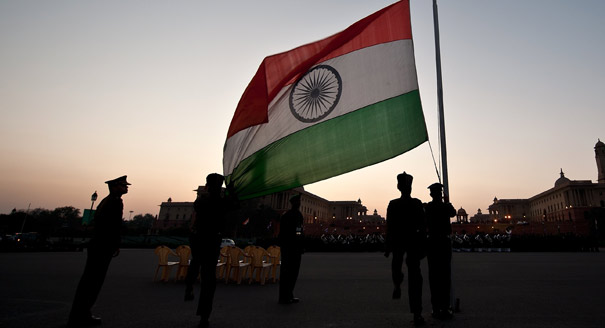
The Indian voter weights economic performance more heavily now than in the past.
Source: India Review
The proposition that voters reward incumbent governments that perform well economically is considered received wisdom in many democracies. We examine this hypothesis in India, a developing democracy where scholars have found limited evidence of economic voting. Using a unique state-level panel dataset covering the years 1980–2012, we find that there is no relationship between growth and electoral performance in the aggregate. However, since 2000, there do appear to be increasing electoral returns to governments that deliver higher rates of economic growth. The positive returns to growth are much larger than those to improved law and order, while inflation has no clear impact. The results suggest a significant shift in Indian voter behavior.

Director and Senior Fellow, South Asia Program
Milan Vaishnav is a senior fellow and director of the South Asia Program and the host of the Grand Tamasha podcast at the Carnegie Endowment for International Peace. His primary research focus is the political economy of India, and he examines issues such as corruption and governance, state capacity, distributive politics, and electoral behavior. He also conducts research on the Indian diaspora.
Reedy Swanson
Former Junior Fellow, South Asia Program
Carnegie does not take institutional positions on public policy issues; the views represented herein are those of the author(s) and do not necessarily reflect the views of Carnegie, its staff, or its trustees.
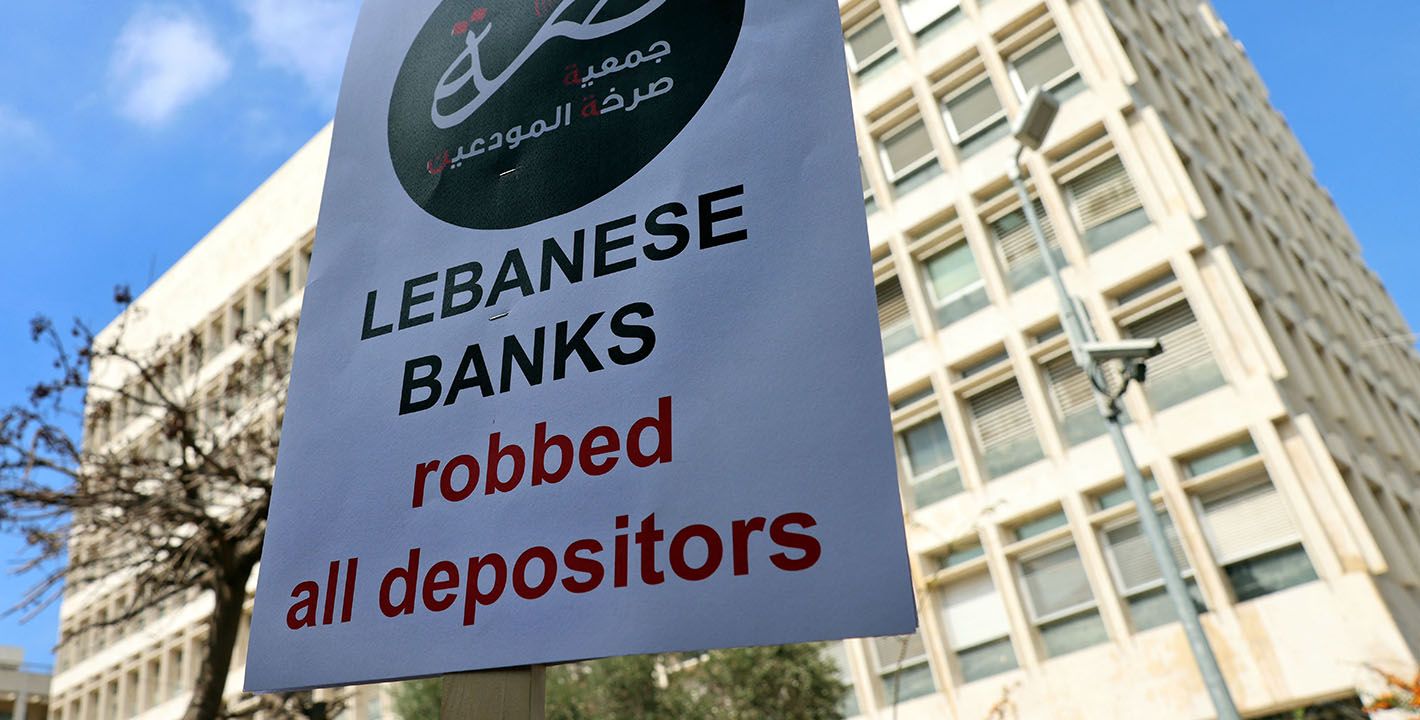
In an interview, Ishac Diwan looks at the merits and flaws in the draft legislation distributing losses from the financial collapse.

Michael Young

Mustaqbal Misr has expanded its portfolio with remarkable speed, but a lack of transparency remains.

Yezid Sayigh
Arab diaspora business communities in Egypt often mirror the same systemic challenges facing Egyptian businesses.

Nur Arafeh, Yezid Sayigh, Qaboul al-Absi, …
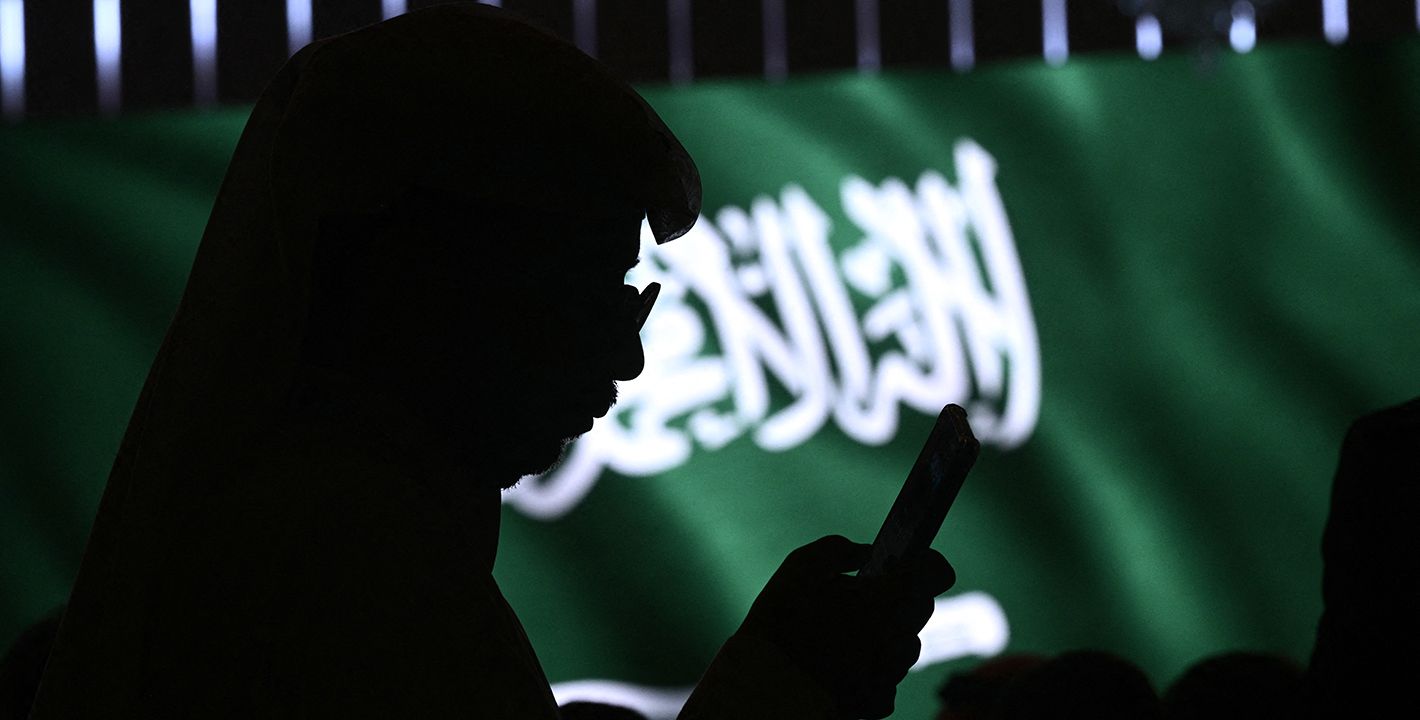
Largely characterized thus far by a single-minded focus on extractivism, Riyadh must commit to greater equitability in its approach to investment and development deals with Sudan, Ethiopia, and Eritrea.
Hesham Alghannam
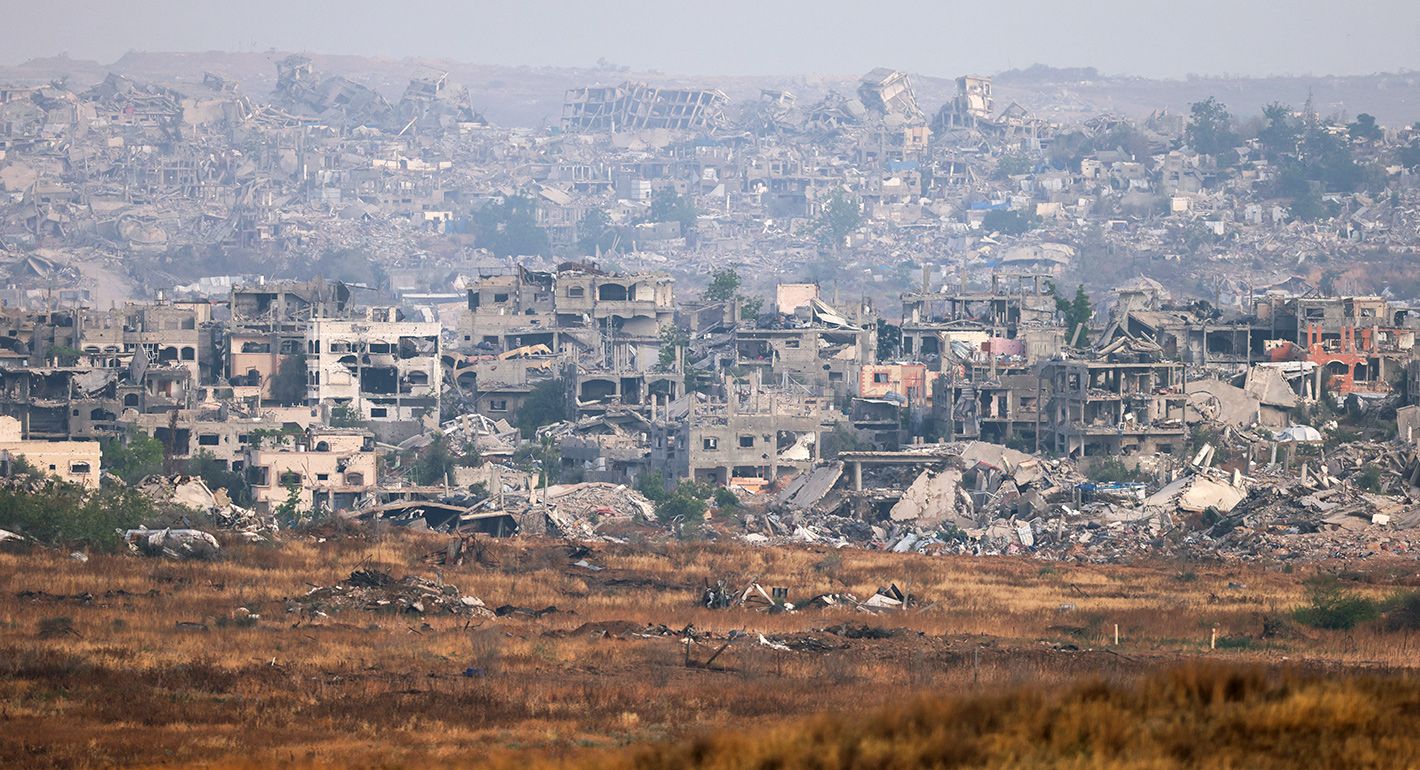
Once Israel’s war in the territory is brought to an end, the foundational principles guiding reconstruction should be Palestinian self-determination, local agency, and sovereignty.
Nur Arafeh, Mandy Turner