

Other
- +18
James M. Acton, Saskia Brechenmacher, Cecily Brewer, …
{
  "authors": [
    "James M. Acton"
  ],
  "type": "other",
  "centerAffiliationAll": "dc",
  "centers": [
    "Carnegie Endowment for International Peace"
  ],
  "collections": [
    "U.S. Nuclear Policy"
  ],
  "englishNewsletterAll": "ctw",
  "nonEnglishNewsletterAll": "",
  "primaryCenter": "Carnegie Endowment for International Peace",
  "programAffiliation": "NPP",
  "programs": [
    "Nuclear Policy"
  ],
  "projects": [],
  "regions": [
    "North America",
    "United States"
  ],
  "topics": [
    "Nuclear Policy"
  ]
}
Source: Getty
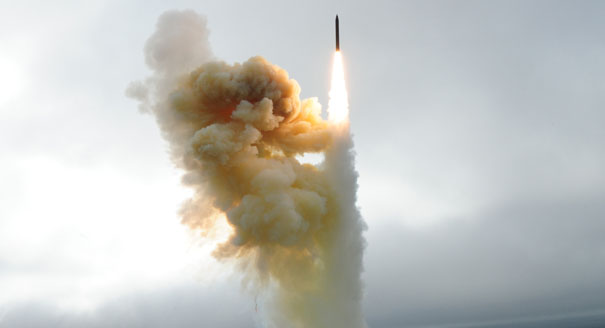
U.S. missile defense policy has been remarkably stable since the end of the Cold War. This consensus represents an equilibrium between external threats, domestic politics, and technological and financial realities.
Source: Regional Missile Defense from a Global Perspective
In its February 2010 Ballistic Missile Defense Review Report, the administration of President Barack Obama identified two fundamental policy goals:
First, the United States will continue to defend the homeland from limited ballistic missile attack. These efforts are focused on protecting the homeland from a ballistic missile attack by a regional actor such as North Korea or Iran. . . . Second, the United States will defend U.S. deployed forces from regional missile threats while also protecting our allies and partners and enabling them to defend themselves.1
Since the collapse of the Soviet Union, every U.S. administration has articulated similar objectives. This continuity may seem unremarkable. But it stands in stark contrast to the Cold War, which saw the United States adopt almost every policy on ballistic missile defense (BMD) imaginable, ranging from not having a policy to outright opposition to complete support to the qualified endorsement of limited defenses.This post–Cold War consensus has not been absolute. Inevitably, each administration has created its own distinctive policy formulation, and some differences in basic goals have emerged—most notably over the right balance between homeland defense and forward defense (in particular, for much of his time in office President William Clinton opposed the deployment of homeland defenses). But these policy changes have been modest compared to those during the Cold War, and the shifts in missile defense technology pursued by different administrations are largely reflective of disagreements over means, not ends.
This consensus represents an equilibrium between three different forces: external threats, domestic politics, and technological and financial realities. The first two forces have tended to put “upward pressure” on BMD programs (even if the magnitude of this pressure has ebbed and flowed over time). The scale of U.S. ambitions has, however, been kept in check by the cost and technical complexity of developing and deploying defenses....
1 U.S. Department of Defense, Ballistic Missile Defense Review Report, February 2010, 11.
The chapter “U.S. National Missile Defense Policy” was originally published in the book Regional Missile Defense from a Global Perspective. More information about the book can be found here.

Jessica T. Mathews Chair, Co-director, Nuclear Policy Program
Acton holds the Jessica T. Mathews Chair and is co-director of the Nuclear Policy Program at the Carnegie Endowment for International Peace.
Recent Work


James M. Acton, Saskia Brechenmacher, Cecily Brewer, …
James M. Acton
Carnegie does not take institutional positions on public policy issues; the views represented herein are those of the author(s) and do not necessarily reflect the views of Carnegie, its staff, or its trustees.
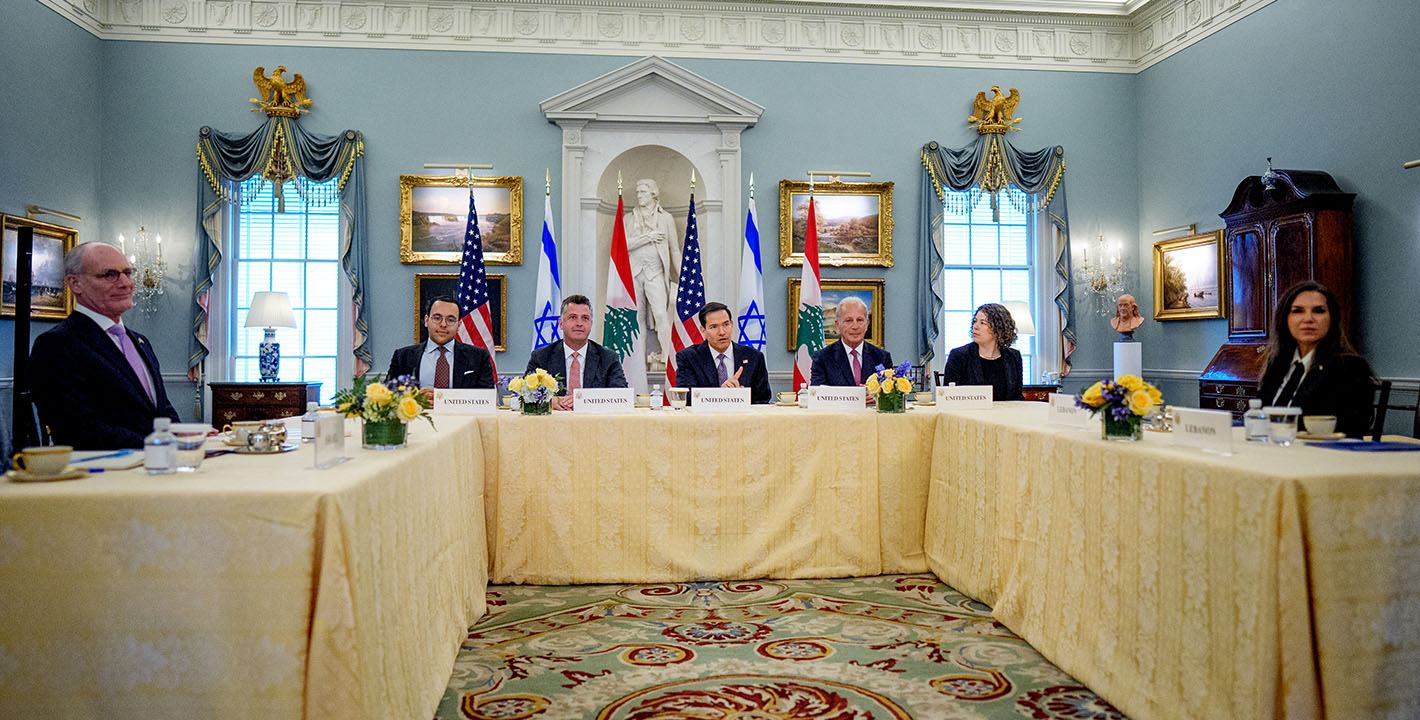
Beirut’s desire to break free from Iranian hegemony may push it into a situation where it has to accept Israel’s hegemony.

Michael Young
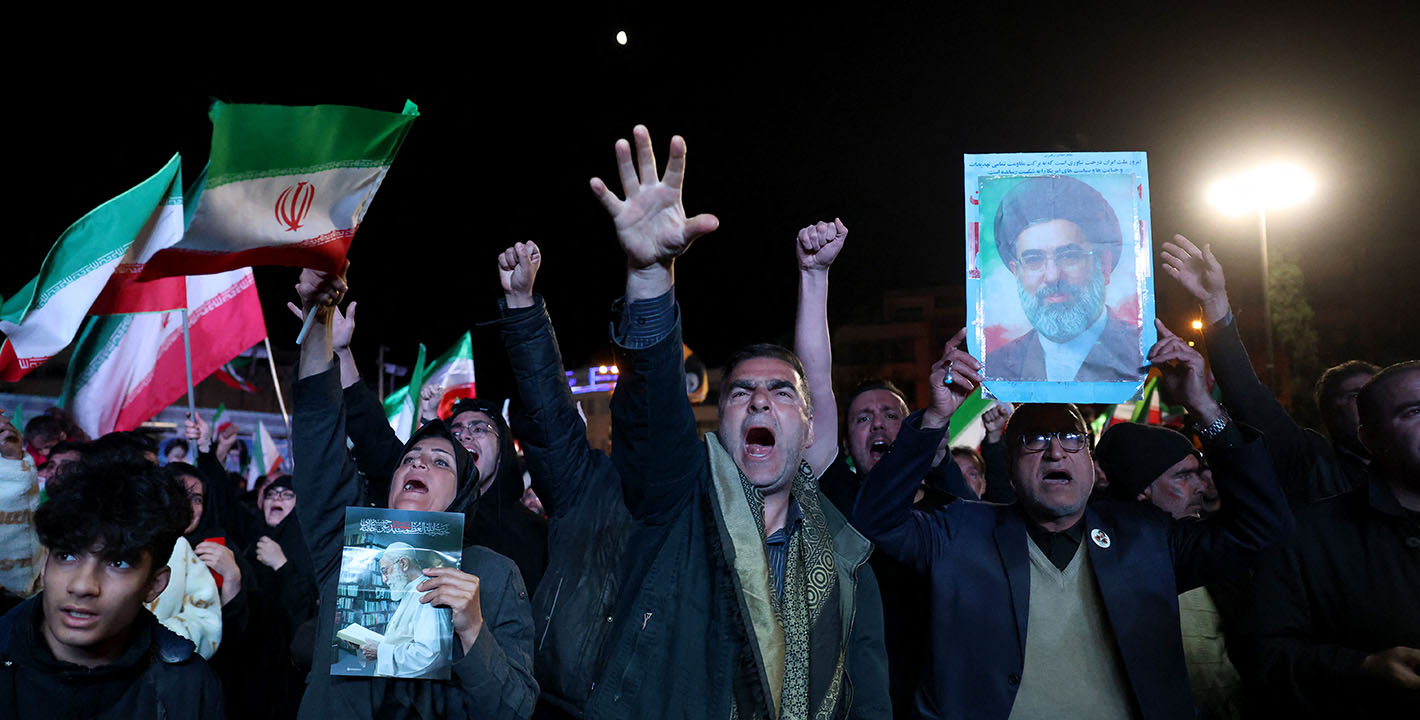
Spot analysis from Carnegie scholars on events relating to the Middle East and North Africa.
Michael Young
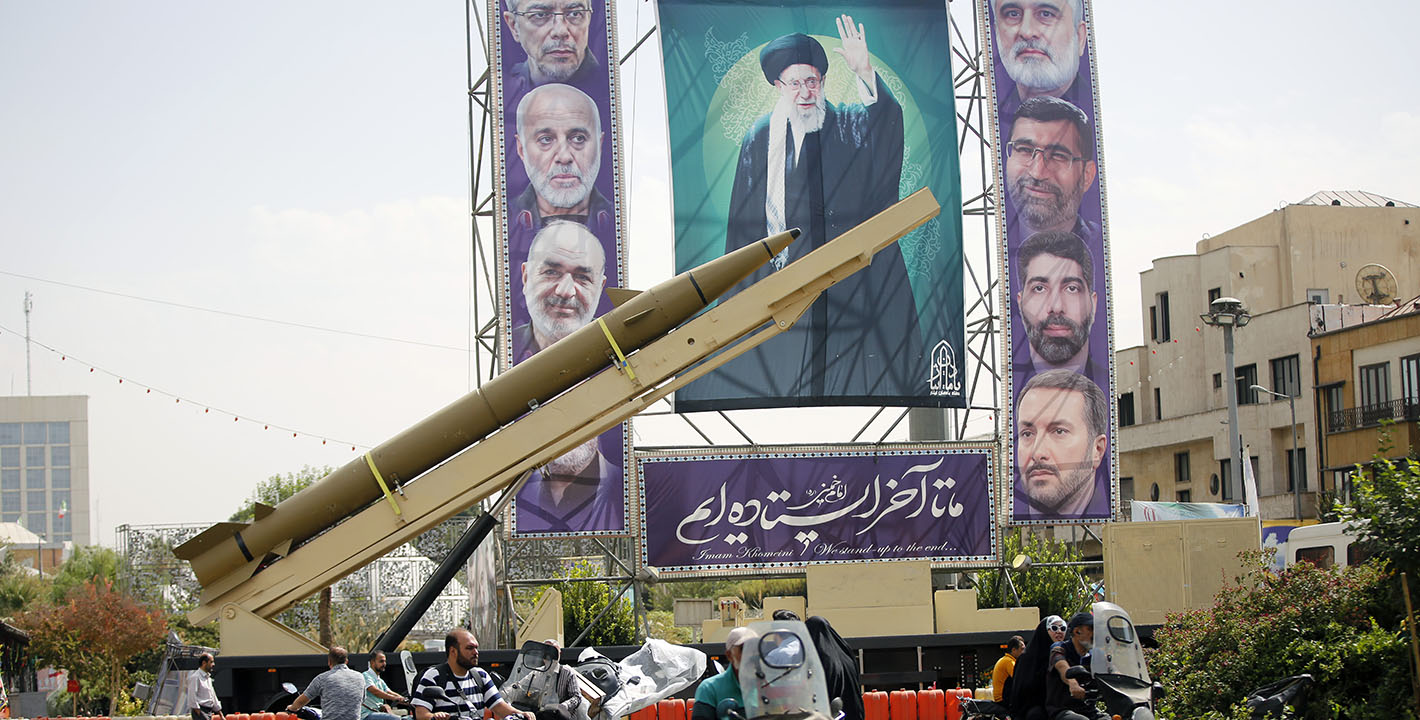
In an interview, Hamidreza Azizi discusses how Tehran has adapted in real time to the conflict with the United States and Israel.
Michael Young

The simple conclusion is that the scheme will bring neither peace nor prosperity, but will institutionalize devastation.

Nathan J. Brown
In an interview, Roger Diwan discusses where the global economy may be going in the third week of the U.S.-Israeli war with Iran.

Nur Arafeh