

Commentary
Uri Dadush
{
  "authors": [
    "Uri Dadush"
  ],
  "type": "legacyinthemedia",
  "centerAffiliationAll": "",
  "centers": [
    "Carnegie Endowment for International Peace"
  ],
  "collections": [],
  "englishNewsletterAll": "",
  "nonEnglishNewsletterAll": "",
  "primaryCenter": "Carnegie Endowment for International Peace",
  "programAffiliation": "",
  "programs": [],
  "projects": [],
  "regions": [
    "North America"
  ],
  "topics": [
    "Economy",
    "Trade"
  ]
}
Source: Getty
The most powerful underlying force driving increased inequality is not trade by itself but skill-biased technological change.
Source: Current History
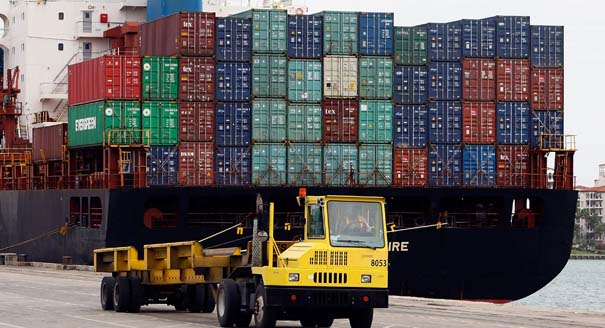
To trade or not to trade? Judging by the narrow vote by the US Congress in June 2015 to grant President Barack Obama fasttrack negotiating authority for trade agreements, the answer today remains in the affirmative, as it has for decades—but resistance is on the rise. According to the many opponents of such deals, trade is a bitter medicine to be taken only in small doses while guarding carefully against its dangerous side effects. If new trade deals are to go ahead at all, the critics say, they should include strict safeguards, such as provisions to uphold environmental and labor standards, and penalties for currency manipulation. Although the trade debate in the United States, the architect of the postwar global trading system, tends to draw the spotlight, the hand-wringing over trade is even more intense in the developing world. Since developing countries protect their home markets more comprehensively than the United States does, the stakes in their trade debates are higher...This article was originally published in Current History.

Former Senior Associate, International Economics Program
Dadush was a senior associate at the Carnegie Endowment for International Peace. He focuses on trends in the global economy and is currently tracking developments in the eurozone crisis.
Recent Work
Uri Dadush
Uri Dadush
Carnegie does not take institutional positions on public policy issues; the views represented herein are those of the author(s) and do not necessarily reflect the views of Carnegie, its staff, or its trustees.

The armed forces champion a form of capitalism that is generating revenue, but its reliance on rent faces diminishing returns, leaving the country with massive sunk costs and deferred returns, deepening dependency on external borrowing.

Yezid Sayigh

Morocco and Algeria, each in its own way, are having to navigate the global economic fallout of the U.S.-Israeli military campaign against Iran.

Yasmine Zarhloule
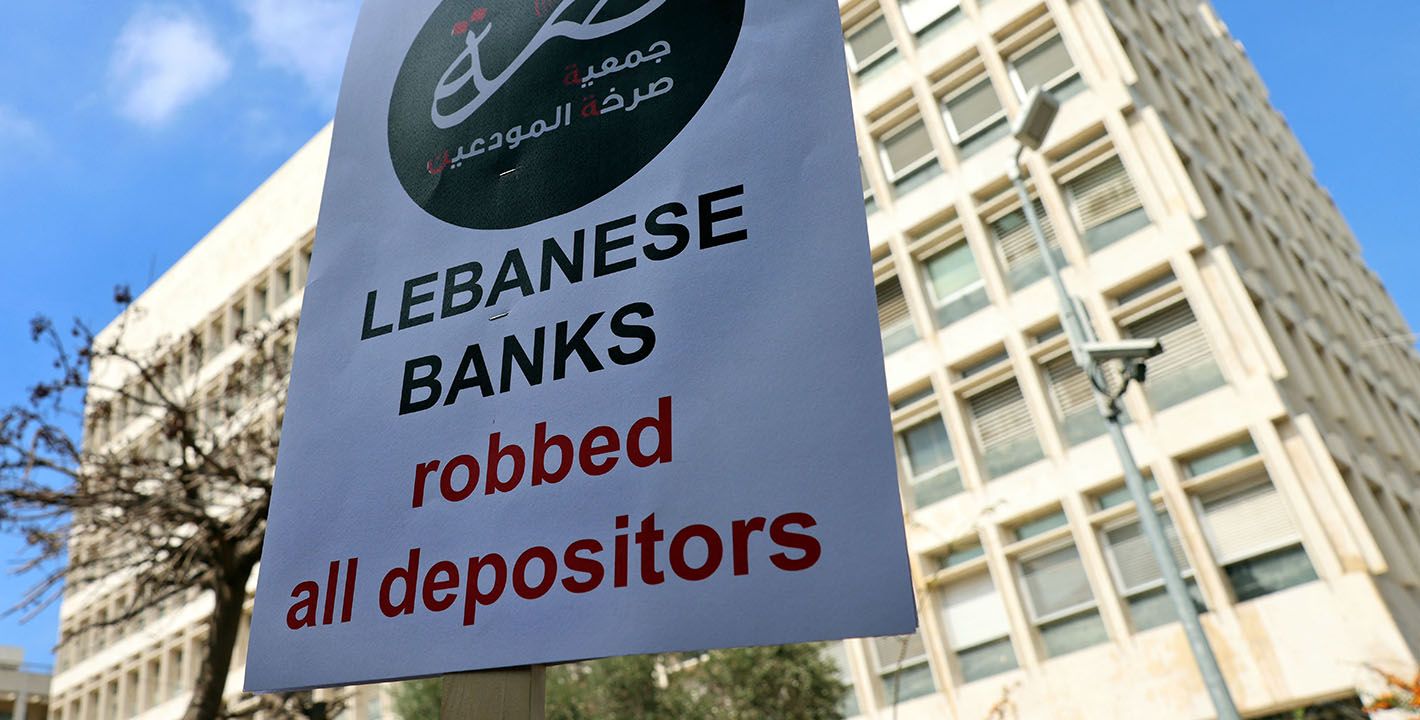
In an interview, Ishac Diwan looks at the merits and flaws in the draft legislation distributing losses from the financial collapse.

Michael Young
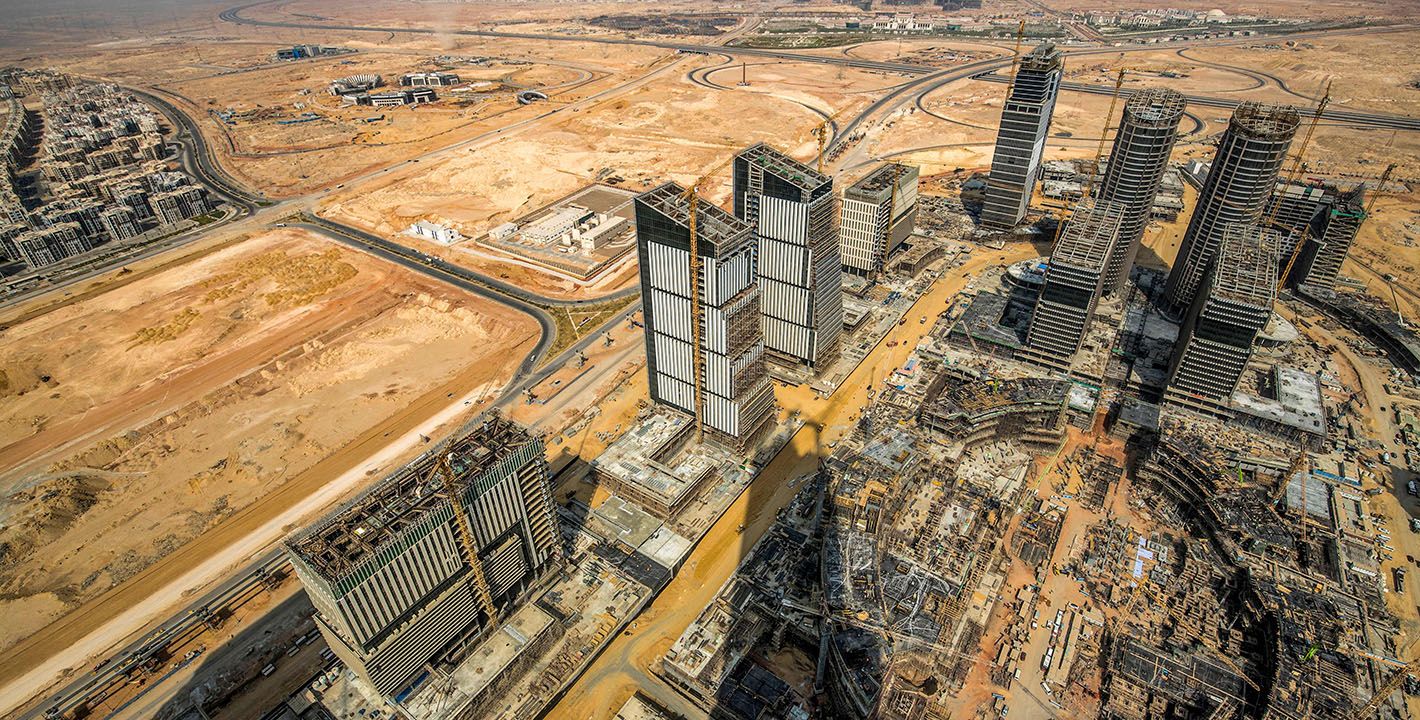
Mustaqbal Misr has expanded its portfolio with remarkable speed, but a lack of transparency remains.
Yezid Sayigh
Arab diaspora business communities in Egypt often mirror the same systemic challenges facing Egyptian businesses.

Nur Arafeh, Yezid Sayigh, Qaboul al-Absi, …