

Commentary
Across the Middle East and North Africa, climate stress interacts with economic fragility, governance failures, social marginalization, and conflict.
Camille Ammoun
{
  "authors": [
    "Adam R. Brandt",
    "Yuchi Sun",
    "Sharad Bharadwaj",
    "David Livingston",
    "Eugene Tan",
    "Deborah Gordon"
  ],
  "type": "other",
  "centerAffiliationAll": "dc",
  "centers": [
    "Carnegie Endowment for International Peace"
  ],
  "collections": [],
  "englishNewsletterAll": "ctw",
  "nonEnglishNewsletterAll": "",
  "primaryCenter": "Carnegie Endowment for International Peace",
  "programAffiliation": "SCP",
  "programs": [
    "Sustainability, Climate, and Geopolitics"
  ],
  "projects": [
    "Carnegie Oil Initiative"
  ],
  "regions": [
    "North America"
  ],
  "topics": [
    "Climate Change"
  ]
}
Source: Getty
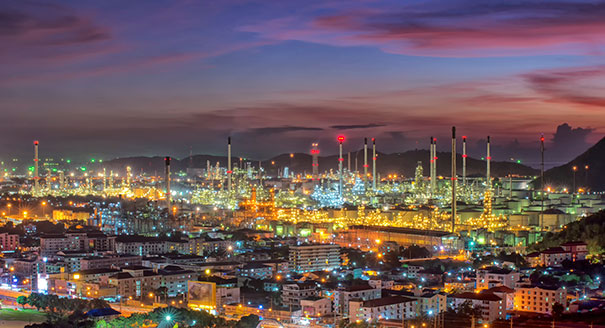
In order to better understand the drivers of the energy productivity of oil production, it is possible to apply a detailed field-level engineering model of oil and gas production to estimate energy requirements of drilling, producing, processing, and transporting crude oil.
Source: Plos One
Studies of the energy return on investment (EROI) for oil production generally rely on aggregated statistics for large regions or countries. In order to better understand the drivers of the energy productivity of oil production, we use a novel approach that applies a detailed field-level engineering model of oil and gas production to estimate energy requirements of drilling, producing, processing, and transporting crude oil. We examine 40 global oilfields, utilizing detailed data for each field from hundreds of technical and scientific data sources.
Resulting net energy return (NER) ratios for studied oil fields range from ≈2 to ≈100 MJ crude oil produced per MJ of total fuels consumed. External energy return (EER) ratios, which compare energy produced to energy consumed from external sources, exceed 1000:1 for fields that are largely self-sufficient. The lowest energy returns are found to come from thermally-enhanced oil recovery technologies.
Results are generally insensitive to reasonable ranges of assumptions explored in sensitivity analysis. Fields with very large associated gas production are sensitive to assumptions about surface fluids processing due to the shifts in energy consumed under different gas treatment configurations. This model does not currently include energy invested in building oilfield capital equipment (e.g., drilling rigs), nor does it include other indirect energy uses such as labor or services....
Read the full text of this article on Plos One.
Adam R. Brandt
Yuchi Sun
Sharad Bharadwaj
Former Associate Fellow, Energy and Climate Program
Livingston was an associate fellow in Carnegie’s Energy and Climate Program, where his research focuses on emerging markets, technologies, and risks.
Eugene Tan
Former Junior Fellow, Energy and Climate Program

Former Director and Senior Fellow, Energy and Climate Program
Gordon was director of Carnegie’s Energy and Climate Program, where her research focuses on oil and climate change issues in North America and globally.
Carnegie does not take institutional positions on public policy issues; the views represented herein are those of the author(s) and do not necessarily reflect the views of Carnegie, its staff, or its trustees.
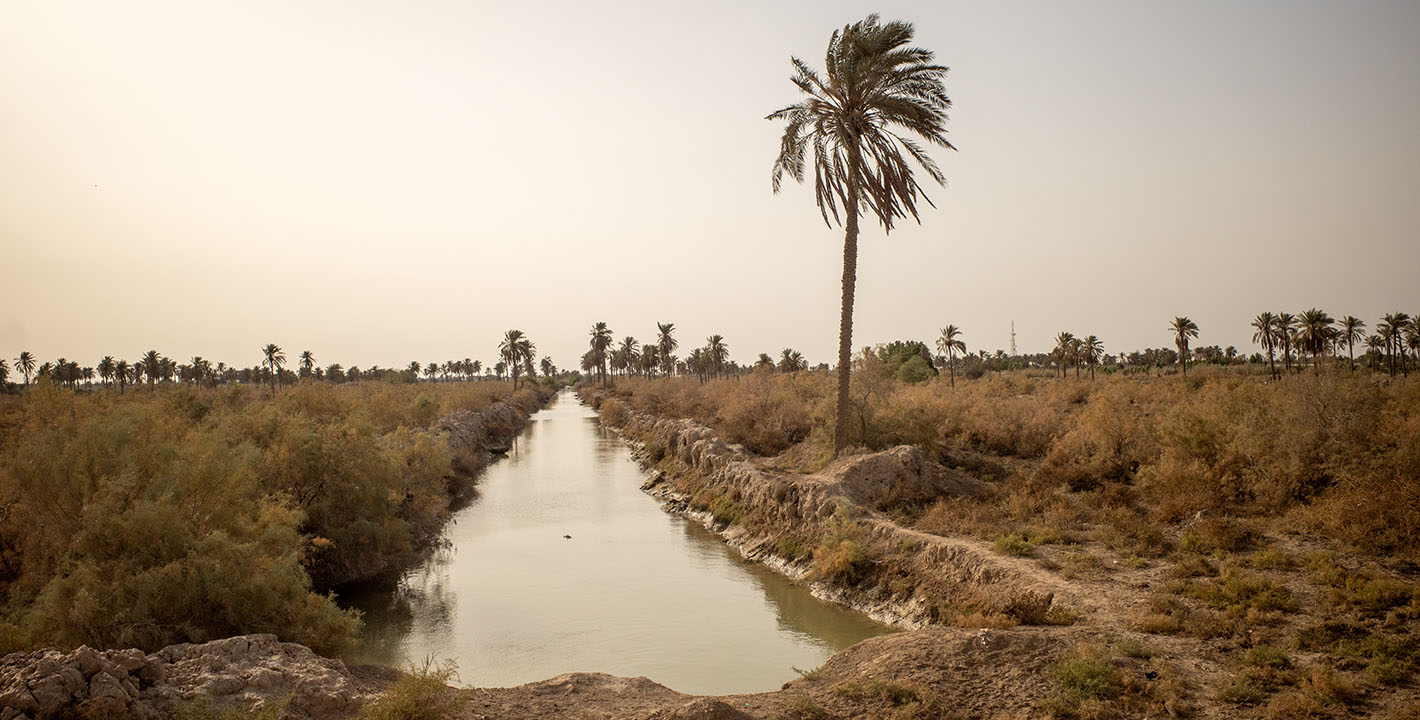
Across the Middle East and North Africa, climate stress interacts with economic fragility, governance failures, social marginalization, and conflict.
Camille Ammoun
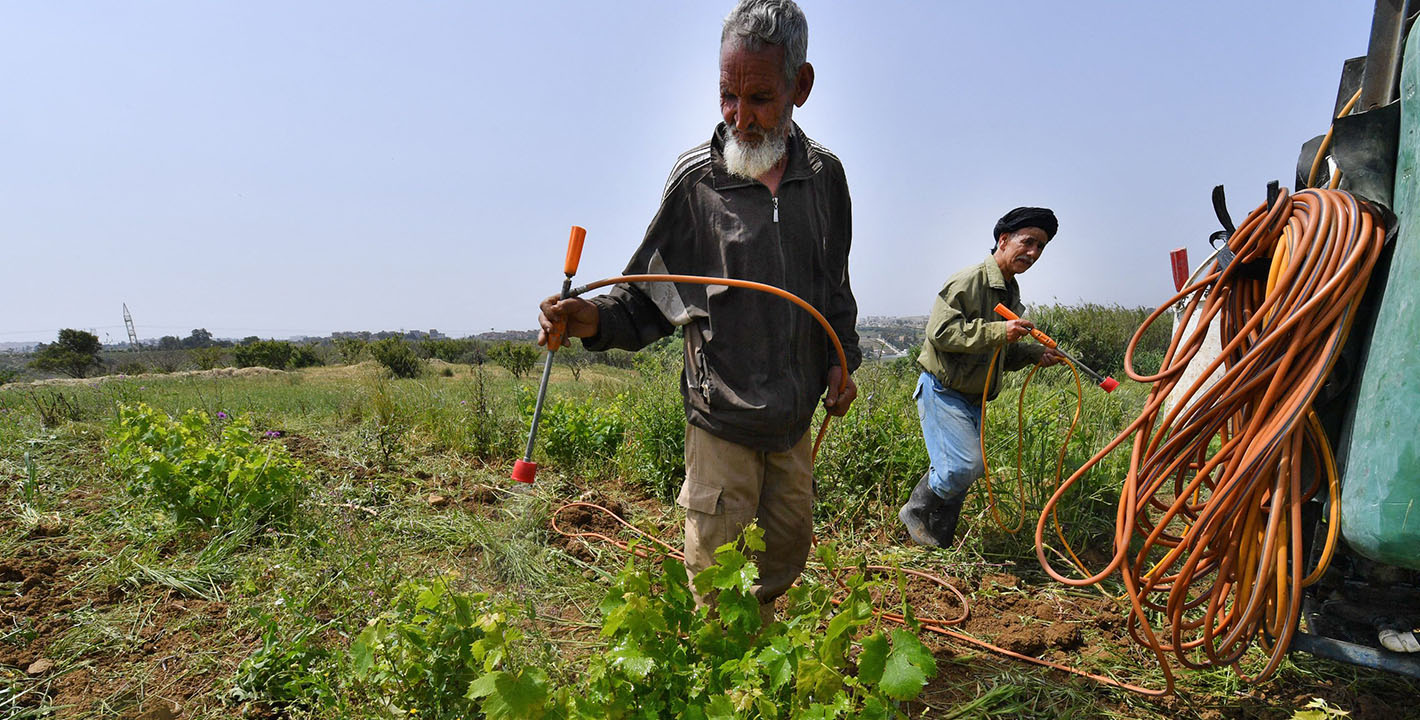
Understanding how farmers in the Oued Sahel-Soummam Valley grapple with climate change is essential for addressing the paradoxes through which adaptation, operating at both individual and institutional levels, deepens the region’s vulnerability and erodes the social fabric and agrarian identity that once defined life.

Ilyssa Yahmi
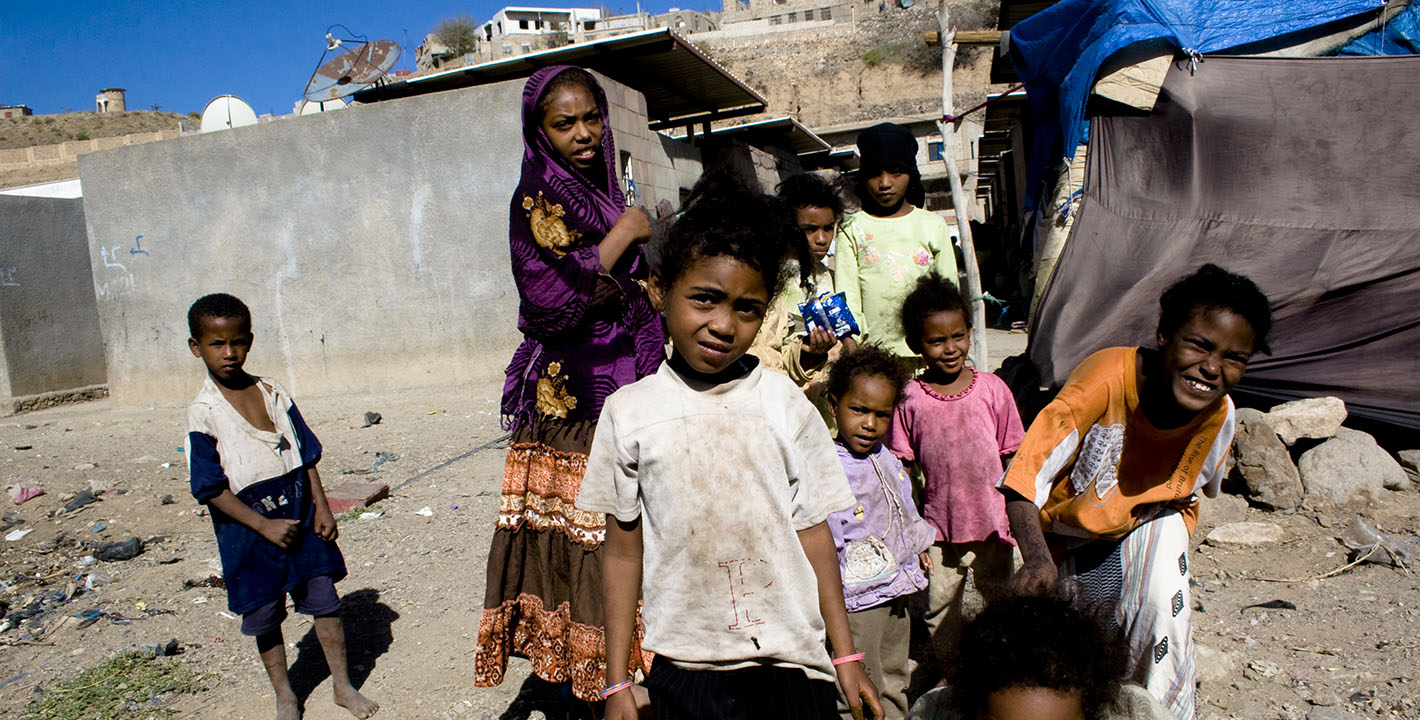
The community already suffers social discrimination, so addressing inequalities requires sustained interventions.
Musaed Aklan , Mohammad Al-Saidi
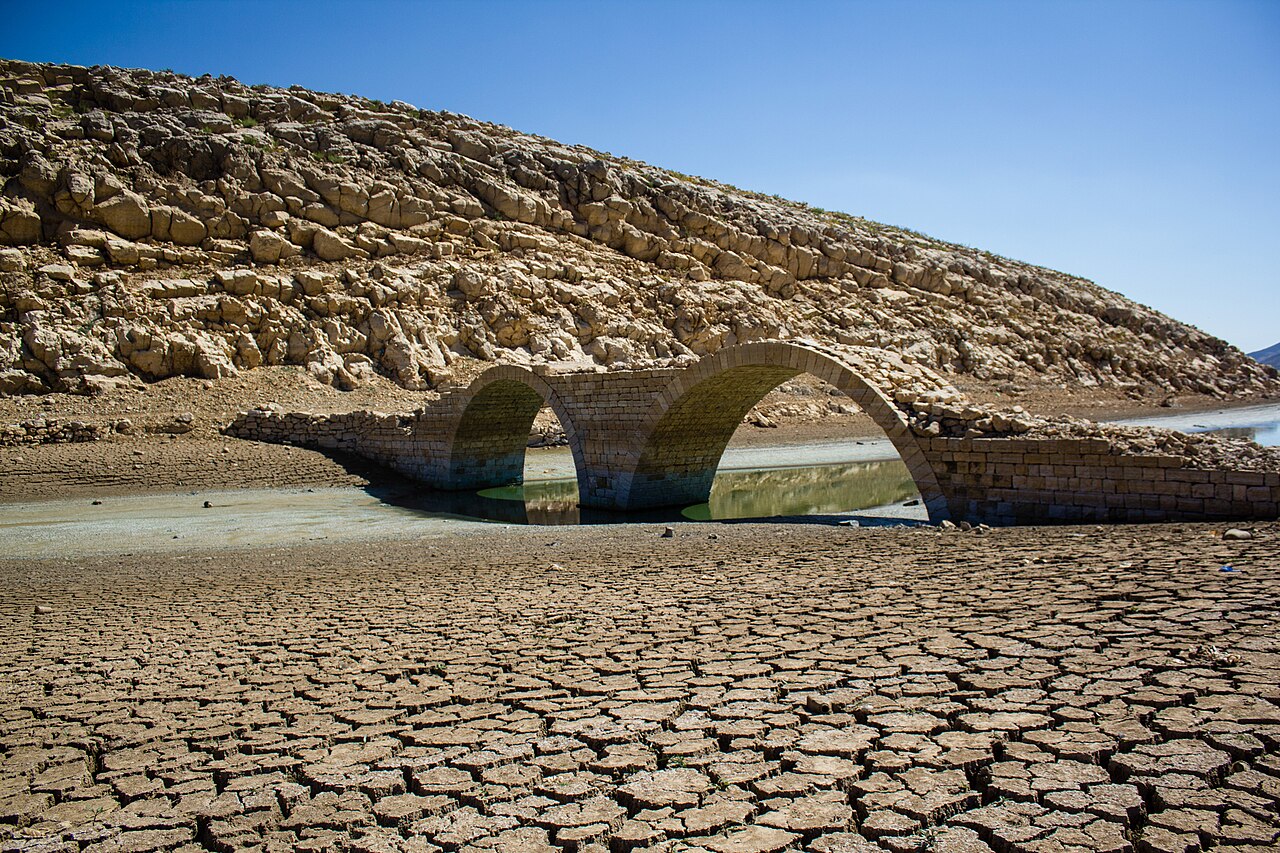
Lebanon’s largest water reservoir is a house of many mansions when it comes to converging failures.
Camille Ammoun
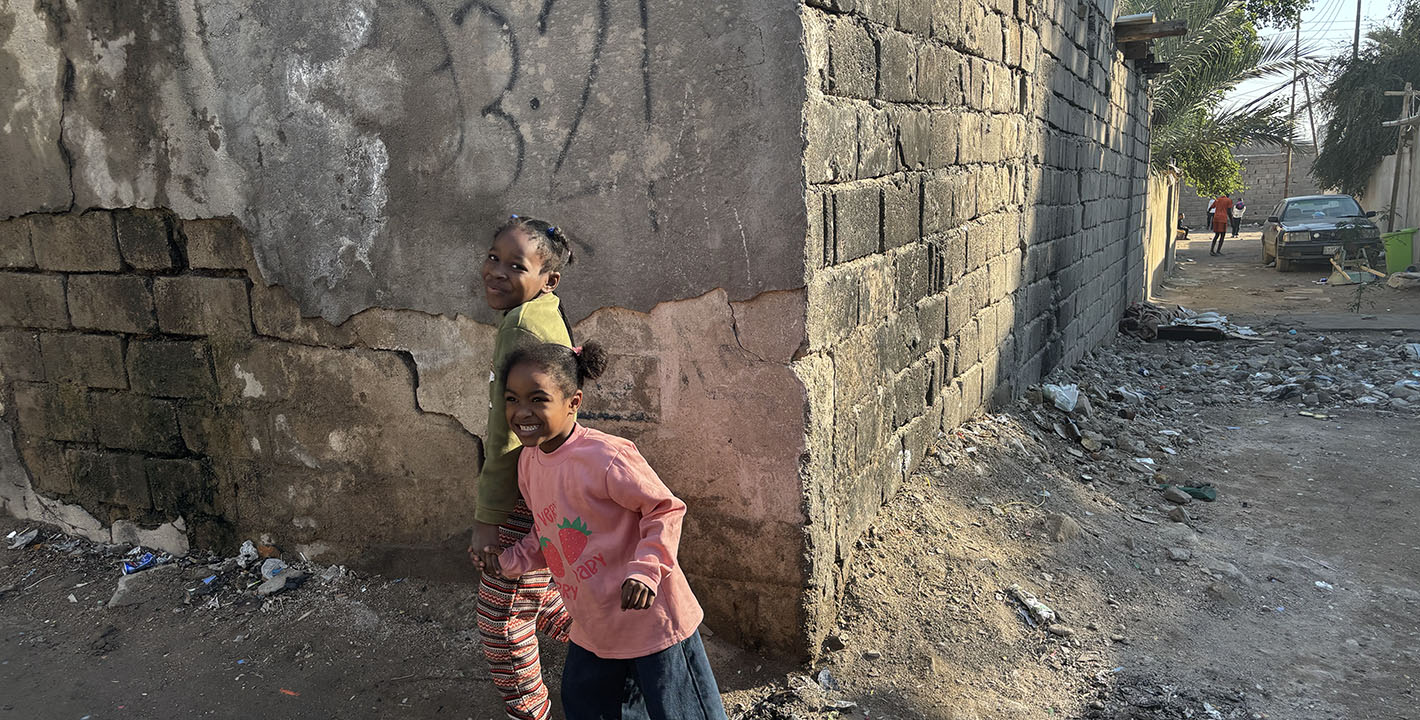
Afro-Iraqis experience political, economic, and social marginalization and discrimination, which exposes the poorest members of the community to the harsh realities of the region’s climate disaster.

Zeinab Shuker