

Commentary
In an interview, Yasmine Zarhloule discusses irregular migration to Europe and the shortcomings of a securitization policy.
Rayyan Al-Shawaf
{
  "authors": [
    "Ulrich Kühn",
    "Shatabhisha Shetty",
    "Polina Sinovets"
  ],
  "type": "other",
  "centerAffiliationAll": "dc",
  "centers": [
    "Carnegie Endowment for International Peace"
  ],
  "collections": [],
  "englishNewsletterAll": "ctw",
  "nonEnglishNewsletterAll": "",
  "primaryCenter": "Carnegie Endowment for International Peace",
  "programAffiliation": "NPP",
  "programs": [
    "Nuclear Policy"
  ],
  "projects": [],
  "regions": [
    "Eastern Europe",
    "Western Europe"
  ],
  "topics": []
}
Source: Getty
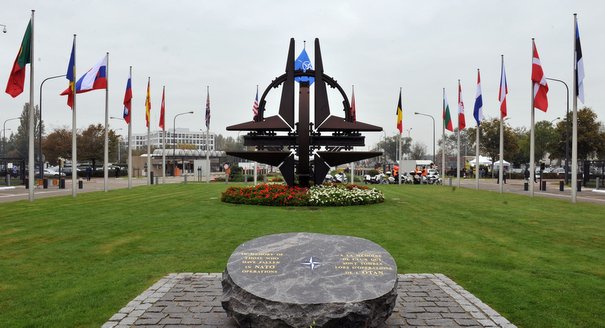
For NATO, balancing deterrence and assurance measures to its easternmost allies without entering a new arms race is an urgent task.
Source: Bulletin of the Atomic Scientists
As long as the relationship between Russia and the West continues to be confrontational, the urgent task will be to stabilize and manage the confrontation. For NATO, this primarily means balancing deterrence and assurance measures to its easternmost allies without entering a new arms race. NATO should step up its efforts to foster talks with Russia on current military threats and on arms control, possibly by seeking reconstitution of the NATO-Russia Council as a crisis management forum and mechanism for dialog, dealing with dangerous military incidents and better communicating each side’s intentions. As for the Intermediate-range Nuclear Forces (INF) Treaty crisis and the interlinked issue of the European missile defense, US officials should consider face-saving options to reassure Russia that Western missile defense installations have no offensive capabilities – provided that Russia convinces the new US administration that it has returned to compliance with the INF Treaty.
Over the mid- to long-term, NATO and Russia must initiate a serious and open dialogue about the two core issues at stake – the freedom and sovereignty of states to seek alliance membership and the (contradicting) Russian interest of maintaining a sphere of influence over its “near abroad.” A well-prepared conference – akin to the 1975 Helsinki Summit, with various preceding rounds of consultations at ambassadorial level, and including the nonaligned states in Europe – might be a way to kick-start the discussion.

Former Nonresident Scholar, Nuclear Policy Program
Ulrich Kühn was a nonresident scholar at the Carnegie Endowment for International Peace, and the head of the arms control and emerging technologies program at the Institute for Peace Research and Security Policy at the University of Hamburg.
Shatabhisha Shetty
Polina Sinovets
Carnegie does not take institutional positions on public policy issues; the views represented herein are those of the author(s) and do not necessarily reflect the views of Carnegie, its staff, or its trustees.
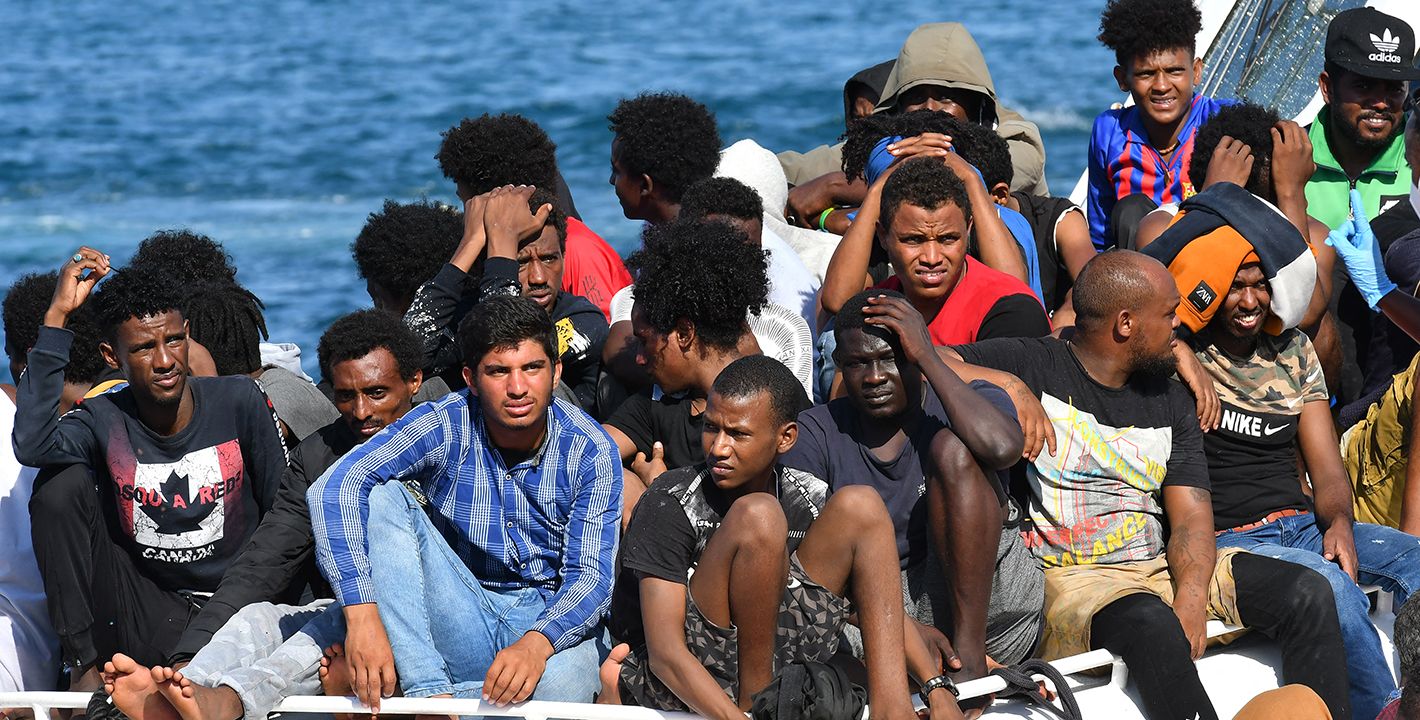
In an interview, Yasmine Zarhloule discusses irregular migration to Europe and the shortcomings of a securitization policy.
Rayyan Al-Shawaf
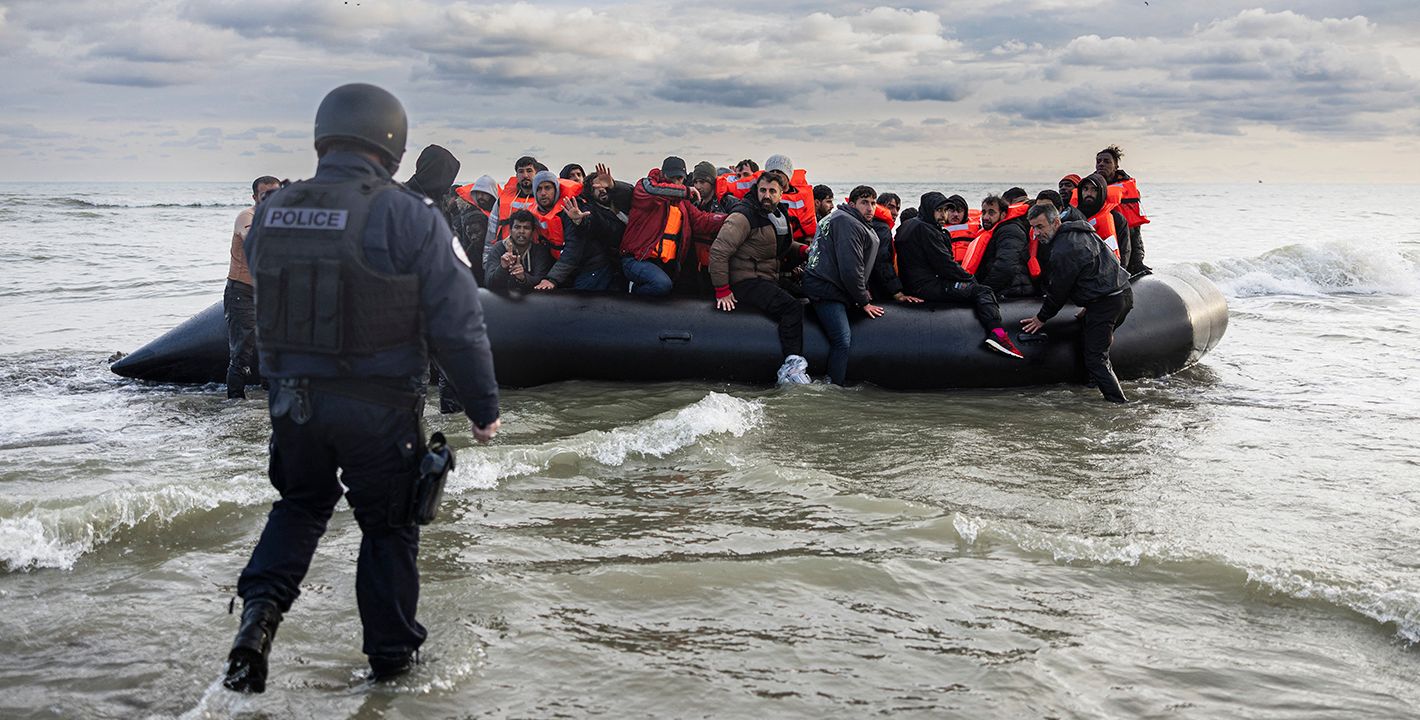
The EU has responded to unwanted arrivals with ever-stricter security measures, an approach that has both led to increased human rights violations and failed to stem the migratory tide.

Yasmine Zarhloule
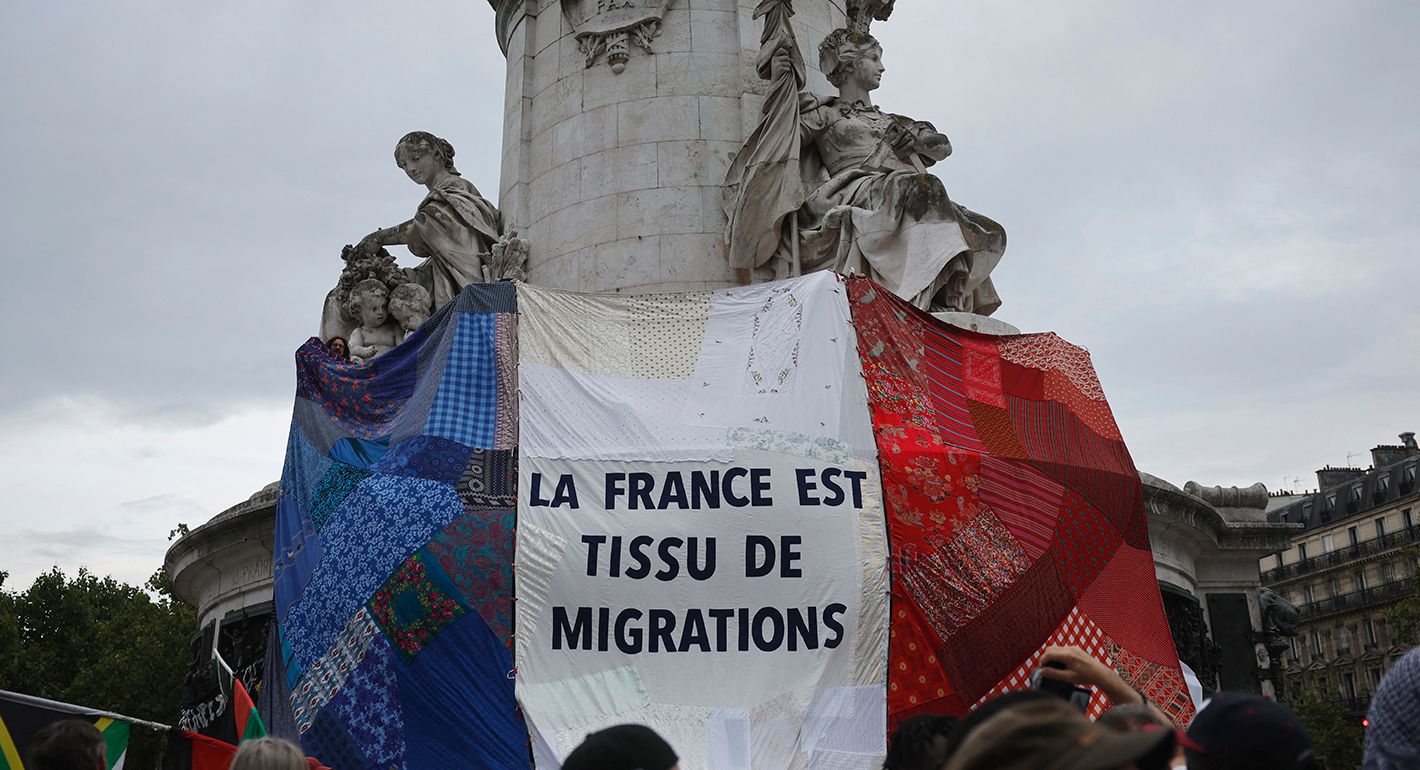
Nevertheless, recent European and parliamentary elections have fed an increasing struggle over belonging.
Yasmine Zarhloule
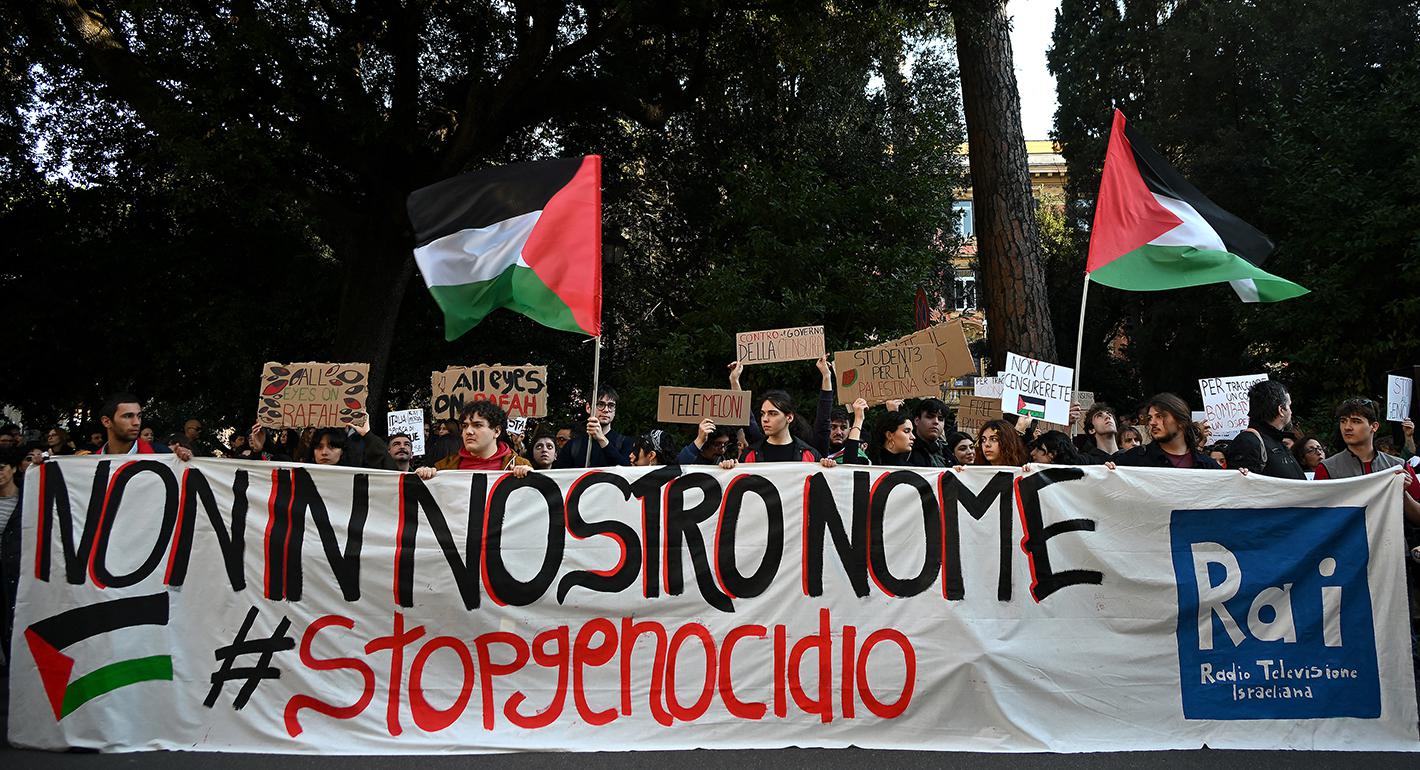
What happens in the Middle East will not be contained there, so the European Union should prepare for this by reaffirming its values.

H. A. Hellyer

The great divide we are witnessing today in the Middle East is, in part, the result of European interference.
Michael Vatikiotis