

• Research
  • Diwan
  • About
  • Experts
Carnegie Middle East logoCarnegie lettermark logo
LebanonIran
{
  "authors": [
    "Devesh Kapur",
    "Neelanjan Sircar",
    "Milan Vaishnav"
  ],
  "type": "other",
  "centerAffiliationAll": "dc",
  "centers": [
    "Carnegie Endowment for International Peace"
  ],
  "collections": [],
  "englishNewsletterAll": "ctw",
  "nonEnglishNewsletterAll": "",
  "primaryCenter": "Carnegie Endowment for International Peace",
  "programAffiliation": "SAP",
  "programs": [
    "South Asia"
  ],
  "projects": [],
  "regions": [
    "South Asia",
    "India"
  ],
  "topics": [
    "Economy"
  ]
}

Source: Getty

Other

The Importance of Being Middle Class in India

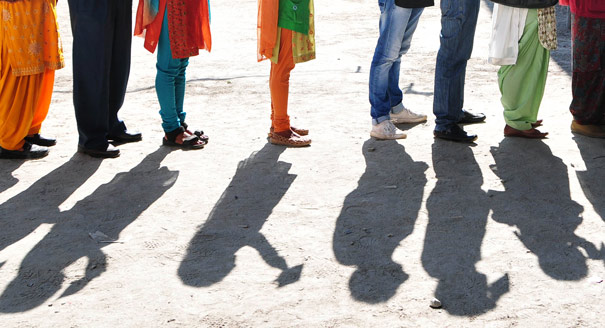
In the midst of debates on the definition of the middle class in India, self-identification could offer a simple, yet promising, solution.

Link Copied
By Devesh Kapur, Neelanjan Sircar, Milan Vaishnav
Published on Nov 3, 2017

Source: Academic Foundation

Whether you follow developments in India closely or not, you have likely heard about the emergence of the ‘Indian middle class.’ The private sector, especially large multinational corporations, view the emergence of a large pool of Indians with increasing disposable income as the most vital consumer market of the future. The McKinsey Global Institute (2007) refers to India’s expanding consumer market as the country’s “bird of gold”, a phrase merchants used thousands of years ago to describe its vast economic potential. The growth of a middle class is expected to play a transformative role in modernising the Indian economy, create new pressure points on the government to tackle the vestiges of the License Raj, and enable a more propitious environment for private entrepreneurship and job creation (Fernandes 2006). And those who are frustrated with the corruption and cronyism that has characterised Indian politics for decades view the rise of the middle class as a force for positive change, a palliative to the twin vices of identity and patronage politics (Das 2012).

Despite these tall claims, the research on the middle class globally is quite divided on its social and political impact. On the one hand, one strand of the literature argues that middle class can be a dynamic force for change (Lash and Urry 1987) while on the other hand, some scholars have argued that they can often a powerful votary of the status quo and traditional social and economic structures (Erikson and Goldthorpe 1992). For instance, while the middle class might desire a reduced role of the state in the economy and a corresponding greater role for the private sector, it also wants better safety and environmental standards across a diverse array of sectors which, ironically, bring the state back in—this time in its regulatory capacity. This is one reason why—as far as India is concerned—the ‘Inspector Raj’ has replaced the ‘License Raj’ (Chandra 2015, Indian Express 2016).

Read the full chapter

This chapter was originally published in the book The New Middle Class in India and Brazil: Green Perspectives?

About the Authors

Devesh Kapur

Starr Foundation Professor, Johns Hopkins (SAIS)

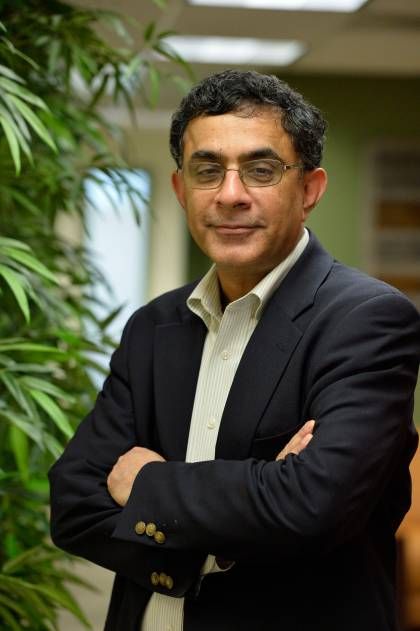
Devesh Kapur is the Starr Foundation Professor of South Asian studies at the Johns Hopkins School of Advanced International Studies (SAIS). He is the author of three books on migration, including The Other One Percent: Indians in America (with Sanjoy Chakravorty and Nirvikar Singh).

Neelanjan Sircar

Centre for Policy Research

Sircar is a Senior Fellow at the Centre for Policy Research and a Non-Resident Fellow at the Center for the Advanced Study of India at the University of Pennsylvania.

Milan Vaishnav

Director and Senior Fellow, South Asia Program

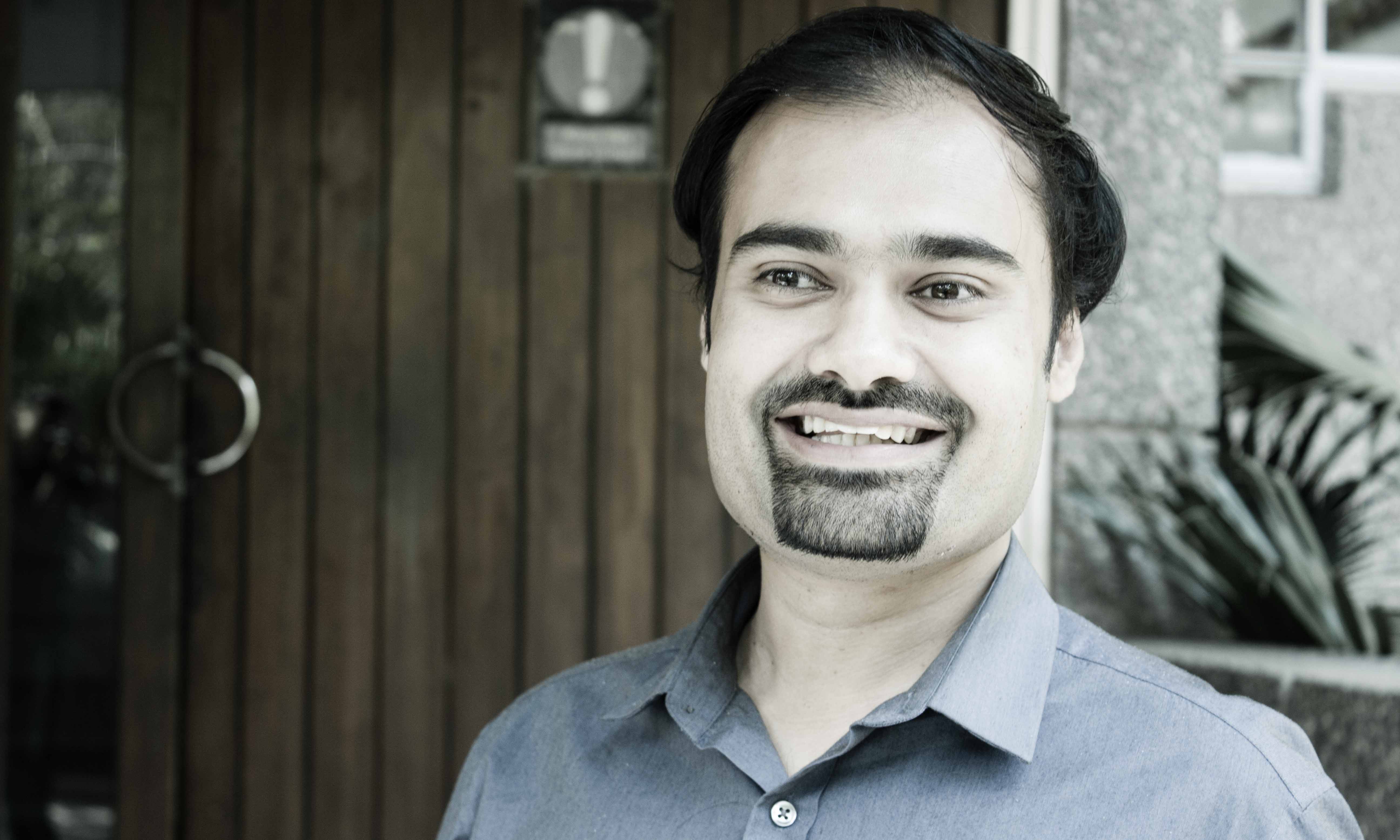
Milan Vaishnav is a senior fellow and director of the South Asia Program and the host of the Grand Tamasha podcast at the Carnegie Endowment for International Peace. His primary research focus is the political economy of India, and he examines issues such as corruption and governance, state capacity, distributive politics, and electoral behavior. He also conducts research on the Indian diaspora.

Authors

Devesh Kapur
Starr Foundation Professor, Johns Hopkins (SAIS)
Devesh Kapur
Neelanjan Sircar
Centre for Policy Research
Milan Vaishnav
Director and Senior Fellow, South Asia Program
Milan Vaishnav
EconomySouth AsiaIndia

Carnegie does not take institutional positions on public policy issues; the views represented herein are those of the author(s) and do not necessarily reflect the views of Carnegie, its staff, or its trustees.

More Work from Malcolm H. Kerr Carnegie Middle East Center

  • Commentary
    Diwan
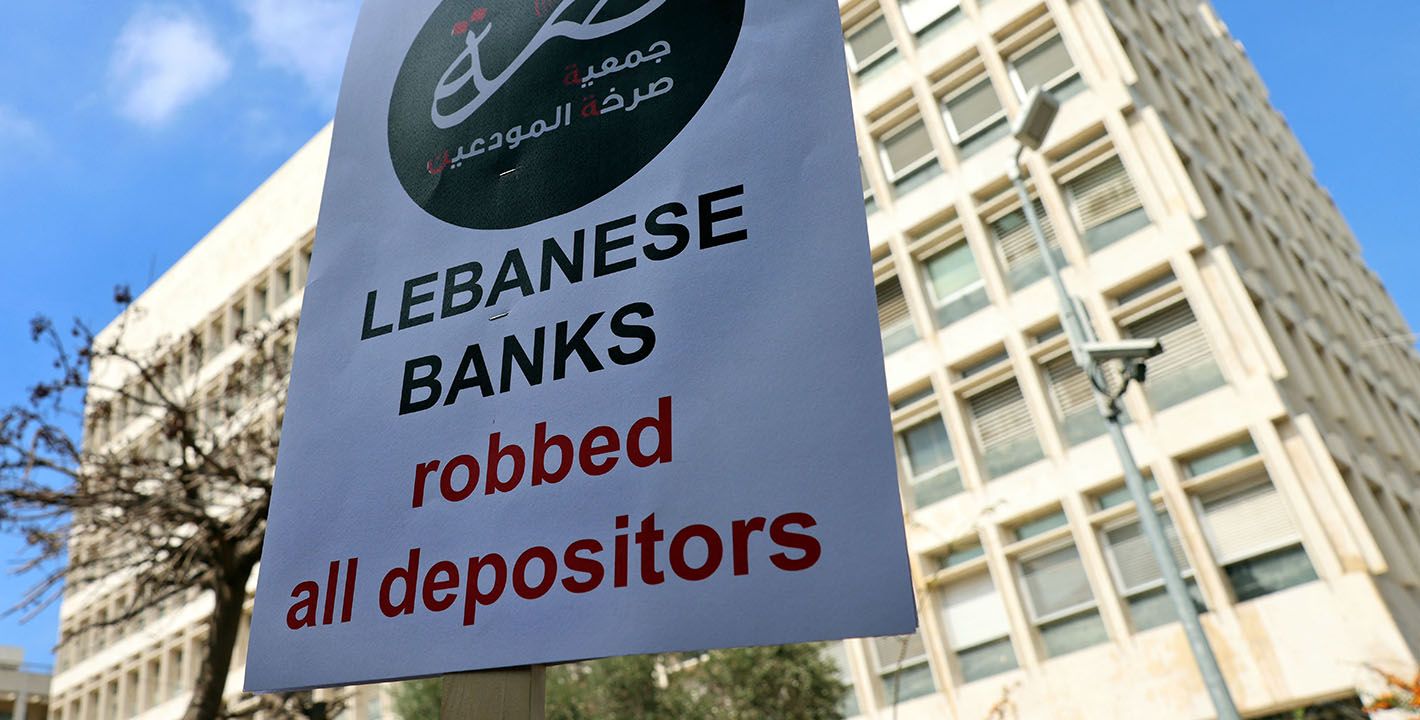
    Unpacking Lebanon’s Gap Law

    In an interview, Ishac Diwan looks at the merits and flaws in the draft legislation distributing losses from the financial collapse.

      Michael Young

  • Commentary
    Diwan
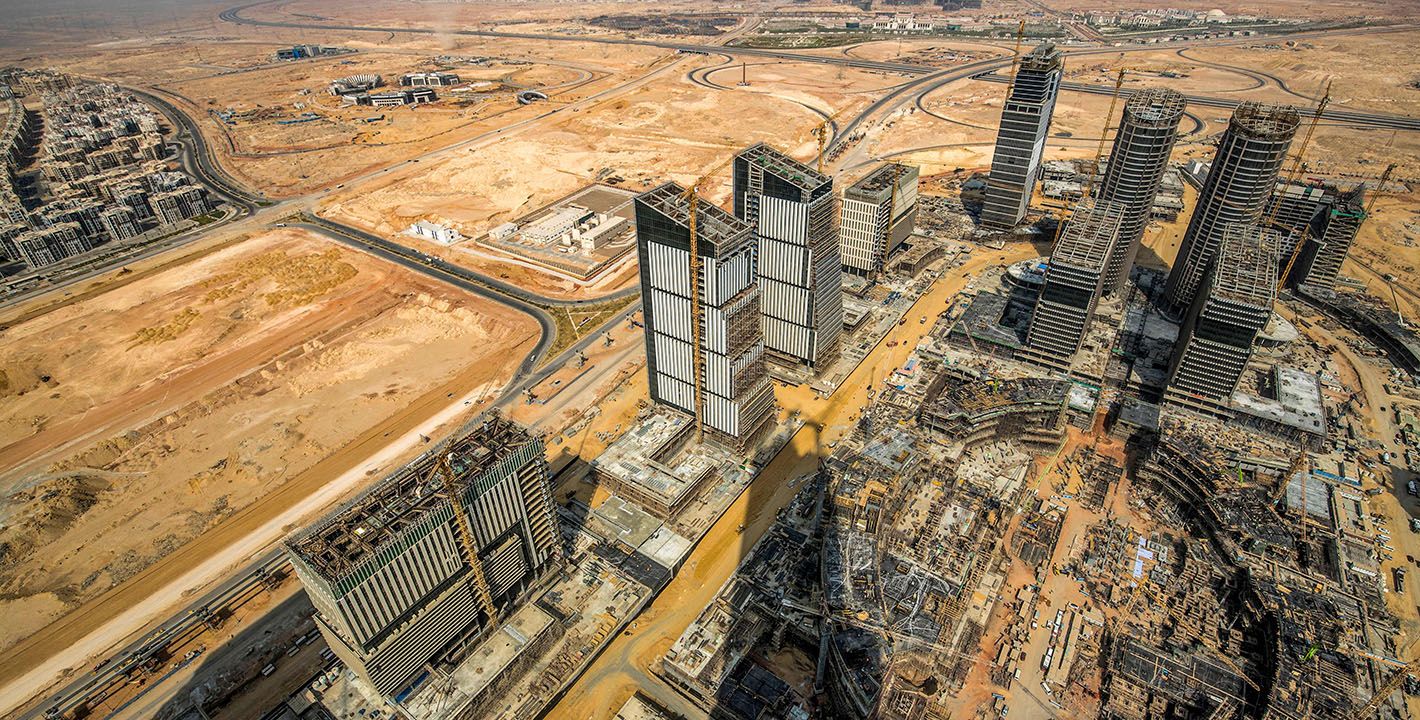
    Has Sisi Found a Competent Military Entrepreneur?

    Mustaqbal Misr has expanded its portfolio with remarkable speed, but a lack of transparency remains.

      Yezid Sayigh

  • Research
    Arab Diaspora Business Communities in Egypt

    Arab diaspora business communities in Egypt often mirror the same systemic challenges facing Egyptian businesses.

      • +4

      Nur Arafeh, Yezid Sayigh, Qaboul al-Absi, …

  • Article
    Saudi Arabia in Africa: Sound Economic and Geopolitical Strategy, or Resource Exploitation?

    Largely characterized thus far by a single-minded focus on extractivism, Riyadh must commit to greater equitability in its approach to investment and development deals with Sudan, Ethiopia, and Eritrea.

      Hesham Alghannam

  • A picture taken from a position at the Israeli border with the Gaza Strip shows the destruction due to Israeli bombardment in the besieged Palestinian territory on May 18, 2025
    Article
    Destruction, Disempowerment, and Dispossession: Disaster Capitalism and the Postwar Plans for Gaza

    Once Israel’s war in the territory is brought to an end, the foundational principles guiding reconstruction should be Palestinian self-determination, local agency, and sovereignty.

      Nur Arafeh, Mandy Turner

Get more news and analysis from
Malcolm H. Kerr Carnegie Middle East Center
Carnegie Middle East logo, white
  • Research
  • Diwan
  • About
  • Experts
  • Projects
  • Events
  • Contact
  • Careers
  • Privacy
  • For Media
Get more news and analysis from
Malcolm H. Kerr Carnegie Middle East Center
© 2026 Carnegie Endowment for International Peace. All rights reserved.