

Research
- +10
Rosa Balfour, Frances Z. Brown, Yasmine Farouk, …
{
  "authors": [
    "Moisés Naím"
  ],
  "type": "legacyinthemedia",
  "centerAffiliationAll": "",
  "centers": [
    "Carnegie Endowment for International Peace"
  ],
  "collections": [],
  "englishNewsletterAll": "",
  "nonEnglishNewsletterAll": "",
  "primaryCenter": "Carnegie Endowment for International Peace",
  "programAffiliation": "",
  "programs": [],
  "projects": [],
  "regions": [],
  "topics": [
    "Economy",
    "Trade"
  ]
}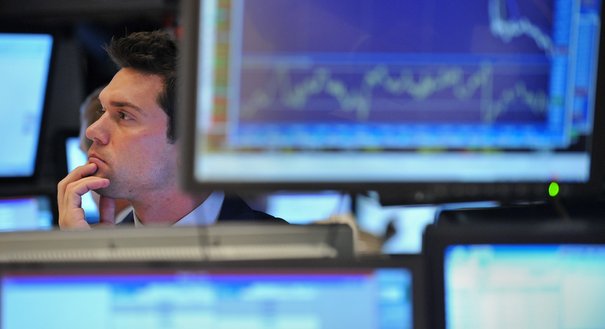
Source: Getty
Before, companies needed financial, human, technological and brand capital to succeed. From here on they will also need digital capital.
Source: El País
The rich are happier than ever. The global economy is growing, the risks of a financial collapse seem low, Trump reduced taxes, stock prices are skyrocketing and by consequence so are the fortunes of their owners and managers. Because of all this, the atmosphere among the rich who attended the recent annual meeting of the World Economic Forum in Davos, Switzerland was euphoric. But it was an anxious euphoria. There is a shared sense that something is off. Too many things are not right.
The list is well known, scientists and analysts speaking at Davos reiterated it ad nauseam. Climate change, wars, poverty and inequality, social discontent, terrorism, cyberattacks, bad political leaders and so on. It is not clear where the bad news that will end this bonanza will come from, nor when. Nor is it certain it will arrive at all. Who knows? Maybe the catastrophe that derails this train won’t even happen.
One of the themes that dominated this year’s forum was artificial intelligence. For Sundar Pichai, the head of Google, “artificial intelligence (AI) will save us, not destroy us. AI is probably the most important thing humanity has ever worked on. I think of it as something more profound than electricity or fire.”
Pichai’s optimism is not shared by Jack Ma, the founder of Alibaba, the giant Chinese company that is Amazon’s staunchest rival. In Davos, Ma said: “Artificial intelligence, [and] big data is a threat to human beings. I think AI should support human beings. Technology should always do something that enables people, not disable people.” It should be noted that Google and Alibaba are two of the leading companies in this field and are among those that invest the most in the development of artificial intelligence.
Billionaire investor and philanthropist George Soros was the source of one of the meeting’s biggest surprises. For him, information technology companies are a serious threat, against which governments must act firmly and immediately. “These companies have often played an innovative and liberating role. But as Facebook and Google have grown into ever more powerful monopolies, they have become obstacles to innovation,” said Soros. And he continued: “Companies earn their profits by exploiting their environment. Mining and oil companies exploit the physical environment; social-media companies exploit the social environment. This is particularly nefarious because social-media companies influence how people think and behave without them even being aware of it,” he said. “This has far-reaching adverse consequences on the functioning of democracy, particularly on the integrity of elections... It took Facebook eight-and-a-half years to reach a billion users and half that time to reach the second billion. At this rate, Facebook will run out of people to convert in less than three years. ...” Soros went on to say: “Facebook and Google effectively control over half of all internet advertising revenue... The exceptional profitability of these companies is largely a function of their avoiding responsibility for – and avoiding paying for – the content on their platforms.” He drove home his point by saying: “They claim they are merely distributing information. But the fact that they are near-monopoly distributors makes them public utilities and should subject them to more stringent regulations aimed at preserving competition, innovation, and fair and open universal access.”
But Soros is not only concerned about the effects these companies have on competition and innovation. He also took advantage of the Davos Forum to denounce its impact on our minds and behaviors: “Social-media companies deceive their users by manipulating their attention and directing it toward their own commercial purposes. They deliberately engineer addiction to the services they provide.” He continued by saying: “This can be very harmful, particularly for adolescents. Something very harmful and maybe irreversible is happening to human attention in our digital age,” Soros went on to say: “Not just distraction or addiction – social-media companies are inducing people to give up their autonomy…. People without the freedom of mind can be easily manipulated.”
Many reacted against Soros’s denunciations while others applauded them. An executive from one of the largest companies in the field told me that, in his opinion, Soros is exaggerating, although he acknowledged that some problems he mentioned are real. “But we are going to solve them ourselves,” he said. “And if we do not, then it will be the governments that does. And that will be worse for everyone.”
The impact of digital technologies will continue expanding. Before, companies needed financial capital, human capital, technological capital, and brand capital to succeed. Money, people, technology and a good reputation. From here on they will also need digital capital. This is also a technology. But, as we are discovering, its uses and consequences are still very uncertain.

Distinguished Fellow
Moisés Naím is a distinguished fellow at the Carnegie Endowment for International Peace, a best-selling author, and an internationally syndicated columnist.
Recent Work



Rosa Balfour, Frances Z. Brown, Yasmine Farouk, …
Moisés Naím

The armed forces champion a form of capitalism that is generating revenue, but its reliance on rent faces diminishing returns, leaving the country with massive sunk costs and deferred returns, deepening dependency on external borrowing.

Yezid Sayigh

Morocco and Algeria, each in its own way, are having to navigate the global economic fallout of the U.S.-Israeli military campaign against Iran.

Yasmine Zarhloule
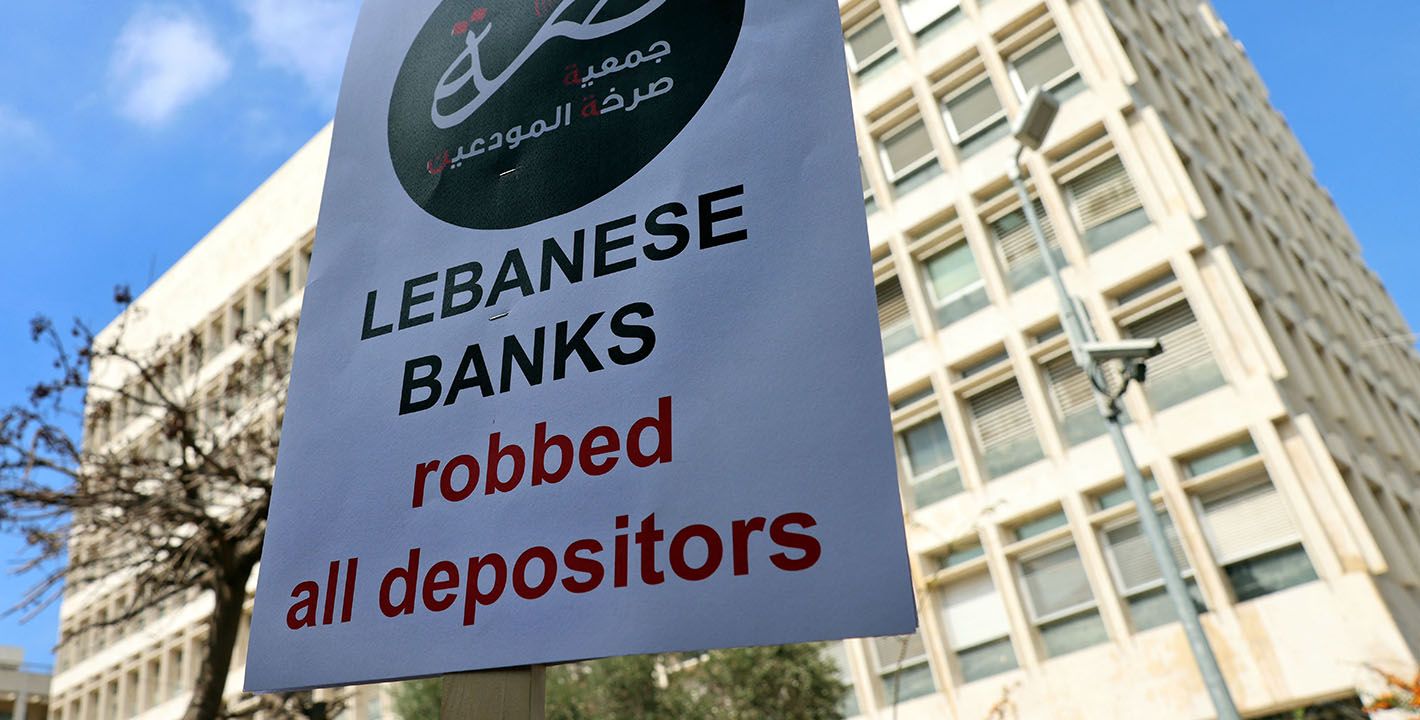
In an interview, Ishac Diwan looks at the merits and flaws in the draft legislation distributing losses from the financial collapse.

Michael Young

Mustaqbal Misr has expanded its portfolio with remarkable speed, but a lack of transparency remains.
Yezid Sayigh
Arab diaspora business communities in Egypt often mirror the same systemic challenges facing Egyptian businesses.
Nur Arafeh, Yezid Sayigh, Qaboul al-Absi, …