

Other
François Godement, Ashley J. Tellis
{
  "authors": [
    "François Godement"
  ],
  "type": "legacyinthemedia",
  "centerAffiliationAll": "dc",
  "centers": [
    "Carnegie Endowment for International Peace"
  ],
  "collections": [],
  "englishNewsletterAll": "asia",
  "nonEnglishNewsletterAll": "",
  "primaryCenter": "Carnegie Endowment for International Peace",
  "programAffiliation": "AP",
  "programs": [
    "Asia"
  ],
  "projects": [],
  "regions": [],
  "topics": [
    "Economy"
  ]
}
Source: Getty
2019 is a year full of ambiguities for the Chinese economy, mainly due to two reasons.
Source: Institut Montaigne
2019 is a year full of ambiguities for the Chinese economy, mainly due to two reasons. The first is the important psychological pressures caused by the US-China trade war, which could potentially reverse the global trade trends that were largely dominated by China in the last decades. The second is the unclear messages conveyed by the Chinese government regarding its economic policy. In response to pressures coming from abroad, the government has alluded to possible reforms. Yet it has also taken defensive measures in order to resist these pressures. It has intensified its efforts to restrain domestic debts and liabilities. Yet at the same time, it has also adopted new stimulus measures, including new credit lines, to revive the economy. Adapt and resist, stop and go... No wonder that, after a phase of seeming invulnerability to US pressures, Chinese economists are showing signs of anxiety. Indeed, not only is the economy drifting, but it might also be tanking.
Such observations could however end up being the mere expression of unfounded pessimism after a phase of unbridled optimism.
The trade conflict has already had two significant consequences.
This article was originally published by Institut Montaigne.

Former Nonresident Senior Fellow, Asia Program
Godement, an expert on Chinese and East Asian strategic and international affairs, was a nonresident senior fellow in the Asia Program at the Carnegie Endowment for International Peace.
Recent Work
François Godement, Ashley J. Tellis

François Godement, Abigaël Vasselier
Carnegie does not take institutional positions on public policy issues; the views represented herein are those of the author(s) and do not necessarily reflect the views of Carnegie, its staff, or its trustees.

The armed forces champion a form of capitalism that is generating revenue, but its reliance on rent faces diminishing returns, leaving the country with massive sunk costs and deferred returns, deepening dependency on external borrowing.

Yezid Sayigh
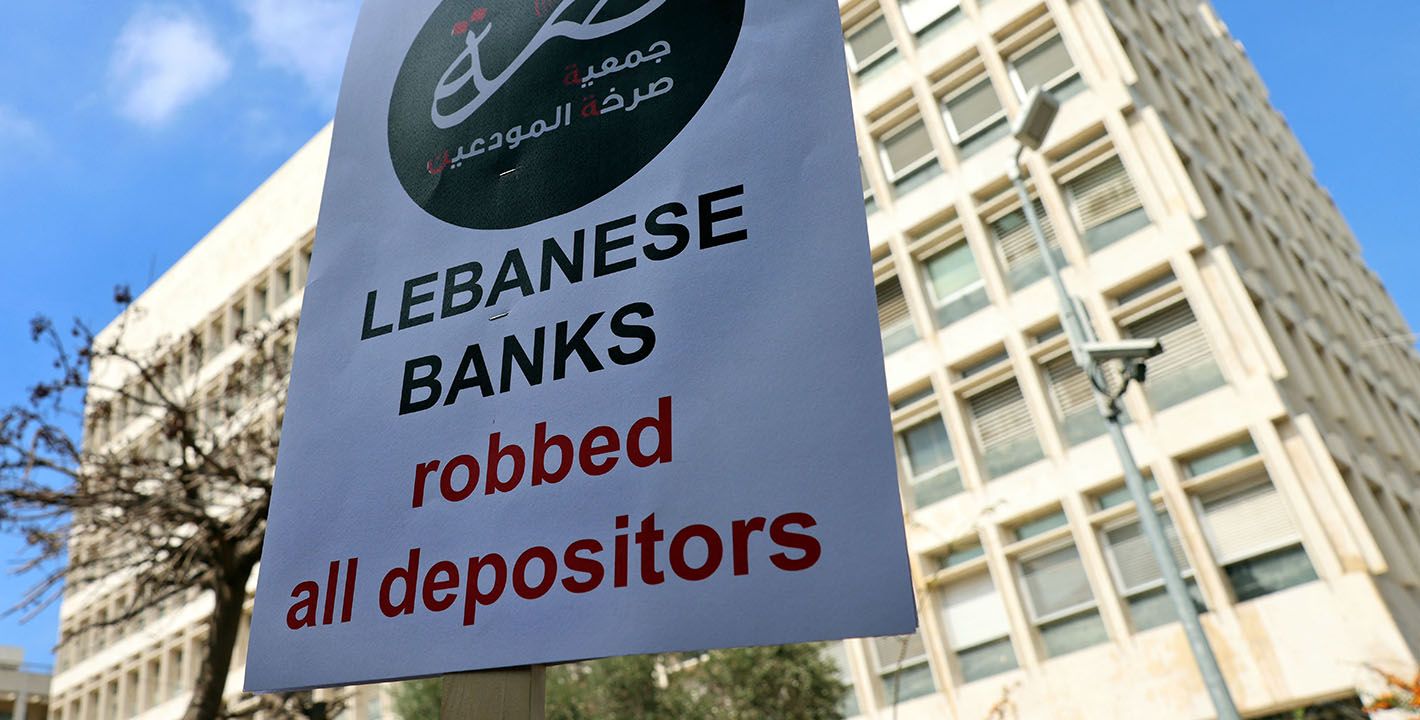
In an interview, Ishac Diwan looks at the merits and flaws in the draft legislation distributing losses from the financial collapse.

Michael Young
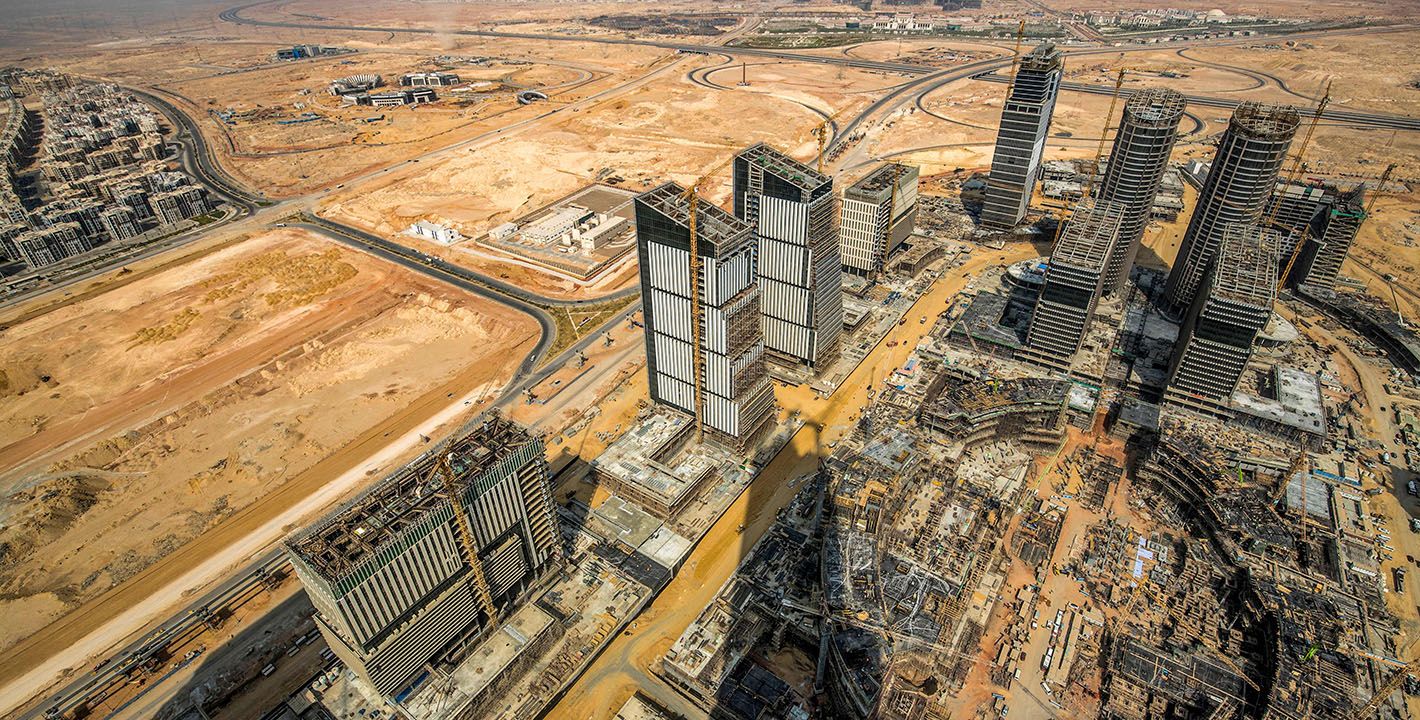
Mustaqbal Misr has expanded its portfolio with remarkable speed, but a lack of transparency remains.
Yezid Sayigh
Arab diaspora business communities in Egypt often mirror the same systemic challenges facing Egyptian businesses.

Nur Arafeh, Yezid Sayigh, Qaboul al-Absi, …
Largely characterized thus far by a single-minded focus on extractivism, Riyadh must commit to greater equitability in its approach to investment and development deals with Sudan, Ethiopia, and Eritrea.

Hesham Alghannam