

Other
François Godement, Ashley J. Tellis
{
  "authors": [
    "François Godement"
  ],
  "type": "legacyinthemedia",
  "centerAffiliationAll": "dc",
  "centers": [
    "Carnegie Endowment for International Peace"
  ],
  "collections": [],
  "englishNewsletterAll": "asia",
  "nonEnglishNewsletterAll": "",
  "primaryCenter": "Carnegie Endowment for International Peace",
  "programAffiliation": "AP",
  "programs": [
    "Asia"
  ],
  "projects": [],
  "regions": [],
  "topics": [
    "Economy",
    "Trade"
  ]
}
Source: Getty
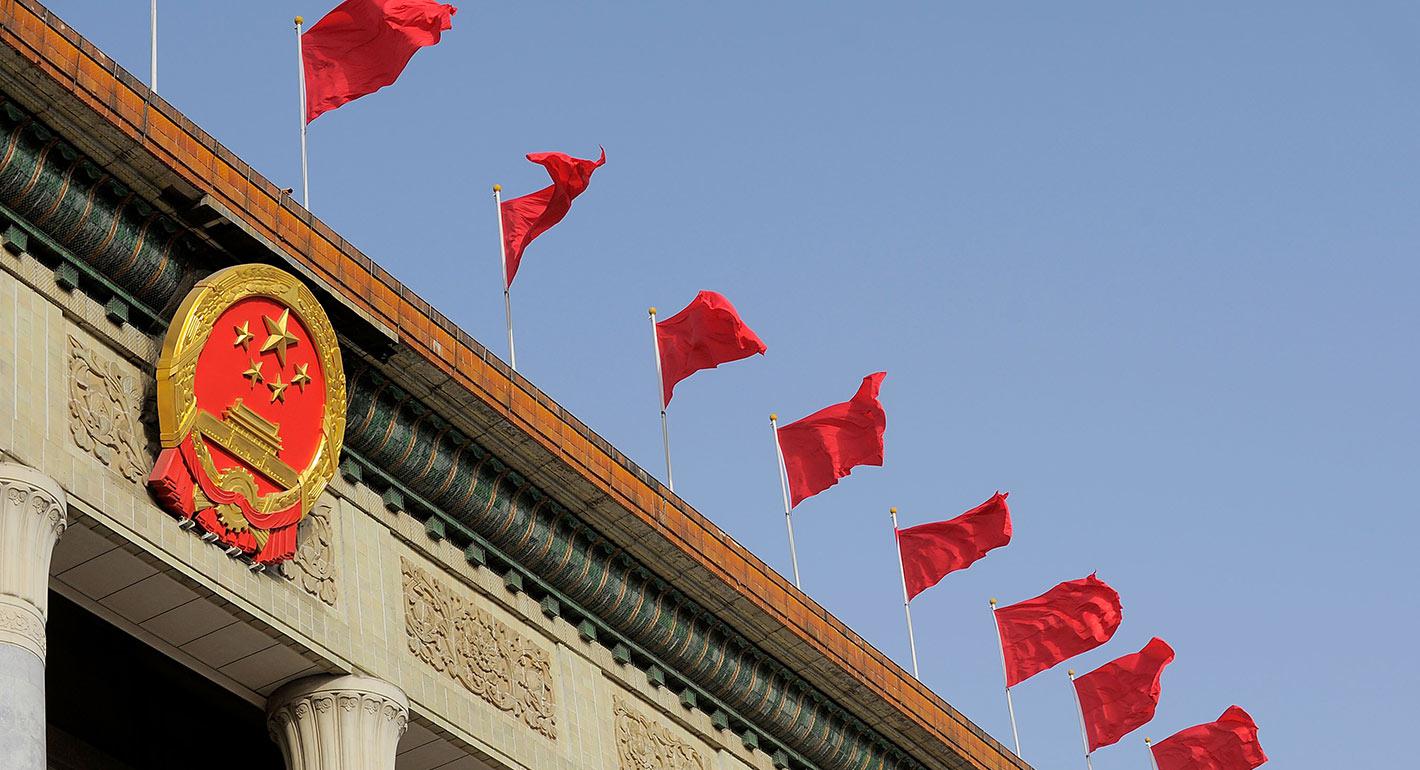
China’s 2001 entry into WTO was an epochal step in China’s reform and opening up. As the transition ended in December 2016, China had skyrocketed to become the world’s first trading nation.
Source: Institut Montaigne
China’s 2001 entry into WTO was an epochal step in China’s reform and opening up. As the transition ended in December 2016, China had skyrocketed to become the world’s first trading nation. It is not hard to understand why Chinese sources (described in this issue by Pierre Sel) recognize the benefits to China from WTO membership.
In 2017, Donald Trump came to power with a program to restore the pre-eminence of the US economy. Mammoth trade deficits with China are an obvious target. Europeans, as the sources seen by Mathieu Duchâtel politely tell it, are experiencing "growth pains" in their relationship with China, now a global competitor in many sectors.
The formerly "developing" Chinese economy is reaching mid-level income levels (nearly 10,000 USD per capita GDP in 2018), with several hundred million Chinese close to European levels of income. Yet it has not become a market economy. It is an even more state-led and politically driven economy, where huge saving rates are captured by state banks for state-owned enterprises. This is capital that fuels growth and subsidizes the industries of the future. Our Chinese sources, as seen by Viviana Zhu, are not blind to the changing perceptions from the outside world. Yet, China remains as a birth right the status of a developing economy under present WTO terms. The asymmetry of rules that this statute provides seems unshakable.

Former Nonresident Senior Fellow, Asia Program
Godement, an expert on Chinese and East Asian strategic and international affairs, was a nonresident senior fellow in the Asia Program at the Carnegie Endowment for International Peace.
Recent Work
François Godement, Ashley J. Tellis

François Godement, Abigaël Vasselier

In an interview, Ishac Diwan looks at the merits and flaws in the draft legislation distributing losses from the financial collapse.

Michael Young
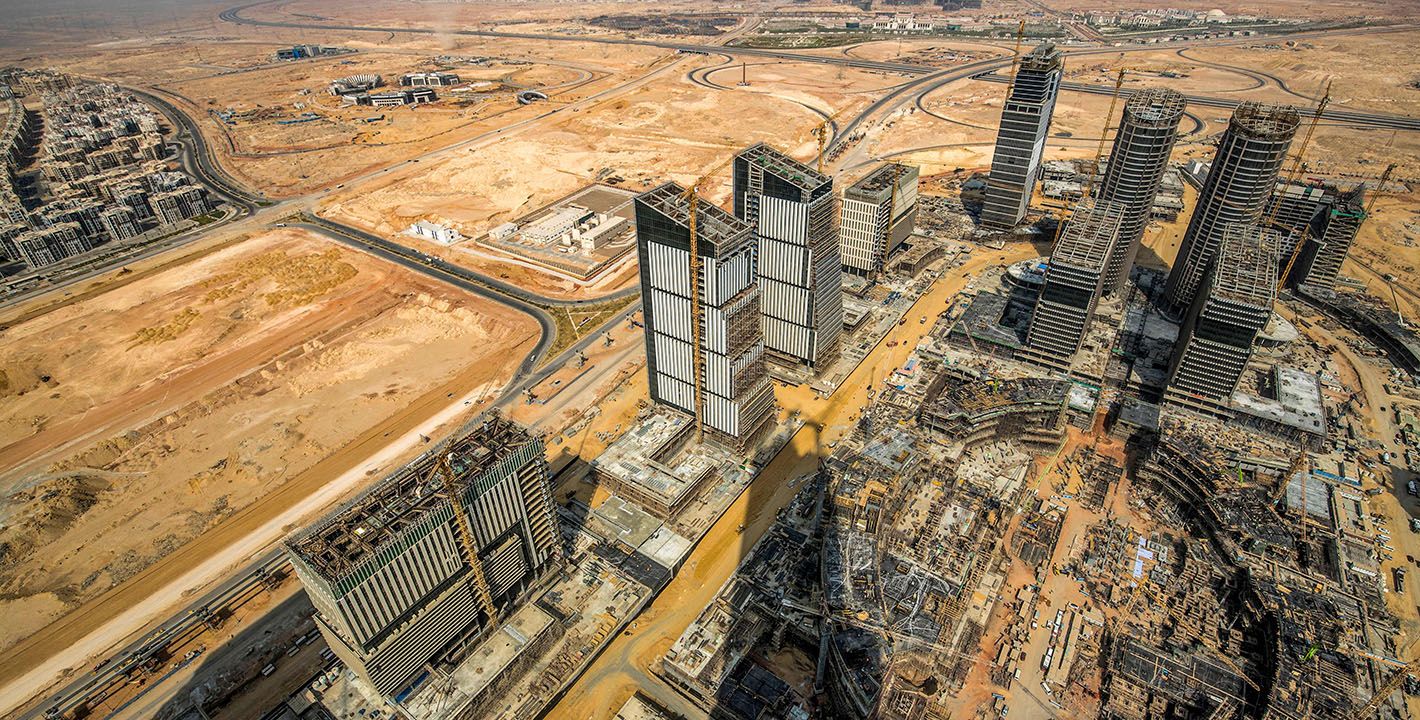
Mustaqbal Misr has expanded its portfolio with remarkable speed, but a lack of transparency remains.

Yezid Sayigh
Arab diaspora business communities in Egypt often mirror the same systemic challenges facing Egyptian businesses.

Nur Arafeh, Yezid Sayigh, Qaboul al-Absi, …

Largely characterized thus far by a single-minded focus on extractivism, Riyadh must commit to greater equitability in its approach to investment and development deals with Sudan, Ethiopia, and Eritrea.

Hesham Alghannam
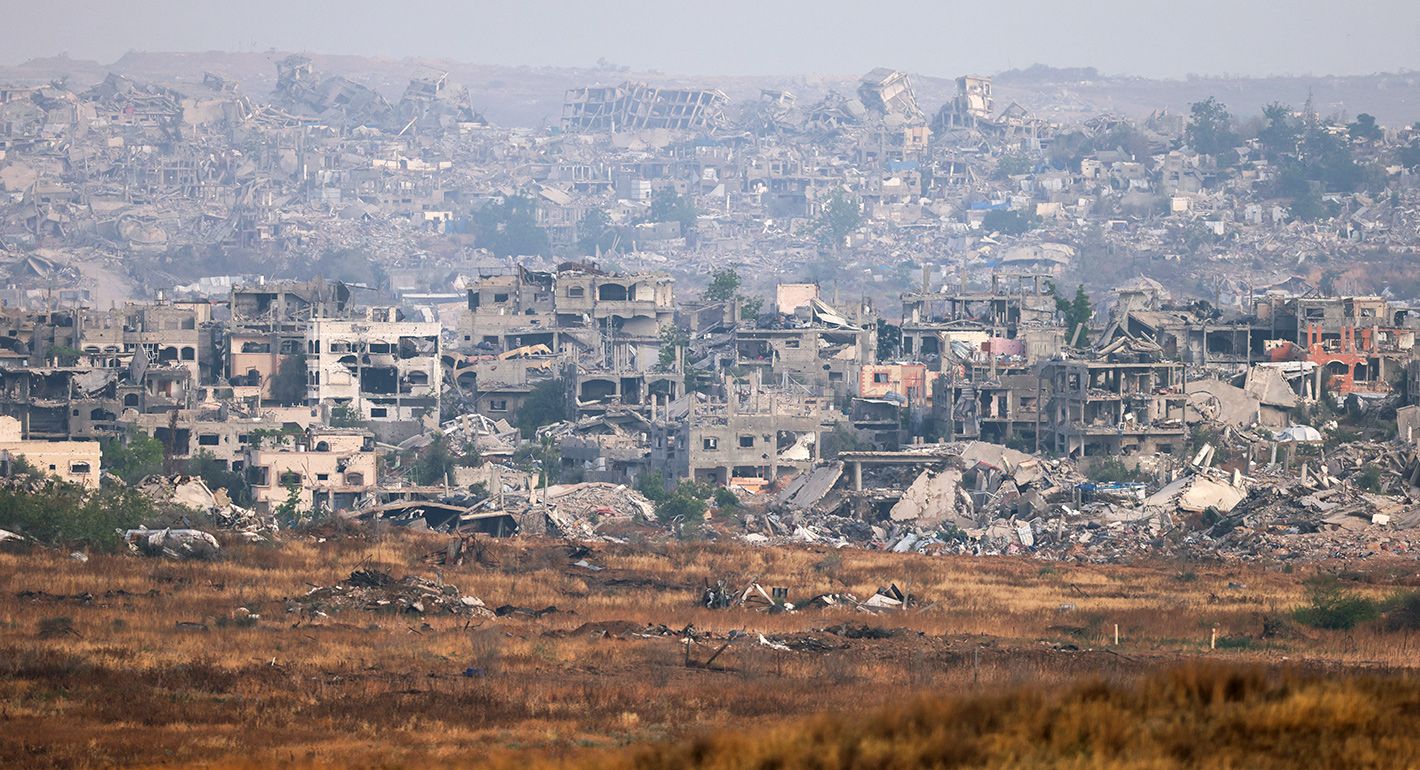
Once Israel’s war in the territory is brought to an end, the foundational principles guiding reconstruction should be Palestinian self-determination, local agency, and sovereignty.
Nur Arafeh, Mandy Turner