

Commentary
The GCC states’ use of Artificial Intelligence will generate much leverage over the global digital infrastructure and climate talks.
Camille Ammoun
{
  "authors": [
    "Milan Vaishnav",
    "Rachel Osnos"
  ],
  "type": "legacyinthemedia",
  "centerAffiliationAll": "dc",
  "centers": [
    "Carnegie Endowment for International Peace"
  ],
  "collections": [],
  "englishNewsletterAll": "ctw",
  "nonEnglishNewsletterAll": "",
  "primaryCenter": "Carnegie Endowment for International Peace",
  "programAffiliation": "SAP",
  "programs": [
    "South Asia"
  ],
  "projects": [],
  "regions": [
    "South Asia",
    "India"
  ],
  "topics": [
    "Technology"
  ]
}
Source: Getty
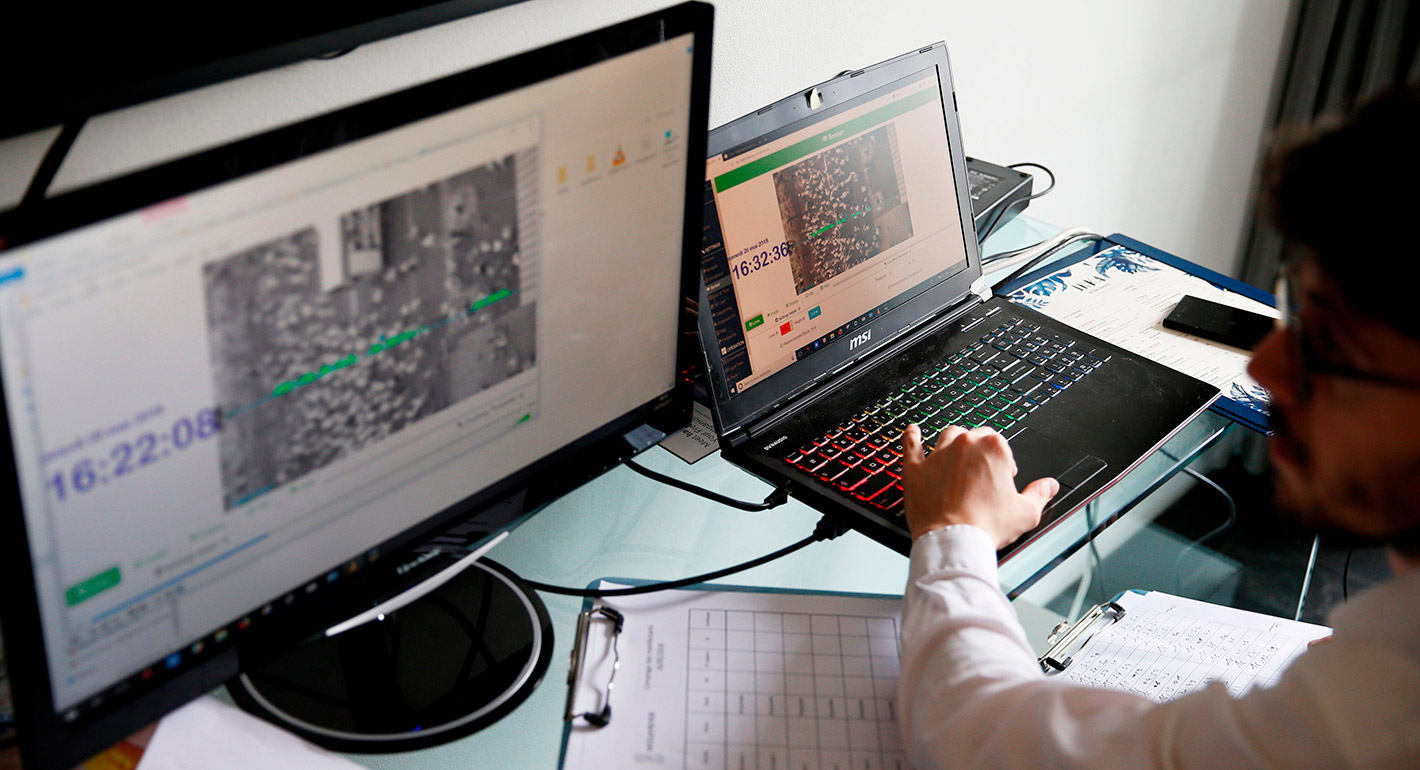
Burgeoning literature uses digital tools such as email to experimentally evaluate the responsiveness of political elites to requests for constituency service.
Source: India Review
Of the many tasks elected representatives perform, constituency service is among the most difficult to observe and, therefore, to measure. However, a burgeoning literature uses digital tools such as email to experimentally evaluate the responsiveness of political elites to requests for constituency service. To date, this literature has overwhelmingly focused on the developed world. In this article, we describe the results of an email experiment in which we sent plausible, but fictitious constituency service requests to national legislators in India to evaluate their responsiveness, helpfulness, and possibly discriminatory behavior. While the overall response rate to our request is quite poor, those that do respond tend to offer “meaningful” responses. We find scant evidence of legislators discriminating on religious lines.

Director and Senior Fellow, South Asia Program
Milan Vaishnav is a senior fellow and director of the South Asia Program and the host of the Grand Tamasha podcast at the Carnegie Endowment for International Peace. His primary research focus is the political economy of India, and he examines issues such as corruption and governance, state capacity, federalism, and electoral behavior. He also conducts research on the Indian diaspora.
Rachel Osnos
Former Program Coordinator, South Asia Program
Carnegie does not take institutional positions on public policy issues; the views represented herein are those of the author(s) and do not necessarily reflect the views of Carnegie, its staff, or its trustees.
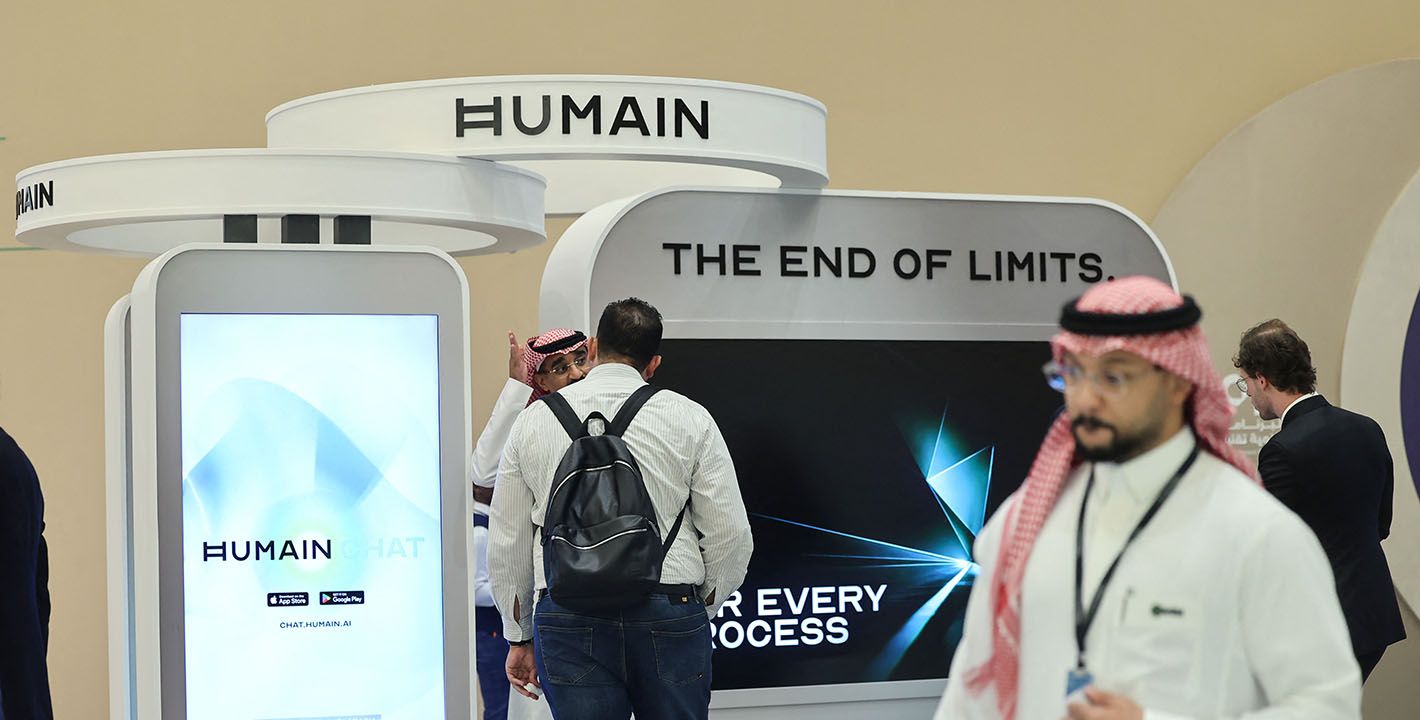
The GCC states’ use of Artificial Intelligence will generate much leverage over the global digital infrastructure and climate talks.

Camille Ammoun

Uneven investment in the technology will widen regional inequalities in the Middle East and North Africa.

Nur Arafeh
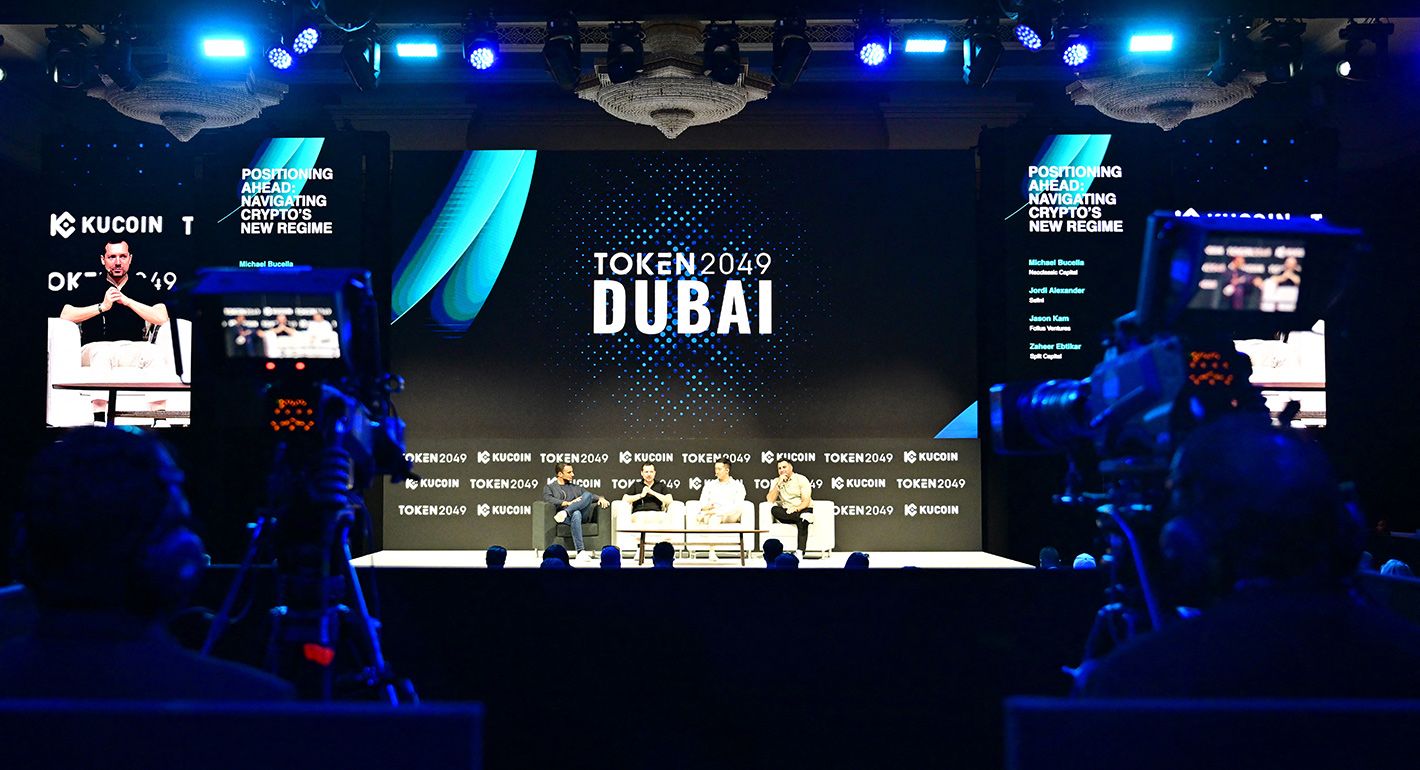
The GCC states are, to varying degrees, opening up to digital finance. This is part of an effort to diversify their economies and wean themselves off U.S.-dominated monetary systems.
Ala’a Kolkaila
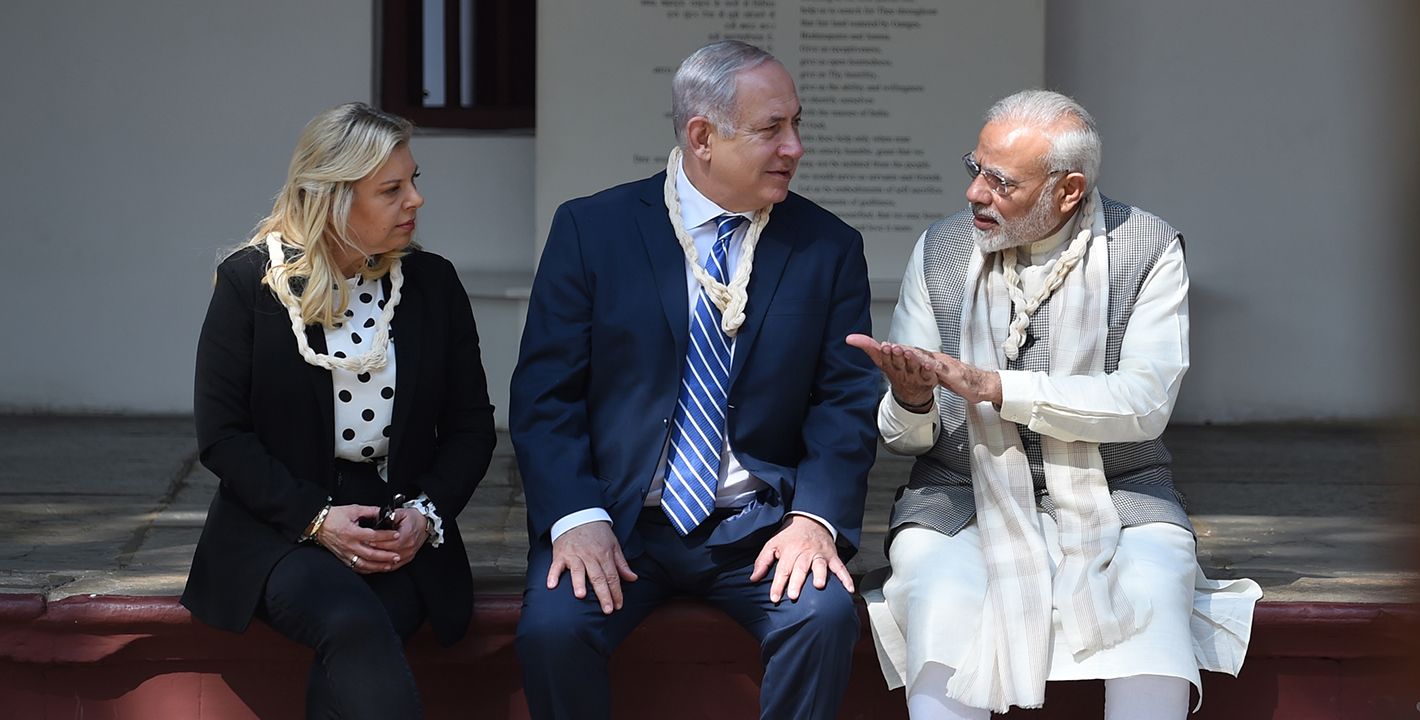
In an interview, Abhinav Pandya discusses the multiple facets of India’s ties with the Middle East.

Armenak Tokmajyan

The interaction of national armed forces and private business sectors offers a useful lens for viewing the politics of numerous countries of the so-called Global South. A rising trend of military political activism—often accompanied by military commercial activity—underlines the importance of drivers and outcomes in these relationships.

Yezid Sayigh, Hamza Meddeb