

Research
- +16
Stewart Patrick, Erica Hogan, Oliver Stuenkel, …
{
  "authors": [
    "Trinh Nguyen"
  ],
  "type": "legacyinthemedia",
  "centerAffiliationAll": "dc",
  "centers": [
    "Carnegie Endowment for International Peace"
  ],
  "collections": [],
  "englishNewsletterAll": "asia",
  "nonEnglishNewsletterAll": "",
  "primaryCenter": "Carnegie Endowment for International Peace",
  "programAffiliation": "AP",
  "programs": [
    "Asia"
  ],
  "projects": [],
  "regions": [
    "South Asia",
    "India",
    "Southeast Asia",
    "Indonesia"
  ],
  "topics": [
    "Economy",
    "Trade"
  ]
}
Source: Getty
The potential is clear for both India and Indonesia to transform their demographic booms into engines of domestic demand while positioning themselves as alternatives to China for labor-intensive manufacturing.
Source: Financial Times
At last, long-suffering investors in India’s economy have something to cheer about. On Friday, the country announced steep corporate tax cuts, sending the value of its main stock index up 6 per cent in dollar terms on the day and another 3 per cent on Monday.
The tax cut is significant, with the rate for manufacturing now on a par with low-rate jurisdictions such as Singapore. The message is that India is open to business, and that it aims not just to assuage investors’ concerns but to set a new path for growth. India’s prime minister Narendra Modi has been meeting investors and Indian diaspora on a US tour this week to make sure the message gets through.
It is about time. In a low-growth world, India and its regional neighbour Indonesia became investor favourites, boasting a combination that the developed world lacks: large populations and favourable demographic trends...
This article was originally published in the Financial Times.

Former Nonresident Scholar, Asia Program
Trinh Nguyen was a nonresident scholar in the Asia Program at the Carnegie Endowment for International Peace.
Recent Work


Stewart Patrick, Erica Hogan, Oliver Stuenkel, …
Trinh Nguyen
Carnegie does not take institutional positions on public policy issues; the views represented herein are those of the author(s) and do not necessarily reflect the views of Carnegie, its staff, or its trustees.

The armed forces champion a form of capitalism that is generating revenue, but its reliance on rent faces diminishing returns, leaving the country with massive sunk costs and deferred returns, deepening dependency on external borrowing.

Yezid Sayigh

Morocco and Algeria, each in its own way, are having to navigate the global economic fallout of the U.S.-Israeli military campaign against Iran.

Yasmine Zarhloule
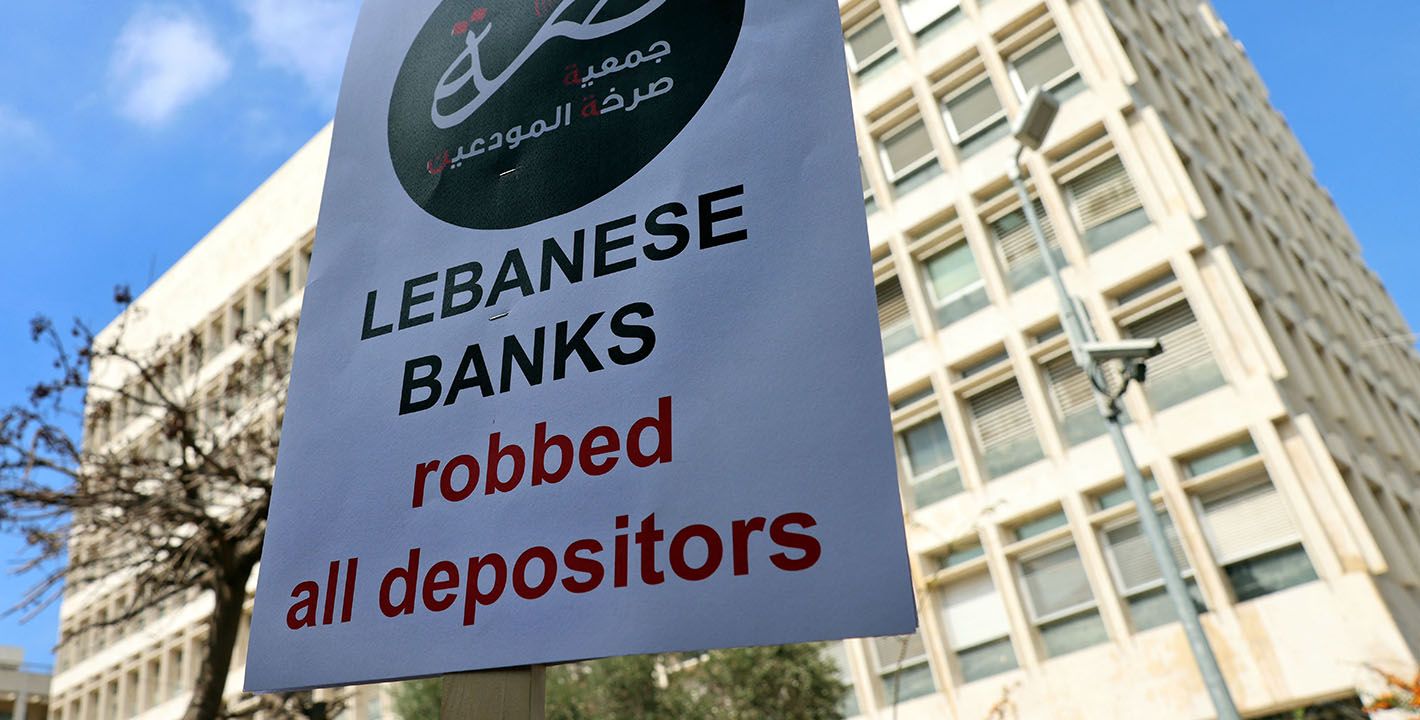
In an interview, Ishac Diwan looks at the merits and flaws in the draft legislation distributing losses from the financial collapse.

Michael Young

Mustaqbal Misr has expanded its portfolio with remarkable speed, but a lack of transparency remains.
Yezid Sayigh
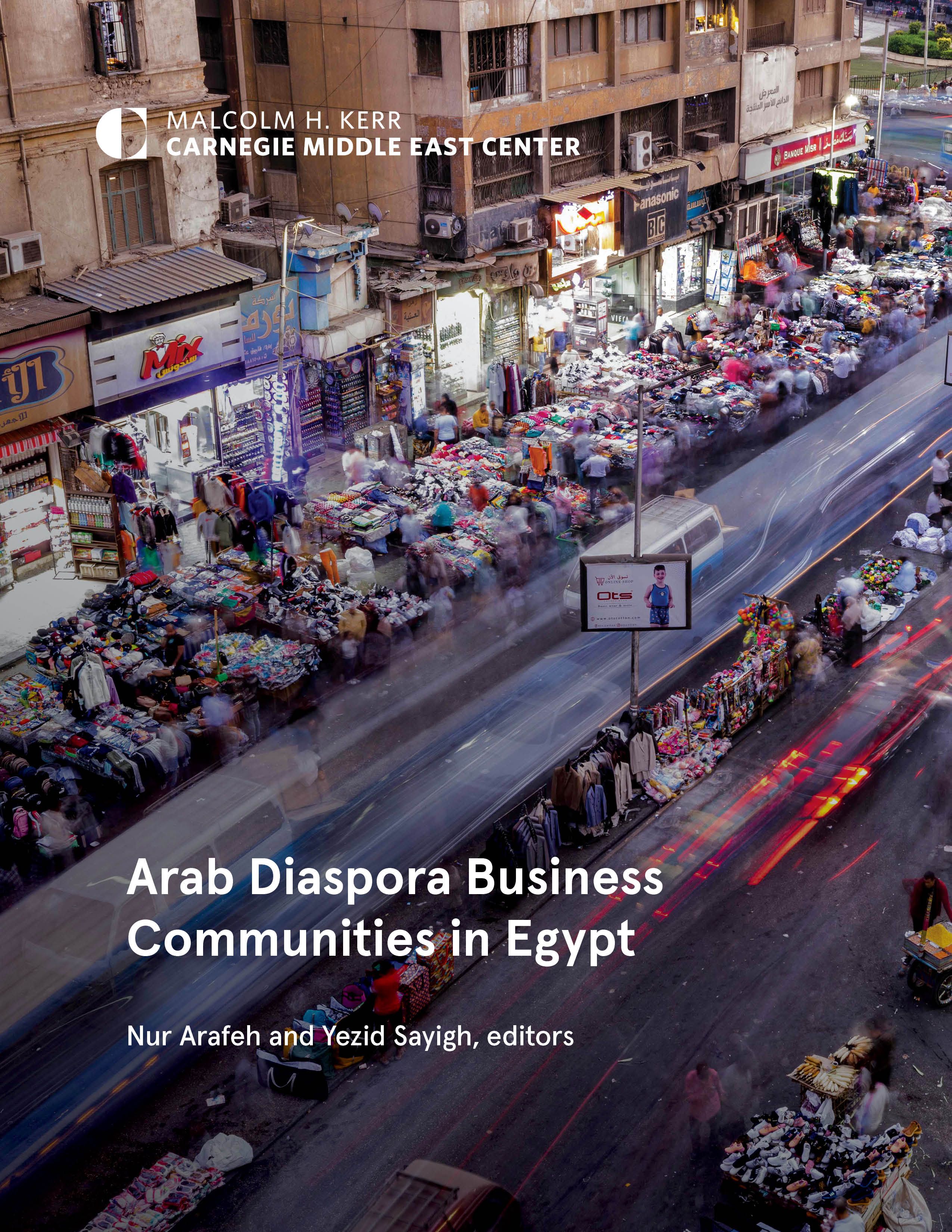
Arab diaspora business communities in Egypt often mirror the same systemic challenges facing Egyptian businesses.

Nur Arafeh, Yezid Sayigh, Qaboul al-Absi, …